

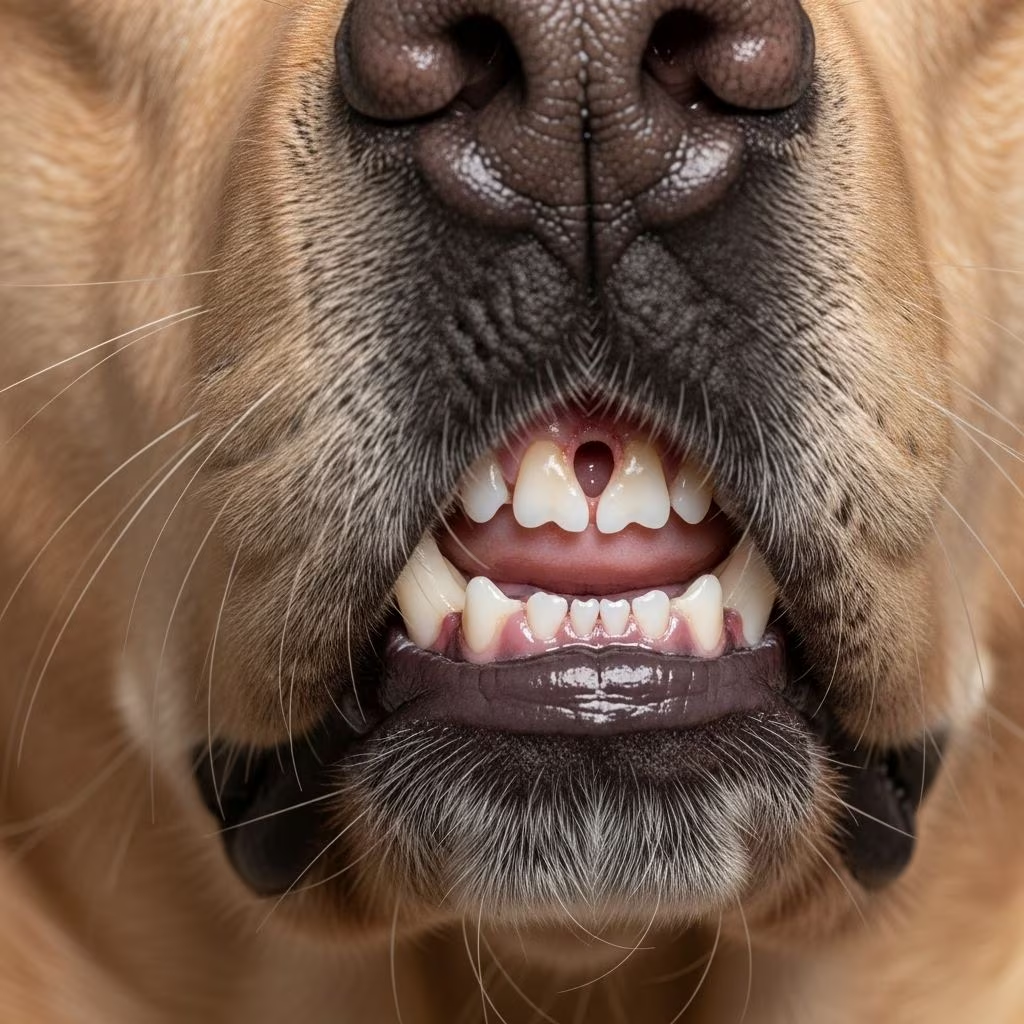
Oronasal fistulas represent a serious yet treatable condition in dogs and cats, where an unnatural pathway forms between the oral cavity and nasal passages. This opening permits food, water, bacteria, and saliva to enter the nose, triggering infections, irritation, and ongoing respiratory challenges. Prompt recognition and intervention by veterinary professionals can restore normal function and enhance quality of life for affected pets.
Defining the Condition: What Exactly Is an Oronasal Fistula?
An oronasal fistula, sometimes referred to as an oral-nasal fistula, creates an unintended communication between a pet’s mouth and nasal cavity. Typically located near the upper canine teeth or maxillary fourth premolar roots, this defect arises when the thin bone separating these areas erodes or fractures. As a result, oral contents leak into the nasal passages during eating or drinking, fostering bacterial growth and inflammation.
This issue primarily impacts dogs, especially breeds with elongated skulls like Dachshunds, though cats can also develop it. The condition often remains hidden until a routine dental exam under anesthesia reveals it, as pets may not display obvious distress initially.
Common Triggers Behind Oronasal Fistulas
Several factors contribute to the development of these fistulas, with dental pathology being the predominant culprit. Advanced periodontal disease erodes gum tissue, ligaments, and alveolar bone supporting the teeth, eventually breaching the palatal barrier.
- Periodontal Disease: The leading cause, where plaque and tartar buildup leads to infection and bone loss around upper jaw teeth.
- Tooth Extractions or Trauma: Improper extractions or injuries from chewing hard objects can fracture the delicate palatal bone.
- Foreign Bodies or Injuries: Sticks, bones, or penetrating wounds that damage the oral-nasal divide.
- Tumors or Congenital Issues: Growths eroding tissues or birth defects like cleft palates mimicking fistulas.
Dolichocephalic breeds face higher risks due to their skull anatomy, which positions tooth roots closer to nasal structures.
Recognizing the Warning Signs in Your Pet
Pet owners might overlook early symptoms, mistaking them for allergies or minor colds. However, persistent indicators demand attention.
| Symptom | Description | Frequency |
|---|---|---|
| Chronic Nasal Discharge | Runny nose with food particles, mucus, blood, or pus, worsening post-meals | Very Common |
| Sneezing or Reverse Sneezing | Frequent episodes, especially after eating/drinking | Common |
| Halitosis (Bad Breath) | Foul odor from trapped food and bacteria | Common |
| Coughing/Gagging | Due to aspiration into airways | Occasional |
| Face Pawing/Difficulty Eating | Discomfort leading to food avoidance | Variable |
| Recurrent Infections | Antibiotic-resistant sinusitis or rhinitis | Severe Cases |
One-sided discharge often points to a unilateral fistula, while bilateral symptoms suggest broader involvement. Pets may sneeze sporadically without discharge, underscoring the need for professional exams.
Diagnostic Approaches for Accurate Identification
Veterinarians start with a detailed history and physical assessment. Awake exams might spot large fistulas, but most require anesthesia for thorough probing.
- Oral Examination: Using periodontal probes to detect defects in the palate.
- Imaging: Dental radiographs or CT scans reveal bone loss extent and nasal involvement.
- Bloodwork: Pre-surgical panels including CBC, chemistry, and urinalysis to ensure anesthesia safety.
These steps differentiate fistulas from tumors, infections, or foreign bodies, guiding precise treatment.
Treatment Strategies: Closing the Gap
Surgical closure is the gold standard, performed by veterinary dentists or oral surgeons. The goal: extract diseased teeth, debride the site, and seal the passage to halt contamination.
- Pre-Op Preparation: Antibiotics and anti-inflammatories to curb infection.
- Surgical Techniques: Flap advancement using mucosal tissue, reinforced with sutures; advanced cases may use grafts or biomaterials.
- Post-Op Care: Soft diet, Elizabethan collar, and medications for 2-4 weeks.
Success rates exceed 90% with early intervention, preventing pneumonia or chronic sinusitis.
Step-by-Step Recovery Roadmap
Post-surgery, vigilance ensures healing. Expect:
- Days 1-7: Minimal activity, pain meds, no hard food.
- Weeks 2-4: Suture removal, gradual diet normalization.
- Follow-Ups: Re-check X-rays at 4-6 weeks to confirm closure.
Complications like dehiscence are rare (<10%) if instructions are followed. Full resolution of symptoms occurs within 1-2 months.
Prevention: Safeguarding Your Pet’s Oral-Nasal Barrier
Proactive dental hygiene averts most cases.
- Daily brushing with pet-safe toothpaste.
- Professional cleanings annually or biannually.
- Dental diets, chews, and water additives to reduce plaque.
- Monitor for chewing hazards like bones or rocks.
Breeds prone to dental issues benefit from early screenings.
FAQs: Addressing Common Pet Owner Concerns
Can oronasal fistulas heal without surgery?
No, conservative measures like antibiotics fail long-term as the structural defect persists, allowing ongoing contamination.
How much does treatment cost?
Varies by case complexity, location, and imaging needs; typically $1,500-$4,000 including anesthesia and surgery.
Is this condition painful for my pet?
Often subtle, but chronic infections cause discomfort; many pets adapt until symptoms escalate.
Can cats get oronasal fistulas too?
Yes, though less common than in dogs, from similar causes like periodontal disease.
What if I ignore the symptoms?
Risks include pneumonia, weight loss, and irreversible nasal damage.
Long-Term Outlook and Pet Insurance Considerations
With repair, most pets enjoy normal lives free of nasal woes. Pet insurance often covers dental procedures, mitigating costs—check policies for oral conditions.
Regular vet dental checks empower early detection, transforming potential crises into manageable fixes.
References
- Does Your Pet Have an Oral-Nasal Fistula? Understanding Symptoms and Treatment — North Bay Vet Dentist. Accessed 2026. https://northbayvetdentist.com/does-your-pet-have-an-oral-nasal-fistula-understanding-symptoms-and-treatment/
- Oronasal Fistula in Dogs: Causes, Signs, and Treatment — Animal Dental AZ. Accessed 2026. https://animaldentalaz.com/oronasal-fistula-in-dogs/
- Understanding Oronasal Fistulas in Dogs and Cats — Tribeca Vet Dentistry. 2023-10-01. https://www.tribecavetdentistry.com/post/understanding-oronasal-fistulas-in-dogs-and-cats-causes-symptoms-and-treatment-by-the-team-at-tri
- Oronasal Fistulas — HoundsTooth VDOS. Accessed 2026. https://www.houndstoothvdos.com/oronasal-fistulas
- Understanding Oral-Nasal Fistulas in Dogs — Covet Dentist. Accessed 2026. https://covetdentist.com/understanding-oral-nasal-fistulas-in-dogs/
- Abnormal Passageway Between the Mouth and Nasal Cavity in Dogs — PetMD. Accessed 2026. https://www.petmd.com/dog/conditions/mouth/c_multi_oronasal_fistula
- Oronasal Fistula Closure (Proceedings) — DVM360. Accessed 2026. https://www.dvm360.com/view/oronasal-fistula-closure-proceedings



