

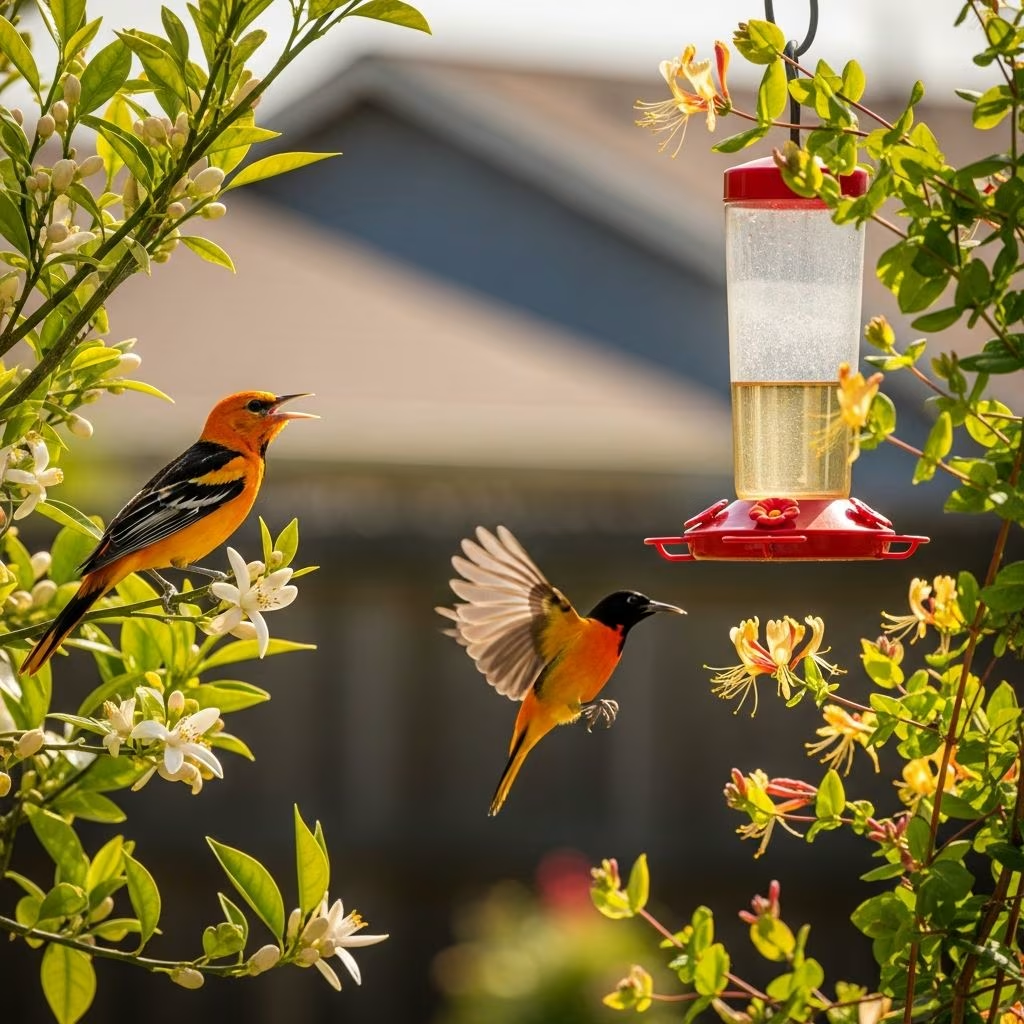
Orioles 101: What They Eat, Where They Live & How to Attract Them
Orioles are among the most striking and recognizable birds in North America, captivating bird enthusiasts with their brilliant plumage and enchanting songs. These vibrant songbirds belong to the blackbird family and are known for their unique diets, intelligence, and distinctive behaviors. Whether you’re an experienced birder or a beginner looking to enhance your backyard wildlife experience, understanding orioles is key to successfully attracting them and creating an inviting habitat. This comprehensive guide covers everything you need to know about these remarkable birds, from their dietary preferences to their natural habitats and proven attraction strategies.
Understanding North American Orioles
Orioles are part of a diverse family of highly intelligent songbirds found throughout North America. These birds share several distinctive physical characteristics that make them relatively easy to identify. Most orioles display brilliant orange or yellow plumage combined with striking black facial markings and bold patterns on their wings. Their sharp, thin bills are perfectly adapted for their specialized diet, and their slender builds allow them to navigate through dense foliage with remarkable agility.
There are multiple species of orioles found across North America, each with unique characteristics and ranges. The Baltimore Oriole is perhaps the most recognizable, particularly in eastern regions, while Bullock’s Oriole dominates the western landscape. Other notable species include the Orchard Oriole, Hooded Oriole, Scott’s Oriole, Altamira Oriole, Spot-breasted Oriole, and several others. Each species exhibits distinct coloration patterns and behavioral traits, though all share common preferences for open woodlands and riverside habitats.
Types of Orioles in North America
Understanding the different oriole species helps birders and homeowners identify which types might visit their specific regions and what to expect in terms of appearance and behavior.
Baltimore Oriole
The Baltimore Oriole stands as one of the most iconic and beloved orioles throughout eastern North America. Adult males display a striking appearance with brilliant flame-orange undersides, all-black heads and backs, and distinctive white bars on their wings. Females present a softer appearance with yellow-orange coloring and grayish-brown backs and wings. These birds bring vibrant color and rich whistles to eastern regions during spring and summer breeding season. They prefer tall deciduous trees in open woodlands, forest edges, and river banks. Baltimore Orioles migrate to Florida, Mexico, Central America, and South America for winter, making them seasonal visitors to most of their breeding range.
Bullock’s Oriole
The Bullock’s Oriole represents the western counterpart to the Baltimore Oriole, displaying bright orange coloring with black backs and wings plus distinctive white wing patches. These medium-sized birds feature orange faces with striking black lines through their eyes and black throats. They are medium-distance migrants, breeding throughout the Western United States during summer and wintering in Mexico. Bullock’s Orioles favor open woodlands, including parks, during both breeding and wintering seasons, where they can be observed hanging upside down while foraging.
Orchard Oriole
The Orchard Oriole stands apart from typical oriole plumage patterns with its distinctive burnt-orange hue and notably smaller size compared to other species. Males display black heads and upperparts with rich maroon-chestnut underparts and white wing bars, while females feature greenish-yellow plumage with grayish-brown wings. These birds are notoriously easygoing compared to other songbirds and frequently nest near Baltimore Orioles, American robins, and Chipping sparrows. Despite their chill nature, Orchard Orioles aggressively ward off predators and cowbirds when necessary. They migrate north in late spring to breed across their range.
Hooded Oriole
The Hooded Oriole ranks among the brilliantly-colored birds of the Southwest, displaying bright yellow-orange plumage with black throats, backs, and tails heavily streaked in white. These birds appear more delicate than other oriole species and are easily distinguished by the black throat patch extending around the eye. Females display light olive-yellow coloring with gray backs and white wing-bars. They inhabit open, dry regions with scattered trees, and populations around the Gulf of Mexico and Yucatan Peninsula remain year-round residents.
Scott’s Oriole
Scott’s Oriole represents a striking black and bright lemon-colored songbird native to the Southwest. Males are large birds with black heads, backs, wings, and tails featuring white streaking and bright yellow undersides. Females present a duller appearance with olive-green and yellow plumage and streaky gray and white wings. These birds spend summers nesting in yucca and palms in arid mountains and deserts before moving to Mexico for winter. They forage in desert vegetation searching for invertebrates and nectar, often traveling in pairs or small groups.
Altamira Oriole
The Altamira Oriole stands as the largest oriole found in the United States, featuring a stout body with a pointed bill. Both adult males and females display bright orange bodies and heads with black backs, tails, and wings. The Altamira Oriole’s range is mostly confined to south of the U.S. border along the Lower Rio Grande Valley of Texas, though the Texas Organization for Endangered Species labels them as “threatened” within the state. Despite this designation, they remain relatively common throughout their limited range.
Spot-breasted Oriole
Native to southern Mexico and Central America, the Spot-breasted Oriole has expanded its range and can now be found in the lush suburban gardens of South Florida, primarily Miami and West Palm Beach. This species features distinctive black spotting on the breast and white streaks on its wings, distinguishing it from similar oriole species. Their limited range makes them a special find for birders visiting South Florida.
What Orioles Eat
Understanding oriole diet is fundamental to attracting these birds to your yard. Orioles display remarkably diverse eating habits and are not strict specialists in their food choices.
Natural Diet Components
In nature, orioles consume a varied diet consisting of insects, fruits, and nectar. During breeding season, these birds actively hunt for invertebrates including beetles, wasps, bees, grasshoppers, and caterpillars. Insects provide essential protein necessary for egg production and chick development. As the season progresses and fruit becomes available, orioles shift increasingly toward berries and other fruits. This dietary flexibility makes them efficient foragers capable of adapting to seasonal food availability.
Fruit Preferences
Orioles demonstrate particular affinity for certain fruits including mulberries, raspberries, blackberries, and strawberries. They also consume citrus fruits, cherries, and other orchard fruits, which can sometimes lead to minor crop damage. This fruit consumption plays a crucial ecological role, as orioles assist in seed dispersal throughout their habitats, supporting forest regeneration and plant diversity.
Nectar Feeding
Like hummingbirds, orioles feed on nectar from flowering plants and readily visit nectar feeders. Their long, pointed bills are well-adapted for probing deep into flowers to extract nectar. This behavior makes them relatively easy to attract with specialized feeders and planted flowers that produce abundant nectar throughout the breeding season.
Oriole Habitats and Range
Orioles exhibit distinct habitat preferences that influence where they can be found throughout North America.
Preferred Habitats
Most oriole species prefer open woodland habitats and are particularly attracted to areas with tall, mature trees. They favor deciduous and mixed forests, especially those with elm, oak, and cottonwood trees. Riverside groves, wooded neighborhoods, city parks, and suburban areas with scattered trees provide ideal habitat. Forest edges where woodland transitions to open areas represent prime oriole territory, offering both nesting sites and abundant food sources.
Nesting Behavior
Orioles demonstrate remarkable engineering skills when constructing their nests. From the forest canopy, these birds weave intricate, basket-like nests that hang suspended from high branches, often 20-40 feet above ground. This suspended nest design protects eggs and chicks from ground predators while providing natural insulation. Female orioles typically construct nests from plant fibers, animal hair, and other soft materials, creating structures that can last multiple seasons.
Geographic Distribution
Different oriole species occupy distinct geographic ranges across North America. Baltimore Orioles dominate eastern regions from the Atlantic coast westward, while Bullock’s Orioles inhabit western territories. Some species like Scott’s Oriole and Hooded Oriole are restricted to southwestern regions, while others like the Spot-breasted Oriole maintain very limited ranges in South Florida. Understanding which species inhabit your specific region helps identify which birds you might attract and when to expect them seasonally.
How to Attract Orioles to Your Yard
Successfully attracting orioles requires providing appropriate food sources, suitable habitat, and creating an inviting environment that meets their specific needs.
Oriole Feeders
Specialized oriole feeders represent one of the most effective tools for attracting these birds. Dedicated oriole feeders typically feature bright orange coloring to catch their attention and include small perches and feeding ports designed specifically for their bills. The best oriole feeders offer multiple feeding stations, allowing several birds to feed simultaneously without excessive competition.
Feeding Options
| Food Type | Benefits | Application Method |
|---|---|---|
| Oriole Nectar | Easy to prepare, highly attractive, year-round option | Fill feeders with prepared nectar solution |
| Fruit (orange halves) | Natural food source, very effective attraction | Skewer on feeder spikes or platform feeders |
| Jelly | High-energy food, particularly appealing during migration | Serve in shallow dishes on platform feeders |
| Mealworms | Protein-rich, mimics natural insect diet | Offer in shallow containers on elevated feeders |
| Suet | High-calorie energy source for long journeys | Place in specialized cage feeders |
Nectar Preparation
Preparing oriole nectar is simple and cost-effective. Mix one part white granulated sugar with four parts water. Boil the water first to remove impurities, then add sugar and stir until dissolved. Allow the mixture to cool completely before filling feeders. Never use honey, artificial sweeteners, or red food coloring, as these can harm birds. Replace nectar every three to five days, or more frequently in hot weather, to prevent fermentation and mold growth.
Fruit Placement
Orange halves and other fruit appeal strongly to orioles and represent a proven attraction method. Place fresh orange halves on specialized fruit feeders or spike them on feeder perches where orioles can easily access them. Refresh fruit daily to prevent spoilage and maintain attractiveness. Other fruits like grapes and berries also work effectively, though oranges remain the most popular choice.
Feeder Placement and Maintenance
Position oriole feeders in open areas near trees where these birds feel secure but maintain clear sightlines for predator detection. Place feeders at least 5-6 feet high to provide protection from ground predators. Maintain feeders in clean condition, replacing food regularly and washing feeders weekly with hot water. A clean feeder environment reduces disease transmission and maintains bird health.
Planting for Natural Food Sources
Creating a landscape that produces natural food sources provides long-term attraction. Plant berry-producing shrubs and trees including mulberries, serviceberries, elderberries, and dogwoods. Include flowering plants that produce nectar such as trumpet vine, bee balm, zinnias, and salvias. These native plants support the entire ecosystem that orioles depend upon, including insects they need for protein.
Providing Water Sources
Clean water is essential for all bird species, including orioles. Provide shallow water sources in bird baths positioned near protective cover. Maintain water depth between one and two inches, and change water daily to prevent mosquito breeding and maintain cleanliness.
Seasonal Considerations for Oriole Attraction
Oriole attraction efforts vary significantly by season and local climate. Most North American orioles are seasonal migrants, making timing important. Set up nectar and fruit feeders in early spring as migration begins, and maintain them through summer breeding season. In fall, continue providing food sources as birds prepare for southward migration. Some southern regions with year-round oriole populations should maintain feeders throughout the year.
Frequently Asked Questions About Orioles
When is the best time to put out oriole feeders?
The optimal time to deploy oriole feeders depends on your geographic location. In northern regions, place feeders in mid-to-late April when orioles return from winter migration. In southern areas, timing varies by species, with some orioles present year-round. Monitor local bird sighting reports to determine when orioles typically arrive in your region, then set up feeders a week or two before expected arrival.
How often should I clean and refill my oriole feeders?
Replace nectar every three to five days in cool weather, or more frequently during hot periods when fermentation occurs more rapidly. Clean feeders thoroughly each time you refill them using hot water and a bottle brush. Weekly deep cleaning with a mild vinegar solution helps prevent mold and bacterial growth that could harm visiting birds.
Can I use regular bird seed to attract orioles?
Regular bird seed holds limited appeal for most oriole species, as their specialized bills and dietary preferences focus on insects, fruit, and nectar. While some seed-eating birds might visit feeders offering traditional seed, orioles rarely feed on standard seed options. Stick with nectar, fruit, jelly, and mealworms for best results when targeting orioles.
Do orioles return to the same yards each year?
Many orioles demonstrate site fidelity and return to the same territories year after year if suitable habitat and food sources remain available. Maintaining consistent feeders and habitat throughout the breeding season increases the likelihood that orioles will return in subsequent years. Some individuals may become regular visitors to specific feeders, creating rewarding long-term observation opportunities.
What should I do if orioles stop visiting my feeders?
If oriole visits decline, check feeder cleanliness and food freshness first. Ensure nectar remains fresh and fruit hasn’t spoiled. Verify that feeders remain positioned in safe, accessible locations. Consider adding additional feeders or relocating existing ones to different yard areas. Expanding the variety of food offerings, including mealworms and different fruit types, may also renew interest.
Are there any risks associated with feeding orioles?
When maintained properly, oriole feeders pose minimal health risks. The primary concern involves preventing fermentation and mold growth in nectar feeders through regular cleaning and fresh food replacement. Avoid pesticide use in your yard, as these chemicals can harm birds and eliminate the insect prey orioles need. Maintain feeders away from windows to reduce collision risks.
Which oriole species is most common in my region?
The most common oriole species varies by geographic location. Baltimore Orioles dominate eastern North America, Bullock’s Orioles inhabit western regions, and various other species occupy southwestern territories. Research your specific region’s bird species lists or consult local birding organizations to determine which orioles are likely to visit your area.
References
- Breaking Down the Different Types of North American Orioles — Valley Farms. https://valleyfarms.shop/blogs/news/breaking-down-the-different-types-of-north-american-orioles
- View All Types of Oriole Birds — A-Z Animals. https://a-z-animals.com/blog/view-all-types-of-oriole-birds/
- The 10 Species of Oriole in North America — Nest Box Live. https://nestboxlive.com/blog/the-10-species-of-oriole-in-north-america/



