

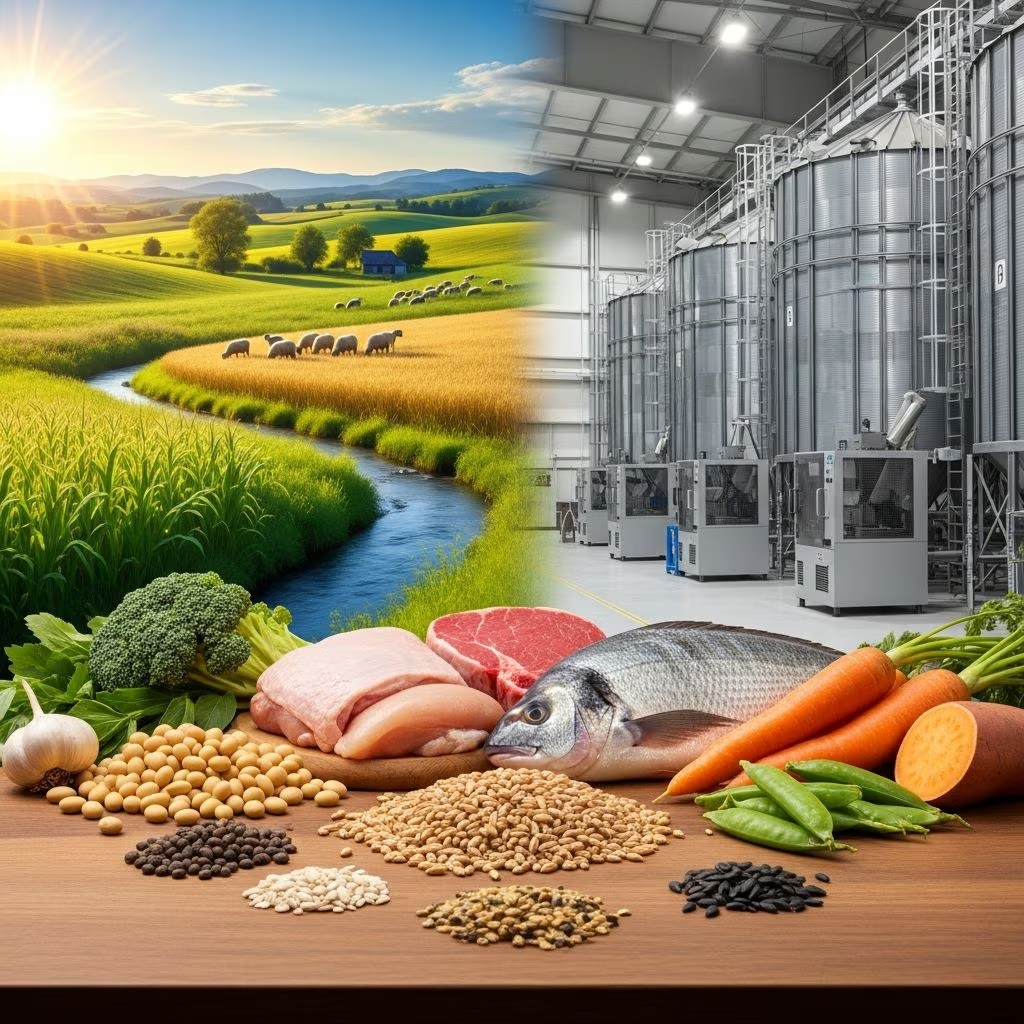
Pet food manufacturers prioritize sourcing high-quality ingredients to deliver balanced nutrition for dogs. This involves selecting proteins, carbohydrates, fats, vitamins, and minerals from diverse global suppliers while upholding strict safety and sustainability standards.
The Importance of Quality Sourcing in Pet Nutrition
Effective ingredient sourcing forms the foundation of premium pet food. Companies evaluate suppliers based on nutritional consistency, contaminant-free profiles, and ethical practices to ensure every batch supports canine health. Factors like freshness, traceability, and environmental impact guide decisions, directly influencing digestibility and palatability.
High-quality sourcing maximizes nutrient retention. For instance, proteins from trusted farms provide essential amino acids vital for muscle maintenance, while properly handled grains preserve fiber for gut health. Poor sourcing risks deficiencies or toxins, underscoring the need for rigorous supplier vetting.
Key Categories of Pet Food Ingredients
Pet foods blend animal-based and plant-based components. Animal proteins like chicken, beef, and fish supply complete proteins, whereas grains, vegetables, and fruits offer carbohydrates, vitamins, and antioxidants. Each category demands specific sourcing strategies to maintain efficacy.
- Proteins: Primary energy sources, often from poultry, red meats, or seafood.
- Grains and Carbs: Provide sustained energy and digestive support.
- Fats and Oils: Essential for skin, coat, and energy density.
- Vitamins and Minerals: Sourced from natural or fortified additives.
Global Sourcing Networks for Animal Proteins
Chicken tops the list as the most utilized protein, comprising a significant portion of U.S. pet food production at millions of tons annually. Sourced from large-scale poultry farms in regions like the Midwest U.S., South America, and Europe, these facilities adhere to biosecurity protocols to prevent diseases.
Beef and lamb originate from cattle ranches in Australia, New Zealand, and North American grasslands. Renderers process by-products like organs into nutrient-dense meals, reducing waste while boosting omega fatty acids. Fish proteins from sustainable fisheries in the Pacific and Atlantic provide DHA for brain health, with wild-caught options favored for purity.
| Protein Type | Primary Regions | Key Benefits |
|---|---|---|
| Chicken | U.S., Brazil | High digestibility, lean protein |
| Beef | Australia, U.S. | Rich in iron, B vitamins |
| Fish | Norway, Alaska | Omega-3s for joints |
Plant-Based Ingredients: From Fields to Factories
Corn, rice, and barley are staples grown in fertile plains of the U.S. Corn Belt and Asian rice paddies. These provide digestible energy, with milling processes preserving bran layers for fiber. Vegetables like peas and sweet potatoes from Canadian prairies and U.S. farms add antioxidants and low-glycemic carbs.
Fruits such as blueberries and cranberries, harvested from Michigan orchards and Wisconsin bogs, contribute natural preservatives and urinary tract support. Legumes from pulse-rich areas in India and North Dakota offer plant proteins amid rising demand for grain-free formulas.
Rigorous Supplier Approval Processes
Leading manufacturers follow multi-step protocols to onboard suppliers. Initial identification targets partners aligning with welfare and sustainability values, followed by on-site audits of facilities. Each site undergoes separate inspections for hygiene and compliance.
Ingredients face regulatory, safety, and toxicology analyses. Lab testing verifies absence of heavy metals, pesticides, and pathogens before approval. Ongoing monitoring, including unannounced visits, ensures consistency. This mirrors practices where chefs verify origins and storage to combat contaminants.
- Identify potential suppliers.
- Audit facilities thoroughly.
- Conduct integrity studies.
- Perform lab tests.
- Implement continuous oversight.
Sustainability and Ethical Considerations
Sustainable sourcing minimizes environmental footprints. Companies partner with farms using regenerative agriculture to enhance soil health and reduce emissions. Certifications like GlobalG.A.P. verify responsible practices for crops and livestock.
Ethical animal welfare standards, including space allowances and humane slaughter, are non-negotiable. Traceability tech like blockchain tracks journeys from farm to factory, promoting transparency. Prioritizing local suppliers cuts transport emissions while supporting communities.
Challenges in the Pet Food Supply Chain
Global disruptions like weather events or trade shifts challenge availability. In 2024, U.S. production hit 9.8 million tons using over 600 ingredients, highlighting scale and vulnerability. Ingredient markets are projected to grow to $47.4 billion by 2028, driven by premium proteins.
Contaminant risks necessitate advanced testing. Heavy metals in fish or mycotoxins in grains demand vigilant monitoring. Cost pressures favor value over cheap imports, balancing affordability with quality.
Homemade vs. Commercial Sourcing Options
For pet owners crafting meals, local butchers, ethnic markets, and co-ops offer fresh meats and organs at bulk rates. Online vendors ship frozen proteins nationwide, though shipping adds expense. Farmers markets connect to small-scale producers for ethical, high-quality cuts.
Commercial foods streamline this via vetted global networks, ensuring complete nutrition without home balancing risks. Both paths emphasize freshness and safety.
Innovations Shaping Future Sourcing
Alternative proteins like insects and lab-grown meats emerge to meet demands sustainably. Cultivated ingredients promise purity without farming impacts. AI optimizes supply chains for efficiency, predicting shortages.
Enhanced traceability apps let owners scan bags for origin details, building trust. These advancements align with consumer pushes for transparency and eco-friendliness.
Frequently Asked Questions
Where do most dog food proteins come from?
Primarily poultry farms in the U.S. and Brazil, beef ranches in Australia, and sustainable fisheries globally.
How do companies ensure ingredient safety?
Through audits, lab testing, and ongoing monitoring of suppliers.
Are pet food ingredients sustainable?
Many brands prioritize regenerative farming and certifications to reduce environmental impact.
Can I source ingredients for homemade dog food locally?
Yes, via butchers, farmers markets, and co-ops for cost-effective, fresh options.
What role do grains play in pet food?
They supply energy and fiber, sourced from major agricultural regions like the U.S. Corn Belt.
Choosing the Right Pet Food Based on Sourcing
Examine labels for named ingredients and country origins. Look for AAFCO statements confirming nutritional adequacy. Brands disclosing supply chains signal commitment to quality.
Opt for products matching your dog’s needs—high-protein for active breeds, novel proteins for allergies. Transparency empowers informed choices for lifelong health.
References
- Pet Food Production and Ingredient Analysis — Pet Food Institute. 2020-03-10. https://www.petfoodinstitute.org/wp-content/uploads/20200310-Pet-Food-Report-FINAL.pdf
- It Starts at the Source | Purina US — Purina. N/A. https://www.purina.com/nutrition/sourcing
- Inside the Pet Food Supply Chain: The Innovations Shaping Its Future — Unleashed by Purina. 2024. https://www.unleashedbypurina.com/blog/inside-the-pet-food-supply-chain
- Guide to Sourcing High Quality Raw Materials for Pet Food — Hanseatic Agri. N/A. https://www.hanseatic-agri.com/guide-to-sourcing-high-quality-raw-materials-for-pet-food/
- Ingredient Sourcing in Pet Food – Tom&Sawyer — Tom and Sawyer. N/A. https://tomandsawyer.com/blogs/news/maximizing-nutrients-and-digestibility-the-role-of-ingredient-sourcing-and-processing-in-pet-food



