

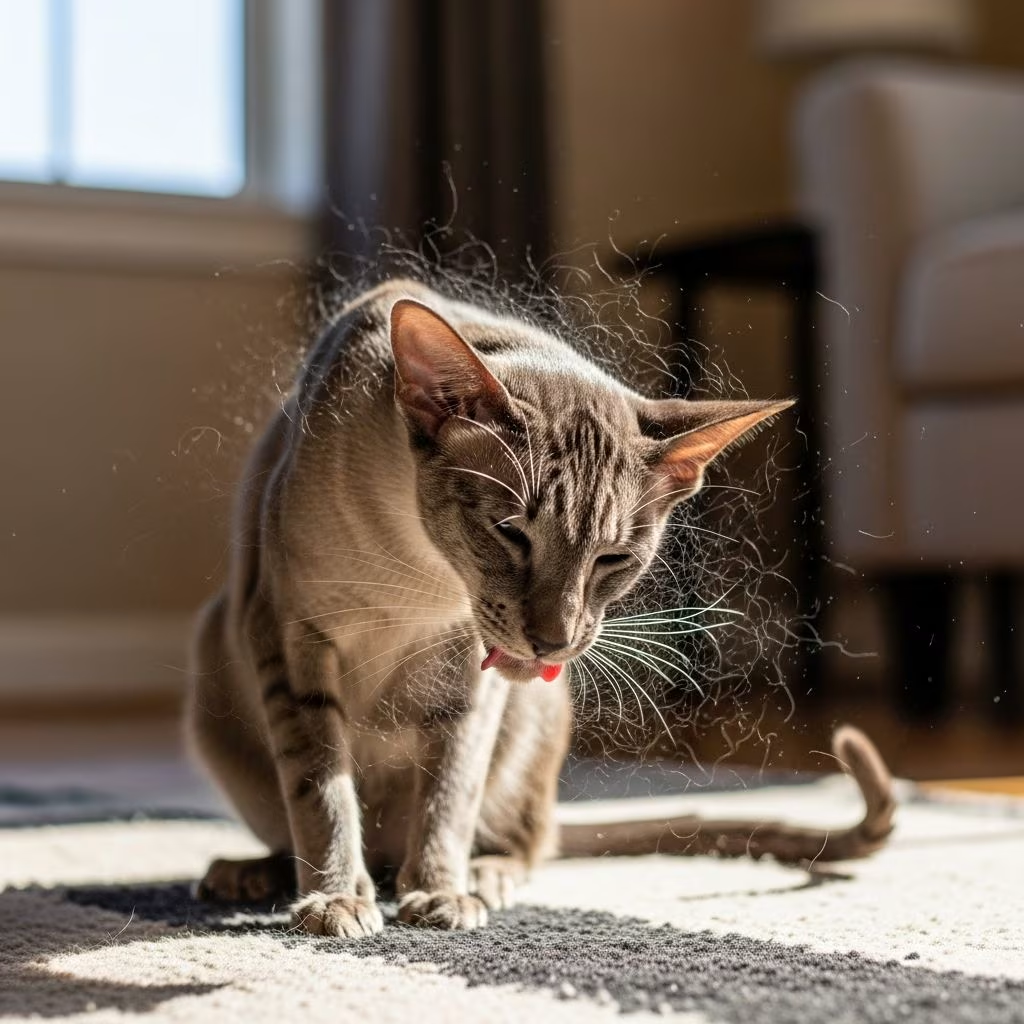
Oriental Shorthair cats feature elegant, short coats that shed far less than many other breeds, making them a top choice for those concerned about fur buildup or allergies. Their silky fur lies flat against the body, releasing minimal loose hairs with proper care.
Understanding the Unique Coat of Oriental Shorthairs
The Oriental Shorthair boasts a fine, glossy coat that feels smooth to the touch and adheres closely to their slender frames. This single-layered fur lacks an undercoat, which is a primary reason for their reduced shedding compared to double-coated breeds. Owners often notice only light seasonal increases in fur loss, typically during spring and fall transitions.
These cats maintain their coat through constant self-grooming, distributing natural oils that enhance shine and health. However, this grooming process can spread allergens if not managed, though Orientals produce notably lower levels of Fel D1, the main allergy-triggering protein found in cat saliva, dander, and urine.
Why Oriental Shorthairs Are Low Shedders
Genetics play a key role in their minimal shedding. Bred from Siamese lines, Orientals inherited a tight, low-maintenance coat designed for tropical climates, where heavy fur would be impractical. Studies and breed standards confirm their fur turnover is slower, with loose hairs easily captured during routine brushing.
- Short, single-layer coat reduces loose fur volume.
- Low Fel D1 production limits airborne allergens.
- Silky texture prevents tangles and matting.
- Seasonal shedding remains light and manageable.
Grooming Routines to Minimize Shedding
Weekly brushing with a soft rubber brush or grooming glove removes dead hairs before they scatter. Focus on the back, sides, and tail, where shedding is most visible. This practice not only cuts down on household fur but also stimulates oil production for a healthier coat.
Bathe sparingly, using cat-specific, hypoallergenic shampoos only if needed, as over-bathing strips essential oils. Wipe-downs with a damp cloth between baths suffice for spot cleaning. Tools like de-shedding gloves prove effective for these sleek-coated cats without causing irritation.
| Grooming Tool | Frequency | Benefits |
|---|---|---|
| Rubber brush | Weekly | Removes loose fur gently |
| Grooming glove | 2-3 times/week | Mimics natural grooming |
| Damp microfiber cloth | As needed | Quick oil redistribution |
| Slicker brush | Bi-weekly | Light detangling |
Diet’s Impact on Coat Quality and Shedding
A nutrient-dense diet supports optimal fur health, directly influencing shedding rates. As obligate carnivores, Oriental Shorthairs thrive on high-protein formulas with animal-based sources, aiming for at least 50% protein and 20% fats from quality meats. Omega-3 and Omega-6 fatty acids, found in fish oils, reduce inflammation and promote glossy coats.
Minimize carbohydrates to under 3%, as excess fillers can lead to dull fur and increased shedding. Wet foods provide hydration, preventing dry skin that exacerbates hair loss. Transition foods gradually over 7-10 days to avoid digestive upset, which indirectly affects coat condition.
- Prioritize animal proteins like chicken, turkey, or fish.
- Incorporate omega fatty acids for skin barrier strength.
- Ensure high moisture content for hydration.
- Avoid grain-heavy or plant-based proteins.
Health Factors Influencing Shedding Levels
Physical health directly correlates with shedding. Parasites like fleas cause itching and excessive fur loss; monthly preventatives are essential. Skin allergies or sensitivities manifest as bald patches or over-grooming, requiring veterinary allergy testing.
Mental well-being is equally vital. These social cats suffer from stress-induced shedding if isolated. Provide interactive toys, vertical spaces, and daily play sessions to combat anxiety. Routine vet check-ups catch issues early, maintaining coat integrity.
Oriental Shorthairs and Allergy Considerations
While no cat is fully hypoallergenic, Oriental Shorthairs rank high for allergy tolerance due to low Fel D1 and shedding. Their saliva carries fewer allergens, reducing airborne particles post-grooming. Combine grooming with home strategies like HEPA vacuums and air purifiers for best results.
Allergy symptoms vary; mild cases involve sneezing or itchy eyes, while severe ones include wheezing. Test exposure gradually before adoption. Individual sensitivity determines compatibility—no breed guarantees zero reactions.
Age-Related Changes in Shedding Patterns
Kittens shed minimally as their baby fur transitions around 6-12 months. Adults maintain low levels until seniority at 10+ years, when reduced grooming leads to more noticeable shedding. Increase brushing to twice weekly for seniors, and monitor for arthritis limiting self-care.
Lifespan averages 12-15 years; tailored senior diets with joint support preserve mobility and coat health.
Common Health Issues Affecting the Coat
Orientals face breed-specific risks like amyloidosis, impacting liver and kidneys, which can indirectly dull coats through systemic illness. Symptoms include weight loss and lethargy; regular bloodwork aids early detection.
- Amyloidosis: Monitor organ function annually.
- Flea allergies: Use vet-approved topicals.
- Food sensitivities: Hypoallergenic trials if shedding spikes.
- Stress-related alopecia: Enrichment and pheromone diffusers.
Environmental Tips for Fur Control
Designate pet-free zones with washable covers on furniture. Vacuum daily with pet-specific attachments, and launder bedding weekly in hot water. These cats’ high energy suits active homes; ample exercise prevents stress shedding.
Comparing Shedding Across Cat Breeds
| Breed | Shedding Level | Grooming Needs | Allergy Friendliness |
|---|---|---|---|
| Oriental Shorthair | Low | Weekly brush | High |
| Siamese | Low | Weekly | High |
| Persian | High | Daily | Low |
| Sphynx | Minimal | Baths weekly | Medium |
Frequently Asked Questions
Do Oriental Shorthair cats shed a lot?
No, they are among the lowest-shedding breeds, with short coats that release little fur.
Are they good for people with cat allergies?
Yes, lower Fel D1 and shedding make them suitable for many, though individual testing is advised.
How often should I brush an Oriental Shorthair?
Once or twice weekly keeps shedding controlled and coat healthy.
Can diet reduce my cat’s shedding?
High-protein, omega-rich foods promote better coat retention.
Do senior Oriental Shorthairs shed more?
Yes, due to less grooming; extra brushing helps.
Daily Care Checklist for Optimal Coat Health
- Brush fur 1-2 times per week.
- Feed premium protein-focused diet.
- Provide 15-20 minutes of play daily.
- Check for fleas monthly.
- Vet visit annually, biannually for seniors.
- Maintain clean litter and bedding.
References
- Do Oriental Shorthair Cats Shed? Breed Vet-Verified Facts & FAQ — Catster. 2023. https://www.catster.com/cat-health-care/do-oriental-shorthair-cats-shed/
- Do Oriental Shorthair Cats Shed? What the Science Says — Hepper. 2023. https://articles.hepper.com/do-oriental-shorthair-cats-shed/
- Oriental Shorthair Cat Breed Profile — Litter-Robot. 2024. https://www.litter-robot.com/blog/oriental-shorthair/
- The Vet’s Guide to Oriental Shorthairs — Vets Love Pets. 2024. https://vetslovepets.com.au/blogs/cat/oriental-shorthair-breed-guide
- Oriental Shorthair Cat Breed Health and Care — PetMD. 2025. https://www.petmd.com/cat/breeds/oriental-shorthair
- Oriental Breed Profile — Adopt-a-Pet. 2024. https://www.adoptapet.com/cat-breeds/oriental



