

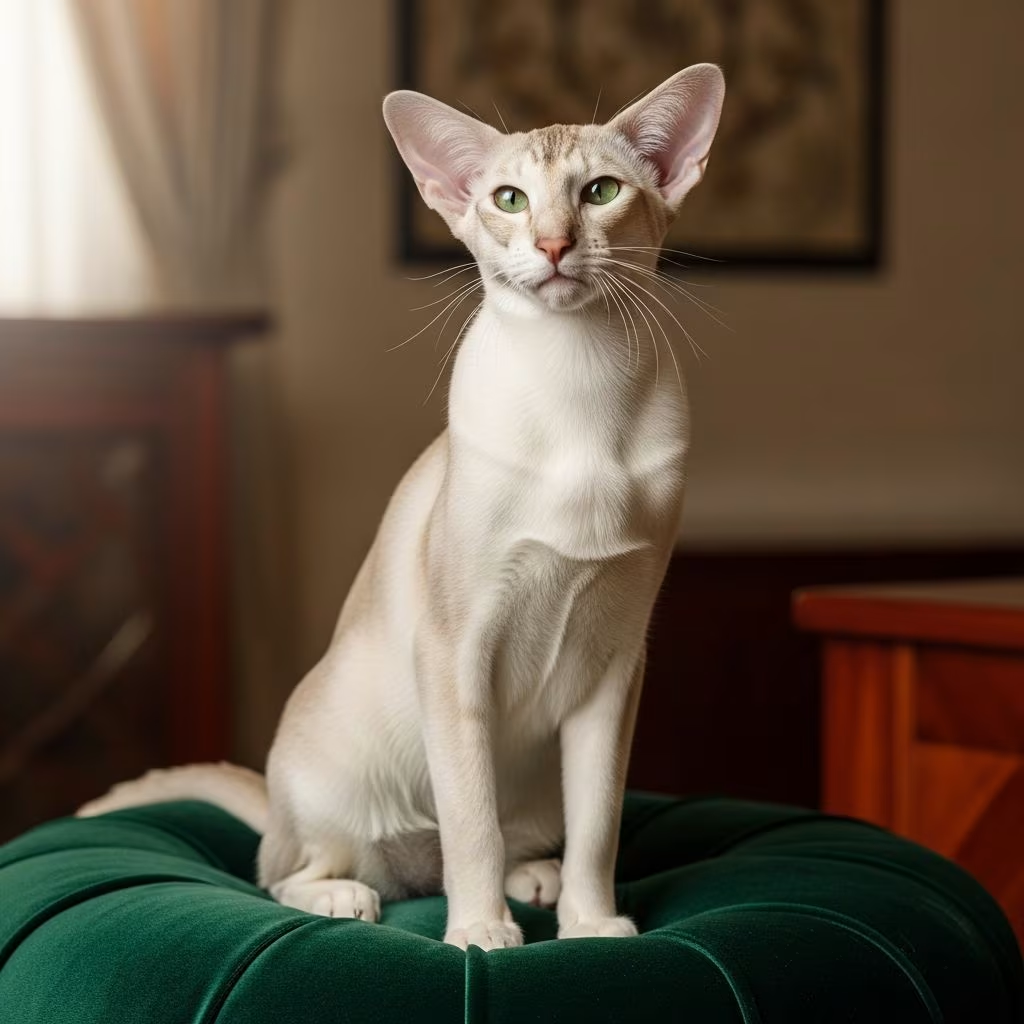
The Oriental Shorthair stands out as a captivating feline breed, renowned for its slender elegance and lively spirit. Closely related to the Siamese, this cat combines a striking appearance with a personality full of curiosity and affection, making it an excellent choice for owners who enjoy an interactive companion.
Origins and Development of the Breed
The Oriental Shorthair emerged in the mid-20th century through selective breeding efforts aimed at expanding the color palette of the Siamese cat. Breeders crossed Siamese with American Shorthairs and other breeds to produce a cat that retained the Siamese’s elegant body type but displayed a diverse array of coat colors and patterns. By the 1960s, the breed gained recognition from major cat fancier associations, evolving into a distinct line celebrated for its versatility in appearance.
Unlike the color-pointed Siamese, Orientals feature solid colors, tabbies, and even bi-colors across their coats, all while maintaining the signature almond-shaped eyes and wedge-shaped head. This development marked a significant step in feline genetics, showcasing how targeted crosses could yield athletic, healthy cats with vibrant personalities. Today, the breed includes both shorthair and longhair variants, with the longhair recognized separately since the 1990s.
Distinctive Physical Features
Oriental Shorthairs possess a lithe, muscular frame that belies their strength. Males typically weigh 8-12 pounds, while females are lighter at under 8 pounds, creating a medium-sized cat with impressive agility. Their bodies are long and slender, supported by fine-boned legs and a whip-like tail that tapers to a fine point.
The head forms a striking triangle, with large ears set wide apart that continue the wedge shape seamlessly. A straight profile and prominent nose bridge enhance their alert expression, paired with large, almond-shaped eyes usually glowing in shades of green—though white individuals may show blue, green, or odd-eyed combinations. The coat is short, glossy, and close-lying, requiring minimal maintenance while highlighting the cat’s sleek contours.
| Physical Trait | Description |
|---|---|
| Body Type | Long, slender, muscular; athletic build |
| Weight (Males) | 8-12 lbs (3.6-5.4 kg) |
| Weight (Females) | Under 8 lbs (3.6 kg) |
| Eyes | Almond-shaped, green (blue/odd in whites) |
| Ears | Large, wide-set, triangular continuation |
| Coat | Short, silky, glossy |
Coat variations are a highlight: solids like ebony, red, cream; tabbies in spotted or ticked patterns; and bi-colors with white accents on the belly, paws, and face. These options allow for personalization while preserving the breed’s exotic allure.
Personality Traits and Behavior
Oriental Shorthairs are extroverted bundles of energy, blending intelligence with unwavering affection. They crave human interaction, often shadowing their owners from room to room and engaging in lively conversations through chirps, trills, and meows. This vocal nature, akin to their Siamese ancestors, makes them natural chatterboxes who adjust their tones to match the moment.
- Highly social and loyal, they thrive on lap time and bedtime cuddles
- Playful into adulthood, excelling at fetch and interactive games
- Athletic leapers who love high perches and exploration
- Intelligent and trainable, responding well to leash walking and tricks
- Curious investigators, prone to mischief if bored
Despite their elegance, they are cuddly companions who form deep bonds but may become demanding if ignored. They prefer calm environments over chaotic ones and do best with older children who respect boundaries. Pairs or groups suit them well, reducing separation anxiety.
Ideal Living Environments
These cats flourish in homes offering ample vertical space, like cat trees and shelves, to satisfy their climbing instincts. Interactive toys and puzzle feeders prevent boredom, channeling their high energy into positive outlets. They adapt to apartments if provided enrichment but benefit from secure outdoor access.
Not suited for constant solitude, they need owners committed to daily play—aim for 30-60 minutes of sessions mimicking hunts. Gentle handling from kittenhood ensures they remain sensitive souls who dislike rough play.
Grooming and Everyday Maintenance
The low-maintenance coat benefits from weekly brushing, which doubles as bonding time. Check ears regularly for wax buildup due to their size, and trim nails bi-weekly. Dental care is crucial; provide brushing and dental treats to combat potential issues.
Bathe rarely, as they self-groom efficiently. A litter box per cat plus one extra keeps harmony, with scooped daily.
Nutrition and Weight Management
Orientals are prone to weight gain despite slim looks, developing pot bellies quickly. Feed high-quality, portion-controlled meals suited to their activity level—typically 200-300 calories daily, split into meals. Monitor for obesity, adjusting as they age.
- Prioritize protein-rich kibble or wet food
- Avoid free-feeding to prevent overeating
- Incorporate lean treats during training
Health Considerations and Lifespan
With proper care, Orientals live 12-15 years. Common concerns include dental disease, urinary issues, and inherited conditions like amyloidosis or heart murmurs—regular vet check-ups catch these early. As Siamese hybrids, they may face hyperesthesia syndrome or crossed eyes, but reputable breeders screen for health.
Vaccinations, flea prevention, and spaying/neutering are essential. Their athleticism demands monitoring for injuries from leaps.
Bringing an Oriental Shorthair Home
Adopt from CFA-registered breeders who health-test parents, or rescues specializing in Orientals. Kittens cost $800-$2000, reflecting quality. Prepare with scratching posts, toys, and a quiet introduction space.
Socialize early for confidence. They mesh with calm dogs or cats but test compatibility.
Training Techniques for Success
Leverage their smarts for litter training, recall, and leash manners using positive reinforcement. Clicker training excels for tricks like high-fives.
- Start sessions short (5-10 mins)
- Use high-value rewards
- Practice consistency daily
Frequently Asked Questions (FAQs)
Are Oriental Shorthairs good with kids?
Best with older, gentle children; their sensitivity suits respectful interactions.
How vocal are they?
Very—expect daily chats and opinionated meows.
Do they shed much?
Minimally; weekly brushing suffices.
Can they live alone?
Prefer company; pairs reduce stress.
What colors are available?
Solids, tabbies, bi-colors, points—over 300 varieties.
References
- Cat advice for Oriental Shorthairs | Petplan — Petplan. 2023. https://www.petplan.co.uk/cat-insurance/cat-breeds/oriental-shorthair.html
- Oriental Shorthair – Wikipedia — Wikipedia contributors. 2024-01-15. https://en.wikipedia.org/wiki/Oriental_Shorthair
- Oriental Cat Breed -Temperament, Personality and Characteristics — Hill’s Pet. 2023. https://www.hillspet.com/cat-care/cat-breeds/oriental
- Oriental Short Hair Cat Breed Information | Purina UK — Purina. 2023. https://www.purina.co.uk/find-a-pet/cat-breeds/oriental-short-hair
- Oriental Shorthair Cat Breed Health and Care – PetMD — PetMD. 2024. https://www.petmd.com/cat/breeds/oriental-shorthair
- 12 Fun Facts About Oriental Shorthair Cats – YouTube — YouTube. 2023. https://www.youtube.com/watch?v=gtP9qQeFAyI



