

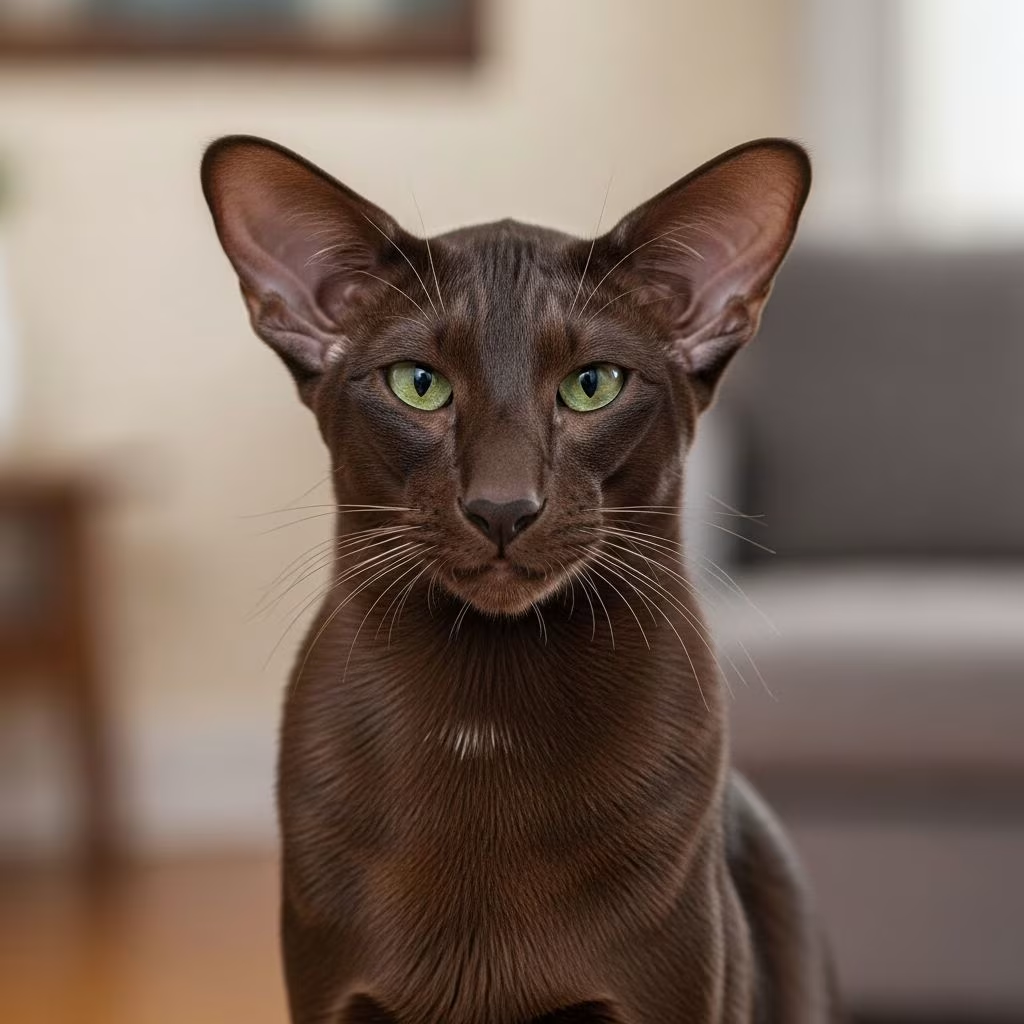
The Oriental Shorthair stands out as a captivating domestic cat breed, celebrated for its sleek physique, expressive green eyes, and lively demeanor. Closely related to the Siamese, this breed offers a rainbow of coat colors while retaining the signature elegance and chatterbox nature of its ancestors.
Origins and Development of the Breed
The Oriental Shorthair emerged in the mid-20th century through deliberate breeding efforts aimed at expanding the Siamese cat’s color palette. Breeders crossed Siamese cats with American Shorthairs and other breeds to produce non-pointed coats in solid hues, tabby patterns, and more, while preserving the distinctive body type. By the 1970s, major cat registries like the Cat Fanciers’ Association (CFA) began recognizing the breed, solidifying its place in the feline world.
Unlike the color-pointed Siamese, Orientals display their hues evenly across the body, from rich reds and creams to deep ebony and subtle fawns. This versatility in appearance quickly gained popularity, leading to the breed’s establishment as a staple in competitive cat shows and loving homes alike. The longhaired variant, known as the Oriental Longhair, appeared later, adding plush coats to the family without altering the core traits.
Distinctive Physical Features
Oriental Shorthairs boast a striking, elongated silhouette that exudes grace and power. Their bodies are long, slender, and muscular, supported by fine-boned legs that enable impressive leaps and agile movements. The head forms a sleek triangle with a straight profile, large ears positioned like radar dishes, and almond-shaped eyes that sparkle with intelligence—typically in vivid green, though whites may show blue, green, or odd-colored pairs.
The coat is a hallmark: short, glossy, and lying flat against the skin, requiring minimal upkeep while highlighting the cat’s lithe form. Males average 8-12 pounds, females slightly less, making them medium-sized yet surprisingly hefty due to dense muscle.
| Feature | Description |
|---|---|
| Body Type | Long, slender, muscular with whip-like tail |
| Head | Triangular wedge, straight nose |
| Ears | Large, wide-set, pointed |
| Eyes | Almond-shaped, green (blue/odd in whites) |
| Coat | Short, silky, single-layered |
| Weight | Males: 8-12 lbs; Females: under 8 lbs |
Coat patterns vary widely: solids like ebony or cream must be uniform from root to tip; tabbies feature bold markings; bicolors add white accents on the belly, paws, and face. This diversity allows owners to select a unique companion that fits their aesthetic preferences.
Personality Traits and Daily Behavior
Renowned for their extroverted nature, Oriental Shorthairs crave human interaction and often follow owners room-to-room, engaging in animated “conversations” with chirps, trills, and meows. Their vocal prowess, akin to Siamese relatives, makes them poor choices for quiet households but ideal for those seeking a chatty companion.
Highly intelligent and playful well into adulthood, they excel at fetch, puzzle toys, and even leash training. Despite their slim build, they possess athletic prowess, scaling high perches and exploring tirelessly. Affectionate to a fault, they snuggle on laps, share beds, and bond deeply, though they may become demanding if ignored.
- Sociable and loyal, thriving in multi-pet homes or with attentive families
- Curious explorers who need enrichment to curb mischief
- Sensitive to rough handling, best suited for older children or gentle households
- High energy levels demand daily play sessions
Health Considerations and Lifespan
Oriental Shorthairs typically enjoy a lifespan of 12-15 years with proper care, though they share some Siamese-linked vulnerabilities. Common issues include hypertrophic cardiomyopathy (HCM), a heart condition monitored via screening; dental disease due to their slender jaws; and occasional amyloidosis.
Obesity sneaks up quickly on these slim-framed cats, as even minor overeating leads to visible potbellies—strict portion control is essential. Regular vet checkups, including dental cleanings, support their vitality. The breed’s activity helps mitigate risks, but early spaying/neutering aids overall health.
Grooming and Maintenance Routines
Low-maintenance coats benefit from weekly brushing to distribute oils and foster bonding, as Orientals associate grooming with affection. Baths are rare, but nail trims every 10-14 days, ear checks, and dental brushing prevent issues.
Provide vertical spaces like cat trees for their love of heights, alongside interactive toys for mental stimulation. A high-quality diet tailored to their lean build maintains muscle tone without excess fat.
Ideal Living Environments
These cats flourish in engaged homes with owners who offer ample playtime and companionship, disliking solitude. Apartments suit them if enriched with climbing structures and puzzle feeders; larger spaces with safe outdoor access enhance their adventures.
They integrate well with calm dogs or fellow cats but may overwhelm toddlers due to sensitivity. A quiet, stable routine prevents stress-induced behaviors.
Nutrition and Feeding Guidelines
Feed premium, protein-rich kibble or wet food portioned to prevent weight gain—about 1/4 to 1/2 cup dry food daily for adults, split into meals. Monitor for overeating cues, adjusting for activity levels. Fresh water and occasional treats keep them satisfied without spoiling their figures.
Training and Enrichment Strategies
Leverage their smarts for litter training, harness walking, and tricks like high-fives. Rotate toys, hide treats, and teach commands to channel energy positively, reducing destructive tendencies.
Frequently Asked Questions
Are Oriental Shorthairs good for first-time owners?
Yes, with commitment to their social needs; they reward interactive owners with loyalty but demand attention.
Do they get along with other pets?
Often yes, especially in pairs, as they prefer company.
How vocal are they really?
Very—expect daily chats, meows, and honks.
What’s the difference from Siamese?
Coat colors: Orientals have even distribution, not points; similar temperament.
Do they shed much?
Minimally, thanks to short, fine fur.
Bringing Home Your Oriental Shorthair
Adopt from reputable breeders who health-test parents or shelters with purebreds. Prepare with scratching posts, toys, and a quiet introduction space. Their vibrant energy transforms homes into lively havens.
References
- Cat advice for Oriental Shorthairs | Petplan — Petplan. 2023. https://www.petplan.co.uk/cat-insurance/cat-breeds/oriental-shorthair.html
- Oriental Shorthair – Wikipedia — Wikipedia Contributors. 2024-01-15. https://en.wikipedia.org/wiki/Oriental_Shorthair
- Oriental Cat Breed -Temperament, Personality and Characteristics — Hill’s Pet. 2023. https://www.hillspet.com/cat-care/cat-breeds/oriental
- Oriental Short Hair Cat Breed Information | Purina UK — Purina. 2024. https://www.purina.co.uk/find-a-pet/cat-breeds/oriental-short-hair
- Oriental Shorthair Cat Breed Health and Care – PetMD — PetMD. 2024-01-10. https://www.petmd.com/cat/breeds/oriental-shorthair
- 12 Fun Facts About Oriental Shorthair Cats – YouTube — YouTube. 2023-05-20. https://www.youtube.com/watch?v=gtP9qQeFAyI



