

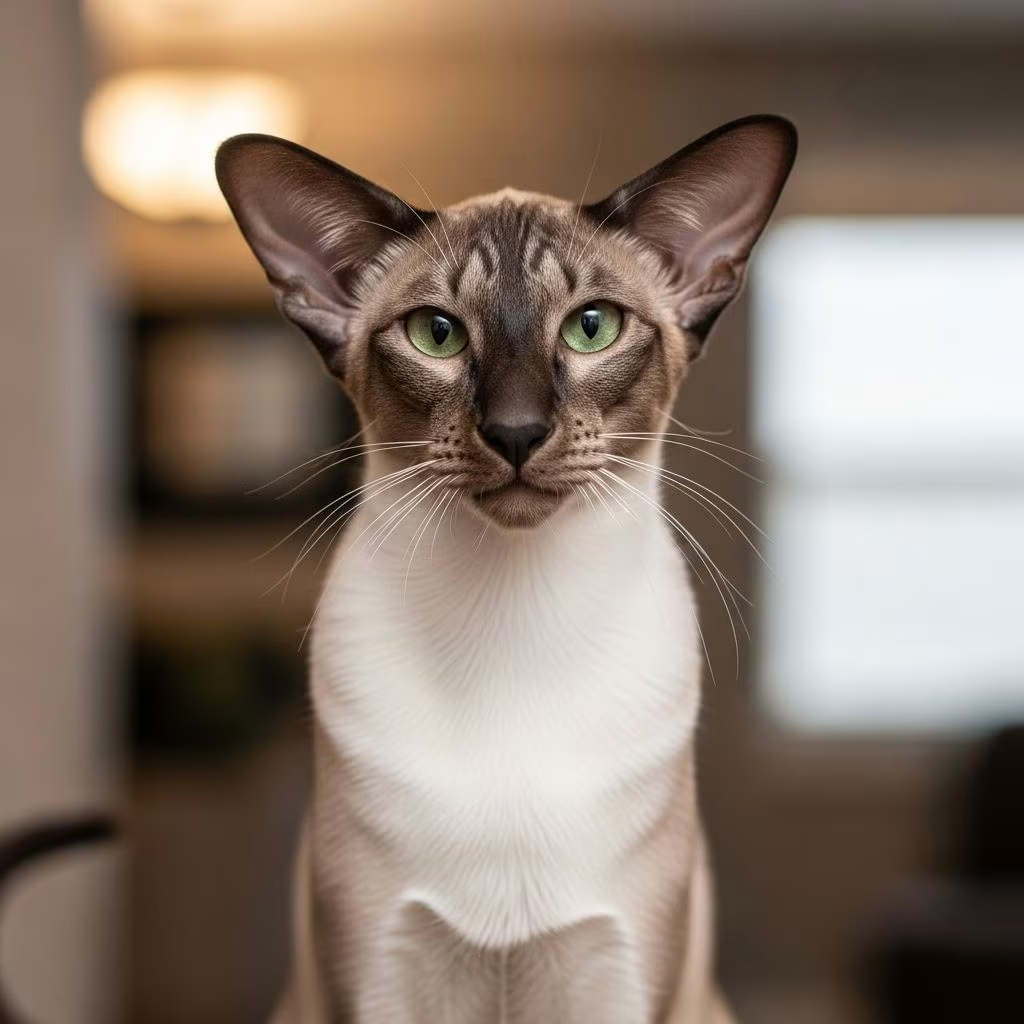
Oriental Shorthair Cat Breed Overview
The Oriental Shorthair is a distinctive and captivating feline breed that has gained popularity among cat enthusiasts worldwide. These elegant cats are closely related to the Siamese breed, inheriting many of their distinctive characteristics while offering their own unique appeal. Oriental Shorthairs are renowned for their striking appearance, exceptional intelligence, and deeply affectionate nature. They make wonderful companions for individuals and families seeking an interactive, devoted pet that thrives on human interaction and mental stimulation.
Developed from Siamese cats, Oriental Shorthairs maintain the modern Siamese head and body type while distinguishing themselves through an impressive array of coat colors and patterns. This breed represents a perfect blend of elegance, athleticism, and personality, making them an excellent choice for cat lovers who appreciate both beauty and behavioral engagement.
Physical Characteristics and Appearance
Oriental Shorthairs are instantly recognizable by their sleek, sophisticated silhouette and distinctive facial features. These medium-sized cats possess a long, slender, and muscular body that conveys both grace and athletic prowess. Their most striking physical attributes include their large, triangular ears set wide apart on their heads and their almond-shaped, intelligent eyes that seem to observe everything around them.
Size and Build
Oriental Shorthairs are classified as medium-sized cats, though their lean frame often makes them appear smaller than they actually are. Males typically weigh between 3.6 and 5.4 kilograms (8-12 pounds), with females usually on the lighter end of the spectrum. Despite their slender appearance, these cats possess surprising muscle tone and are considerably heavier when picked up than their delicate appearance would suggest. Their bodies are characterized by a long, tubular shape that remains relatively even in width from shoulders to hips, creating their distinctive elegant profile.
Distinctive Features
The Oriental Shorthair’s head is distinctly wedge-shaped with a long, straight profile and a strong chin. Their large, flaring ears set high and wide apart on their heads are among their most recognizable features. The breed typically has bright green eyes, though white Orientals may have blue, green, or odd-colored eyes, while pointed Orientals display blue eyes. Their long, slender legs are proportional to their body, with hind legs characteristically higher than front legs. The tail is notably long, thin at the base, and tapers to a fine point, contributing to their overall graceful appearance.
Coat Characteristics
One of the Oriental Shorthair’s defining features is their short, fine-textured coat that lies close to the body. The coat is glossy or satin-like in appearance, enhancing their elegant lines and showcasing their athletic build. Unlike some short-haired breeds, the Oriental’s coat has minimal undercoat, contributing to its sleek appearance. The breed comes in an extraordinary variety of colors and patterns, including solid colors, tabbies, torties, torbies, smokes, silvers, and parti-colors. With over 281 recognized color variations, each can appear in either Shorthair or Longhair versions, providing remarkable diversity within the breed.
Temperament and Personality
Oriental Shorthairs are celebrated for their lively, affectionate, and highly social temperament. These cats possess strong and distinctive personalities that make them exceptional companions for the right household. They are often described as “dog-like” in their loyalty, devotion, and desire for constant companionship with their human family members.
Social Behavior
These cats are extremely social creatures that thrive on attention and interaction. Oriental Shorthairs actively seek engagement with their human family members and enjoy being the center of attention. They are known for their tendency to follow family members around throughout the day, wanting to be involved in all household activities. Many owners describe them as “helpful” companions that like to supervise and participate in what their humans are doing. Oriental Shorthairs bond closely with their families and display genuine affection toward people of all ages, including children, cat-friendly dogs, and other cats.
Communication and Vocalization
Oriental Shorthairs are highly vocal cats with a lot to say. They are natural conversationalists and enjoy communicating with their owners through various vocalizations. This talkative nature is inherited from their Siamese ancestry and makes them interactive and engaging family members. They often engage in “conversations” with their humans, responding to speech and expressing their needs and desires through meowing and chirping.
Playfulness and Intelligence
These cats are remarkably intelligent and quick learners that retain their playful, kitten-like behavior well into adulthood. Many Oriental Shorthairs enjoy playing fetch, returning their favorite toys repeatedly to their owners. Others can amuse themselves for hours with simple items like empty cardboard boxes. They excel at interactive games and mental challenges, and many compete successfully in feline agility sports. Their high level of intelligence combined with curiosity means that no cupboard or high shelf is safe from these inquisitive climbers and jumpers.
Living Arrangements
Oriental Shorthairs do not fare well as solitary cats. They strongly prefer to live in pairs, groups, or in households with multiple cats. They thrive in active, stimulating environments with plenty of commotion and interaction. These cats love attention and are particularly fond of warm places, often seeking out their owners’ laps during the day and snuggling under bed covers at night. They readily adapt to multi-pet households with cat-friendly dogs and other felines, and they are generally excellent with children who treat them with respect.
Health and Wellness Considerations
Like all cat breeds, Oriental Shorthairs have specific health considerations that potential owners should understand. While generally healthy and robust, this breed can be prone to certain inherited conditions that responsible breeders work to minimize through selective breeding practices.
Common Health Issues
Oriental Shorthairs may be susceptible to various health conditions including heart disease, progressive retinal atrophy, liver amyloidosis, and other breed-specific concerns. Prospective owners should obtain health clearances from reputable breeders and maintain regular veterinary check-ups throughout their cat’s life. Early detection of potential health issues significantly improves outcomes and quality of life.
Regular Veterinary Care
Annual wellness examinations are essential for Oriental Shorthairs to monitor their health and catch any emerging issues early. Vaccinations, parasite prevention, dental care, and nutritional assessment should be part of their routine health maintenance. Due to their active nature and intelligence, providing appropriate mental and physical stimulation helps maintain their overall wellness and prevents behavioral problems related to boredom or stress.
Care Requirements and Grooming
Caring for an Oriental Shorthair involves meeting their high physical and mental activity needs while maintaining their coat and overall health.
Exercise and Enrichment Needs
Oriental Shorthairs require substantial daily exercise and mental stimulation to remain happy and healthy. These active, athletic cats need interactive play sessions, cat trees, climbing structures, and challenging toys that engage their intelligent minds. Interactive games, puzzle feeders, fetch games, and even leash training can provide necessary enrichment. They benefit significantly from extensive outdoor space, either through supervised outdoor time or secure outdoor enclosures that allow them to safely explore and exercise.
Grooming and Maintenance
The Oriental Shorthair’s short coat is relatively low-maintenance, requiring grooming approximately once per week to remove loose hair and maintain a healthy shine. Regular brushing helps minimize shedding and keeps their coat in optimal condition. In addition to coat care, routine nail trimming, ear cleaning, and dental care are important components of their grooming regimen. These cats should be provided with scratching posts and pads to maintain healthy claws and satisfy their natural scratching instincts.
Environmental Considerations
These cats need a calm, quiet environment balanced with appropriate stimulation and social interaction. They thrive in homes where they receive consistent attention and engagement. A chaotic household with insufficient mental enrichment or inadequate social interaction may lead to behavioral issues. Providing window perches for bird-watching, window boxes for outdoor observation, and quiet retreat spaces helps create an enriching environment that supports their well-being.
Ideal Owner Profile and Living Situations
Oriental Shorthairs are best suited for experienced cat owners who understand their unique needs and can provide appropriate care. These cats require dedicated owners willing to invest time in play, training, and interaction. They are not ideal for households where they would spend extensive periods alone or where their needs for stimulation and companionship cannot be consistently met.
Due to their social nature and high activity requirements, Oriental Shorthairs thrive in:
- Active households with multiple family members or other pets
- Homes where owners can dedicate significant time to interactive play and engagement
- Environments providing extensive space for climbing, jumping, and exploration
- Households with other cats or cat-friendly dogs for companionship
- Families with older children who can appropriately interact with these interactive cats
These cats may not be suitable for:
- Owners who spend extended periods away from home
- Households unable to provide adequate environmental enrichment
- Situations requiring a low-energy or independent cat
- Families unable to handle a highly vocal, interactive pet
Training and Behavioral Characteristics
Oriental Shorthairs are highly intelligent and receptive to training, though they retain an independent streak common to cats. These cats can be trained to walk on a leash, learn commands, and even participate in agility competitions. However, their intelligence means they have their own preferences and will not necessarily comply with all training attempts. Positive reinforcement methods, treat rewards, and interactive play-based training work best with this breed.
These cats enjoy being involved in household activities and often learn to use toilets, operate interactive puzzles, and perform tricks. Their quick learning ability makes them excellent candidates for clicker training and interactive play sessions that provide mental stimulation alongside physical exercise.
Breeding and Color Variations
One remarkable aspect of the Oriental Shorthair breed is the extraordinary range of recognized colors and patterns. With over 281 different color combinations recognized by various cat associations, Oriental Shorthairs offer unprecedented variety within a single breed. These colors include solid colors, various tabby patterns, tortoiseshell and calico patterns, smokes, silvers, and parti-colors. Each color can appear in either the Shorthair or Longhair division, further expanding the visual diversity available to prospective owners.
Comparison with Related Breeds
The Oriental Shorthair’s closest relatives include the Siamese and Oriental Longhair breeds. All three breeds share similar temperaments, intelligence levels, and social needs. The primary distinction among these breeds lies in coat length and color range. The Siamese typically displays color-point patterns with blue eyes, while Oriental Shorthairs appear in numerous solid and pattern colors with varied eye colors. The Oriental Longhair differs only in having a medium-length, fine coat rather than a short one.
Frequently Asked Questions
Q: Are Oriental Shorthairs good pets for first-time cat owners?
A: Oriental Shorthairs are better suited for experienced cat owners who understand their high needs for interaction, stimulation, and companionship. Their demanding nature and social requirements make them challenging for first-time cat owners seeking a low-maintenance pet.
Q: How long do Oriental Shorthairs live?
A: With proper care, nutrition, and regular veterinary attention, Oriental Shorthairs typically live 12-15 years or longer, with some individuals reaching their late teens.
Q: Can Oriental Shorthairs be left alone for extended periods?
A: No, Oriental Shorthairs do not do well when left alone for extended periods. They can typically be left for a few hours but thrive when they have regular interaction and companionship throughout the day.
Q: Are Oriental Shorthairs hypoallergenic?
A: While no cat breed is truly hypoallergenic, Oriental Shorthairs with their short coat and minimal undercoat may produce fewer allergens than some other breeds. Individuals with cat allergies should spend time with the breed before committing to ownership.
Q: Do Oriental Shorthairs require special dietary considerations?
A: Oriental Shorthairs benefit from high-quality, protein-rich diets appropriate for their active lifestyle. Some individuals may have specific dietary sensitivities, which should be discussed with a veterinarian.
Q: What is the difference between Oriental Shorthairs and Siamese cats?
A: While closely related, Siamese cats typically display color-point patterns and blue eyes, while Oriental Shorthairs come in numerous colors and patterns with varied eye colors. Both breeds share similar temperaments and social needs.
References
- The International Cat Association (TICA) — Oriental Shorthair Breed Standard. TICA. 2024. https://tica.org/breed/oriental-shorthair/
- The Cat Fanciers’ Association (CFA) — Oriental Breed Standard. CFA. 2024. https://cfa.org/breed/oriental/
- Oriental Shorthair Breed Characteristics and Care Guide. Purina UK. 2024. https://www.purina.co.uk/find-a-pet/cat-breeds/oriental-short-hair
- Oriental Shorthair: Physical and Behavioral Traits. Hill’s Pet Nutrition. 2024. https://www.hillspet.com/cat-care/cat-breeds/oriental
- Oriental Shorthair Comprehensive Breed Guide: Facts, Care, and Training. Vets Love Pets. 2024. https://vetslovepets.com.au/blogs/cat/oriental-shorthair-breed-guide



