

How to Finally Organize All of Your Pet’s Stuff Once and For All
Pet parents face a unique challenge when it comes to home organization. Between toys, food, treats, grooming supplies, medications, and accessories, it’s easy for pet belongings to take over your home and create clutter. The good news is that with the right strategies and expert guidance, you can create an organized system that keeps everything in its place while maintaining a harmonious living environment for both you and your furry companion.
Professional organizers and pet experts agree that the key to successful pet organization lies in taking inventory, categorizing items, and designating specific storage spaces. By implementing a thoughtful organizational system, you’ll not only save time searching for items at feeding time or during grooming sessions, but you’ll also extend the shelf life of pet food, reduce waste, and create a more pleasant living space.
Start With a Complete Inventory
Before you can organize your pet’s belongings, you need to know exactly what you have. Take time to gather everything your pet owns and create a comprehensive list. This inventory should include:
- Food and treats
- Toys and play equipment
- Grooming supplies and tools
- Medications and health-related items
- Bedding and furniture
- Collars, leashes, and carriers
- Cleaning supplies for accidents or litter maintenance
- Travel gear and accessories
Creating an inventory helps you understand the full scope of what needs to be stored and prevents you from purchasing duplicate items you may have forgotten about. It also gives you a clear picture of what your pet actually uses versus what’s just taking up space.
Declutter Using the KonMari Method for Pets
Just as professional organizers help humans declutter their lives, the same principles apply to pet belongings. The KonMari Method, adapted for pets, focuses on keeping only items that bring your pet joy or serve a true purpose. Before you organize anything, go through each category and honestly assess whether each item is something your pet enjoys or genuinely needs.
Ask yourself questions like: Does my cat actually play with this toy, or does it just sit in a basket? Does my dog wear this sweater, or would he prefer to stay in his natural coat? By removing items that aren’t serving your pet, you’ll dramatically reduce the amount of storage space needed and make your organizational system much more manageable.
Consider creating a sentimental box for items that hold special memories but aren’t regularly used. This allows you to honor those cherished moments while keeping your active storage areas clean and functional.
Organize Pet Food Properly and Safely
Pet food storage is one of the most critical aspects of pet organization. Improper storage can lead to food spoilage, contamination, and wasted money. Here’s how to organize pet food like a pro:
Use Airtight Containers
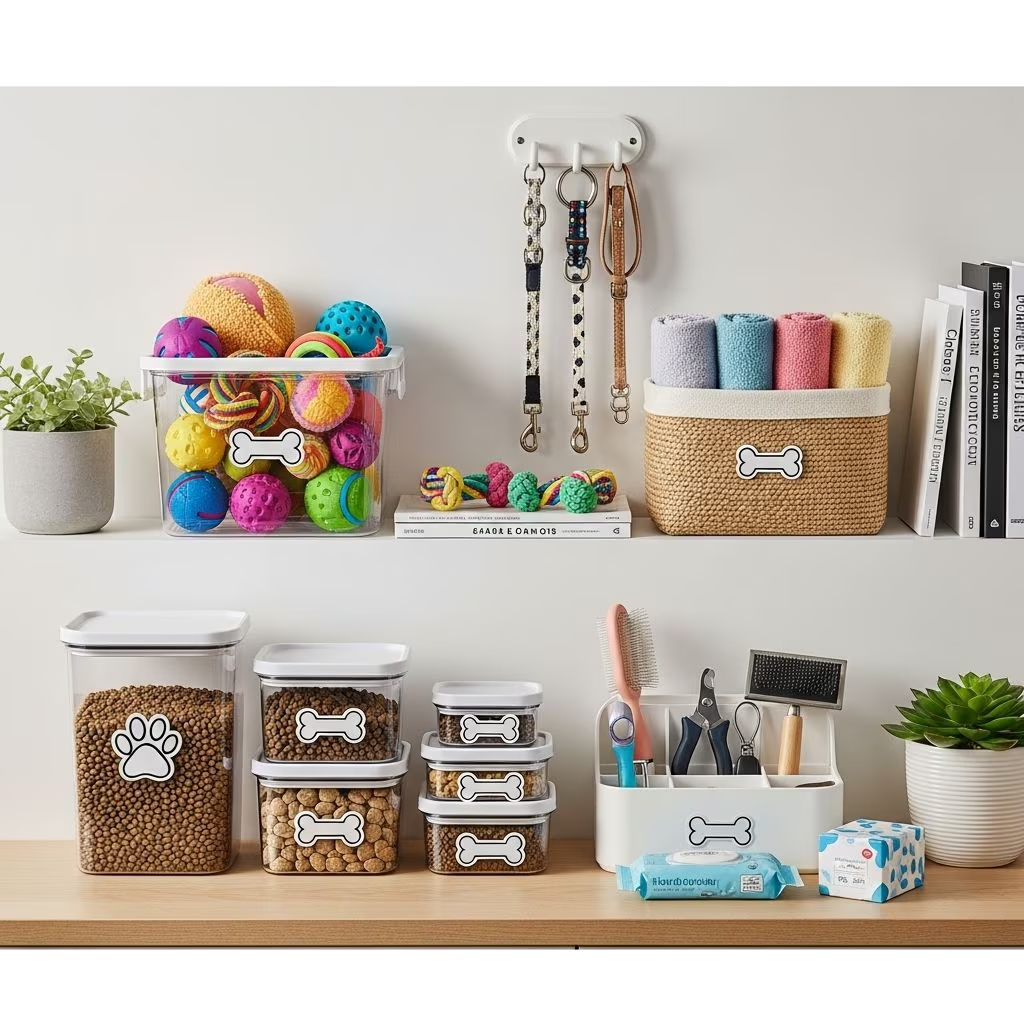
Transfer dry pet food from bags into airtight containers to keep food fresh longer and prevent pest infestations. Cylinder-shaped canisters work particularly well for households with multiple pets, as they create a clean, modern look when displayed side by side. Each container can typically hold up to four pounds of food.
Label Everything Clearly
If you have multiple pets or multiple types of food for the same pet, label each container with clear, legible text indicating what’s inside. This prevents costly and potentially dangerous mistakes like feeding cat food to your dog or vice versa. Include the type of food and, if applicable, the expiration date.
Maintain Cleanliness
Before refilling food containers, wash them thoroughly with soap and water or white vinegar. If your containers are dishwasher-safe, run them through the dishwasher for a deep clean. Ensure containers are completely dry before adding fresh food, as any residual moisture can encourage mold growth and contamination.
Store in the Right Location
Keep pet food in a cool, dry place away from direct sunlight. A pantry, kitchen cabinet, or designated shelf works well. Avoid storing food near extreme temperatures or humidity, which can compromise nutritional quality.
Create Designated Zones for Different Pet Items
Rather than scattering pet supplies throughout your home, designate specific zones for different categories of items. This approach makes it easier to find what you need and keeps your home organized.
Pantry or Kitchen Zone
Store all food-related items in your pantry or a dedicated kitchen cabinet. This includes dry food, wet food, treats, feeding bowls, and feeding mats. Keeping everything in one location makes meal preparation quick and efficient.
Laundry Room or Mudroom Zone
Designate your laundry room or mudroom for grooming supplies, outdoor cleanup items, old towels, accident pads, and leashes. This location makes sense because it’s where you’ll likely wash grooming tools, clean up after accidents, and prepare for outdoor activities.
Bedroom or Quiet Space Zone
Create a cozy sleeping area for your pet with their bedding, favorite toys, and a comfortable place to rest. Cats especially appreciate quiet zones where they can retreat and decompress.
Bathroom or Utility Zone
Store medications, first aid supplies, and health-related items in a bathroom cabinet or utility closet. Keep these items in a cool, dry place away from children and other pets.
Manage Pet Toys Strategically
Pet toys can multiply quickly and become one of the biggest sources of clutter in a home with pets. Implement these strategies to keep toys organized and accessible:
- Use clear storage bins or baskets to store toys so you can see what you have at a glance
- Consider a storage bench that doubles as an ottoman for dual functionality
- Keep toys rotated—store some away and rotate them every few weeks to keep your pet’s interest fresh
- For cats specifically, use covered boxes that also serve as playtime enrichment
- Designate a toy area in communal living spaces where your pet spends time with the family
Organize toys by type: interactive toys, balls, feather toys, catnip toys, and puzzle toys. This makes it easier to find the right toy for your pet’s current mood or play style.
Litter Box Organization and Odor Control
For cat owners, litter box organization requires special consideration due to odor and mess concerns. Follow these expert recommendations:
Use the Litter Box Formula
Professional pet behaviorists recommend having one litter box per cat, plus one additional box. This formula minimizes territorial issues and abnormal bathroom behaviors. If you have two cats, have three litter boxes; if you have three cats, have four boxes.
Find the Right Location
Place litter boxes in out-of-the-way locations, separate from your cat’s eating and sleeping areas. Basements, laundry rooms, or utility closets work well. The litter box area should be easily accessible to your cat but removed from high-traffic family areas.
Explore Covered Solutions
Consider covered litter boxes, self-cleaning models, or even window-mounted cat apartments that extend outside your home. These solutions reduce odor and litter tracking throughout your house while preserving valuable floor space inside.
Keep Cleaning Supplies Handy
Store a small vacuum or broom near the litter box area to quickly sweep up tracked litter. Keep enzymatic cleaners nearby for quick accident cleanup and odor neutralization.
Organize Pet Travel Gear
If you travel with your pet, designate a specific location for all travel-related items. This might include:
- Pet carriers and crates
- Car seat boosters or safety harnesses
- Travel blankets and protective seat covers
- Portable water bowls and food containers
- First aid kits for travel
- Travel documents and vaccination records
Store all travel gear on a garage shelf or in a closed bin to protect items from dust and dirt. Having everything in one location means you can grab everything you need when it’s time for a trip with your furry friend.
Create a Pet Supply Storage System
A well-organized storage system keeps pet supplies visible, accessible, and easy to restock. Consider these storage solutions:
| Item Category | Best Storage Container | Ideal Location |
|---|---|---|
| Dry Food | Airtight canisters | Pantry or kitchen cabinet |
| Treats | Small bins or jars | Kitchen drawer or cabinet |
| Toys | Covered bins or baskets | Living room or bedroom |
| Grooming Supplies | Clear organizer drawers | Laundry room or bathroom |
| Medications | Small labeled containers | Bathroom medicine cabinet |
| Cleaning Supplies | Under-sink organizers | Laundry room or utility closet |
Label and Track Your Pet’s Items
Labeling is essential for maintaining an organized pet supply system, especially in households with multiple people caring for the pet. Use clear, waterproof labels that include:
- Item name and contents
- Pet’s name (if you have multiple pets)
- Expiration date for food and medications
- Special instructions for use
Consider maintaining a simple spreadsheet or notebook tracking your pet’s supplies, including when items need to be restocked and the pet’s dietary or medical needs. This helps ensure you never run out of essential items and simplifies shopping trips.
Implement Regular Maintenance
An organized pet supply system only stays organized with regular maintenance. Schedule monthly reviews to:
- Check expiration dates on food and medications
- Remove toys your pet no longer uses
- Wipe down storage containers
- Restock supplies as needed
- Reorganize as your pet’s needs change
Frequently Asked Questions
How often should I clean pet food storage containers?
Clean pet food containers thoroughly before each refill. This typically means once every two to four weeks, depending on how quickly you go through food. Regular cleaning prevents mold growth and contamination.
What’s the best storage solution for a small apartment with pets?
In smaller spaces, use vertical storage solutions like wall-mounted shelves and over-door organizers. Store items under beds, in ottomans with hidden storage, or in decorative baskets that complement your décor while keeping supplies organized.
Should I keep all my pet’s toys out at once?
No. Rotate toys to keep your pet engaged and entertained. Store about one-third of toys out and rotate them every few weeks. This reduces clutter and maintains your pet’s interest in their playthings.
How do I prevent my cat from tracking litter throughout the house?
Place the litter box on a washable mat designed to catch litter. Keep a small vacuum handy for quick cleanups. Consider covered litter boxes or boxes with built-in tracking prevention features.
What should I do with pet items I no longer use?
Donate gently used pet items to local animal shelters, rescue organizations, or pet food banks. Sell items in good condition through online marketplaces. This keeps items out of landfills while helping other pet owners and animals in need.
References
- How to Prepare Your Home for a Kitty: 14 Tips From the Pros — Purrniture. 2024. https://www.purrniture.com/blog/prepare-for-kitty
- Top Tips for Home Organization With Pets — Just Organized. 2024. https://justorganized.org/top-tips-for-home-organization-with-pets/
- Declutter Your Pet’s Space for More Comfort — The Uncluttered Life. 2024. https://www.theunclutteredlife.com/blog/how-should-i-declutter-my-pets-belongings
- Bringing Home a Kitty? 14 Expert Tips to Prepare Your Home — Cat Buddy. 2021. https://catbuddy.com/2021/07/21/bringing-home-a-kitty-14-expert-tips-to-prepare-your-home/
- Organizing for Your Cat Creates Harmony in the Home — Martha Stewart. 2014. https://www.youtube.com/watch?v=ieK2_Pm_tE8
- Cats Are People Too — Life, Creatively Organized. 2024. https://www.lifecreativelyorganized.com/cats-are-people-too/



