

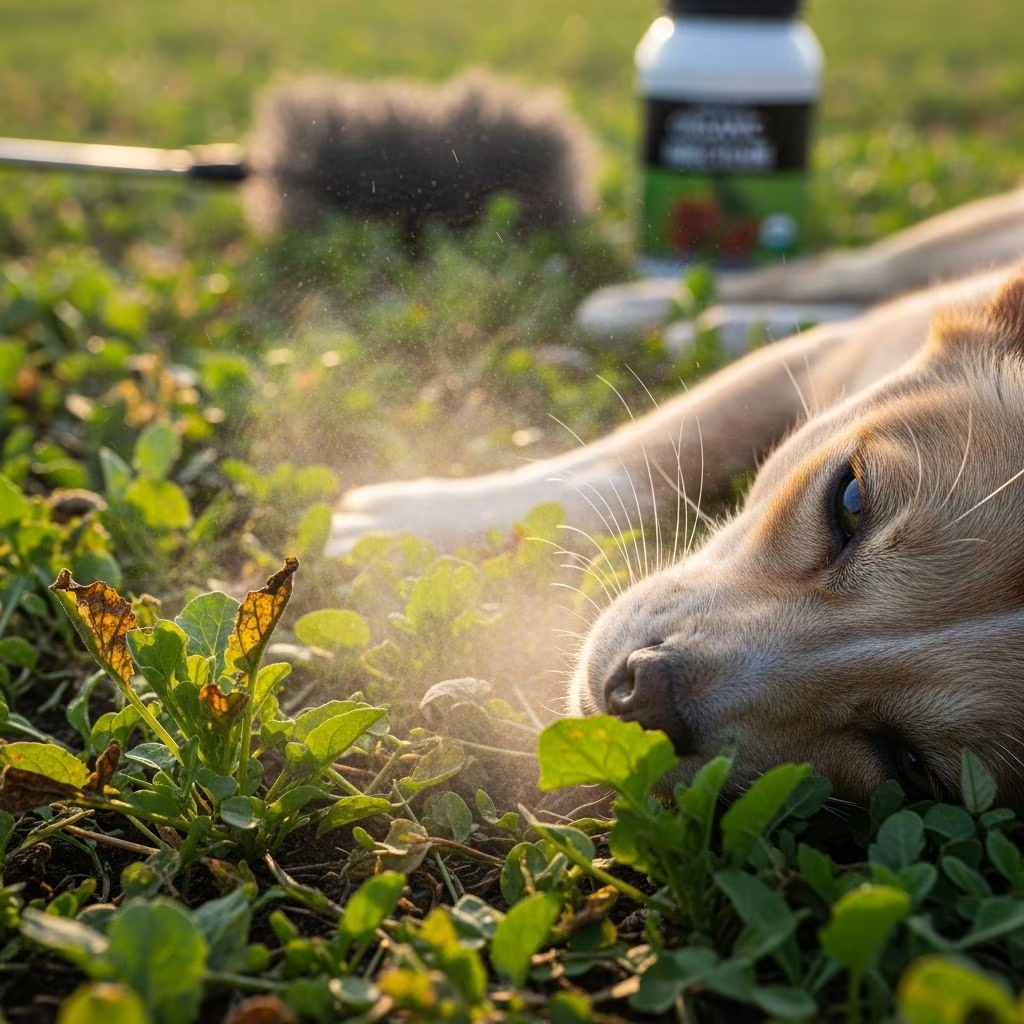
Organic insecticides and acaricides play a critical role in controlling pests on farms, in gardens, and around homes, but they pose significant risks to non-target animals including livestock, pets, and wildlife. These chemicals, primarily organophosphates (OPs) and carbamates, disrupt normal nervous system function, leading to acute poisoning that can be fatal if not addressed promptly. Understanding exposure pathways, toxic mechanisms, species-specific sensitivities, and response strategies is vital for animal health professionals, farmers, and pet owners.
Common Pathways of Exposure to Toxic Pesticides
Animals encounter these toxins through multiple routes, amplifying the potential for accidental poisoning. Direct application during pest control treatments on livestock or premises often leads to dermal absorption, especially if concentrations exceed recommended levels or if animals lick treated areas. Ingestion occurs when animals consume contaminated feed, forage, or water, or groom residues from their fur. Inhalation is less common but possible during spraying in enclosed spaces. Small animals like dogs are particularly vulnerable to malicious baiting, while large animals face risks from drift or runoff into pastures.
- Dermal contact: Most frequent in livestock dipping or spraying.
- Oral intake: Via treated plants or spilled concentrates.
- Environmental contamination: Residues in soil, water, or feed persist days to weeks.
Precautions like adhering to label instructions, using protective gear, and avoiding over-application prevent most incidents. Storage in original containers away from feed areas is essential to avoid mix-ups that potentiate toxicity.
Biochemical Mechanisms Behind Pesticide Toxicity
The primary mode of action for OPs and carbamates involves inhibition of acetylcholinesterase (AChE), the enzyme that breaks down acetylcholine (ACh) in synapses. OPs bind irreversibly via phosphorylation, while carbamates cause reversible carbamylation. This leads to ACh accumulation, overstimulating muscarinic, nicotinic, and central nervous system receptors. Muscarinic effects include salivation and diarrhea; nicotinic cause muscle tremors; central signs manifest as seizures.
Other effects include immunotoxicity at low doses, impairing macrophage function via cytokines like IL-1 and IL-2, and oxidative stress damaging organs like liver and kidneys. Some compounds exhibit reproductive and developmental toxicity.
| Compound Type | Enzyme Binding | Duration | Key Effects |
|---|---|---|---|
| Organophosphates | Irreversible phosphorylation | Prolonged (days) | Neurotoxicity, organ damage |
| Carbamates | Reversible carbamylation | Short (hours) | Cholinergic crisis, recovery faster |
Symptoms and Clinical Presentation Across Species
Poisoning signs reflect cholinergic overstimulation, categorized as muscarinic (SLUDGE: salivation, lacrimation, urination, defecation, GI upset, emesis), nicotinic (tremors, weakness, paralysis), and CNS (ataxia, seizures, coma). Onset varies: rapid for potent OPs like parathion, delayed for chlorpyrifos due to metabolic activation.
Livestock like cattle and sheep show hypersalivation, colic, and dyspnea; calves are more sensitive. Dogs exhibit vomiting, diarrhea, and miosis; cats are highly susceptible to dermal exposures. Fish and wildlife suffer mass die-offs from water contamination.
- Early signs: Miosis, sweating, bradycardia.
- Progressive: Fasciculations, collapse.
- Severe: Respiratory failure, death.
Key Insecticides Implicated in Animal Cases
Organophosphates: High-Risk Compounds
Chlorpyrifos, with LD50 around 850-1000 mg/kg in sheep, causes delayed neurotoxicity and reproductive harm. Dioxathion at 4.4 mg/kg intoxicates calves, peaking in tissues 2-4 days post-exposure. Malathion offers selective toxicity (rat LD50 885 mg/kg oral), safe at 10-20 mg/kg in calves but risky in combinations. Parathion (dog LD50 23-35 mg/kg) demands extreme caution. Ruelene and trichlorfon have narrow safety margins in young animals.
Carbamates and Emerging Concerns
Carbamates like carbaryl cause similar but shorter-lived signs. Natural alternatives like azadirachtin (neem) show low acute toxicity (rat LD50 >5000 mg/kg) but potential chronic effects. Synthetic residues accumulate, causing oxidative damage.
Species-Specific Sensitivities and Risk Factors
Cats metabolize OPs poorly, amplifying dermal risks. Calves and emaciated animals absorb more due to thin skin or debilitation. Pigs and horses tolerate higher doses but show GI signs. Factors like concurrent drugs or malnutrition exacerbate outcomes.
| Species | Toxic Dose Example (mg/kg) | Common Signs |
|---|---|---|
| Cattle (adult) | 44-88 (trichlorfon) | Colic, salivation |
| Dogs | 23-35 (parathion) | Vomiting, tremors |
| Cats | 15 (parathion) | Seizures, dyspnea |
| Sheep | 176 (ruelene) | Weakness, ataxia |
Diagnosis: Confirming Pesticide Exposure
Diagnosis relies on history (recent pesticide use), clinical signs, and cholinesterase assay (blood or brain <20% normal activity confirms). Differential includes other cholinergic toxicoses. Necropsy reveals pulmonary edema, neuronal degeneration.
Emergency Treatment Protocols
Immediate decontamination: bathe with mild soap, prevent absorption. Atropine (0.02-0.1 mg/kg IV) counters muscarinic signs; pralidoxime (2-PAM, 20-50 mg/kg) reactivates AChE if given early (<24h for OPs). Supportive care: diazepam for seizures, fluids, oxygen. Prognosis improves with rapid intervention.
- Secure airway and stabilize.
- Decontaminate externally.
- Administer antidotes.
- Monitor cholinesterase recovery.
Prevention Strategies for Farms and Homes
Follow label dosages precisely; use calibrated equipment. Isolate treated areas 48-72 hours. Store securely, dispose properly. Train staff on risks. Regular residue testing in milk/meat ensures compliance. Integrated pest management reduces reliance on chemicals.
- Post clear warning signs.
- Avoid mixing compounds.
- Monitor weather to prevent drift.
Residues, Regulations, and Public Health
Tolerances (e.g., dioxathion <1 mcg/g meat) protect consumers. Violations lead to prosecutions. Environmental persistence threatens aquatic life.
Frequently Asked Questions (FAQs)
What are the first signs of OP poisoning in dogs?
Excessive drooling, vomiting, diarrhea, pinpoint pupils, and muscle twitching.
Can insecticide poisoning be treated at home?
No, seek veterinary care immediately for antidotes like atropine.
Are natural insecticides safer for pets?
Not always; some cause similar toxicities despite lower acute LD50.
How long do residues persist in animal tissues?
Varies: 2-4 days peak for dioxathion, half-life ~16 days.
Is malicious poisoning common in pets?
Yes, especially dogs via baits.
Long-Term Health Impacts
Chronic low-level exposure links to cancer risk, neurobehavioral changes, and endocrine disruption in pets and livestock. Wildlife studies underscore ecosystem-wide effects.
References
- Organophosphate Toxicosis in Animals — Merck Veterinary Manual. 2023. https://www.merckvetmanual.com/toxicology/insecticide-and-acaricide-organic-toxicity/organophosphate-toxicosis-in-animals
- Overview of Insecticide and Acaricide (Organic) Toxicosis in Animals — Merck Veterinary Manual. 2023. https://www.merckvetmanual.com/toxicology/insecticide-and-acaricide-organic-toxicity/overview-of-insecticide-and-acaricide-organic-toxicosis-in-animals
- Diagnosis and Treatment Of Animals Poisoned With Organophosphates — EPA. 1985. https://nepis.epa.gov/Exe/ZyPURL.cgi?Dockey=2000URDZ.TXT
- Safety of Natural Insecticides: Toxic Effects on Experimental Animals — PMC/NCBI. 2018-10-11. https://pmc.ncbi.nlm.nih.gov/articles/PMC6206511/
- Pesticide and Insecticide Poisoning in Dogs — PetMD. 2023. https://www.petmd.com/dog/poisoning/insecticide-poisoning-dogs
- Insecticide Poisoning — MSD Veterinary Manual. 2023. https://www.msdvetmanual.com/special-pet-topics/poisoning/insecticide-poisoning



