

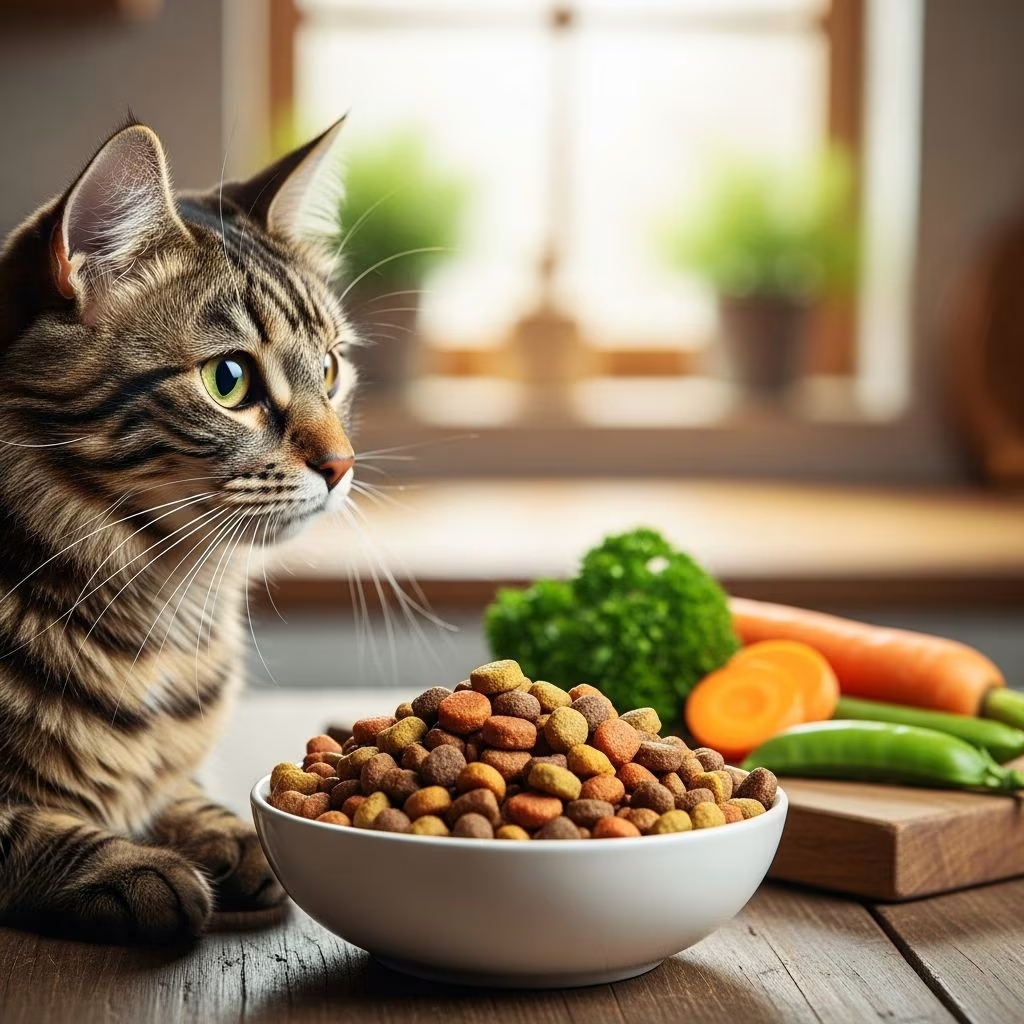
When selecting food for your feline companion, you’ve likely encountered the term “organic” prominently displayed on premium pet food packages. Pet owners often wonder whether the higher price tag associated with organic cat food translates into genuine health advantages for their cats. This comprehensive guide explores what organic cat food actually is, examines the claims made about its benefits, and provides evidence-based information to help you make informed decisions about your cat’s nutrition.
Defining Organic Cat Food and Its Certification Standards
Organic cat food represents a specific category of feline nutrition with clearly defined parameters. According to the United States Department of Agriculture (USDA) National Organic Program, organic cat food must originate from crops cultivated on land where no synthetic pesticides have been applied for a minimum of three consecutive years prior to planting. This certification framework extends beyond plant-based ingredients to include animal proteins used in formulations.
For meat and animal products in organic cat food, the sourcing requirements are equally stringent. Livestock providing proteins for organic formulas must consume exclusively organic feed throughout their lives. Additionally, these animals cannot receive growth hormones, antibiotics, or other pharmaceutical interventions that are standard practices in conventional livestock operations. The animals typically have outdoor access and are not confined to intensive farming operations, distinguishing organic sources from conventional protein production methods.
It’s important to distinguish organic certification from natural labeling. While all organic foods are technically natural, not all natural cat foods meet organic standards. The Association of American Feed Control Officials (AAFCO) oversees natural cat food labeling, ensuring minimal synthetic ingredients, but this designation doesn’t require the rigorous certification process that organic foods undergo. Natural foods may be produced using non-organic methods, whereas organic certification guarantees compliance with specific agricultural and processing standards throughout the entire supply chain.
Nutritional Composition and Ingredient Quality
Organic cat foods typically feature higher-quality ingredient sourcing compared to their conventional counterparts. The absence of synthetic pesticides, artificial additives, and growth hormones represents one of the primary distinctions between organic and standard commercial cat foods. These foods are formulated using fresh, wholesome ingredients without harmful preservatives commonly found in lower-cost alternatives.
The protein content in quality organic cat food delivers essential amino acids necessary for maintaining lean muscle mass and supporting overall metabolic function. Cats, as obligate carnivores, require specific amino acid profiles that higher-quality protein sources more readily provide. Additionally, organic formulations typically exclude common fillers such as corn, soy, and wheat, which offer minimal nutritional value and are primarily used to create bulk and promote satiety.
Nutrient density represents another distinguishing characteristic of organic cat foods. These formulations contain elevated levels of essential vitamins, minerals, and antioxidants that support immune function, skin health, and coat quality. The inclusion of natural antioxidants, such as tocopherol-rich extracts, preserves food freshness without relying on synthetic preservatives like BHA or BHT, which some pet owners prefer to avoid.
Potential Health Benefits Associated with Organic Feeding
Digestive Health and Gastrointestinal Function
One frequently cited advantage of organic cat food involves improved digestive health. Because organic formulations eliminate artificial additives and utilize high-quality protein sources, cats may experience fewer gastrointestinal disturbances. Digestive issues such as diarrhea, vomiting, and excessive fecal odor are common problems in cats fed conventional diets containing difficult-to-digest artificial ingredients.
The simplified ingredient lists in organic foods appear to reduce the occurrence of adverse food reactions. Cats consuming organic diets often produce smaller, more well-formed stools, suggesting improved nutrient absorption and digestive efficiency. For cats with documented food sensitivities or allergies, transitioning to organic options may alleviate symptoms if conventional foods trigger negative responses.
Coat and Skin Health
The nutritional profile of organic cat foods supports dermatological health. Higher concentrations of essential fatty acids, particularly omega oils, contribute to thicker, smoother, and shinier coats. Improved skin condition and coat quality represent visible indicators of nutritional adequacy, making them noticeable changes that pet owners can observe after dietary transitions.
Long-Term Disease Prevention
Proponents of organic cat food argue that reduced exposure to synthetic chemicals and pesticides may contribute to disease prevention and extended lifespan. By minimizing cumulative exposure to potentially harmful substances, cats consuming organic diets may have reduced risk of developing chronic conditions. Additionally, the absence of fillers and excessive carbohydrates in quality organic foods may help prevent obesity and obesity-related diseases such as diabetes mellitus.
Weight Management Support
Organic cat foods typically contain lower fat levels and minimal fillers, supporting healthy weight maintenance, particularly important for indoor cats prone to obesity. The higher protein content promotes lean muscle development while reducing excess body weight. Complete elimination of low-nutritional fillers means cats feel satisfied with smaller portions, naturally supporting weight management without caloric restriction.
Examining the Evidence: What Research Reveals
While organic cat food manufacturers highlight numerous benefits, veterinary nutritionists emphasize that scientific evidence supporting significant nutritional advantages remains limited. According to Tufts Veterinary Nutritionist Cailin Heinze, “the bottom line is that there is little evidence of nutritional benefits of organic” cat foods compared to conventional options that meet established nutritional standards.
The distinction between evidence-based benefits and marketing claims is crucial for informed decision-making. A complete and balanced commercial cat food—whether organic or conventional—that meets recognized nutritional standards for your cat’s life stage provides adequate nutrition. The key determinant of food quality lies in whether formulations meet established nutritional profiles rather than whether ingredients carry organic certification.
However, the absence of extensive research comparing organic and conventional cat foods doesn’t negate potential individual benefits some cats experience. Anecdotal reports from pet owners document improved digestion, coat quality, and energy levels following transitions to organic diets, even without definitive clinical studies confirming these observations across large populations.
Organic Versus Conventional: A Practical Comparison
| Characteristic | Organic Cat Food | Conventional Cat Food |
|---|---|---|
| Pesticide Residues | Prohibited; grown without synthetic pesticides | May contain pesticide residues |
| Antibiotics & Hormones | Prohibited in animal proteins | Permitted in livestock production |
| Synthetic Additives | Prohibited; uses natural preservatives | Commonly included |
| Filler Content | Minimal; focus on nutrient density | May contain corn, soy, wheat |
| Certification Required | Yes; USDA National Organic Program | No; meets AAFCO standards |
| Price Point | Premium pricing | Standard to budget-friendly |
Dry Versus Wet Organic Cat Food Formats
Organic cat food is available in both dry kibble and wet canned formats, each offering distinct advantages. Dry organic cat food requires longer chewing duration, potentially benefiting cats with digestive sensitivities through enhanced mechanical digestion. The extended chewing process slows consumption and promotes better nutrient absorption.
Wet organic cat food provides higher moisture content, supporting hydration—a critical factor for cats with kidney disease or those with naturally low thirst drives. Both formats deliver high-quality proteins and nutrients when certified organic, allowing pet owners to select based on their cat’s preferences and specific health needs. Many veterinary nutritionists recommend varying between both formats to ensure comprehensive nutrient intake and maintain dietary diversity.
Special Considerations: Grain-Free and Raw Options
Organic grain-free cat foods eliminate grains, legumes, and their derivatives, offering advantages for cats with documented grain allergies or intolerances. However, grain-free formulations often contain elevated carbohydrate levels from potato or sweet potato replacements, which may increase diabetes risk and contribute to obesity when fed to cats without grain sensitivities.
Transitioning to grain-free diets is unnecessary unless your veterinarian identifies specific grain allergies or intolerance issues. Organic raw cat food—consisting of uncooked, unprocessed muscle meat, organs, and bones from organically-raised animals—represents another available option for owners pursuing maximal protein intake. Raw diets require careful handling and balanced formulation to ensure complete nutrition, making veterinary guidance particularly important for this feeding approach.
Cost-Benefit Analysis: Investment Versus Long-Term Value
Organic cat food commands premium pricing compared to conventional options, sometimes doubling or tripling standard food costs. However, proponents argue that higher initial expenses generate long-term financial benefits through reduced veterinary care. Healthier cats develop fewer chronic conditions, require fewer medications, and may avoid expensive medical interventions associated with diet-related diseases.
The economic calculation extends beyond veterinary costs to include overall quality of life improvements. Cats consuming superior nutrition may demonstrate increased activity, better coat condition, and improved behavioral patterns that enhance the human-animal bond. For many pet owners, these intangible quality-of-life factors justify premium food expenses, particularly for cats with documented food sensitivities or chronic health conditions.
Transitioning Your Cat to Organic Nutrition
Dietary transitions require gradual implementation to prevent gastrointestinal upset. Introduce organic food slowly over 7-10 days, progressively increasing the proportion of new food while reducing the previous diet. This gradual transition allows digestive systems to adapt to different ingredients and potentially beneficial components like probiotics often included in quality organic formulations.
Monitor your cat for positive changes including improved coat quality, increased energy, better litter box habits, and reduced digestive issues. However, recognize that some cats show minimal difference after transitioning to organic options, reflecting their individual digestive efficiency and previous food adequacy.
Identifying Authentic Organic Cat Food Products
Verify organic certification by examining product labels for USDA National Organic Program certification marks or equivalent regulatory approvals in your region. Check ingredient lists for high-quality protein sources listed as primary components, and confirm the absence of artificial additives, colors, and preservatives. Reputable organic cat food manufacturers transparently communicate sourcing practices and maintain supply chain documentation supporting organic claims.
Be cautious of products labeled “natural” without organic certification, as this distinction permits non-organic sourcing. Request information from manufacturers regarding specific sourcing practices, farming methods, and third-party testing protocols if certification details remain unclear.
Key Takeaways for Feline Nutrition Decisions
- Organic cat food meets specific USDA certification standards prohibiting synthetic pesticides, antibiotics, and growth hormones
- Quality organic formulations exclude artificial additives and fillers, offering nutrient-dense alternatives to conventional options
- While scientific evidence of nutritional superiority remains limited, individual cats frequently demonstrate digestive and coat improvements
- Complete and balanced cat food—organic or conventional—meeting AAFCO standards provides adequate nutrition regardless of certification status
- Individual cats respond differently to dietary changes; organic transition benefits vary widely
- Cost-benefit analysis should consider both immediate expenses and potential long-term veterinary cost reductions
- Grain-free organic options benefit only cats with documented grain allergies or sensitivities
Frequently Asked Questions About Organic Cat Food
Is organic cat food truly healthier than conventional options?
Organic cat food contains higher-quality ingredients without synthetic pesticides or additives, but scientific evidence specifically demonstrating superior nutritional benefits remains limited. A well-formulated conventional cat food meeting nutritional standards provides adequate nutrition; the advantage of organic options lies primarily in ingredient quality and the absence of certain additives rather than enhanced nutritional profiles.
Will my cat’s digestion improve if I switch to organic food?
Some cats experience improved digestion after transitioning to organic formulations, particularly those with food sensitivities to artificial ingredients. However, digestive improvements aren’t guaranteed and depend on your cat’s individual sensitivity to conventional food components.
How much more expensive is organic cat food compared to standard options?
Organic cat food typically costs 50-200% more than conventional alternatives, depending on brand and format. However, potential veterinary cost savings from improved health may offset higher food expenses over time.
Can I feed my cat only organic dry food?
Yes, complete and balanced organic dry food provides adequate nutrition when it meets established standards for your cat’s life stage. However, incorporating wet food variety improves hydration and dietary diversity.
What does USDA organic certification mean for cat food?
USDA certification guarantees that plant-based ingredients were grown without synthetic pesticides for three years prior to harvest, and animal proteins came from livestock receiving only organic feed without antibiotics or growth hormones.
References
- The Benefits of Organic Cat Food — Catsafe. Accessed February 2026. https://www.catsafe.fr/en/blogs/info/the-benefits-of-organic-cat-food
- Organic Cat Food: The Healthiest Food Choice for Your Feline — Pet Cubes. Accessed February 2026. https://petcubes.com/blogs/organic-cat-food/benefits
- Nourish Your Cat Naturally: The Ultimate Guide to Organic Foods — Zigly. Accessed February 2026. https://zigly.com/blogs/all/natural-and-organic-cat-food
- Organic Cat Food: Is It Better? — PetMD. Accessed February 2026. https://www.petmd.com/cat/nutrition/what-organic-cat-food
- Is Organic Cat Food Better for My Cat? — Purina. Accessed February 2026. https://www.purina.com/articles/cat/health/nutrition/is-organic-cat-food-better



