

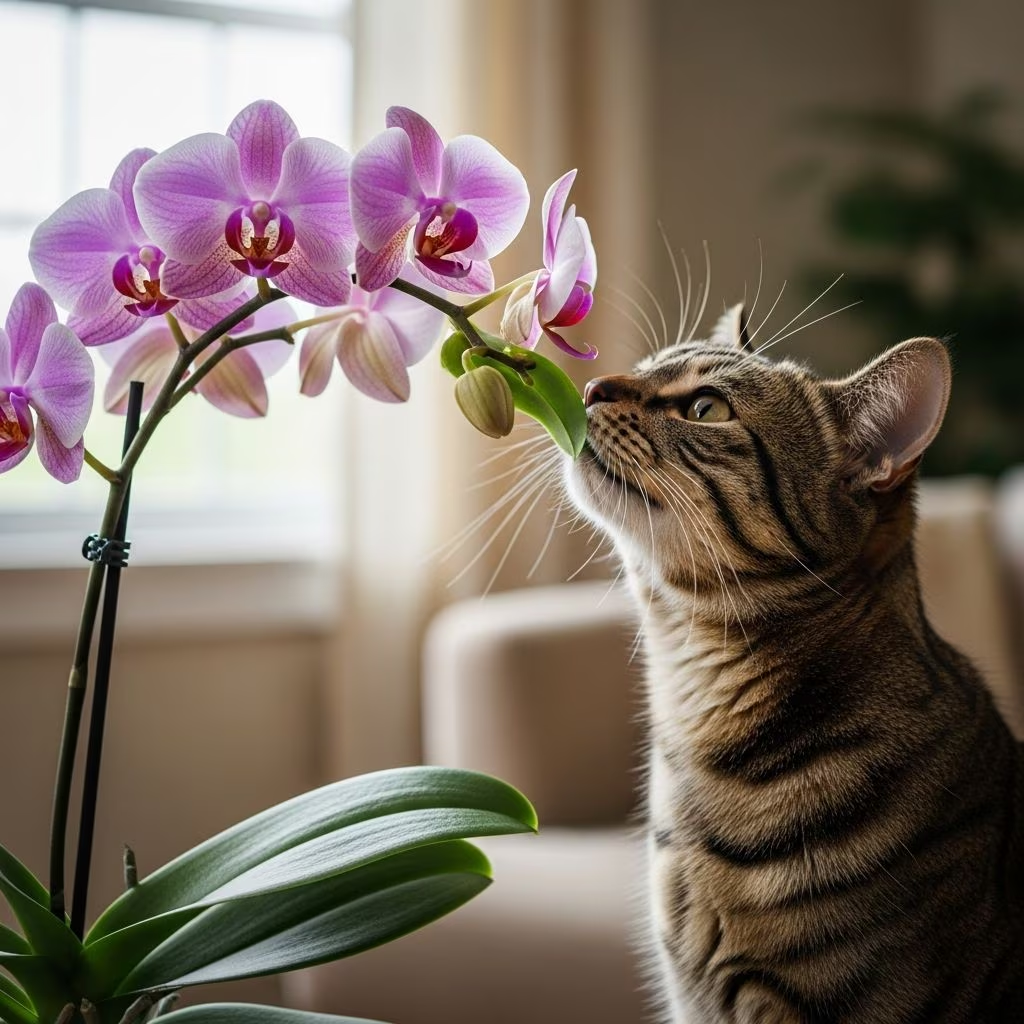
Orchids rank among the most popular houseplants due to their elegant blooms and low-maintenance care, but cat owners often wonder if these beauties pose a risk to their pets. The good news is that most common orchids, such as Phalaenopsis (moth orchids), are non-toxic to cats according to the ASPCA. However, non-toxic does not mean risk-free. Cats nibbling on orchids may experience mild gastrointestinal upset from the plant’s fibrous texture, which their sensitive digestive systems struggle to process. This article dives deep into the safety of orchids around cats, potential symptoms, treatment options, prevention strategies, and safer plant alternatives to help you create a harmonious home for both your feline and your floral displays.
Symptoms of Orchid Ingestion in Cats
Although orchids lack toxic compounds like those found in lilies, which can cause acute kidney failure in cats, consumption of any unusual plant material can disrupt a cat’s stomach. Cats are obligate carnivores with digestive tracts optimized for meat, not fibrous vegetation. Common signs of orchid ingestion include:
- Vomiting: Often the first and most noticeable symptom, typically occurring within a few hours of ingestion. Vomit may contain plant fragments.
- Diarrhea: Loose stools that may appear watery or contain undigested orchid pieces.
- Drooling or excessive salivation: Due to mouth irritation from sharp petal edges or fibrous leaves.
- Loss of appetite: Cats may refuse food for 12-24 hours while their system clears the material.
- Lethargy or mild stomach pain: Indicated by hiding, reduced activity, or pawing at the mouth.
These symptoms are usually mild and self-limiting, resolving within 24 hours without intervention. However, monitor closely; persistent vomiting (more than 2-3 episodes), blood in vomit or stool, dehydration signs (dry gums, sunken eyes), or severe lethargy warrant immediate veterinary attention. In rare cases, large quantities ingested could lead to more pronounced GI distress.
Treatment for Cats After Eating Orchids
If you catch your cat in the act of munching an orchid, don’t panic—most cases require only observation. Remove access to the plant and offer fresh water to aid digestion. Withhold food for 12 hours to rest the stomach, then reintroduce a bland diet like boiled chicken and rice in small portions.
For persistent symptoms, consult your veterinarian promptly. They may:
- Perform diagnostics like bloodwork, x-rays, or ultrasound to rule out blockages or other issues.
- Administer subcutaneous fluids for hydration.
- Prescribe anti-nausea medications such as Cerenia (maropitant) or ondansetron.
- Recommend activated charcoal if ingestion was recent, though this is uncommon for non-toxic plants.
Bring a sample of the orchid (photo or label) to the vet for identification, as some hybrids might differ. Home remedies like hydrogen peroxide to induce vomiting are not recommended without vet guidance, as they can worsen irritation. Early intervention ensures quick recovery, with most cats bouncing back fully within 48 hours.
Are All Orchids Safe for Cats?
Not entirely—while the vast majority of household orchids are safe, exceptions exist. Here’s a breakdown:
| Orchid Type | Toxicity Level | Notes |
|---|---|---|
| Phalaenopsis (Moth Orchid) | Non-toxic | Most common; safe but may cause mild GI upset. |
| Cymbidium (Boat Orchid) | Non-toxic | Large amounts may upset stomach. |
| Oncidium (Dancing Lady) | Non-toxic | Ingestion can lead to vomiting. |
| Vanda | Generally safe | Mild upset possible. |
| Orchis | Non-toxic | May cause diarrhea. |
| Lady Slipper (Paphiopedilum) | Potentially harmful | Some reports of irritation; avoid. |
All parts—flowers, leaves, stems, roots—are non-toxic, but poorly chewed pieces irritate the GI tract. Pesticides or fertilizers on orchids amplify risks, causing salivation, tremors, or worse. Always rinse store-bought plants and use pet-safe treatments.
Why Do Cats Eat Orchids?
Curiosity drives most incidents. Cats chew plants for fiber to aid hairball expulsion, entertainment (swaying petals mimic prey), or nutritional cravings if their diet lacks variety. Boredom, stress, or pica (compulsive eating) in young or anxious cats increases likelihood. Kittens explore more aggressively, while seniors might nibble due to cognitive changes. Addressing underlying causes like insufficient playtime or poor diet reduces plant-munching.
How to Stop Your Cat from Eating Orchids
Prevention beats cure. Strategies include:
- Elevation: Hang orchids from ceilings or place on high shelves unreachable by jumping cats.
- Deterrents: Spray plants with citrus, bitter apple, or aloe-based repellents (cat-safe formulas only).
- Barriers: Use aluminum foil, double-sided tape, or plant cages around bases.
- Distractions: Offer cat grass, wheatgrass, or silver vine toys to redirect chewing instincts.
- Training: Use positive reinforcement—reward ignoring plants with treats or play.
- Environment enrichment: Provide scratching posts, puzzle feeders, and vertical spaces to combat boredom.
Consistency is key; combine methods for best results. Rotate plants to disrupt patterns.
Safe Plants for Cat Owners
Swap risky orchids for these ASPCA-approved, non-toxic options:
- Spider Plant (Chlorophytum comosum): Air-purifying and resilient to nibbling.
- Boston Fern (Nephrolepis exaltata): Lush and dangling, ideal for hanging.
- Calathea: Vibrant leaves, low light tolerant.
- Peperomia: Compact, varied textures.
- Kimberly Queen Fern: Sturdy and non-toxic.
- Parlor Palm (Chamaedorea elegans): Elegant and safe.
These mimic orchids’ appeal without health worries. Research each before purchase.
Plants Toxic to Cats (Avoid These)
Steer clear of true dangers:
- Lilies (Lilium spp., Hemerocallis): Extremely toxic; even pollen causes kidney failure.
- Alstroemeria (Peruvian Lily): Often mistaken for orchids; causes vomiting, renal issues.
- Others: Aloe, Poinsettia, Philodendron—GI upset to organ damage.
Consult ASPCA’s toxic plant list for full details.
Frequently Asked Questions (FAQs)
Are all orchids safe for cats?
Most are, like Phalaenopsis, but check species like Lady Slipper. ASPCA lists common ones as non-toxic.
What should I do if my cat eats an orchid?
Monitor for vomiting/diarrhea. If mild and brief, watch at home; persistent symptoms need vet care.
Can fertilizers on orchids harm cats?
Yes—choose organic, pet-safe options and rinse foliage.
Are orchids poisonous if cats just smell them?
No, sniffing is harmless.
Can cats eat orchids safely?
Not recommended; causes upset despite non-toxicity.
How long do symptoms last after eating orchids?
Usually 24 hours; vet if longer.
Orchids enhance homes without endangering cats when precautions are taken. Vigilance ensures peaceful coexistence.
References
- Are Orchids Toxic to Cats? — Gardenia.net. 2023-05-15. https://www.gardenia.net/guide/are-orchids-toxic-to-cats
- Are Orchids Poisonous to Cats? Facts and Tips for Cat Owners — The Cat Ladies. 2024-02-10. https://thecatladies.com/blogs/news/are-orchids-poisonous-to-cats-facts-and-tips-for-cat-owners
- Are Orchids Toxic to Cats? — Kinship. 2024-08-20. https://www.kinship.com/cat-health/orchids-toxic-cats
- Are Orchids Toxic to Cats? What Pet Owners Should Know — Basepaws. 2023-11-05. https://basepaws.com/blog/are-orchids-toxic-to-cats
- Are Orchids Poisonous To Cats? How To Keep Pets Safe — Gardening Know How. 2024-01-12. https://www.gardeningknowhow.com/ornamental/orchids/are-orchids-poisonous-to-cats



