

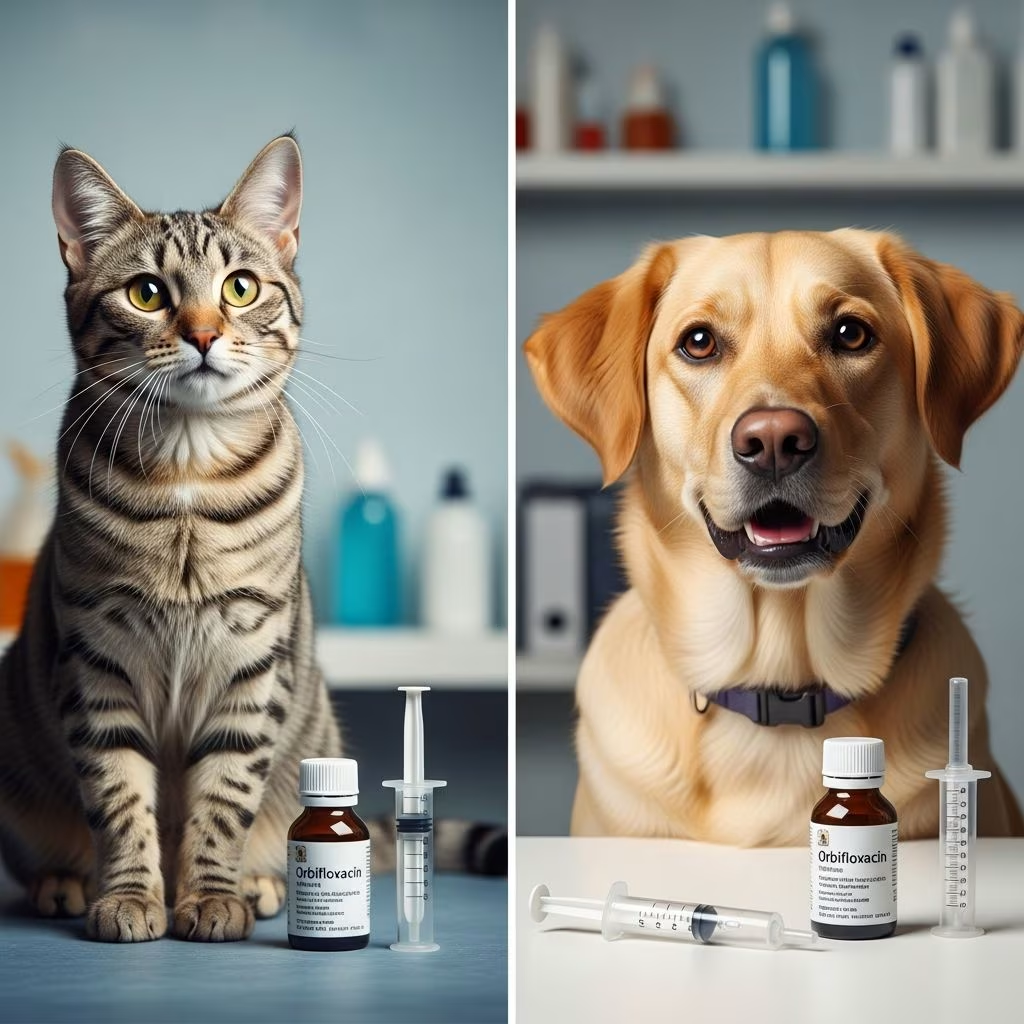
Understanding Orbifloxacin for Pets
Orbifloxacin, commonly known by its brand name Orbax, is a synthetic fluoroquinolone antibiotic medication specifically formulated for veterinary use in cats and dogs. This broad-spectrum antibacterial agent works rapidly to combat bacterial infections and is administered as an oral medication, making it convenient for pet owners to use at home. The medication is designed to treat a variety of bacterial infections while being palatable and easy to administer, especially with its taste-masking technology that allows pets to take the medication without detecting its bitter flavor.
What is Orbifloxacin?
Orbifloxacin is a critically important antimicrobial agent that belongs to the fluoroquinolone class of antibiotics. It is available in multiple formulations to suit different patient needs and preferences. The medication functions as a bactericidal agent, meaning it actively kills bacteria rather than simply inhibiting their growth. This rapid action makes it particularly effective for treating acute and chronic infections in companion animals.
Available Formulations
Orbifloxacin is available in two primary veterinary formulations:
- Tablets: Available in 22.7 mg and 68 mg strengths for easier dosing adjustments based on pet weight and infection severity
- Oral Suspension: Provided at a concentration of 30 mg/mL, which is particularly useful for small animals, cats, and pets that have difficulty swallowing tablets
The oral suspension formulation includes a patented ion exchange taste-masking technology that binds orbifloxacin to a taste-masking agent, allowing it to pass through the taste buds undetected before being released in the acidic environment of the stomach. This innovation significantly improves medication compliance, as pets are less likely to resist taking their medication.
Indications and Uses
Orbifloxacin is indicated for treating various bacterial infections in both cats and dogs caused by susceptible strains of bacteria. The specific uses include treating urinary tract infections, skin and soft tissue infections, and wound infections.
Common Bacterial Targets
This antibiotic is effective against several clinically significant bacteria, including:
- Staphylococcus aureus
- Staphylococcus pseudintermedius
- Escherichia coli (E. coli)
- Proteus mirabilis
- Pasteurella multocida
- Enterococcus faecalis
The broad-spectrum nature of orbifloxacin makes it a versatile choice for veterinarians when treating infections before culture and sensitivity results are available, though it is always recommended to confirm susceptibility once laboratory results become available.
Dosage Information
The dosage of orbifloxacin varies depending on the pet species, the type of infection being treated, and the severity of the condition. Proper dosing is critical for ensuring therapeutic effectiveness while minimizing the risk of adverse effects.
Dosage for Dogs
For dogs, the recommended dose of orbifloxacin oral suspension is 1.1 to 3.4 mg/lb (2.5 to 7.5 mg/kg) of body weight administered once daily. The specific dose within this range depends on the nature and severity of the infection, the susceptibility of the causative organism, and the integrity of the patient’s immune system. For example, a 20-pound dog would typically receive approximately 0.8 mL of the 30 mg/mL suspension daily, though this should be adjusted based on veterinary guidance.
Dosage for Cats
For cats, the standard dose of orbifloxacin oral suspension is 3.4 mg/lb (7.5 mg/kg) of body weight administered once daily. It is critical not to exceed this maximum dose in cats, as the oral suspension formulation is less efficiently absorbed than the tablet form and higher doses could lead to adverse effects. A typical cat weighing 4.5 kg (10 pounds) would receive approximately 1.1 mL of the 30 mg/mL suspension daily.
Treatment Duration
The length of treatment depends on the type of infection:
- For skin infections: Treatment should continue for two to three days beyond the cessation of clinical signs, with a maximum duration of 30 days
- For urinary tract infections: Treatment should be administered for at least 10 consecutive days, with evaluation of diagnosis if no improvement is seen within five days
It is essential to complete the full course of antibiotics as prescribed, even if the pet appears to be feeling better, to ensure complete eradication of the infection and prevent antibiotic resistance.
Administration Guidelines
Proper administration of orbifloxacin is essential for ensuring optimal therapeutic levels and minimizing gastrointestinal upset.
How to Administer Orbifloxacin
Orbifloxacin is given orally, directly into the mouth of the pet, in the form of either a tablet or a liquid suspension. When using the oral suspension formulation, it is crucial to shake the bottle well before each use to ensure uniform distribution of the medication. The dose should be measured carefully using the provided dosing syringe to ensure accuracy. The medication is best absorbed on an empty stomach, so ideally it should be given without food.
However, if your pet experiences signs of upset stomach such as vomiting or loss of appetite after taking orbifloxacin, your veterinarian may recommend giving a small amount of food with subsequent doses to minimize gastrointestinal irritation while still maintaining adequate absorption.
Administration Instructions for Oral Suspension
When administering the oral suspension formulation, follow these specific steps:
- Remove the cap and insert the syringe adapter by pressing firmly into the top of the bottle
- Insert the syringe tip into the adapter opening and invert the bottle
- Withdraw the appropriate dose as indicated on the syringe
- Give the medication directly into the pet’s mouth
- Always shake well before use to ensure proper medication distribution
Missed Doses
If a dose is missed, it should be given as soon as possible. However, if it is almost time for the next scheduled dose, the missed dose should be skipped and the regular dosing schedule resumed. Never give two doses at once, as this could lead to overdose and adverse effects.
Important Safety Considerations
While orbifloxacin is generally well-tolerated in cats and dogs, there are several important safety considerations that pet owners and veterinarians must understand.
Growth Stage Restrictions
Orbifloxacin should not be used in puppies and dogs during their rapid growth phase, as it can cause abnormal cartilage development. Specifically, the medication should be avoided in:
- Small and medium-sized breed puppies between 2 and 8 months old
- Large and giant breed puppies up to 18 months old
Pet owners should discuss with their veterinarian whether their pet is still in its growth stage before beginning orbifloxacin therapy.
Contraindications
Orbifloxacin should not be used in animals that are allergic to it or to other drugs in the fluoroquinolone class, such as enrofloxacin. Prior to prescribing this medication, veterinarians should obtain a complete medical history to identify any potential allergies or sensitivities.
Cautions and Precautions
Orbifloxacin should be used with caution in patients with certain medical conditions, and these considerations should be discussed thoroughly with your veterinarian before beginning treatment. Additionally, concurrent administration of fluoroquinolones may increase the action of oral anticoagulants, so pets taking blood thinners may require dosage adjustments or increased monitoring.
Adverse Reactions and Side Effects
Orbifloxacin is generally well-tolerated in most cats and dogs when used at recommended doses. In a field study, when the tablet formulation of orbifloxacin was administered at 2.5 mg/kg/day, no drug-related adverse reactions were reported. However, when administered at higher doses or in sensitive individuals, some pets may experience mild gastrointestinal upset.
Potential Adverse Reactions
In clinical trials where cats received orbifloxacin at doses up to 10 times the recommended dose and for three times the recommended duration, the following mild adverse effects were observed:
- Mild stomach upset and gastrointestinal disturbances
- Nausea and vomiting
- Loose feces or diarrhea
- Reduced appetite
These effects are generally mild and resolve once the medication is discontinued or the dose is adjusted. If your pet experiences any concerning symptoms while taking orbifloxacin, contact your veterinarian immediately for guidance.
Clinical Efficacy
Orbifloxacin demonstrates rapid broad-spectrum bactericidal activity, making it an effective choice for treating bacterial infections in companion animals. The medication’s once-daily dosing schedule improves compliance compared to multiple-daily-dose medications, and the taste-masking technology in the oral suspension formulation further enhances the likelihood that pets will take their medication as prescribed.
On a mg/kg basis, orbifloxacin tablets provide higher and less variable plasma levels of the drug compared to the oral suspension formulation. This means that if higher orbifloxacin levels are needed, tablets may be a more appropriate choice than the liquid formulation, though this decision should be made in consultation with your veterinarian based on your pet’s specific condition.
Drug Interactions
When prescribing orbifloxacin, veterinarians must consider potential interactions with other medications your pet may be taking. The primary documented drug interaction involves concurrent administration with oral anticoagulants, where fluoroquinolones may potentiate the anticoagulant effect. If your pet is taking any blood-thinning medications, inform your veterinarian before starting orbifloxacin therapy, as dosage adjustments or additional monitoring may be necessary.
Frequently Asked Questions
Q: How long does orbifloxacin take to work?
A: Orbifloxacin demonstrates rapid bactericidal activity, meaning it begins killing bacteria quickly upon administration. However, clinical improvement may take several days, depending on the severity of the infection and individual pet factors. It is important to complete the full course of treatment as prescribed, even if your pet appears better after a few days.
Q: Can orbifloxacin be given with food?
A: Orbifloxacin is best absorbed on an empty stomach. However, if your pet experiences gastrointestinal upset, your veterinarian may recommend giving a small amount of food with the medication to minimize nausea or vomiting while still maintaining adequate absorption.
Q: What should I do if I miss a dose?
A: If you miss a dose, give it as soon as you remember. However, if it is almost time for the next dose, skip the missed dose and continue with your regular schedule. Do not give double doses to make up for a missed dose.
Q: Can kittens and puppies take orbifloxacin?
A: Orbifloxacin should not be used in young dogs during their rapid growth phase (2-8 months for small/medium breeds, up to 18 months for large/giant breeds) because it can cause abnormal cartilage development. Consult your veterinarian about safe antibiotic options for growing pets.
Q: What should I do if my pet overdoses on orbifloxacin?
A: If you suspect an overdose, contact your veterinarian or emergency veterinary clinic immediately. Clinical trials have shown that even at very high doses, orbifloxacin typically causes only mild gastrointestinal upset, but professional evaluation is important to ensure your pet’s safety.
Q: How do I know if the infection is improving?
A: For skin infections, you should see improvement in wound appearance and reduced redness or swelling. For urinary tract infections, symptoms like frequent urination or straining should decrease. If no improvement is seen within five days, contact your veterinarian to re-evaluate the diagnosis and consider alternative therapy.
Q: Is orbifloxacin safe for long-term use?
A: Orbifloxacin is typically prescribed for short-term use to treat specific bacterial infections. The maximum treatment duration is generally 30 days for skin infections and at least 10 days for urinary tract infections. Long-term use should only be considered under close veterinary supervision.
Storage and Handling
Orbifloxacin should be stored according to the manufacturer’s instructions, typically at room temperature away from light and moisture. The oral suspension should be kept in its original container and shaken well before each use. Do not use the medication beyond its expiration date, and dispose of any unused medication according to your veterinarian’s or local pharmacy’s guidelines.
Conclusion
Orbifloxacin (Orbax) is an effective, broad-spectrum antibiotic that plays an important role in treating bacterial infections in cats and dogs. Its once-daily dosing schedule, taste-masking technology, and rapid bactericidal activity make it a convenient and effective choice for pet owners and veterinarians alike. However, careful attention to dosing guidelines, administration instructions, and safety considerations is essential to ensure optimal therapeutic outcomes and minimize the risk of adverse effects. Always follow your veterinarian’s instructions carefully and complete the full course of treatment as prescribed to achieve the best results for your pet’s health and recovery.
References
- ORBAX® (orbifloxacin) Oral Suspension Prescribing Information — Merck Animal Health USA. 2024. https://www.merck-animal-health-usa.com/downloads/orbax-orbifloxacin-oral-suspension-2
- ORBAX® ORAL SUSPENSION (orbifloxacin) Product Overview — Merck Animal Health USA. 2024. https://www.merck-animal-health-usa.com/products/orbax-oral-suspension-orbifloxacin/
- Orbax for Cats: Overview, Dosage, & Side Effects — Cats.com. 2024. https://cats.com/orbax-for-cats
- Orbax® (orbifloxacin) for Cats and Dogs — PetMD. 2024. https://www.petmd.com/pet-medication/orbax-orbifloxacin-for-cats-dogs
- Orbifloxacin-Orbax Veterinary Information Sheet — Veterinary Wellness Center of Boerum Hill. 2024. https://boerumhillvet.com/wp-content/uploads/2024/06/Orbifloxacin-Orbax.pdf
- Orbax® Suspension Product Information — Banfield Shop. 2024. https://shop.banfield.com/orbax-suspension.html



