

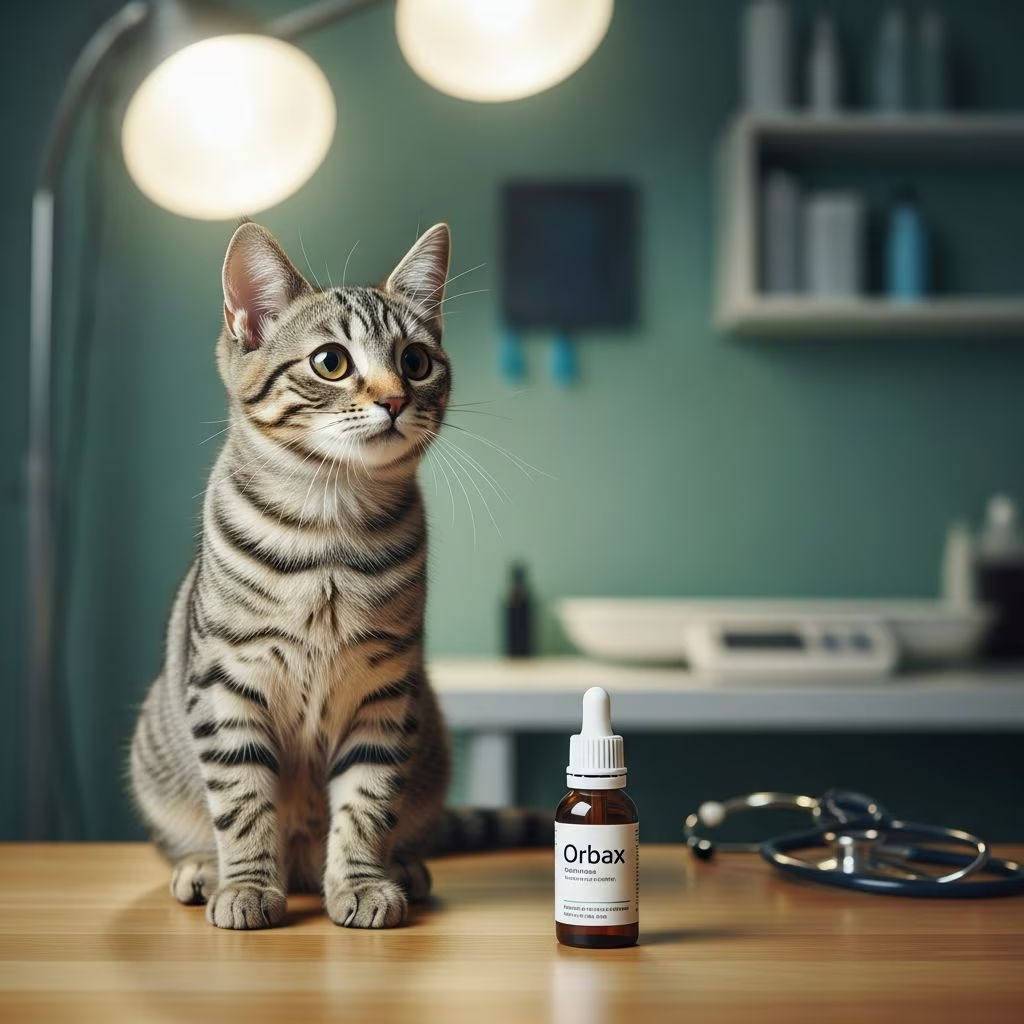
Orbax, known generically as orbifloxacin, serves as a broad-spectrum antibiotic specifically formulated for veterinary use in treating bacterial infections in cats. Primarily prescribed for skin and soft tissue issues like wounds and abscesses, it targets susceptible bacteria effectively while offering convenient once-daily dosing in either tablet or oral suspension forms.
Understanding Orbax and Its Role in Feline Medicine
Developed as a fluoroquinolone-class antibiotic, Orbax works by inhibiting bacterial DNA replication, leading to the death of harmful pathogens. In feline patients, it excels against gram-positive bacteria such as Staphylococci, which frequently cause superficial infections from scratches or fights. Unlike some antibiotics, it shows limited efficacy against anaerobes common in deep bite wounds, prompting vets to pair it with complementary drugs for comprehensive coverage.
FDA-approved for cats targeting skin infections, Orbax’s oral suspension incorporates taste-masking technology, making it more palatable and easier to administer to finicky eaters. This innovation binds the active ingredient to release it only in the stomach’s acidic environment, bypassing taste buds.
Common Infections Treated with Orbax in Cats
- Skin and Soft Tissue Infections: Ideal for wounds, abscesses, and pyoderma resulting from trauma or bacterial invasion.
- Off-Label Applications: Occasionally used for urinary tract infections or kidney issues under veterinary supervision, though not label-approved for these.
- Resistant Cases: Effective against challenging pathogens like Pseudomonas when combined with other therapies.
Early intervention with Orbax can prevent minor injuries from escalating into severe abscesses, reducing the need for surgical drainage.
Precise Dosage Guidelines for Feline Patients
Veterinarians tailor Orbax dosages to the infection’s severity and the cat’s weight, typically ranging from 2.5 to 7.5 mg/kg administered once daily. For oral suspension, doses may skew slightly higher due to variable absorption, but never exceed 7.5 mg/kg to minimize risks.
| Form | Typical Dose (mg/kg/day) | Frequency | Notes |
|---|---|---|---|
| Tablets | 2.5-7.5 | Once daily | Best on empty stomach |
| Oral Suspension | 3.4 (standard for cats) | Once daily | Shake well; use syringe for accuracy |
Treatment duration generally spans 5-10 days or continues 2 days post-symptom resolution. Always complete the full course to prevent resistance.
Step-by-Step Administration Techniques
To ensure efficacy, administer Orbax on an empty stomach for optimal absorption. For the suspension, vigorously shake the bottle, then draw the precise amount using the provided syringe. Tilt your cat’s head gently, insert the syringe along the cheek, and dispense slowly to avoid aspiration.
Tablets can be given whole or hidden in a small treat if stomach upset occurs. If vomiting follows dosing, consult your vet about pairing with food. Monitor initial doses closely for tolerance.
Recognizing and Managing Side Effects
Most cats tolerate Orbax with minimal issues; common reactions include mild gastrointestinal disturbances like vomiting, diarrhea, anorexia, or discolored feces (white/yellow tint, typically harmless). These often self-resolve without intervention.
Rarer, severe effects demand immediate attention:
- Lethargy or depression
- Excessive drooling (hypersalivation)
- Loss of coordination (ataxia)
- Seizures
- Ocular changes: dilated pupils (mydriasis), retinal abnormalities, or blindness
Retinal damage and blindness, linked to high doses, may reverse upon discontinuation but can be permanent. Accurate weighing is crucial to avoid overdosing.
Overdose Risks and Emergency Protocols
Safety studies demonstrate tolerance up to 10 times the standard dose for short periods, with primarily mild GI symptoms. However, cats show heightened sensitivity to ocular toxicity at elevated levels.
If overdose is suspected—evidenced by acute vomiting, neurological signs, or eye changes—contact your veterinarian or an emergency clinic immediately. Do not induce vomiting without guidance.
Safety Considerations and Contraindications
Avoid Orbax in pregnant, nursing, or very young kittens due to potential cartilage development issues observed in growing dogs (extrapolated caution for cats). It’s contraindicated in cats with known fluoroquinolone hypersensitivity.
Regular veterinary monitoring ensures safe use, especially for cats with pre-existing conditions like seizures or eye disorders. Drug interactions with antacids or sucralfate may reduce absorption—space doses accordingly.
Monitoring Your Cat During Treatment
Observe daily for symptom improvement within 48-72 hours. Track appetite, stool consistency, energy levels, and eye appearance. Report any decline promptly. Post-treatment, a follow-up exam confirms infection clearance.
Alternatives to Orbax for Feline Infections
Depending on culture results, vets may opt for:
- Clindamycin for anaerobes
- Amoxicillin-clavulanate for broad coverage
- Convenia (cefovecin) injections for compliance-challenged cats
Antibiotic selection hinges on sensitivity testing to combat resistance.
Frequently Asked Questions
What types of infections does Orbax treat in cats?
Orbax primarily addresses skin and soft tissue infections like wounds and abscesses caused by susceptible bacteria, including Staphylococci. Off-label uses include certain urinary issues.
Can Orbax cause blindness in my cat?
Yes, rarely at high doses, Orbax may lead to retinal changes, dilated pupils, or blindness, potentially reversible if caught early. Stick to prescribed amounts.
How long does a course of Orbax last?
Typically 5-10 days, or until 2 days after symptoms vanish, as directed by your vet to fully eradicate bacteria.
Is Orbax safe for kittens?
Use caution in young cats; avoid during rapid growth phases due to risks similar to those in puppies affecting cartilage.
What if my cat vomits after taking Orbax?
Mild vomiting is common and often resolves. If persistent, ask your vet about food administration or dose adjustment.
Preventing Infections to Reduce Antibiotic Needs
Proactive care minimizes Orbax reliance: keep claws trimmed, supervise outdoor time, clean wounds promptly, and maintain vaccinations. Indoor lifestyles and regular vet check-ups further safeguard health.
References
- Orbax for Cats: Overview, Dosage, & Side Effects — cats.com. 2023. https://cats.com/orbax-for-cats
- Orbax® (orbifloxacin) for Cats and Dogs — PetMD. 2024-02-15. https://www.petmd.com/pet-medication/orbax-orbifloxacin-for-cats-dogs
- ORBAX® ORAL SUSPENSION — Merck Animal Health USA. 2025. https://www.merck-animal-health-usa.com/products/orbax-oral-suspension-orbifloxacin/
- Orbifloxacin – VCA Animal Hospitals — VCA. 2024. https://vcahospitals.com/know-your-pet/orbifloxacin
- Pet Medication 101 – Orbax — FirstVet. 2023-10-01. https://firstvet.com/us/articles/pet-medication-101-orbax



