

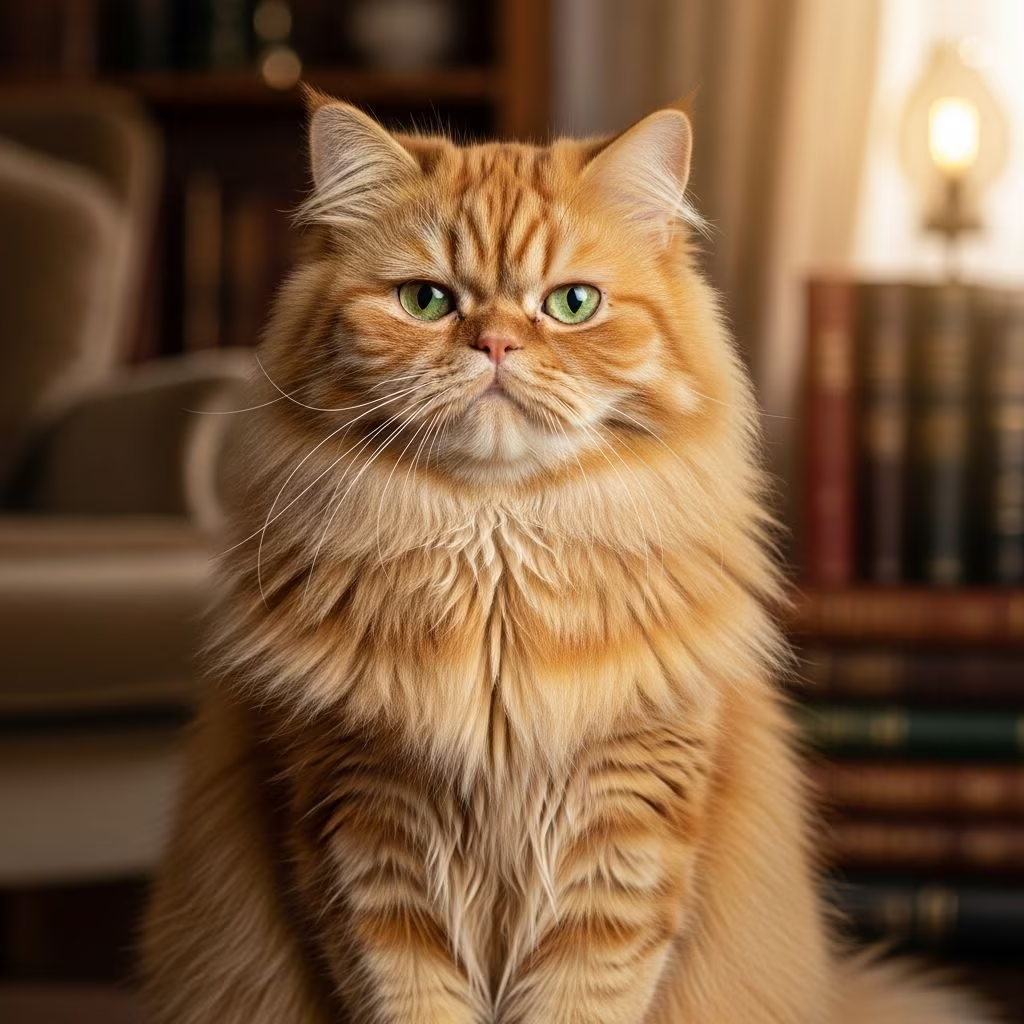
Orange Persian cats captivate with their vibrant reddish-gold fur, round faces, and plush coats that exude luxury and grace. These felines blend the timeless Persian breed’s elegance with a striking color variation, making them cherished pets for those seeking a serene, affectionate companion.
Historical Roots of the Persian Breed
The Persian cat’s lineage traces back centuries, originating from regions in modern-day Iran, historically known as Persia. Hieroglyphics and artwork from ancient Egypt depict similar long-haired cats, suggesting early trade routes brought these beauties westward. By the 17th century, European nobility prized Persians for their opulent appearance, with records from Italian royalty showcasing them as status symbols. The orange hue, resulting from the red gene on the X chromosome, appears across breeds but shines vividly in Persians due to their dense undercoat.
Breeding standards solidified in the 19th century through cat shows in England, where the Cat Fanciers’ Association later formalized traits. While not exclusive to Persians, orange variants gained popularity for their warm, sunny glow, evoking images of flickering candlelight on silk.
Distinctive Physical Features
Orange Persians embody the breed’s hallmark brachycephalic structure—a short, flat face with a petite nose, massive round eyes, and small ears set low on a broad skull. Their bodies are stocky yet compact, with short legs supporting a hefty frame weighing 7–12 pounds and standing 10–15 inches tall at the shoulder. The tail remains short and fluffy, complementing the overall rounded silhouette.
The star feature is the coat: long, thick, and flowing, with the orange color manifesting as solid red, tabby patterns, or shaded effects. Underneath lies a dense, soft undercoat that traps warmth, demanding diligent grooming. Eye colors typically range from brilliant copper to deep orange, harmonizing with the fur.
| Physical Trait | Description |
|---|---|
| Height | 10–15 inches |
| Weight | 7–12 pounds |
| Coat Length | Long and dense |
| Face Shape | Brachycephalic (flat-faced) |
| Lifespan | 15+ years with proper care |
Temperament and Daily Behavior
Renowned for tranquility, orange Persians are docile, affectionate souls who prefer lounging over high-energy antics. They form deep bonds with owners, often perching on laps for extended petting sessions or curling beside beds at night. Playful bursts mimic kitten energy, chasing feather toys before resuming their regal repose.
These cats exhibit gentle curiosity, exploring quietly without mischief. Their mellow vibe suits apartments or bustling homes alike, adapting seamlessly to routines. Orange-coated individuals may lean extra sociable, folklore suggesting a link between the color and outgoing affection—though genetics, not hue, dictate personality.
- Affectionate: Seeks human interaction daily.
- Calm: Low activity levels, ideal for relaxed lifestyles.
- Social: Welcomes guests and family members warmly.
- Trainable: Responds to litter training and basic commands.
Health Considerations for Longevity
Persians’ distinctive features bring health challenges. Brachycephalic faces hinder breathing, raising risks for heat intolerance and respiratory infections. Polycystic kidney disease (PKD) affects up to 30–50% genetically, while hypertrophic cardiomyopathy (HCM) demands cardiac screening. Dental issues from misaligned jaws and eye tearing from shallow sockets require vigilant monitoring.
Obesity looms due to sedentary habits; portion control prevents joint strain. Lifespans stretch beyond 15 years with proactive vet care, including annual checkups, ultrasounds for PKD, and dental cleanings. Recent studies emphasize early spaying/neutering to curb hereditary woes.
Grooming and Maintenance Essentials
Daily brushing combats matting in their double coat, preventing painful tangles. Use slicker brushes and wide-tooth combs, focusing on the ruff and britches. Bathing every 4–6 weeks with cat-specific shampoo maintains luster, followed by blow-drying to avoid chills.
Face folds trap moisture, fostering bacteria—clean daily with damp cloths. Trim nails biweekly, check ears for wax, and brush teeth to avert gingivitis. Nutrition favors high-protein, low-carb kibble supporting coat health and weight management.
- Brush coat thoroughly each morning.
- Wipe face folds post-meals.
- Provide scratching posts for claw care.
- Schedule professional grooming quarterly.
Ideal Living Environments
Orange Persians flourish in stable, indoor settings shielded from drafts and extremes. Climate-controlled homes mitigate breathing woes in humidity or heat. They coexist peacefully with respectful children, dogs, and fellow cats, provided introductions are gradual.
Solitary owners cherish their low-maintenance companionship, while families appreciate non-demanding play. Vertical spaces like cat trees encourage mild exercise without exhaustion.
Acquiring and Selecting a Kitten
Reputable breeders screen for PKD and HCM via genetic tests, offering health guarantees. Shelters occasionally house Persians, rewarding adopters with unique stories. Budget $800–$2,500 for pedigreed kittens, factoring vet costs. Observe parents’ temperaments and coat quality during visits.
Prioritize TICA or CFA-registered catteries adhering to ethical standards. Kittens depart at 12–16 weeks, litter-trained and socialized.
Nutrition and Diet Recommendations
High-quality wet and dry foods rich in taurine support heart health and hydration, countering kidney risks. Feed 1/4–1/2 cup daily, split into meals, adjusting for age and activity. Supplements like omega-3s enhance coat shine; avoid grains triggering allergies.
Fresh water via fountains encourages intake, vital for urinary health. Senior formulas ease digestion as they age.
Training and Enrichment Activities
Positive reinforcement teaches litter use, harness walking, and tricks like high-fives. Interactive puzzles dispense treats, stimulating minds without overexertion. Rotate toys to sustain interest, fostering bonds through play.
Frequently Asked Questions (FAQs)
Are orange Persians hypoallergenic?
No, their dense coats shed profusely, producing allergens despite grooming.
How often should I bathe my orange Persian?
Every 4–6 weeks, or as needed for show prep.
Do orange Persians get along with dogs?
Yes, with proper introductions; their calm nature aids harmony.
What causes the orange color in Persians?
The red gene on the X chromosome, yielding shades from cream to deep red.
Are Persians prone to specific diseases?
Yes, PKD, breathing issues, and eye problems necessitate regular vet care.
References
- Orange Persian Cat Breed: Info, Pictures, Origin & History — Catster. 2023. https://www.catster.com/cat-breeds/orange-persian-cat/
- Orange Persian Cats: Facts, Pictures, Origin & History — Hepper. 2023. https://articles.hepper.com/orange-persian-cat-facts/
- Persian Breed Standard — Cat Fanciers’ Association (cfa.org). Accessed 2026. https://cfa.org/breed/persian/
- Persian Cat Traits and Appearance — VetAmerikan. 2024. https://www.vetamerikan.org/our-best-friends/cat-types/persian-(iran-cat)
- Persian Cat Breed Guide — Hill’s Pet Nutrition. 2025. https://www.hillspet.com/cat-care/cat-breeds/persian



