

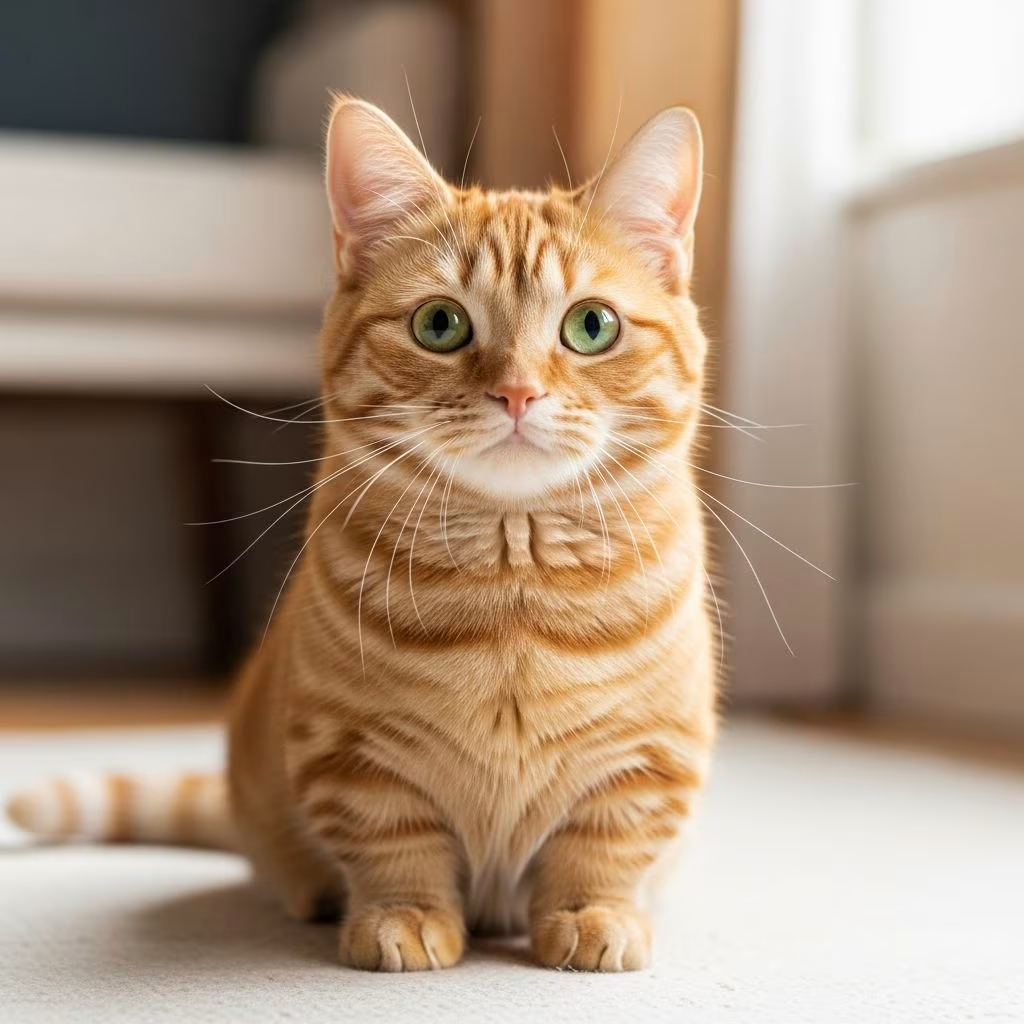
The orange Munchkin cat represents one of the most distinctive and charming feline breeds available to modern pet owners. With their distinctive short legs, vibrant orange coloring, and outgoing personalities, these diminutive felines have captured the hearts of cat enthusiasts worldwide. Their unique appearance combined with their energetic temperament makes them instantly recognizable and endlessly entertaining companions.
Understanding the Physical Characteristics of Orange Munchkins
What sets the Munchkin breed apart from conventional domestic cats is not merely their striking orange coat, but their most defining feature: shortened leg length. Munchkin cats typically reach only 6 to 9 inches in height and rarely exceed 9 pounds in weight, creating an impression of perpetual kittenhood that appeals to many prospective owners. This diminutive stature results from a naturally occurring genetic mutation affecting the long bones of the legs, a condition that has been selectively bred to establish the modern Munchkin breed.
The genetic foundation of the Munchkin breed stems from an autosomal dominant mutation that shortens and may slightly bow the long bones in the legs, while leaving the spine completely unaffected. This distinction proves crucial for understanding the breed’s health profile. Unlike dwarf dog breeds that often experience spinal complications, Munchkins maintain normal spinal structure and flexibility identical to other domestic cats.
Variations in Leg Length
An interesting aspect of Munchkin breeding is that leg length exists on a spectrum rather than representing a single standard. Some individuals possess moderately shortened legs, while others, sometimes referred to as “rug huggers,” display the most extreme leg shortening. This variation means that even within a single litter, kittens may develop different leg proportions, with some Munchkins remaining closer to standard feline leg length while their siblings display the characteristic extreme shortening.
The Appeal and Rise of Orange Munchkin Popularity
The explosive growth in orange Munchkin popularity across the United States stems from a combination of factors that make this variant particularly desirable. The breed’s diminutive size, which preserves a permanent kitten-like appearance, resonates strongly with individuals seeking perpetually youthful-looking companions. The addition of orange coloring intensifies this appeal, as orange cats have long held special significance in various cultures and traditions.
Historically, orange cats occupied a unique position in human perception. In ancient times, cats displaying orange coloring were regarded as protective talismans carrying supernatural properties, including purported abilities to heal individuals, provide advance warning of danger, and attract prosperity and wealth. While modern understanding recognizes these beliefs as folklore rather than literal truths, the cultural association persists and contributes to the desirability of orange-coated felines among contemporary pet owners.
Personality and Behavioral Traits
Orange Munchkins inherit the characteristic personality traits of their breed while channeling them through their unique physical form. These cats demonstrate remarkable friendliness, outgoing dispositions, and genuine affection toward both their human families and other household pets. Their self-assured nature combines with exceptional playfulness, creating cats that remain engaged with their environment and actively seek interaction rather than maintaining aloofness typical of some feline breeds.
Activity Levels and Movement Capabilities
Despite their shortened stature, Munchkins display surprising athleticism and speed. These compact felines navigate their environments with remarkable agility, rounding corners with the speed and precision of much larger animals. Observers frequently note that Munchkins move with surprising velocity, capable of accelerating and decelerating in ways that belie their short legs. Their lower center of gravity actually provides advantages in certain movements, allowing them to slide smoothly under furniture and obstacles without the need for the bent-back maneuvering required by standard-legged cats.
The breed’s activity level remains high throughout their lives. Orange Munchkins love engaging in active play, wrestling with compatible feline companions, and participating in interactive games initiated by their owners. Their playful energy means they require regular opportunities for mental and physical stimulation to maintain contentment and behavioral balance.
Intelligence and Problem-Solving
Munchkin cats demonstrate exceptional intelligence that manifests through their curious nature and problem-solving abilities. These perceptive felines frequently investigate their surroundings thoroughly, leaving no corner unexplored or stone unturned. Their intelligence translates into an ability to learn commands, retrieve objects during interactive games, and even master the skill of walking on leashes—accomplishments uncommon among domestic cats. Their curiosity, while endearing, occasionally manifests as a propensity to collect small objects, requiring owners to maintain awareness of potential hazards.
Care Requirements and Daily Management
Grooming and Coat Maintenance
Orange Munchkins require grooming attention approximately once per week to maintain the condition and health of their coats. Regular brushing not only preserves coat quality but also provides opportunities for owners to monitor their cats’ skin condition and detect any emerging health issues before they progress.
Environmental and Living Considerations
These cats adapt well to indoor living and, in fact, benefit from remaining exclusively indoors where their safety can be protected. Their small size makes them potentially vulnerable to larger predators and outdoor hazards, making indoor-only status a recommended practice for responsible ownership. Orange Munchkins do appreciate environmental enrichment that accommodates their active nature and intelligence.
While Munchkins can tolerate brief periods of solitude, lasting several hours, they genuinely prefer having companionship and may experience stress when left alone for extended durations. These social creatures thrive in households where family members maintain regular interaction and engagement. They respond positively to calm, stable environments and may show signs of stress in chaotic or unpredictable situations.
Health Considerations and Veterinary Care
Research conducted under the oversight of genetic specialists has substantially documented that Munchkins do not exhibit predispositions toward arthritis or mobility difficulties as they age, contrary to some misconceptions about the breed. The genetic mutation responsible for shortened legs affects only the long bones of the legs, leaving the spine and other skeletal structures completely unaffected. Pedigree Munchkins should not require testing for breed-specific genetic diseases, though maintaining regular veterinary checkups remains essential for overall health monitoring.
The most important factor in acquiring a healthy orange Munchkin involves obtaining cats from reputable breeders who can provide comprehensive documentation of health screening and genetic testing. Documentation from responsible breeders provides confidence in the cat’s genetic background and reduces the likelihood of inheriting problematic conditions. Regular veterinary checkups allow veterinarians to monitor the cat’s health trajectory and catch any emerging issues before they become serious.
Suitability as Family and Household Companions
Orange Munchkins generally make wonderful family companions, displaying genuine affection toward their humans, compatibility with children and other pets. Their friendly disposition and playful nature create engaging household dynamics that families find rewarding. However, prospective owners should understand certain important considerations before adopting.
Interaction with Younger Children
While Munchkins interact well with children overall, supervision becomes necessary when young children participate in playtime. Their diminutive bodies and shortened legs make them potentially susceptible to injury if children engage in overly rough play or handle them without appropriate gentleness. Teaching children to interact with these delicate-bodied cats appropriately protects the cat from accidental harm.
Prey Drive Management
Orange Munchkins display noticeable prey drives, meaning they maintain hunting instincts toward small creatures. Households containing small pets such as rodents, birds, or other diminutive animals require careful supervision and appropriate housing for these vulnerable creatures. Keeping small pets in secure, cat-proof enclosures protects them from the Munchkin’s predatory instincts.
Owner Experience Requirements
These cats benefit from ownership by individuals with some feline experience. First-time cat owners might find the breed’s intelligence, activity level, and specific care requirements more challenging than more laid-back feline varieties. Experienced cat owners who understand feline behavior and can provide appropriate enrichment and management typically find orange Munchkins rewarding and delightful companions.
Breed Recognition and Formal Standards
The International Cat Association (TICA) officially recognizes and maintains detailed standards for the Munchkin breed. These standards specify acceptable physical characteristics, including leg length parameters, coat qualities, and acceptable coloration patterns. Orange Munchkins conform to these standards, with their distinctive coloring representing one of many acceptable coat colors for the breed.
Comparing Orange Munchkins to Standard Munchkins
| Characteristic | Orange Munchkins | Other Colored Munchkins |
|---|---|---|
| Physical Structure | Identical short legs and body type | Identical short legs and body type |
| Personality | Same breed temperament | Same breed temperament |
| Cultural Significance | Ancient traditions associated with orange coloring | Varies by coat color |
| Popularity in US | Particularly high due to color and size | Strong but less intense than orange |
| Care Requirements | Identical to other Munchkins | Identical to other Munchkins |
Expected Lifespan and Long-Term Ownership
Orange Munchkins, like other Munchkin cats, typically enjoy lifespans comparable to other domestic cat breeds when maintained with appropriate care. Providing regular veterinary attention, maintaining appropriate weight, offering mental and physical enrichment, and ensuring safe living environments all contribute to longevity. These cats can provide companionship for many years, making them long-term commitments rather than short-lived novelties.
Frequently Asked Questions
Do Orange Munchkins Experience Mobility Problems?
Despite their short legs, orange Munchkins do not experience mobility difficulties. The genetic mutation affects only leg length without impacting spinal function or mobility. These cats run, jump, climb, and move with agility comparable to standard-legged cats, though their movements may appear comical due to their proportions.
Are Orange Munchkins Recognized by Major Cat Associations?
Yes, Munchkins including orange-colored individuals are recognized by TICA and other major feline organizations. These associations maintain detailed breed standards and actively support responsible breeding practices.
What Special Diets Do Orange Munchkins Require?
Orange Munchkins do not require specialized diets beyond what any healthy domestic cat needs. High-quality feline nutrition supporting their active metabolism and maintaining healthy weight represents the primary dietary consideration.
Can Orange Munchkins Live Outdoors?
While technically capable of outdoor living, orange Munchkins benefit from remaining exclusively indoors. Their small size and reduced speed compared to standard-sized cats make outdoor living riskier in terms of predation and traffic hazards.
Making the Decision to Adopt an Orange Munchkin
Prospective orange Munchkin owners should carefully consider whether their lifestyle and expectations align with this breed’s characteristics. These cats thrive with owners who appreciate their playful nature, can provide appropriate enrichment, and maintain commitment to indoor-only living. Families with very young children or households containing small prey animals require additional consideration regarding compatibility. When adopted by suitable owners, orange Munchkins reward their families with years of entertainment, affection, and companionship, living up to their reputation as cats with big personalities housed in distinctively small bodies.
References
- Munchkin Cat Breed & Adoption Info — Petfinder. Accessed January 2026. https://www.petfinder.com/cats-and-kittens/breeds/munchkin/
- Orange Munchkin Cat: Info, Pictures, Origin & History — Catster. Accessed January 2026. https://www.catster.com/cat-breeds/orange-munchkin-cat/
- Munchkin Cat Personality: How Do Munchkin Cats Act? — Litter-Robot. Accessed January 2026. https://www.litter-robot.com/blog/munchkin-cat-personality/
- Munchkin Breed Standard — The International Cat Association (TICA). Accessed January 2026. https://tica.org/breed/munchkin/



