

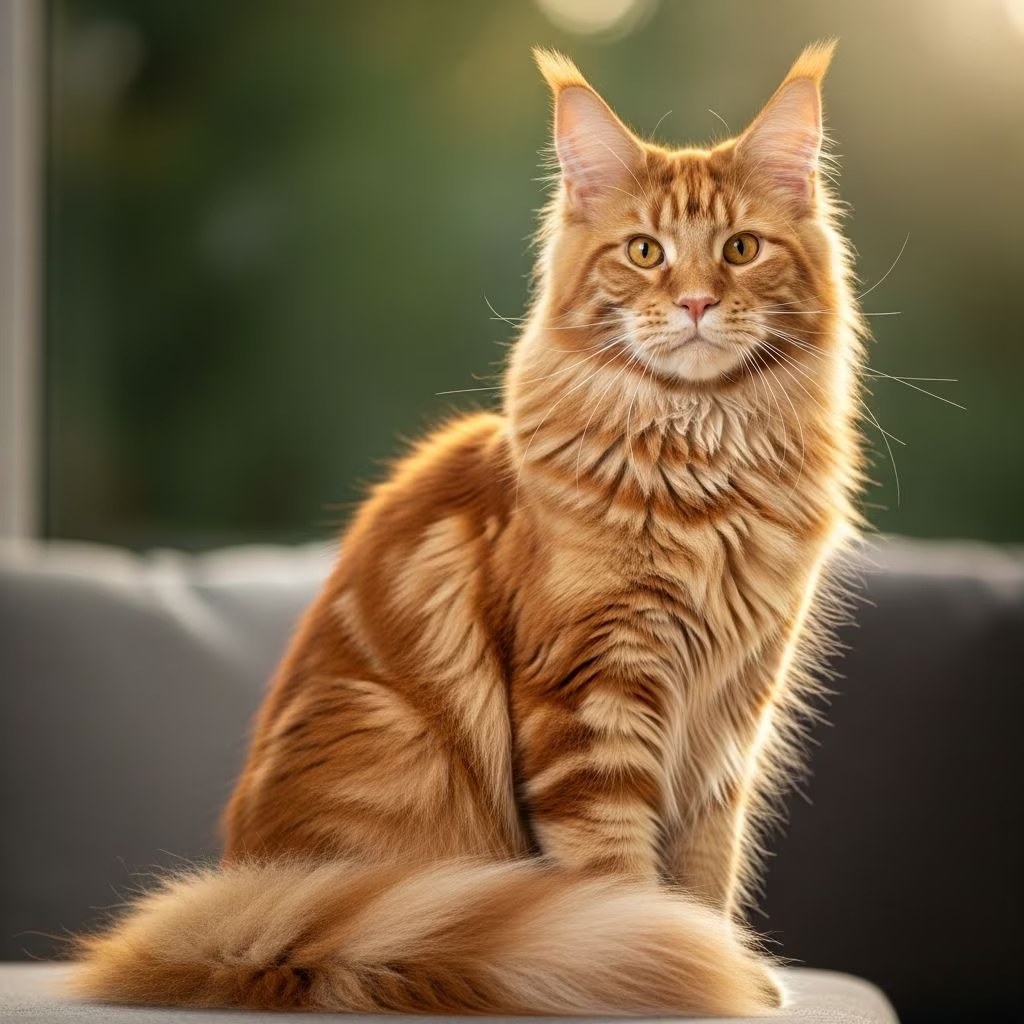
Orange Maine Coon cats captivate with their enormous size, luxurious reddish fur, and endearing dog-like devotion. These natural wonders from America’s Northeast embody resilience and warmth, blending impressive physical prowess with a sociable spirit that wins hearts everywhere.
Origins and Heritage of the Maine Coon Breed
The Maine Coon traces its roots to the rugged landscapes of New England, particularly Maine, where it emerged as a hardy survivor amid harsh winters. Believed to have developed through natural selection, this breed adapted to snowy terrains with features like water-repellent coats and snowshoe-like paws. Folktales suggest influences from longhaired cats brought by sailors or even raccoons, though genetics confirm its domestic lineage. By the late 19th century, Maine Coons gained fame at cat shows, solidifying their status as America’s native longhaired breed.
Registered with organizations like The International Cat Association (TICA), Maine Coons represent a working cat heritage, excelling as mousers on farms. Their evolution prioritized fitness for extreme climates, resulting in robust builds suited for outdoor challenges while thriving indoors today.
Distinctive Physical Attributes
Maine Coons stand out as one of the largest domesticated cat breeds, with males often reaching 13-18 pounds and females 8-12 pounds, though some tip the scales higher. Their rectangular bodies feature broad chests, substantial boning, and long, muscular frames that convey power without bulkiness.
- Size and Build: Long bodies with strong legs; males larger than females, overall length up to 40 inches including tail.
- Head and Ears: Wedged-shaped heads with high cheekbones, large pointed ears tipped with tufts resembling lynx features for added charm.
- Paws and Tail: Massive paws with fur tufts for snow traction; exceptionally long, bushy tails that provide balance and insulation.
The semi-long, shaggy coat is their crowning glory—silky, dense undercoat with longer guard hairs, longer on the belly and britches, shorter on shoulders. This water-resistant fur dries quickly, a boon from their watery origins.
The Allure of the Orange Coat Variation
Among coat colors—brown tabby, black, white, cream, blue—the orange or red variant shines vividly. Often seen in tabby patterns with bold stripes and swirls, orange Maine Coons display golden undertones, sometimes with white accents on chests or paws. This hue stems from the red gene, more common in males due to X-chromosome linkage, lending them a fiery, lion-like mane around the neck.
Eye colors complement the palette: green, gold, copper, or blue in white-patched individuals, framed by expressive, slightly slanted eyes that convey intelligence and curiosity.
Temperament: The Gentle Giant Personality
Dubbed “gentle giants,” Maine Coons blend playfulness with mellow demeanor. Highly intelligent, they learn tricks, play fetch, and respond to names with chirps, trills, and chirrups rather than loud meows.
| Trait | Description |
|---|---|
| Affectionate | Forms deep bonds, often choosing one favorite human for headbutts and cuddles. |
| Sociable | Thrives with families, children, dogs, and other cats; rarely aggressive. |
| Playful | Kitten-like energy into adulthood, prefers ground chases over climbing. |
| Intelligent | Solves puzzles, guards home, communicates vocally. |
Orange Maine Coons amplify this charm with their bold appearance matching outgoing natures. They adapt to busy homes or quiet apartments, enjoying supervision of daily activities without demanding constant attention.
Grooming and Daily Care Essentials
Despite dense coats, Maine Coons require moderate upkeep. Weekly brushing prevents mats, especially around ruff and britches; their fur resists tangling naturally.
- Brushing: 2-3 times weekly with slicker brush; more during shedding seasons.
- Bathing: Rare, as coat repels dirt; use cat-safe shampoo if needed.
- Nail Trims: Bi-weekly to manage large claws.
- Dental Care: Daily brushing or dental treats to combat plaque.
- Ear Cleaning: Monthly checks for wax buildup in tufted ears.
Provide scratching posts, interactive toys, and elevated perches to satisfy their active minds and bodies. High perches accommodate their size without jumping strain.
Nutrition and Feeding Guidelines
Large frames demand nutrient-dense diets supporting muscle maintenance and coat health. Feed premium kitten food until 18-24 months due to slow maturation, then adult formulas rich in protein (40%+), taurine, and omega fatty acids.
Daily intake: 300-500 calories split into 3-4 meals to prevent obesity. Fresh water essential; many fancy running fountains mimicking streams. Monitor weight, as indoor lifestyles risk excess pounds.
Health Considerations and Lifespan
Maine Coons enjoy 12-15 year lifespans with proper care, though prone to hypertrophic cardiomyopathy (HCM), hip dysplasia, and spinal muscular atrophy (SMA). Annual vet checkups, including heart ultrasounds, detect issues early.
- HCM: Genetic heart thickening; screening recommended for breeders.
- Obesity: Portion control and exercise mitigate risks.
- Patellar Luxation: Kneecap displacement in some lines.
Choose reputable breeders screening for hereditary conditions; rescues offer healthy adults.
Ideal Living Environments
Versatile adapters, Maine Coons flourish in homes with space for romps. They tolerate apartments if provided toys and companionship, excelling in families with respectful children and calm dogs.
Outdoor access risky due to size attracting predators; supervised enclosures or leashed walks suit adventurous spirits.
Bringing Home an Orange Maine Coon
Acquire from CFA/TICA breeders emphasizing health testing or ethical rescues. Kittens mature slowly, reaching full size by 3-5 years. Prepare with sturdy litter boxes, tall trees, and durable toys.
Socialize early for well-rounded adults; expect hefty food bills and vet costs fitting their stature.
Frequently Asked Questions (FAQs)
Are orange Maine Coons rare?
Orange coats occur naturally but less frequently than tabby brown; males more likely due to genetics.
Do Maine Coons get along with dogs?
Yes, their dog-like traits foster easy bonds with canines.
How often should I groom an orange Maine Coon?
Weekly brushing suffices; daily during heavy sheds.
What is the average size of a Maine Coon?
Males 13-18 lbs, females 8-12 lbs; lengths up to 40 inches.
Are Maine Coons good for apartments?
Absolutely, with enrichment and interaction.
Why Choose an Orange Maine Coon?
These fiery-coated titans offer loyalty, smarts, and visual splendor unmatched in feline world. Their gentle souls wrapped in plush grandeur make them lifelong companions for diverse households.
References
- Maine Coon Cat: A Complete Breed Profile — WHISKAS UK. 2023. https://www.whiskas.co.uk/cat-breeds/maine-coon
- Maine Coon | Traits, Appearance, General, Character — VetAmerikan. 2024. https://www.vetamerikan.org/our-best-friends/cat-types/maine-coon
- Maine Coon Cat Characteristics & Care Guide — Cat Evolution. 2023. https://catevolution.com.au/blogs/cat_tips_tricks/maine-coon-cat-characteristics
- Maine Coon Breed: Characteristics, Care & Photos — Chewy. 2024. https://www.chewy.com/education/cat-breeds/maine-coon
- Maine Coon Cat Breed — Hill’s Pet Nutrition. 2024. https://www.hillspet.com/cat-care/cat-breeds/maine-coon
- Maine Coon — The International Cat Association (TICA). 2024. https://tica.org/breed/maine-coon/



