
Orange Colored Pet Birds: Species Guide & Care
Discover vibrant orange pet bird species, their personalities, behaviors, and ideal care requirements.
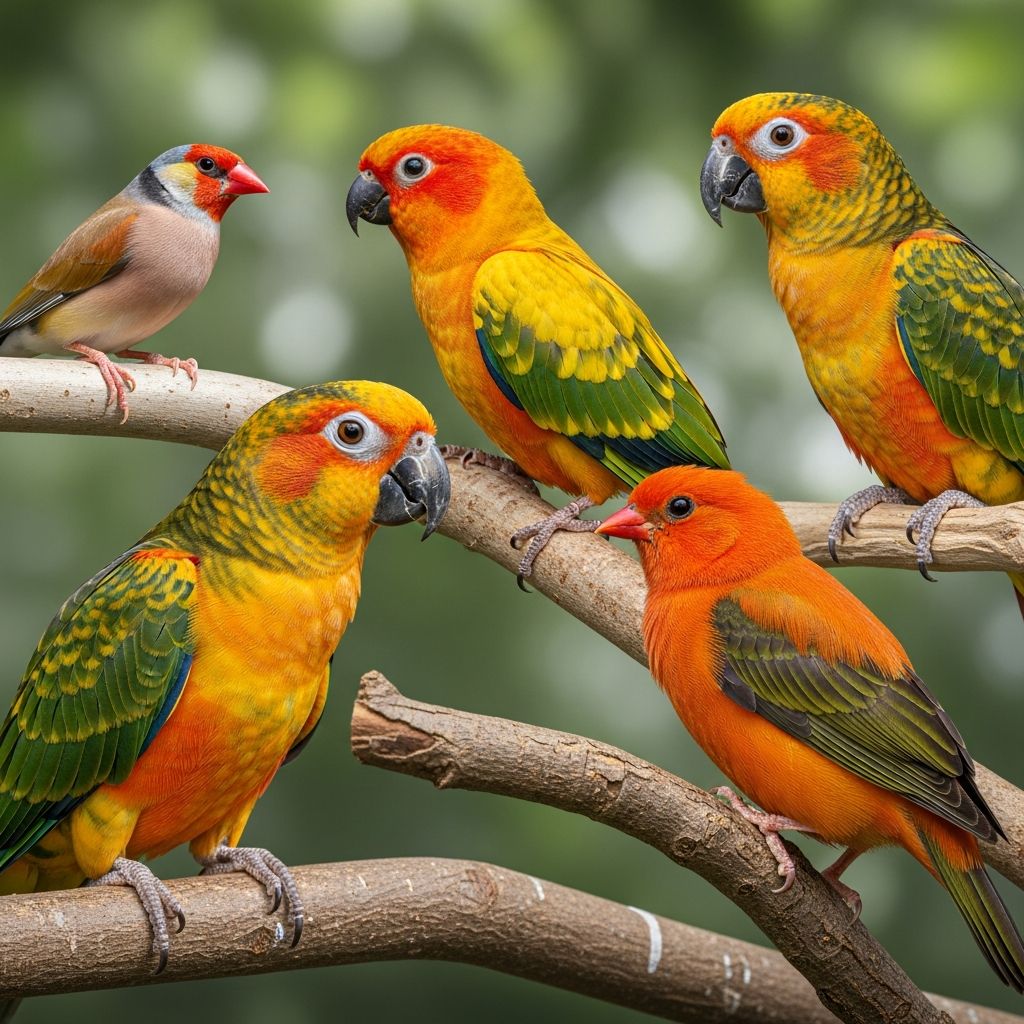
Orange-colored birds bring vibrancy, energy, and personality to any household. From the striking plumage of sun conures to the warm tones of canaries and lovebirds, these feathered companions captivate bird enthusiasts with their bold appearance and engaging personalities. Whether you’re a first-time bird owner or an experienced aviculturist, understanding the characteristics and care requirements of orange pet birds is essential to providing them with a fulfilling life.
Understanding Orange Bird Species
Orange coloration in pet birds ranges from subtle peachy tones to brilliant, eye-catching hues. This distinctive coloring often correlates with the bird’s energetic personality and social nature. Many orange birds are known for their playfulness, intelligence, and strong bonds with their human caregivers. The spectrum of orange species available to pet owners offers diverse options in terms of size, vocalization level, and care complexity.
Sun Conures: Bold in Appearance and Personality
The sun conure stands as one of the most visually stunning orange bird species available to pet owners. With their brilliant yellow and orange plumage, these medium-sized parrots are impossible to overlook. Sun conures are bold not only in appearance but also in personality, displaying characteristics that make them memorable companions.
Sun conures are known for their vocalizing abilities, which can become quite loud at times. These birds are inherently playful and possess an adventurous nature that keeps their owners engaged and entertained. Their energy levels remain consistently high throughout the day, requiring ample mental stimulation and interactive playtime. If you’re considering a sun conure, be prepared for a bird that demands attention, interaction, and a substantial amount of your time and energy.
These conures thrive in environments where they receive regular social interaction and access to toys that provide mental enrichment. Their curious nature means they’ll explore every corner of their environment and investigate new objects with enthusiasm. Providing a spacious cage with climbing opportunities, swings, and destructible toys will help keep your sun conure mentally stimulated and physically active.
Jenday Conures: The Laid-Back Alternative
While conures as a species are generally energetic and social, jenday conures have earned a reputation for being somewhat more laid-back than their conure cousins. This doesn’t mean they lack personality or entertainment value; rather, they offer a slightly calmer demeanor while still maintaining the spirited nature characteristic of their species.
Jenday conures appreciate plenty of interaction with their people, though they may be less demanding than other conure varieties. These birds enjoy playtime and benefit from environmental enrichment, particularly bird toys that can be chewed. Their destructive tendencies regarding toys are typical for the species, as they use natural foraging behaviors to manipulate and explore objects in their environment.
Like most conures, jennday conures vary in size from small to medium, making them suitable for various living situations. They generally prefer to be where household activity is happening, including mealtimes and time spent with their favorite people. This social orientation makes them excellent family birds when properly socialized and handled regularly.
Orange-Winged Amazon Parrots: Mellow Giants
Orange-winged Amazon parrots present an interesting contrast to other Amazon species. While their Amazonian cousins are often known for being highly vocal and demanding, orange wings display a mellower and less talkative temperament. These larger parrots bring a sophisticated presence to a household while maintaining a more relaxed demeanor than expected from their species.
Despite their calmer nature, orange-winged Amazons are still spunky and outgoing birds. They respond well to social interaction and appreciate being included in family activities. Like most Amazon parrots, they are social eaters and will genuinely enjoy sharing healthy meals with their favorite people. This dining companionship creates bonding opportunities and allows owners to engage with their birds during regular family meal times.
Orange-winged Amazons can live exceptionally long lives, often reaching 50-80 years or more in captivity. Their longevity means owning one represents a lifelong commitment comparable to human relationships. These birds develop strong attachments to their caregivers and thrive when they receive consistent, thoughtful care throughout their lives.
Conures: Playful and Inquisitive Companions
Conures as a broader category represent some of the most popular mid-sized pet birds available today. Their charm lies in their combination of playfulness and inquisitive personalities, making them endlessly entertaining for their owners. Conures vary in size from small to medium, offering options for different living spaces and care capabilities.
These birds typically enjoy being active participants in household life. They appreciate locations where they can observe family activities, join in mealtime, and spend quality time with their favored people. Their social nature means they’re rarely content to be left alone for extended periods and require regular interaction to maintain their emotional well-being.
Lovebirds: Small Birds with Big Personalities
Lovebirds, despite being among the smaller parrot species available as companion pets, possess inquisitive minds and seemingly endless energy. Their name derives from their tendency to form loving, attentive bonds with their mates, extending this devotion to their human caregivers as well.
Peach-Faced Lovebirds
Peach-faced lovebirds exude big personalities within their small bodies. These birds genuinely love playtime and positive interaction with their people, thriving on daily engagement and social contact. They are known for their “busy beak,” which means they constantly manipulate objects in their environment, often tearing up strips of paper and weaving them into cage bars.
Peach-faced lovebirds require substantial mental and physical stimulation to prevent behavioral problems. Providing an array of toys, foraging opportunities, and interactive activities keeps them engaged and satisfied. Their affectionate nature makes them rewarding companions for those willing to invest time in their care.
Fischer’s Lovebirds
Fischer’s lovebirds possess plenty of energy and can become loyal friends through regular interaction. While energetic by nature, Fischer’s tend to be gentler than other lovebird species, particularly when housed in aviary environments. They respond well to consistent socialization and handling from a young age.
Canaries: Centuries of Selective Breeding
Canaries have been favorites among bird keepers for hundreds of years, earning their enduring popularity through their beautiful appearance and melodious songs. These birds have been bred into more than 200 distinct breeds, each prized for particular skills or appearance characteristics similar to selective dog breeding programs.
Some canary varieties display orange or orange-tinted plumage, adding visual appeal to their vocal talents. Different breeds have been developed to emphasize various traits, from song quality and volume to specific color patterns and body conformations. This diversity means potential canary owners can find varieties matching their preferences and living situations.
Senegal Parrots: Appearances Can Deceive
Senegal parrots, while not predominantly orange, often display orange accents on their underparts and tail feathers. These birds possess distinctive features including yellow irises and blocky heads that can give them an intense appearance. However, this serious-looking exterior belies their actual personality.
Senegal parrots can be surprisingly outgoing and playful, making them popular companion birds. They represent the most popular species within the Poicephalus genus, appreciated for their manageable size and engaging personalities. Their combination of striking appearance and friendly demeanor makes them excellent choices for bird enthusiasts seeking smaller parrot species.
Behavioral Characteristics of Orange Birds
Orange-colored birds tend to share certain behavioral traits that make them distinctive within the avian world. Their vibrant coloration often correlates with equally vibrant personalities. Understanding these behavioral patterns helps prospective owners make informed decisions about species selection.
Most orange bird species display high energy levels, requiring ample space for movement and daily exercise. They appreciate social interaction and respond positively to engaged owners who provide consistent mental stimulation. Many orange birds are vocal, using sounds to communicate with their flock members and human caregivers. This vocalization tendency should be considered by apartment dwellers or those with noise-sensitive households.
Care Requirements and Housing
Proper housing is fundamental to the health and happiness of orange-colored pet birds. Each species has specific requirements, but general principles apply across the board:
Cage Size and Configuration: Birds require adequate space to spread their wings, move comfortably, and engage in natural behaviors. Larger species like Amazon parrots and macaws need significantly more space than small lovebirds or canaries. Vertical space is particularly important as most birds prefer climbing and perching at elevated heights.
Perching Options: Multiple perches of varying diameters provide foot exercise and prevent pressure sores. Natural wood perches are preferable to dowels and should be replaced periodically as birds naturally wear them down through gnawing and climbing.
Environmental Enrichment: Toys, foraging opportunities, and interactive elements keep birds mentally stimulated. Destructible toys satisfy natural chewing behaviors and should be rotated regularly to maintain novelty and interest.
Temperature and Lighting: Most orange bird species prefer temperatures between 65-75 degrees Fahrenheit. Natural lighting cycles are important for maintaining circadian rhythms and reproductive health. Providing 10-12 hours of sleep in a quiet, dark environment supports overall well-being.
Dietary Needs for Orange Birds
Proper nutrition forms the foundation of health for all pet bird species. Orange-colored birds benefit from diverse, species-appropriate diets that include:
Pellets: High-quality commercial pellets formulated for specific species or bird groups provide balanced nutrition and should comprise approximately 50-70% of the diet for most species.
Fresh Fruits and Vegetables: Daily offerings of fresh produce provide vitamins, minerals, and fiber. Orange birds particularly appreciate colorful vegetables like carrots, sweet potatoes, and bell peppers alongside fruits such as apples, berries, and citrus.
Nuts and Seeds: Limited quantities of nuts and seeds offer healthy fats and enrichment but should not comprise the bulk of the diet due to high fat content.
Social Feeding: Many orange bird species enjoy participating in family meals, sharing healthy foods with their human companions. This social aspect of feeding strengthens bonds and encourages natural foraging behaviors.
Social Interaction and Training
Orange-colored birds are highly social creatures requiring regular interaction and mental stimulation. Consistent, positive interaction prevents behavioral problems including aggression, feather plucking, and destructive behavior. Daily interaction sessions should include:
Playtime: Out-of-cage time allows birds to exercise and explore under supervision. This time strengthens the bond between bird and owner while providing essential physical activity.
Training: Many orange bird species respond well to positive reinforcement training, learning to step up, recall, and perform tricks. Training sessions provide mental enrichment and reinforce the human-bird relationship.
Vocalization Tolerance: Understanding that vocalization is natural behavior for most orange species helps owners manage expectations. Redirecting vocalizations and providing appropriate outlets maintains household harmony.
Comparison of Popular Orange Bird Species
| Species | Size | Lifespan | Vocalization Level | Personality | Care Level |
|---|---|---|---|---|---|
| Sun Conure | Medium (12 inches) | 25-30 years | Very High | Bold, Playful, Adventurous | Moderate to High |
| Jenday Conure | Small to Medium (10 inches) | 20-30 years | High | Laid-back, Social, Affectionate | Moderate |
| Orange-Winged Amazon | Large (13 inches) | 50-80+ years | Moderate | Mellow, Spunky, Social | High |
| Peach-Faced Lovebird | Small (6 inches) | 15-20 years | High | Big personality, Active, Bonded | Moderate |
| Fischer’s Lovebird | Small (6 inches) | 15-20 years | Moderate to High | Energetic, Gentle, Loyal | Moderate |
| Canary | Small (5 inches) | 10-15 years | High (singing) | Independent, Melodious, Active | Low to Moderate |
Frequently Asked Questions About Orange Pet Birds
Q: Are orange-colored birds louder than other bird species?
A: Most orange bird species, particularly sun conures and conures generally, are quite vocal. However, vocalization levels vary by species. Orange-winged Amazons are notably less talkative than other Amazon species. Canaries vocalize through singing rather than screaming. Potential owners should research specific species vocalization tendencies before committing.
Q: How long do orange-colored pet birds typically live?
A: Lifespan varies considerably by species. Small species like lovebirds and canaries typically live 15-20 years. Medium conures live 20-30 years. Large parrots like orange-winged Amazons can live 50-80 years or longer. This extended lifespan represents a significant, lifelong commitment.
Q: Can orange birds be kept as apartment pets?
A: Smaller orange bird species like lovebirds and canaries adapt well to apartment living with proper noise management. Larger species like sun conures and Amazon parrots may be challenging due to vocalization levels. Success depends on your tolerance for noise and your neighbors’ sensitivity.
Q: Do orange birds require special diets?
A: While no diet is exclusively for orange birds, each species has specific nutritional requirements. High-quality pellets formulated for their species category, supplemented with fresh fruits, vegetables, nuts, and seeds provide complete nutrition. Avoid avocado, chocolate, salt, and caffeine, which are toxic to all bird species.
Q: How much daily interaction do orange birds need?
A: Most orange bird species require minimum 2-4 hours of daily interaction and out-of-cage time. Social interaction, training, and play are essential for mental health and behavioral stability. Birds left alone for extended periods frequently develop behavioral problems.
Q: Are orange birds good for first-time bird owners?
A: Some orange bird species are suitable for experienced beginners. Canaries and smaller lovebirds require less hands-on interaction than conures and Amazon parrots. Larger parrots are better suited for experienced owners due to their longevity, intelligence, and complex care requirements.
Health Considerations for Orange Birds
Regular veterinary care from an avian specialist is essential for maintaining orange bird health. Common health issues vary by species but may include air sac mites, respiratory infections, and nutritional deficiencies. Recognizing signs of illness including ruffled feathers, labored breathing, reduced appetite, and behavioral changes allows for prompt treatment.
Providing appropriate environmental conditions, proper nutrition, and stress reduction promotes good health and longevity. Annual wellness examinations help identify health issues before they become serious, and maintaining clean living environments prevents many common avian diseases.
Conclusion: Choosing Your Orange Feathered Companion
Orange-colored pet birds offer diverse options for bird enthusiasts at various experience levels. From the vibrant sun conure’s bold personality to the laid-back charm of jenday conures, the gentle nature of lovebirds, and the sophisticated companionship of orange-winged Amazons, each species brings unique qualities to a household. Selecting the right orange bird species depends on your lifestyle, available space, noise tolerance, and commitment level. Whichever species you choose, providing proper care, consistent interaction, and appropriate enrichment ensures a fulfilling relationship with your feathered companion.
References
- Orange Colored Pet Birds — Lafeber Company. 2025. https://lafeber.com/pet-birds/color/orange/
- Parrot Species and Behavior Guide — Lafeber Company. 2025. https://lafeber.com/pet-birds/types-of-birds/
- Amazon Parrot Care and Longevity — Lafeber Company. 2025. https://lafeber.com/pet-birds/amazon-parrot-still-going-strong-100/
- Association of Avian Veterinarians – Avian Health Resources — Association of Avian Veterinarians. 2024. https://www.aavv.org/
- Pet Bird Care Guidelines — The Avian Veterinarian Society. 2024. https://www.avianvet.org/
Similar Articles








Read full bio of medha deb


