

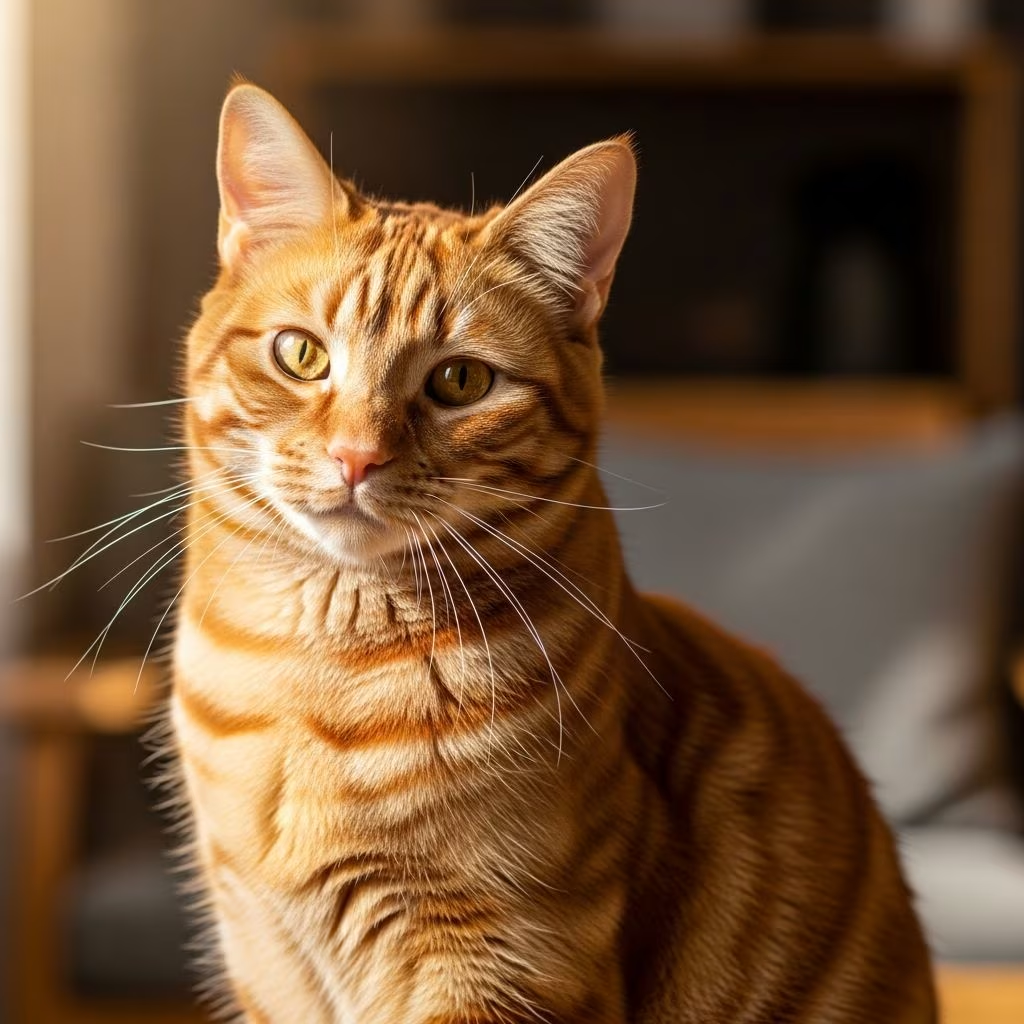
Orange Cat Breeds: A Complete Guide to Ginger Felines
Orange cats, commonly referred to as ginger or red cats, captivate cat enthusiasts worldwide with their striking, vibrant coats and engaging personalities. These felines showcase a remarkable range of hues, from soft peachy tones to deep rust-colored markings, making them instantly recognizable. Beyond their eye-catching appearance, orange cats are renowned for their outgoing temperaments and friendly dispositions. Many cat lovers swear that orange cats are extra outgoing, friendly, and full of personality, and some research supports this perception. Whether you’re drawn to the tabby patterns, solid coats, or tortoiseshell variations, understanding the different orange cat breeds can help you find the perfect feline companion for your household.
Understanding Orange Cat Genetics
The genetics behind orange cat coloring is fascinating and rooted in chromosomal inheritance. Most orange tabby cats—approximately 80%—are male, a fact directly linked to how color genes are inherited. Male cats possess one X chromosome, meaning if they inherit the O (orange) gene variant, they will display an orange coat. Female cats, having two X chromosomes, require two copies of the orange gene to appear fully orange, making female orange cats relatively rare. Conversely, female felines are more likely to be calico or tortoiseshell because they have more gene combinations available through their X chromosomes (O/O, o/o, O/o, o/O).
Orange coat patterns can manifest in multiple ways across different breeds. Orange coats can be long, short, striped (tabby or mackerel patterned), tortoiseshell, or calico. Tabby patterns, which are found in many orange cat breeds, typically feature tiger-like stripes with specific facial markings, most notably an “M” shape on the forehead, along with rings around the legs and tail. Understanding these genetic patterns helps explain the diversity you’ll see among orange cat breeds.
Popular Orange Cat Breeds
Abyssinian
The Abyssinian stands out as one of the most distinctive orange cat breeds available. These cats are characterized by a reddish-brown or coppery orange coat with darker ticking patterns that create a shimmering, elegant appearance. Abyssinians possess large ears, wide almond-shaped eyes, and long lean bodies that give them a statuesque form and glamorous bearing. Beyond their striking appearance, Abyssinians are active cats with lots of personality. If you’re drawn to the Abyssinian, be prepared to provide plenty of interaction along with a feline companion or two, as they thrive on engagement and social stimulation.
Turkish Angora
A true pedigree cat, the Turkish Angora ranks among the ancient cat breeds with a plumed tail and short silky fur that puffs out over its graceful, fine-boned body. Though they’re best known as white felines, they come in a range of hues, including a soft sherbet orange. Regardless of their shadings, the Turkish Angora will quickly establish their reign as your home’s alpha pet. These intelligent and sophisticated felines will impress your guests with their impeccable hosting skills, holding court and mingling with party attendees from start to finish.
Egyptian Mau
The Egyptian Mau is truly a head-turner among orange cat breeds. You’ll immediately notice the distinctive tabby “M” marking on the forehead, contrasting beautifully with a spotted body. Those of the orange variety are stunning with their deep rust-colored markings that make them instantly recognizable. Egyptian Maus possess an intensely friendly personality that charms everyone they meet. They’re famous for adapting to just about any living situation, making them excellent companions for various households. However, they also have distinct loyalties, often singling out one family member as their favorite person.
American Shorthair
The American Shorthair is a medium-sized, muscular cat known for its gentle and affectionate temperament. Their short, dense coat comes in various colors and patterns, including striking orange hues. These cats tend to get along well with children and other pets, making them suitable family companions. American Shorthairs are adaptable and low-maintenance, requiring minimal grooming while providing maximum companionship and loyalty.
American Curl
American Curl cats are identifiable by their distinctive curly-cue ears that slowly begin curling backwards a few days after birth. Known for their outgoing personalities and adaptability, these small to medium-sized cats stand 9 to 12 inches tall and weigh 5 to 10 pounds. These kitties can be tortoiseshell, calico, red, orange, and gold, with lifespans reaching 10 to 20 years. Their smart, sweet nature makes them engaging companions for families seeking interactive pets.
Persian
The Persian breed is celebrated for their long, luxurious coats and distinctive flat faces. They have a calm and affectionate demeanor and prefer a peaceful environment. Persians come in many colors and patterns, including orange tabby variations. However, it’s important to note that Persians have higher grooming needs than other breeds and are prone to more health problems due to their brachycephalic facial structure, which can affect breathing and eye health.
Exotic Shorthair
Exotic Shorthairs were specifically bred from Persian cats to have shorter, denser coats while maintaining their beloved flat-faced appearance. Ranging from 10 to 12 inches in height and weighing 9 to 12 pounds, these gentle and sweet cats need less brushing than Persians but just as much cuddling. You can find them in tortoiseshell, calico, and tabby patterns with hues of red, gold, and orange. Their plush, round appearance with compact, muscular bodies makes them ideal for households seeking a lower grooming commitment.
Scottish Fold
Scottish Fold cats are known for their distinctive folded ears, round faces, and expressive eyes that capture hearts immediately. This affectionate and sociable breed enjoys attention in just about any form. Their short and long varieties of coats can be red, gold, orange, tortoiseshell, calico, or tabby. Standing 8 to 10 inches tall and weighing 6 to 13 pounds, Scottish Folds are adaptable and loving companions with lifespans of 14 to 16 years. Their adorable orange coats are often paired with glossy, copper eyes, and the coloring extends to their paws, underside, nose, and even paw pads.
LaPerm
As their name suggests, LaPerm cats have very curly coats that set them apart from other breeds. Measuring 6 to 10 inches tall and weighing 6 to 12 pounds, some are born with straight fur or no fur that grows in later or develops into curls. Regardless of their coat variation, you can definitely find them in bright hues of orange and red. These adaptable and doting cats love to love you, so make plenty of time for play and bonding activities.
Munchkin
Munchkin cats are known for their very short legs, which are the result of a genetic mutation. These spirited cats enjoy plenty of playtime and come in many different colors, including striking orange variations. Their grooming needs will depend on their coat type and length, with some requiring minimal maintenance while others need regular brushing to keep their coats healthy and beautiful.
Devon Rex
The Devon Rex is instantly recognizable thanks to their oversized ears, large eyes, and uniquely wavy coat. These cats are extremely social with energetic and mischievous personalities that delight their owners. Their low-shedding, curly fur makes grooming much easier than many other breeds, and they can display beautiful orange coloring. Devon Rexes form strong bonds with their families and enjoy interactive play and attention.
Manx
Manx cats are balls of joy, which is particularly appropriate given their tiny, rounded bobtails. These working cats originally from the Isle of Man are incredibly loyal companions standing 7 to 11 inches tall and weighing 8 to 12 pounds. Manx cats can come in orange, red, calico, tortoiseshell, and tabby colors and patterns. Their loyal and goofy personalities make them wonderful family pets with lifespans of 10 to 14 years.
Maine Coon
Maine Coons are large, sweet cats known for their exceptional adaptability to cold weather. These gentle giants can display stunning orange coloring and are excellent family companions. Like their size suggests, Maine Coons require ample space and enjoy interactive play. Their impressive size, which can reach up to 18 pounds or more, combined with their friendly temperament, makes them beloved by families worldwide.
Norwegian Forest Cat
Like Maine Coons, Norwegian Forest Cats are big, sweet, and good in cold weather. However, they are more independent and may need more space than other cats. Norwegian Forest Cats are known for their signature white and tabby mixture, which can often be orange or red in color. These majestic cats possess thick, water-resistant coats developed to thrive in Scandinavian climates.
Siberian
This medium to large breed is both playful and deeply affectionate. Siberians have sweet personalities and love to be with their people. Their dense fur helps them thrive in cooler climates, but it also means they require quite a bit of grooming. These robust cats, which can weigh up to 20 pounds, are known for their longevity and can live into their late teens.
Cornish Rex
Another distinctive orange cat breed, the Cornish Rex is known for its unique undercoat of fur that differs from the more common three-layered coat on other domestic cats. It can be found in a variety of colors including cream, black, blue, white, chocolate, and orange. While you’ll find orange tabby variations, Cornish Rexes can also have a tortoiseshell pattern showcasing orange, black, and white. Their distinctive coat texture makes them instantly recognizable and requires special grooming attention.
Personality Traits of Orange Cats
Orange cats are notorious for their big, bold personalities that seem to take up more space than their small frames. Across most breeds, orange cats display common personality characteristics that endear them to their families. These felines tend to be:
- Outgoing and friendly with both people and other pets
- Playful and energetic, requiring interactive engagement
- Affectionate and loyal to their chosen family members
- Adaptable to various living situations and environments
- Social and attention-seeking, thriving on human interaction
- Curious and intelligent, engaging in problem-solving activities
Care Requirements for Orange Cat Breeds
While orange cats share many personality traits, their care requirements vary significantly based on their specific breed. Long-haired breeds like the Maine Coon, Norwegian Forest Cat, and Persian require regular brushing—ideally several times per week—to prevent matting and maintain coat health. Short-haired orange cats like the American Shorthair and Exotic Shorthair need less frequent grooming, typically once or twice weekly.
All orange cats benefit from regular play sessions and mental stimulation to prevent boredom and behavioral issues. Providing climbing trees, interactive toys, and puzzle feeders keeps these intelligent cats engaged. Additionally, routine veterinary care, proper nutrition, and fresh water are essential for maintaining optimal health across all orange cat breeds.
Health Considerations
Different orange cat breeds may be predisposed to specific health conditions. Persians and Exotic Shorthairs, with their flat faces, can experience breathing difficulties and eye problems. Maine Coons and Siberians are generally hardy but should be monitored for hip dysplasia. Scottish Folds may experience ear infections due to their folded ear structure. Regular veterinary check-ups help identify and address potential health issues early, ensuring your orange cat lives a long, healthy life.
Finding Your Perfect Orange Cat
When selecting an orange cat breed, consider your lifestyle, living space, and grooming commitment. Active families seeking interactive companions might prefer breeds like Abyssinians or American Curls. Those desiring calmer, lower-maintenance pets might choose Exotic Shorthairs or American Shorthairs. For families with ample space and time for grooming, long-haired breeds like Maine Coons or Norwegian Forest Cats offer stunning beauty and affectionate companionship.
Frequently Asked Questions About Orange Cat Breeds
Q: Why are most orange cats male?
A: Most orange tabby cats—80%—are male because the orange color gene is located on the X chromosome. Male cats need only one copy of the orange gene to display orange coloring, while females need two copies, making female orange cats significantly rarer.
Q: Do all orange cats have tabby patterns?
A: No, while many orange cats display tabby patterns with distinctive “M” markings on their foreheads, orange coats can also appear solid, tortoiseshell, calico, or in various other patterns depending on the breed and genetic makeup.
Q: Are orange cats more affectionate than other colored cats?
A: Many cat lovers report that orange cats are particularly outgoing and friendly, and some research supports this perception. However, personality traits are influenced by individual temperament, breed characteristics, and socialization experiences rather than coat color alone.
Q: What eye colors do orange cats typically have?
A: Ginger cats most often have eye coloring that’s amber or gold. However, some breeds like Scottish Folds with orange coats may display glossy, copper-colored eyes that beautifully complement their vibrant fur.
Q: Which orange cat breed requires the least grooming?
A: Short-haired breeds like American Shorthairs, Exotic Shorthairs, and Devon Rexes require minimal grooming compared to long-haired varieties. The Exotic Shorthair, bred specifically from Persians to reduce grooming needs, is an excellent choice for those seeking lower maintenance requirements.
Q: Are orange cats suitable for apartment living?
A: Many orange cat breeds adapt well to apartment living, including American Shorthairs, Scottish Folds, and Exotic Shorthairs. However, larger, more active breeds like Maine Coons and Siberians benefit from additional space and may not be ideal for small apartments.
Q: How long do orange cat breeds typically live?
A: Lifespan varies by breed. Most domestic orange cat breeds live 10 to 16 years on average. Larger breeds like Siberians may live into their late teens, while some smaller breeds have similar lifespans with proper care and veterinary attention.
References
- All About Orange Cat Breeds: Surprising Facts and Rare Finds — NutriSource Pet Foods. https://nutrisourcepetfoods.com/blog/pet-parents/all-about-orange-cat-breeds-surprising-facts-and-rare-finds/
- 15 Bright and Cheerful Orange Cat Breeds — PureWow. https://www.purewow.com/family/orange-cat-breeds
- 13 Orange Cat Breeds and Facts About Them — Rover.com. https://www.rover.com/blog/orange-cat-breeds/
- Orange Cat Breeds — Trusted House Sitters. https://www.trustedhousesitters.com/blog/pets/orange-cat-breeds/
- 12 Orange Cat Breeds That Will Fuel Your Love of Gingers — HowStuffWorks. https://animals.howstuffworks.com/pets/orange-cat-breeds.htm



