

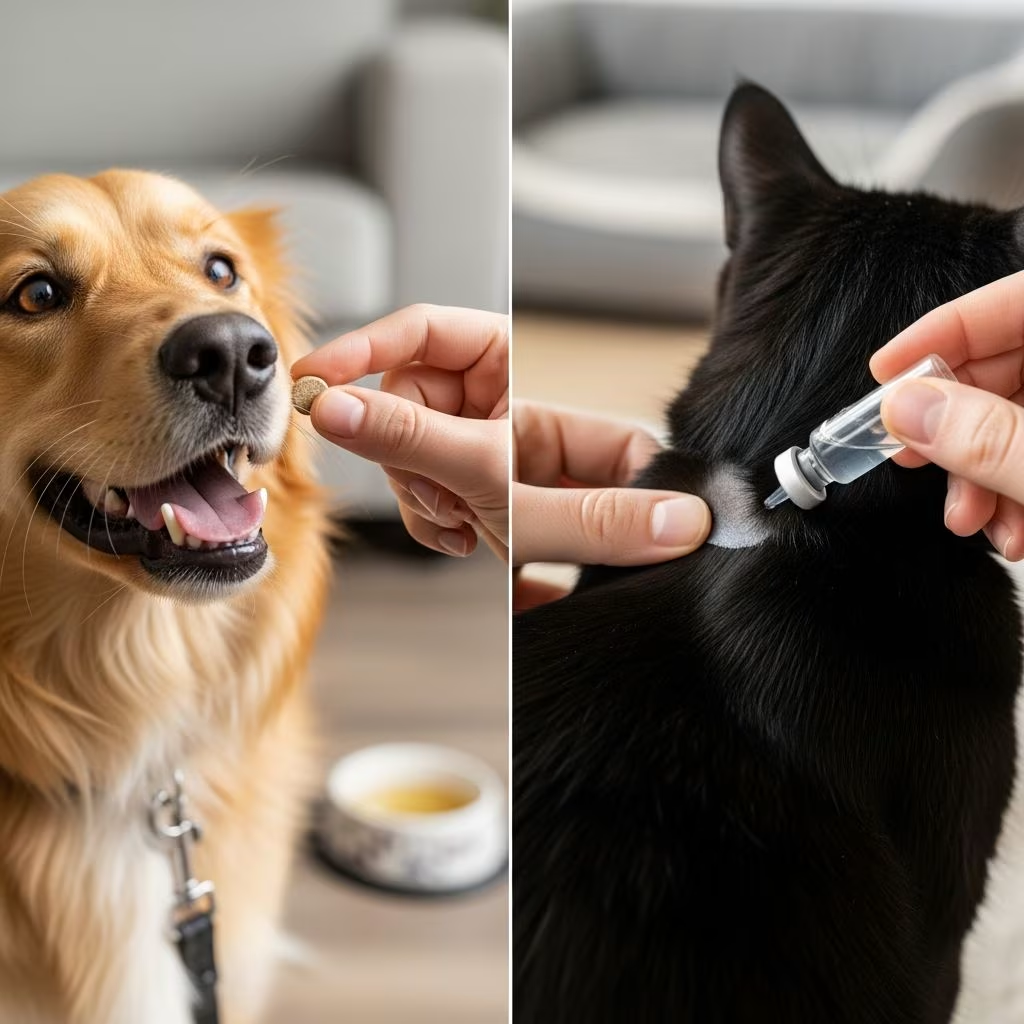
Flea and tick preventatives come in oral and topical forms, each offering unique benefits for protecting dogs and cats from parasites. Oral treatments are ingested as chewables or pills, while topical ones are applied directly to the skin, with choices depending on your pet’s lifestyle, health needs, and your preferences.
Understanding Flea and Tick Threats to Pets
Fleas and ticks pose significant risks to pets, transmitting diseases like Lyme disease, which requires ticks to be attached for 1-2 days to spread. Prevention remains essential, combining environmental controls like vacuuming and yard maintenance with medications. Both oral and topical options target adult fleas, larvae, or eggs, but their delivery methods differ fundamentally.
How Oral Flea and Tick Preventatives Work
Oral preventatives, often chewables or pills given monthly, enter the pet’s bloodstream. Fleas ingest the active ingredients when biting, leading to their death before egg-laying. These treatments excel in mess-free administration and avoid skin contact issues.
Common Active Ingredients in Oral Treatments
- Spinosad: Targets adult fleas by disrupting their nervous system; does not affect ticks.
- Isoxazolines (e.g., Nexgard, Simparica, Credelio): Provide fast tick kill times, crucial for disease prevention, though they do not prevent attachment.
- Lufenuron: Inhibits larvae development without killing adults; FDA-approved for dogs and cats, ineffective against ticks.
Oral options like Bravecto last up to 3 months in chewable form. They suit active pets who swim or bathe frequently, as water does not impact efficacy.
Topical Flea and Tick Treatments Explained
Topical or \”spot-on\” treatments involve applying liquid between the shoulder blades, where it spreads via skin oils over 24 hours. These release gradually over a month, killing or repelling fleas and ticks on contact.
Key Active Ingredients in Topicals
- Fipronil: Paralyzes fleas and ticks’ nervous systems; EPA-approved, spreads through body oils.
- Imidacloprid: Disrupts parasite nervous systems, effective on adults and larvae.
- Pyrethroids: Common under various names, repel and kill parasites.
Products like K9 Advantix II, Vectra 3D, and Frontline apply monthly without prescription in some cases.
Comparing Oral and Topical Treatments
Selecting between oral and topical depends on efficacy, convenience, and pet-specific factors. The table below summarizes key differences based on veterinary insights.
| Aspect | Oral Treatments | Topical Treatments |
|---|---|---|
| Application | Chewable/pill, monthly (some 3 months) | Liquid spot-on, monthly |
| Effect on Water Exposure | Unaffected by bathing/swimming | May wash off if applied too soon before bath |
| Skin Reactions | No direct skin contact | Possible irritation; avoid licking |
| Prescription Needed | Often yes | Some OTC |
| Tick Prevention | Fast kill, no attachment prevention | Some repel/ prevent attachment |
| Cost | Potentially higher | Often more affordable |
Advantages of Oral Preventatives
- Convenient, treat-like administration reduces stress and mess.
- Ideal for pets with sensitive skin or those who lick topicals off.
- Consistent protection unaffected by grooming or water activities.
- Vet oversight via prescription ensures suitability.
Drawbacks of Oral Options
- Requires precise weight-based dosing to avoid inefficacy or side effects.
- May not cover all parasites; check for tick/heartworm inclusion.
- Prescription refills add cost and vet visits.
- Risk of vomiting undigested dose, necessitating replacement.
Benefits of Topical Applications
- Easy to apply at home; some multi-parasite protection including heartworm.
- Visible application confirms delivery.
- Repels ticks in some formulas, preventing bites.
- Over-the-counter availability speeds access.
Disadvantages of Topicals
- Messy; risk of human exposure—wash hands after.
- Pet may lick or rub off if not dried properly.
- Bathing/swimming too soon reduces efficacy.
- Species-specific: Never use dog products on cats or vice versa—fatal risks.
Safety Considerations for Both Methods
Follow labels precisely to prevent toxicity; consult vets for multi-pet homes or puppies/kittens. Oral treatments need vet prescriptions for safety, while topicals demand careful part-hair application. Monitor for reactions like lethargy or irritation, and report to vets.
Factors to Consider When Choosing
- Pet Lifestyle: Swimmers benefit from orals.
- Health History: Allergies favor orals.
- Local Risks: Tick-heavy areas may need repellents.
- Household: Multi-species homes require compatible products.
- Budget: Balance cost with coverage.
Combine with environmental flea control: vacuum daily, wash bedding, and treat yards.
Common Myths About Flea Preventatives
- Myth: Topicals always cause skin reactions. Fact: Rare if applied correctly; orals eliminate this.
- Myth: Orals protect instantly. Fact: Some take hours; fleas may bite first.
- Myth: Natural alternatives suffice. Fact: Vet-approved meds are most reliable.
Year-Round Protection Strategies
Use preventatives continuously, even indoors, as fleas survive in carpets. Rotate if resistance suspected, under vet guidance. Integrate collars like Seresto (8 months) for extended coverage.
Frequently Asked Questions (FAQs)
Can I use oral and topical together?
Generally no—risk of overdose. Consult your vet.
Are oral treatments safe for puppies?
Yes, from certain ages (e.g., 8 weeks); vet confirmation needed.
How soon after topical application can my pet swim?
Wait 48 hours for full absorption.
Do topicals protect against heartworm?
Some do; check labels for multi-protection.
What if my pet spits out an oral chew?
Administer replacement; note date to avoid gaps.
Consulting Your Veterinarian
Vets tailor recommendations based on exams, regional threats, and pet profiles. Regular check-ups ensure optimal parasite control.
References
- Flea Preventative Medications: Oral vs. Topical — Roxy Ann Veterinary Clinic. Accessed 2026. https://www.roxyannvet.com/articles/418453-flea-preventative-medications-oral-vs-topical
- Flea Prevention: Oral vs. Topical Meds — Corydon Animal Hospital. 2019-03. https://www.corydonanimalhospital.ca/resources/blog/march-2019/flea-prevention-oral-vs-topical-meds
- Flea and Tick Medications: Oral vs. Topical Treatments — Hill’s Pet Nutrition. Accessed 2026. https://www.hillspet.com/pet-care/healthcare/flea-and-tick-treatments-oral-topical
- Chews vs. Topicals: Choosing the Right Flea, Tick, and Heartworm Prevention — Fairview Veterinary Clinic. Accessed 2026. https://fairviewveterinaryclinic.com/pet-parasite-control-in-albemarle-nc/chews-vs-topicals-choosing-the-right-flea-tick-and-heartworm-prevention-for-your-dog/
- Flea and Tick Prevention — Cornell University College of Veterinary Medicine. Accessed 2026. https://www.vet.cornell.edu/departments-centers-and-institutes/riney-canine-health-center/canine-health-topics/flea-and-tick-prevention
- How to Choose the Safest Flea Treatment for Your Dog — PetMD. Accessed 2026. https://www.petmd.com/dog/general-health/how-choose-safest-flea-treatment-your-dog



