

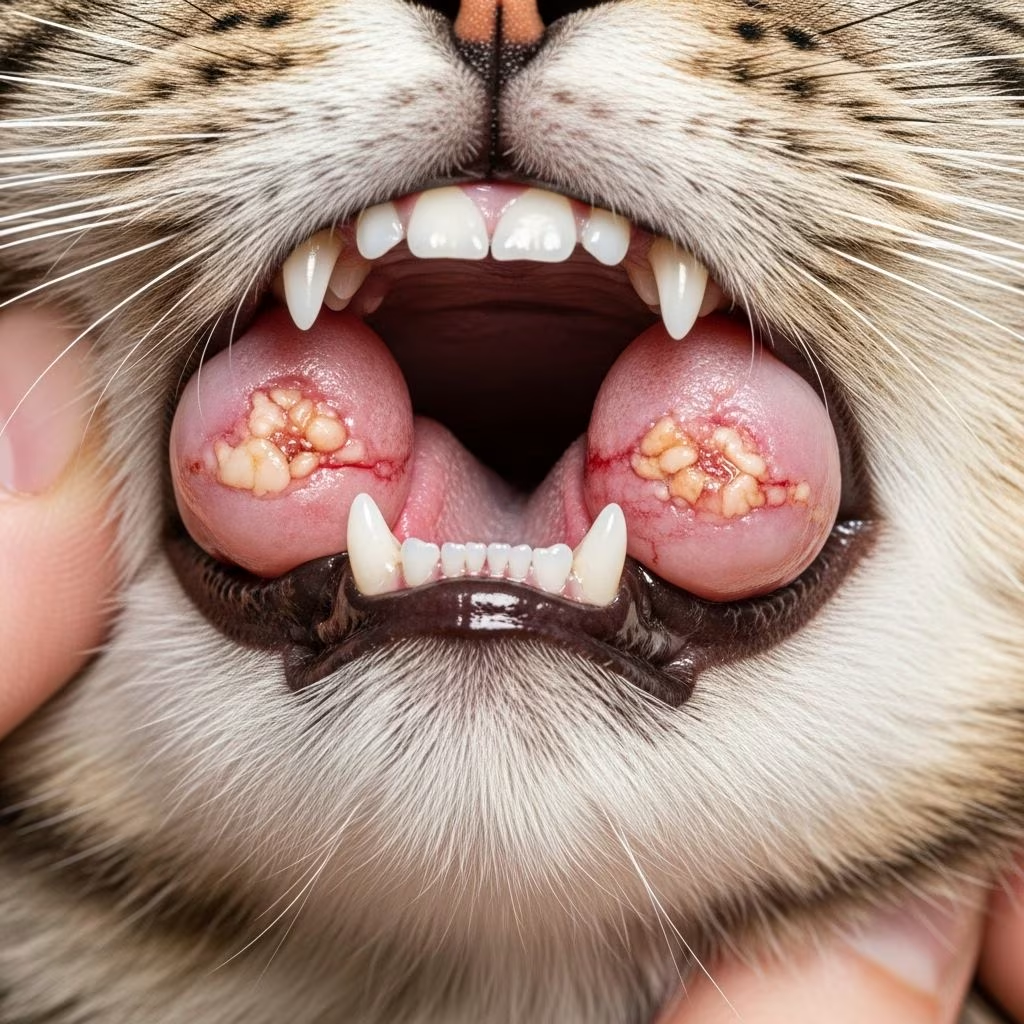
Small animals like dogs and cats frequently suffer from oral conditions involving inflammation and ulceration, which can severely impact their quality of life by causing pain, eating difficulties, and secondary infections. These disorders range from common periodontal problems to complex immune-mediated diseases, requiring prompt veterinary attention for effective management.
Prevalence and Risk Factors in Companion Animals
Periodontal disease stands out as the leading oral health issue in pets, affecting up to 80% of dogs and 70% of cats by age three. Factors such as plaque buildup, breed predispositions, and immune responses contribute significantly to these conditions. In dogs, breeds like Maltese, Miniature Schnauzers, and Greyhounds show higher susceptibility to chronic ulcerative stomatitis, while cats often develop specific stomatitis linked to viral or idiopathic causes.
Environmental influences, including diet, home care routines, and concurrent health issues like diabetes or kidney disease, exacerbate risks. Poor dental hygiene allows bacterial proliferation, triggering inflammatory cascades that damage gums and mucosa.
Common Types of Oral Inflammatory Conditions
Oral diseases in pets manifest in diverse forms, each with unique pathological mechanisms:
- Periodontitis and Gingivitis: Bacterial plaque hardens into tartar, leading to gum recession and bone loss around teeth.
- Feline Chronic Gingivostomatitis (FCGS): A severe, often immune-mediated inflammation extending beyond teeth to the entire oral cavity.
- Canine Chronic Ulcerative Stomatitis (CCUS): Characterized by ulcers on mucosa contacting teeth, driven by plaque hypersensitivity.
- Infectious Ulcers: Caused by fungi like Candida or bacteria invading compromised tissues.
These conditions often overlap, complicating diagnosis without professional evaluation.
Recognizing Symptoms Early
Pet owners play a crucial role in early detection. Key signs include:
- Excessive drooling or bloody saliva.
- Halitosis (bad breath) that worsens rapidly.
- Reluctance to eat hard food or play with toys.
- Pawing at the mouth or facial rubbing.
- Weight loss due to chronic pain.
In advanced cases, visible ulcers, red swollen gums, or proliferative tissue around teeth appear. Cats with FCGS may vocalize in pain or hide more than usual, while dogs with CCUS exhibit behavioral changes like aggression when approached. Prompt recognition prevents progression to systemic effects like malnutrition or sepsis.
Diagnostic Approaches for Accurate Identification
Veterinarians employ a multi-step process:
- Thorough oral examination under anesthesia for full assessment.
- Dental radiographs to detect bone loss or root issues.
- Biopsy of lesions for histopathology, distinguishing immune-mediated from infectious causes.
- Cultures for bacterial or fungal pathogens.
- Bloodwork to rule out systemic diseases.
Histology reveals distinct patterns, such as lymphoplasmacytic infiltrates in FCGS versus neutrophilic responses in infections. Early, precise diagnosis guides tailored therapy.
Treatment Strategies: Medical and Surgical Options
Management combines pain relief, infection control, and inflammation reduction. A stepwise approach yields best results.
Initial Pain and Inflammation Control
Multimodal analgesia is essential:
| Medication | Dosage (Dogs/Cats) | Purpose |
|---|---|---|
| Buprenorphine | 0.05 mg/kg sublingual q8h (cats) | Pain relief |
| Meloxicam | 0.1 mg/kg initial, then 0.05 mg/kg q24h | Anti-inflammatory |
| Gabapentin | 10-20 mg/kg q8-12h (dogs) | Neuropathic pain |
| Doxycycline | 5-10 mg/kg q12-24h | Antibacterial + immunomodulatory |
These provide rapid comfort, facilitating further care.
Antimicrobial and Antifungal Therapies
For bacterial overgrowth, amoxicillin-clavulanate or clindamycin is used. Fungal cases require ketoconazole (5-10 mg/kg q12-24h) until resolution. Doxycycline’s dual action makes it a first-line choice for many inflammatory states.
Surgical Interventions
Tooth extractions are cornerstone treatments, especially for plaque-retentive areas. Partial (premolars/molars) or full-mouth extractions in FCGS cure 60-80% of cats when performed early with complete root removal verified by radiographs. In CCUS, extracting affected teeth reduces plaque contact, often resolving ulcers.
Immunosuppressive Protocols
Refractory FCGS may respond to interferon omega (100,000 units/day transmucosally for 90 days) or cyclosporine-metronidazole combinations, showing 90-100% improvement in pilot studies despite GI side effects.
Home Care and Prevention Essentials
Owners must commit to daily routines:
- Brushing with enzymatic toothpaste twice daily.
- Chlorhexidine rinses to control bacteria.
- Dental diets and chews to minimize plaque.
- Regular professional cleanings every 6-12 months.
Even post-extraction, hygiene prevents recurrence. Nutritional support via feeding tubes may be needed initially for severe cases.
Prognosis and Long-Term Outlook
Outcomes vary by condition and intervention timing. FCGS full-mouth extractions offer excellent prognosis (60-80% cure rate). CCUS responds well to extractions but may require ongoing meds. Untreated cases lead to chronic pain and health decline. Regular monitoring ensures sustained remission.
FAQs on Pet Oral Health
What causes mouth ulcers in my dog?
Commonly plaque hypersensitivity in CCUS or periodontal disease; consult a vet for biopsy-confirmed diagnosis.
Can feline stomatitis be cured without tooth removal?
Medical management helps mildly affected cats, but extractions provide the highest success rates.
How do I know if my pet has oral pain?
Look for drooling, eating changes, or pawing; veterinary exam confirms.
Is home brushing safe for pets with ulcers?
Use soft brushes and pain meds first; start gently under vet guidance.
What breeds are prone to these issues?
Dogs: Maltese, Schnauzers; all cats at risk for FCGS.
Recent Advances in Veterinary Dentistry
Emerging research highlights immunomodulators targeting IL-17 pathways and microbiome disruptions for better control. Long-term studies on combination therapies promise refined protocols.
References
- Oral Inflammatory and Ulcerative Disease in Small Animals — Merck Veterinary Manual. 2023. https://www.merckvetmanual.com/digestive-system/diseases-of-the-mouth-in-small-animals/oral-inflammatory-and-ulcerative-disease-in-small-animals
- Canine Chronic Ulcerative Stomatitis (CCUS/CUPS): Diagnosis, Treatment, and Long-Term Management — Veterinary Dentistry. 2023. https://veterinarydentistry.net/canine-ulcerative-stomatitis/
- Canine chronic ulcerative stomatitis – what we know — Vet Times. 2023. https://www.vettimes.com/news/vets/small-animal-vets/canine-chronic-ulcerative-stomatitis-what-we-know
- Treating Oral Ulcers in Dogs — Montana Pet Dentist. 2023. https://montanapetdentist.com/treating-oral-ulcers-in-dogs/
- Feline & Canine Oral Ulcerative Disease — Today’s Veterinary Practice. 2023. https://todaysveterinarypractice.com/dentistry/practical-dentistry-feline-canine-oral-ulcerative-disease/



