

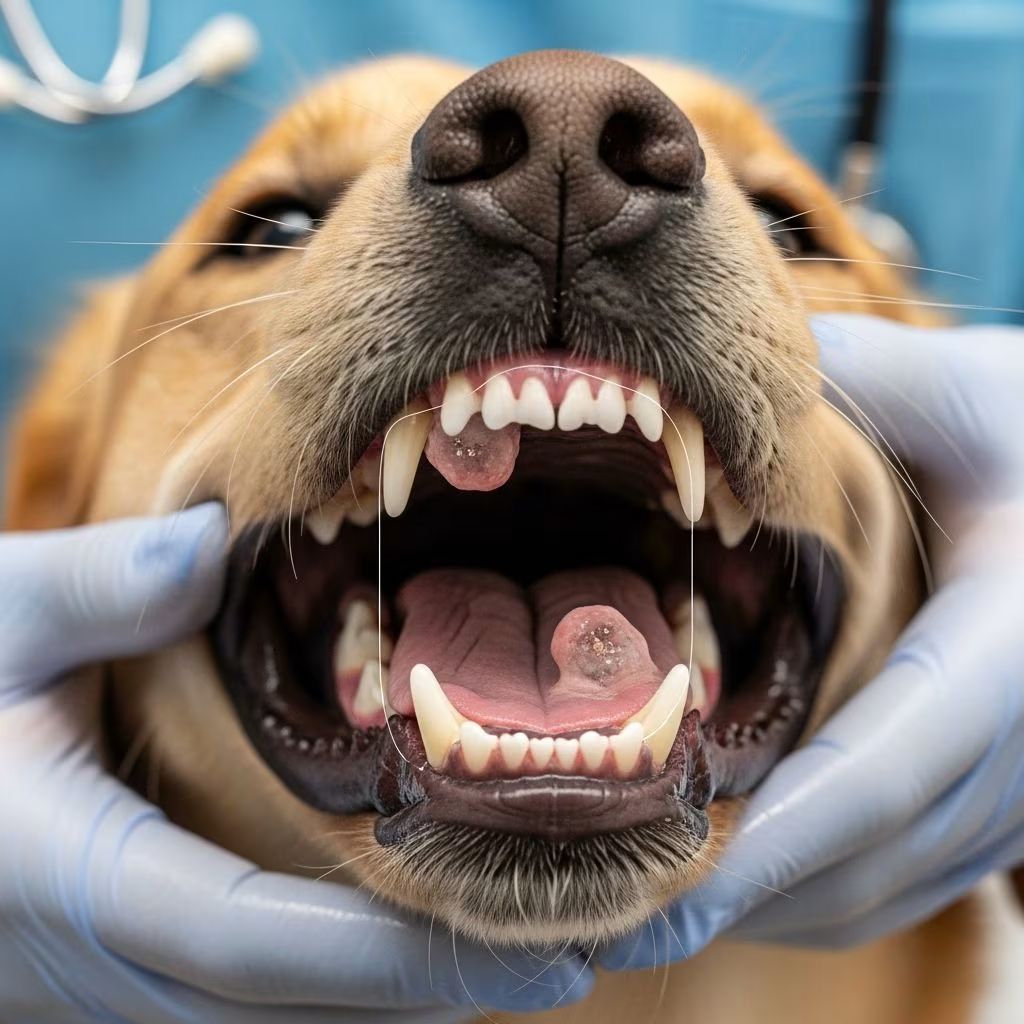
Oral Tumors in Dogs: An Overview
Oral tumors represent a significant health concern for dog owners and veterinary professionals alike. These tumors account for approximately 6% of all canine tumors and can develop in dogs of any age, though they are more commonly diagnosed in older dogs. Understanding the nature of these tumors, recognizing early warning signs, and knowing available treatment options can make a substantial difference in your dog’s quality of life and prognosis. This comprehensive guide provides essential information about oral tumors in dogs to help pet owners navigate this challenging health issue.
What Are Oral Tumors in Dogs?
Oral tumors are abnormal growths that develop in the mouth, including the gums, tongue, palate, and inner cheeks. These tumors can be either benign or malignant, with malignant tumors being significantly more common in dogs. The most prevalent types of oral cancer in dogs include melanoma, squamous cell carcinoma, fibrosarcoma, and sarcomas.
One of the most concerning characteristics of oral tumors is their aggressive growth pattern. These tumors tend to grow very quickly and often involve the underlying bone structure. Many varieties of oral tumors readily spread to other areas of the body, including the lungs and lymph nodes, which makes early detection and treatment critical. Even when tumors appear small on the surface, they may extend much deeper into the tissues than initially expected, invading the underlying bone and surrounding structures.
Recognizing the Symptoms of Oral Tumors
Early detection of oral tumors depends significantly on pet owners’ ability to recognize warning signs. While some symptoms may be subtle initially, others become increasingly apparent as the tumor progresses. Here are the key symptoms to watch for:
Primary Warning Signs
- Bad breath (halitosis) — Often the first noticeable sign, this may be significantly worse than typical dog breath
- Visible oral masses or sores — Unusual growths, lumps, or lesions in the mouth that vary in color and texture
- Difficulty eating or chewing (dysphagia) — Your dog may drop food, eat slowly, or avoid meals altogether
- Difficulty drinking — Reluctance to consume water or difficulty swallowing
- Oral pain — Often apparent, especially in tumors that have invaded the underlying bone
- Blood in the mouth — Bleeding or hemorrhagic oral discharge
Secondary Signs and Behavioral Changes
- Weight loss — Resulting from difficulty eating and decreased appetite
- Loose or missing teeth — Teeth that become mobile or are lost as the tumor damages tooth structures
- Difficulty opening the mouth (trismus) — Trouble fully opening the jaw due to swelling, pain, or mechanical obstruction
- Excessive drooling (ptyalism) — More saliva production than normal
- Facial swelling or asymmetry — Visible deformation of the face, particularly with caudal (back) tumors
- Enlarged lymph nodes in the neck — Swelling in the neck area indicating possible spread
- Reluctance to be touched on the head — Sensitivity or pain when the head is handled
- Panting or labored breathing — In advanced cases
These symptoms can appear individually or in combination, and their severity typically increases as the tumor progresses.
Diagnosis of Oral Tumors in Dogs
Accurate diagnosis of oral tumors involves a comprehensive evaluation by your veterinarian. The diagnostic process typically includes several components:
Physical Examination
Your veterinarian will conduct a thorough oral examination, carefully inspecting inside your dog’s mouth for tumors, abnormalities, or suspicious lesions. This examination may require sedation to ensure a complete evaluation and to keep both your dog and the veterinarian safe during the inspection.
Imaging Studies
Multiple imaging techniques are typically employed to assess the extent of disease:
- X-ray images of the chest — Determine whether the oral tumor has spread to the lungs or chest cavity
- CT scans or MRI of the head and neck — Provide detailed information about tumor location, size, and invasion into surrounding tissues and bone, essential for surgical planning
Tissue Biopsy
A tissue biopsy is essential to determine the specific type of cancer present. In some cases, the entire visible mass may be removed and sent for identification, while in others, only a small sample of tumor tissue is collected. Your veterinarian may also take samples from lymph nodes to determine whether cancerous cells have spread to these structures.
Bloodwork and Urinalysis
These tests provide insight into your dog’s overall health status and are essential to planning appropriate treatment, particularly if surgery or systemic therapy is being considered.
Treatment Options for Oral Tumors
Treatment recommendations for oral tumors depend on several factors, including the tumor type, stage, location, extent of bone invasion, and your dog’s overall health status. Several treatment modalities are available, often used in combination:
Surgical Removal
Surgery remains the primary and most common treatment recommendation for oral tumors. Surgical removal offers the best chance for controlling the disease, particularly when the tumor can be completely excised. The goal of surgery is to remove the tumor along with a margin of healthy tissue surrounding it to minimize the risk of recurrence.
In cases where the tumor has invaded the underlying bone, surgical removal may be complex and difficult. It may be necessary to remove a portion of the dog’s jaw (mandibulectomy or maxillectomy). While this type of surgery sounds daunting, many of these tumors are painful, and their surgical removal provides significant pain relief and improves quality of life. Remarkably, most dogs adapt well after jaw removal and maintain normal function for eating and drinking after a recovery period.
If local lymph nodes are affected, they may be removed at the same time as tumor removal, and your veterinarian may recommend preventive removal of regional lymph nodes to ensure there is no microscopic spread.
Radiation Therapy
Radiation therapy can be considered as a primary treatment or as an adjunctive therapy following surgery. This treatment is particularly beneficial for tumors that are not easily accessible or for those that cannot be completely removed surgically. Radiation delivers high-energy beams to target and destroy cancer cells.
For melanoma, radiation therapy has shown impressive results, with an overall response rate exceeding 75%, with nearly two-thirds of cases experiencing complete responses. Median survival times in dogs without negative prognostic factors have been reported at 21 months or more. Some side effects may occur, including redness, inflammation, or ulceration of the mouth, but these symptoms typically clear within approximately one week after treatment completion.
Immunotherapy
A DNA melanoma vaccine called Oncept® is available as an immunotherapy specifically for oral melanoma in dogs. This vaccine is typically administered after surgical debulking of the primary tumor and is designed to target possible microscopic metastasis. Studies have shown that this treatment provides benefits over surgery alone in some cases. However, it is important to note that oral cancers in dogs generally tend not to respond well to traditional chemotherapy.
Combination Therapy
A multidisciplinary approach combining surgery, radiation, and/or immunotherapy may be recommended based on your individual dog’s needs and the specific characteristics of the cancer. This combination approach often provides better outcomes than single-modality treatment.
Emerging Treatments
Targeted electromagnetic thermoablation, also known as localized hyperthermia, has been studied for treating some oral tumors in dogs, although this method of treatment is not yet widely available.
Prognosis and Life Expectancy
The prognosis for dogs with oral tumors varies considerably based on multiple factors. If a tumor is caught early when it can be completely removed surgically, the procedure may be curative. However, oral tumors in dogs are often not diagnosed until after they have already metastasized to other parts of the body, which significantly impacts prognosis.
With appropriate treatment, many dogs with oral tumors live for around 6 to 12 months after diagnosis. Dogs without negative prognostic factors receiving radiation therapy for melanoma may have median survival times of 21 months or longer. The specific type of tumor, stage at diagnosis, extent of bone involvement, and your dog’s overall health status all influence life expectancy and treatment success.
Managing Your Dog After Diagnosis and Treatment
Dietary Adjustments
Dogs with oral tumors or following oral surgery may require dietary modifications. Soft foods, hand-feeding, or in some cases, a feeding tube may be necessary. If part of the jaw has been removed, there may be initial difficulty with eating and drinking as your dog learns to compensate for the loss of teeth and bone structure. Most dogs adapt remarkably well over time.
Pain Management
Your veterinarian will recommend appropriate pain relievers and other medications necessary to maintain your dog’s quality of life for as long as possible. Managing pain is crucial for ensuring your dog remains comfortable and maintains adequate food and water intake.
Antibiotic Therapy
Antibiotics may be prescribed to prevent or treat secondary infections, particularly following surgical procedures or radiation therapy.
Regular Follow-up Care
Regular veterinary check-ups are essential to monitor for signs of recurrence or metastasis. Your veterinarian may recommend periodic imaging studies to assess treatment response and detect any progression of disease.
Prevention and Early Detection
While there is no proven way to prevent oral tumors in dogs, regular dental care and routine oral examinations can help with early detection. Pet owners should:
- Regularly inspect their dog’s mouth for unusual growths, sores, or lumps
- Note any changes in breath odor, eating habits, or behavior
- Schedule regular dental check-ups with their veterinarian
- Seek immediate veterinary attention if any suspicious oral lesions or symptoms are noticed
Early detection significantly improves treatment options and outcomes.
Frequently Asked Questions
Q: At what age do oral tumors typically develop in dogs?
A: While oral tumors most commonly affect older dogs, they can develop at any age. Early diagnosis is crucial regardless of age.
Q: Can oral tumors in dogs be cured?
A: If caught early and completely removed surgically, some oral tumors may be cured. However, many are not diagnosed until after spreading to other areas of the body.
Q: Is chemotherapy effective for treating oral cancer in dogs?
A: Oral cancers in dogs generally do not respond well to traditional chemotherapy. However, immunotherapy is available for oral melanomas and has shown promising results.
Q: What should I feed my dog after oral surgery?
A: Soft foods, hand-feeding, or feeding tubes may be necessary. Your veterinarian will provide specific dietary recommendations based on your dog’s individual needs and the extent of surgery.
Q: Can dogs function normally after jaw removal surgery?
A: Yes, most dogs adapt remarkably well after jaw removal and maintain normal function for eating and drinking once they recover and learn to compensate for the structural change.
Q: How often should I have my dog’s mouth checked for tumors?
A: Regular dental check-ups during routine veterinary visits are recommended. Older dogs and those with risk factors may benefit from more frequent oral examinations.
References
- Dog Mouth Cancer: Symptoms, Treatment and Life Expectancy — PetMD. 2019-08-19. https://www.petmd.com/dog/conditions/cancer/c_dg_oral_cavity_tumors
- Oral Tumors in Dogs – An Overview — VCA Animal Hospitals. https://vcahospitals.com/know-your-pet/oral-tumors-in-dogs-an-overview
- Staging and Treatment of Oral Tumors in Dogs — MedVet. https://www.medvet.com/oral-tumors-dogs/
- Symptoms and Treatment of Dog Oral Cancer — Animal Dental Services. https://animaldentalservices.net/symptoms-and-treatment-of-dog-oral-cancer/
- Oral Tumors in Small Animals – Digestive System — Merck Veterinary Manual. https://www.merckvetmanual.com/digestive-system/diseases-of-the-mouth-in-small-animals/oral-tumors-in-small-animals
- Diagnosis and Treatment of Common Canine Oral Tumours — Veterinary Practice. https://www.veterinary-practice.com/article/common-canine-oral-tumours



