

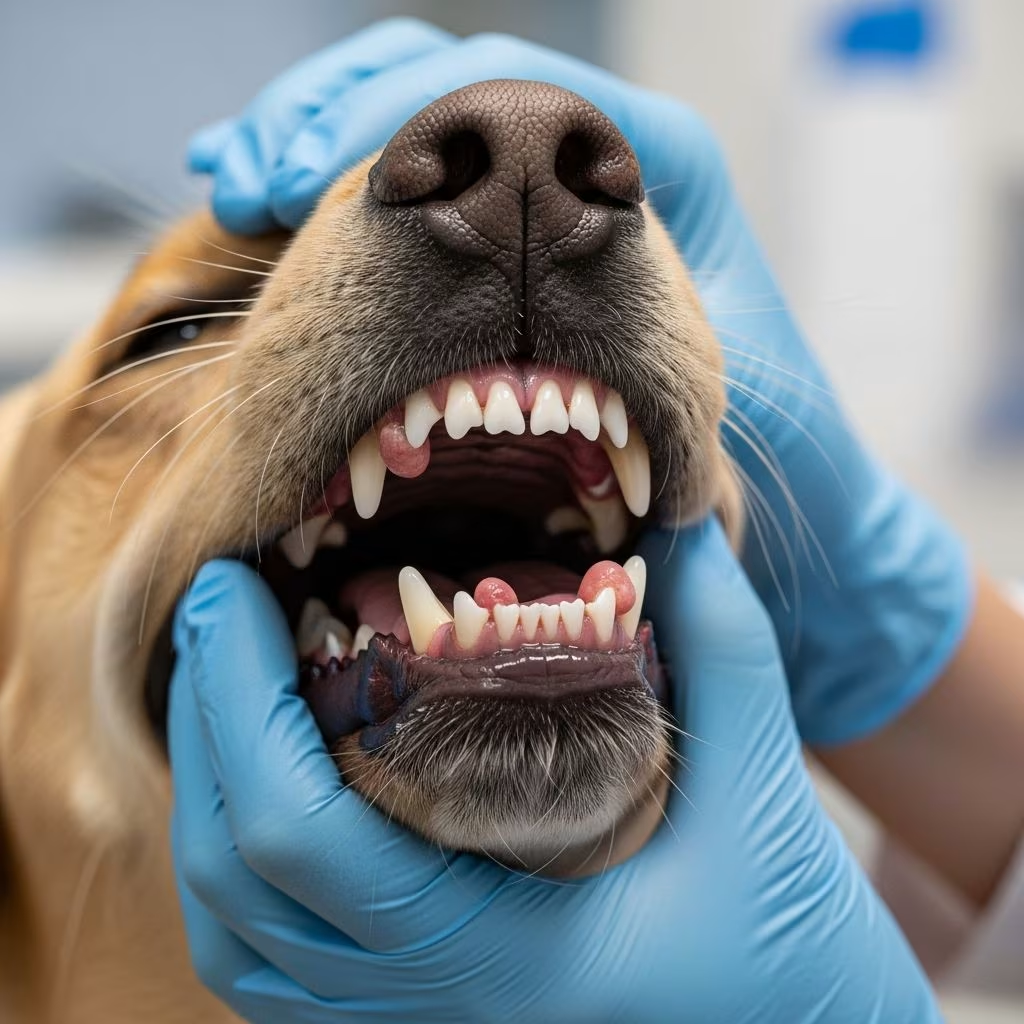
Oral Tumors in Dogs: An Overview
Oral tumors represent a serious health concern for many dogs, particularly as they age. These abnormal growths can develop anywhere within the oral cavity, including the gums, tongue, roof of the mouth, or underlying bone structures. Understanding the nature of these tumors, recognizing early warning signs, and knowing available treatment options can significantly impact your dog’s quality of life and prognosis. This comprehensive guide explores everything pet owners need to know about oral tumors in dogs.
Understanding Oral Tumors in Dogs
Oral tumors are abnormal growths that develop within a dog’s mouth. These growths can originate from various tissues, including the gums, tongue, palate, or underlying bone. While some oral tumors are benign (non-cancerous), most are malignant (cancerous) and require prompt veterinary attention. Oral tumors may appear as visible masses that can ulcerate (break open) and bleed, and they may also become infected. These tumors often look deceptively small on the surface but may extend much deeper into surrounding tissues than visible, potentially invading the underlying bone structure.
The aggressive nature of many oral tumors means they can grow rapidly and spread to other parts of the body if left untreated. Early detection is crucial for improving treatment outcomes and extending your dog’s life expectancy.
Types of Oral Tumors in Dogs
Several different types of cancers can develop in a dog’s mouth. The three most common oral cancers in dogs include:
- Melanoma: Often the most aggressive type of oral tumor, melanomas can spread quickly to other parts of the body. These tumors may appear dark or pigmented.
- Squamous Cell Carcinoma: The second most common malignant oral tumor, squamous cell carcinoma typically appears as pink or red irritated masses that easily bleed and can grow very large.
- Fibrosarcoma: These tumors develop from fibrous connective tissues and can be locally invasive, often requiring extensive surgical removal.
Each type of oral tumor may present slightly different symptoms and prognosis, making proper diagnosis essential for determining the best treatment approach.
Signs and Symptoms
Recognizing the early signs of oral tumors can make a critical difference in your dog’s treatment outcomes. Pet owners should watch for the following symptoms:
- Bad breath (halitosis): Often one of the first noticeable signs, unusually foul-smelling breath may indicate an oral problem.
- Drooling: Excessive drooling, sometimes with blood, may suggest oral discomfort or tumor development.
- Difficulty eating or chewing: Dogs may drop food, avoid hard kibble, or show reluctance during meals.
- Bleeding from the mouth: Blood in saliva or on toys and food bowls warrants veterinary evaluation.
- Visible growth: A noticeable mass or swelling inside the mouth or on the face may be visible during routine inspection.
- Swelling or facial asymmetry: Uneven swelling on the face or jaw area can indicate tumor growth.
- Loose or missing teeth: Tumors invading bone can cause tooth mobility or loss.
- Weight loss: Difficulty eating often leads to decreased appetite and weight loss.
- Reluctance to be touched on the head: Dogs experiencing oral pain may avoid head contact or handling.
- Enlarged lymph nodes: Swelling in the neck area may indicate the cancer has spread to lymph nodes.
- Sneezing or nasal discharge: If the tumor involves the palate or extends upward, nasal symptoms may develop.
Oral pain is usually apparent, especially in dogs with tumors that have extended into the underlying bone. If you notice any of these signs, contact your veterinarian promptly for evaluation.
Diagnosis of Oral Tumors
Proper diagnosis is essential for determining the type, extent, and best treatment approach for oral tumors. Your veterinarian will perform several diagnostic procedures:
Physical Examination
Your veterinarian will conduct a thorough physical examination, carefully inspecting inside your dog’s mouth for tumors, ulcerations, or other abnormalities. This examination may require sedation to allow complete visualization and assessment of the tumor.
Biopsy
A tissue biopsy is essential to determine the exact type of cancer present. In some cases, the entire visible mass can be removed and sent for identification. In other situations, your veterinarian may remove just a small tissue sample to better plan future surgery and treatment strategies. Lymph node samples may also be taken to determine if cancer cells have spread to nearby nodes.
Imaging Studies
Several imaging techniques help assess tumor extent and spread:
- Dental X-rays: These reveal bone involvement and the tumor’s depth of invasion.
- Chest X-rays: Images of the chest show whether the oral tumor has spread to the lungs or chest cavity.
- CT scans or MRI: Advanced imaging of the head and neck region determines exactly how invasive the tumor is and helps plan surgical approach and bone removal if necessary.
Bloodwork and Urinalysis
These tests provide insight into your dog’s overall health status and organ function, which is essential for planning appropriate treatment and assessing surgical risk.
Treatment Options for Oral Tumors
Treatment approaches for oral tumors depend on the tumor type, size, location, and whether it has spread to other areas. Several treatment modalities are available:
Surgical Removal
Surgical removal is the most common recommendation for treating oral tumors. The goal of surgery is to completely remove the tumor while preserving as much normal tissue and bone as possible. If the tumor has invaded bone, its removal may be difficult, and it may be necessary to remove a portion of your dog’s jaw (upper or lower). Although this type of surgery sounds daunting, many of these tumors are painful, and surgical removal provides significant pain relief. Most dogs adapt remarkably well even after such radical surgery, learning to eat and function normally with their altered anatomy.
Radiation Therapy
Radiation therapy may be recommended for tumors that cannot be completely removed with surgery alone or as an adjunct to surgical treatment. This therapy targets remaining cancer cells and may help prevent recurrence. Radiation can be used before surgery to shrink tumors or after surgery to eliminate microscopic disease.
Chemotherapy
Oral cancers in dogs tend not to respond well to chemotherapy when used alone, but in some cases, chemotherapy may be combined with other treatment modalities to improve outcomes.
Immunotherapy
A DNA melanoma vaccine called Oncept® is available as an immunotherapy for oral melanoma in dogs. This vaccine is usually used after surgical removal of the primary tumor and is designed to target possible microscopic metastasis. This treatment has shown benefits over surgery alone in some studies.
Combination Therapy
Many veterinary oncologists recommend combining multiple treatment modalities. A dog may undergo surgery for tumor removal followed by radiation therapy or chemotherapy. For oral melanoma, immunotherapy or vaccines may also be incorporated into the treatment plan.
Palliative Care
When tumors cannot be surgically removed or have metastasized extensively, palliative care focuses on maintaining quality of life. This may include pain management, antibiotics for infection prevention, and nutritional support.
Post-Treatment Management and Care
After treatment, dogs require special care and monitoring to ensure optimal recovery and quality of life:
Nutritional Support
Soft foods, hand-feeding, or a feeding tube may be necessary for dogs with oral tumors and after oral surgery or radiation therapy. If part of the jaw has been removed, there may be some difficulty with eating and drinking initially until your dog learns to compensate for the loss of teeth and bone. Most dogs adapt quickly to these changes.
Medication Management
Your veterinarian will recommend pain relievers, antibiotics, and other medications necessary to maintain your dog’s quality of life. Regular monitoring ensures that pain is well-controlled and infections are prevented.
Follow-up Examinations
Frequent rechecks are essential to monitor for tumor recurrence or spread. Your veterinarian will establish a schedule for periodic examinations and imaging to detect any signs of cancer returning.
Prognosis and Life Expectancy
The prognosis for dogs with oral tumors varies significantly based on several factors:
Factors Affecting Prognosis
- Type of tumor (melanoma, squamous cell carcinoma, or fibrosarcoma)
- Size and location of the tumor
- Stage of disease at diagnosis
- Whether the tumor has spread to other areas
- Your dog’s overall health and age
- Response to treatment
Life Expectancy
If a tumor is caught early when it can be completely removed, surgery may be curative, and many dogs go on to live normal lifespans. However, oral tumors in dogs are often not diagnosed until after they have already metastasized to other areas of the body. With appropriate treatment, many dogs with oral tumors live for around 6 to 12 months after diagnosis. Some dogs with better-located tumors that are completely removed may live longer. Your veterinarian can provide more specific prognosis information based on your dog’s individual situation.
When to Consider Euthanasia
As tumors progress, quality of life becomes an important consideration. Euthanasia may become the most humane option when a dog experiences:
- Uncontrolled pain despite medication
- Inability to eat or drink
- Difficulty breathing due to airway obstruction
- Extensive spread of cancer affecting multiple organs
- Loss of interest in activities and interactions
Your veterinarian can help you assess your dog’s quality of life and make compassionate end-of-life decisions when appropriate.
Frequently Asked Questions
Q: How common are oral tumors in dogs?
A: Oral tumors account for approximately 6-7% of all cancers in dogs, making them one of the more common cancer types in this species. They are more common in older dogs but can occur in younger animals on rare occasions.
Q: Can oral tumors be prevented?
A: In most cases, there is no identifiable cause for oral cancer in dogs, making prevention difficult. However, maintaining good oral hygiene, regular dental care, and prompt treatment of oral infections may help reduce some risk factors.
Q: What should I do if I suspect my dog has an oral tumor?
A: Schedule a veterinary appointment immediately. Early diagnosis significantly improves treatment outcomes and survival rates. Do not wait or assume symptoms will resolve on their own.
Q: Will my dog be able to eat normally after jaw surgery?
A: Most dogs adapt remarkably well after even extensive jaw surgery. Initially, soft foods and hand-feeding may be necessary, but most dogs learn to compensate and return to relatively normal eating within weeks to months.
Q: Is chemotherapy effective for oral tumors in dogs?
A: Oral cancers in dogs do not typically respond well to chemotherapy alone, but it may be used in combination with surgery and radiation therapy for improved results.
Q: How often should I examine my dog’s mouth?
A: Regularly examine your dog’s mouth at least weekly, gently lifting the lips to check for any unusual growths, swelling, discoloration, or odor. Contact your veterinarian if you notice any changes.
References
- Dog Mouth Cancer: Symptoms, Treatment and Life Expectancy — PetMD. 2019-08-19. https://www.petmd.com/dog/conditions/cancer/c_dg_oral_cavity_tumors
- Oral Squamous Cell Carcinoma in Dogs — Cornell University College of Veterinary Medicine. 2024-08. https://www.vet.cornell.edu/OSCC
- Oral Tumors in Dogs – An Overview — VCA Animal Hospitals. https://vcahospitals.com/know-your-pet/oral-tumors-in-dogs-an-overview
- Oral Tumors in Small Animals – Digestive System — Merck Veterinary Manual. https://www.merckvetmanual.com/digestive-system/diseases-of-the-mouth-in-small-animals/oral-tumors-in-small-animals
- Oral Tumors — American College of Veterinary Surgeons. https://www.acvs.org/small-animal/oral-tumors/
- Oral Cancers in Dogs — PetCure Oncology. https://petcureoncology.com/oral-cancers-in-dogs/
- Don’t Wait Until It’s Too Late: Oral Tumors in Dogs and Cats — University of Illinois College of Veterinary Medicine. https://vetmed.illinois.edu/pet-health-columns/oral-tumors-in-dogs-and-cats/



