
Oral Tumors In Cats: Complete Guide To Detection And Treatment
Understanding feline oral tumors: types, symptoms, diagnosis, and treatment options for cat owners.
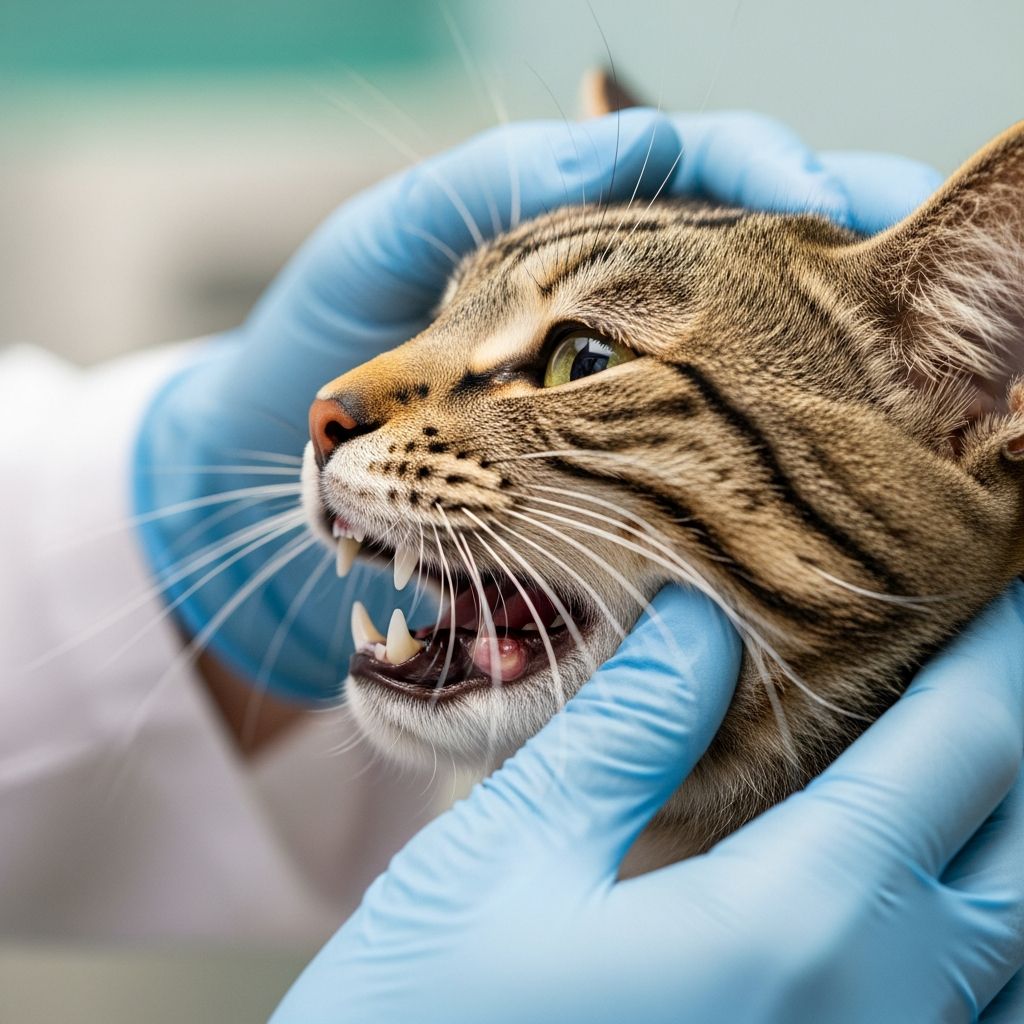
Oral Tumors in Cats: An Overview
Oral tumors represent a significant health concern for feline companions, accounting for approximately 10% of all feline tumors and ranking as the fourth most common tumor site in cats. These growths develop in the tissues lining the mouth, including the gingiva (gums), tongue, palate, and tonsils. While the prospect of oral cancer can be alarming for cat owners, understanding the nature of these tumors, recognizing early warning signs, and knowing available treatment options can help improve outcomes and quality of life for affected cats.
Understanding Oral Tumors in Cats
Oral tumors in cats present a particularly challenging clinical scenario for veterinarians. The majority of oral tumors in cats are malignant, with approximately 58% classified as cancerous compared to only 2.5% being benign. This stark difference from dogs, where benign tumors are more common, underscores the seriousness of oral tumors in feline patients. The small size of the feline mouth and tongue inherently limits the extent of surgical resection possible, making treatment decisions complex and often difficult.
Types of Oral Tumors in Cats
Several types of oral tumors can develop in cats, though they vary significantly in their prevalence and behavior:
Squamous Cell Carcinoma (SCC)
Squamous cell carcinoma is by far the most common oral malignancy in cats, accounting for 60-80% of all oral tumors and approximately 69% of malignant oral tumors. This highly invasive cancer affects the lining of the oral cavity and can extend deeply into surrounding tissues and bone. The sublingual area (beneath the tongue) is the most common site for SCC development. Unfortunately, SCC is exceptionally invasive and frequently goes undetected until it reaches advanced stages. These tumors are locally aggressive and can extend into the bones of the upper or lower jaw, though the metastasis rate at initial diagnosis remains relatively low.
Fibrosarcoma
Fibrosarcoma represents the second most common oral malignancy in cats, comprising approximately 18% of malignant oral tumors. Interestingly, gingival fibrosarcoma (affecting the gums) shows a higher prevalence in male cats compared to females. These tumors can be particularly aggressive and often require multimodal treatment approaches for optimal management.
Other Oral Tumor Types
Additional oral tumor types that can occur in cats include osteosarcoma (bone cancer), acanthomatous ameloblastoma, and peripheral odontogenic fibromas. While less common than SCC and fibrosarcoma, these tumors require appropriate diagnosis and treatment planning. Oral lymphoma, though uncommon, can also present in the oral cavity and may respond favorably to chemotherapy and radiation therapy in some cases.
Risk Factors and Demographics
Mouth cancer is significantly more common in older cats, with an average age of diagnosis around 12 years old. However, younger cats can develop oral tumors. Studies have shown that males and females are equally likely to develop most types of mouth cancer, with the exception of gingival fibrosarcoma, which appears more prevalent in male cats. One research study found that 88.4% of cats with oral tumors were domestic shorthairs, though Siamese cats appear more predisposed to developing adenocarcinoma. The incidence of oral tumors in cats is approximately 4.9 per 1,000 cats, or 0.5%.
Clinical Signs and Symptoms
Cat owners should be vigilant for signs that may indicate an oral tumor. Common symptoms include:
– Persistent bad breath or unusual mouth odor- Excessive drooling or ptyalism- Difficulty eating or swallowing (dysphagia)- Inappetence or reduced appetite- Facial swelling or asymmetry- Red and swollen gums- Visible mass or growth in the mouth- Bleeding from the mouth- Difficulty grooming- Pain or sensitivity when eating- Weight loss
A critical challenge with oral tumors in cats is that they are often noticed only at very advanced stages. The small size of the feline mouth makes early detection difficult, and many tumors are deeper and larger than they initially appear. Some oral cancers grow slowly with minimal symptoms, while others are highly aggressive and can rapidly spread to other tissues and organs.
Diagnosis of Oral Tumors
Proper diagnosis is essential for developing an appropriate treatment plan. A thorough oral examination is the first step in diagnosing oral tumors in cats.
Physical Examination
A complete oral exam requires sedating the cat with a short-acting sedative, allowing the veterinarian to carefully visualize and palpate all oral tissues. This examination helps identify the location, size, and extent of any masses.
Biopsy Procedures
While a needle aspirate of a mass may provide some information, a biopsy is the gold standard for providing a definitive diagnosis. Biopsies should be performed while the cat is sedated or under general anesthesia. An incisional biopsy involves removing a small tissue sample from the mass, whereas an excisional biopsy attempts to remove the entire mass. The histopathological examination of biopsy tissue is crucial for determining the tumor type, grade, and appropriate treatment recommendations.
Evaluation for Metastasis
Staging the tumor is vital for prognosis and treatment planning. Three-view thoracic radiographs should be obtained for cats with malignant oral tumors to evaluate for pulmonary metastasis, as the lungs are the most common site of distant spread. Veterinarians should also consider abdominal radiographs and ultrasound in older cats to identify concurrent diseases and evaluate for metastasis in cats with round cell tumors. Lymph nodes of the head and neck should be carefully assessed, as these are common sites of regional metastasis.
Treatment Options
Treatment decisions for feline oral tumors depend on several factors including tumor type, location, size, stage, and the cat’s overall health status. Multiple treatment modalities may be employed in combination to achieve optimal outcomes.
Surgical Treatment
Surgery is one of the primary treatment options for oral tumors in cats. Wide surgical resection is recommended to minimize local tumor recurrence, as incomplete resection often results in rapid regrowth. For some tumors, particularly those involving squamous cell carcinoma, this may necessitate removing large portions of the cat’s jaw through mandibulectomy or maxillectomy procedures. Unfortunately, for many tumors, particularly larger malignant ones, surgery may be impossible given the size of the tumor relative to the size of the cat’s mouth.
Cats with tumors located along the front portion of their lower jaw generally have a better prognosis because surgery is more likely to be a viable option. A retrospective study demonstrated that mandibulectomy was beneficial for some cats with oral tumors and resulted in good quality of life during the post-operative recovery period. However, the procedure carries significant morbidity risk. Studies have shown that 98% of cats experienced acute post-operative complications including difficulty swallowing, reduced appetite, drooling, mandibular drift, tongue protrusion, pain, difficulty grooming, and jaw misalignment. Additionally, 76% of cats experienced long-term morbidity with similar symptoms.
Owners should be prepared to discuss the potential need for temporary feeding tubes to assist their cats in maintaining adequate nutrition during recovery from surgery. Some cats may require permanent feeding tube placement to ensure proper nutrition.
Radiation Therapy
Radiation therapy is another treatment modality available for feline oral tumors. This approach may be particularly useful for tumors that are not amenable to complete surgical resection. Definitive radiation therapy can be used as a primary treatment, while palliative radiation therapy may provide pain relief and tumor growth control in advanced cases. Recently, chemotherapy has been used as a radiation sensitizer to enhance tumor response to radiation therapy, representing a multimodal treatment approach.
Chemotherapy
Chemotherapy has not been extensively evaluated in treating feline oral tumors, primarily because most oral tumors are locally invasive in nature and do not respond well to systemic chemotherapy alone. Chemotherapy as a single treatment modality has not proven effective for oral squamous cell carcinoma in cats and is not typically recommended as monotherapy. However, some chemotherapeutic agents such as carboplatin and mitoxantrone have been used in combination with radiation therapy in small numbers of cats with oral SCC with variable results. Cats with oral lymphoma appear to respond more favorably to chemotherapy and radiation therapy compared to other tumor types.
Palliative Care
For many cats, particularly those with advanced tumors or limited treatment options, palliative therapy becomes the most appropriate approach. Palliative care focuses on maintaining comfort and quality of life rather than attempting curative treatment. This may include antibiotics to manage secondary infections, nonsteroidal anti-inflammatory drugs (NSAIDs) for pain and inflammation management, and corticosteroids. Supportive care ensures the cat receives adequate nutrition and hydration while managing pain and other symptoms.
Prognosis and Survival
The prognosis for cats with oral tumors, particularly squamous cell carcinoma, is unfortunately quite poor. This grim outlook reflects the aggressive nature of these tumors and the limited treatment options available. The prognosis with surgery, chemotherapy, or radiation therapy is similar, with most treated cats surviving approximately 2-4 months following diagnosis, with less than 10% surviving to one year post-diagnosis. Cats with untreated oral squamous cell carcinoma have a median survival time of approximately 1.5 months.
The overall prognosis depends significantly on several factors including tumor location, size, grade, and whether metastasis is present at the time of diagnosis. Cats with small rostral tumors (tumors in the front of the mouth) generally have a better prognosis as these are more amenable to complete surgical resection. Benign tumors such as ameloblastoma can often be cured with complete surgical excision, and cats may achieve long-term control with radiation therapy if surgery is not possible. Epulides (benign gum growths) are cured with complete excision, though some cats develop multiple epulides which carry a higher recurrence risk if wide excision is not performed.
Quality of Life Considerations
When considering treatment options for oral tumors in cats, quality of life must remain a central concern. The invasive nature of surgical procedures such as mandibulectomy can significantly impact eating, grooming, and comfort during the post-operative period. Owners should carefully weigh the potential benefits of aggressive treatment against the short-term complications and relatively poor long-term survival rates. Discussions with the veterinary oncologist should include realistic expectations regarding treatment outcomes, recovery timelines, and the cat’s ability to maintain normal activities and eating patterns.
Early Detection and Prevention
While prevention of oral tumors is not always possible, early detection significantly improves treatment options and outcomes. Cat owners should perform regular visual inspections of their cat’s mouth when possible and report any unusual odors, swelling, or behavioral changes to their veterinarian. Regular veterinary dental examinations can help identify early signs of oral disease and tumors. Any persistent bad breath, excessive drooling, difficulty eating, or facial swelling warrants immediate veterinary evaluation.
Frequently Asked Questions
Q: How common are oral tumors in cats?
A: Oral tumors account for approximately 10% of all feline tumors and represent the fourth most common tumor site in cats. The incidence is approximately 4.9 per 1,000 cats or 0.5%.
Q: What is the most common oral tumor in cats?
A: Squamous cell carcinoma (SCC) is by far the most common oral tumor in cats, accounting for 60-80% of all oral tumors and 69% of malignant oral tumors.
Q: At what age do cats typically develop oral tumors?
A: Oral tumors are most common in older cats with an average diagnosis age of 12 years, though they can develop in younger cats as well.
Q: What are the warning signs of oral cancer in cats?
A: Signs include bad breath, excessive drooling, difficulty eating, reduced appetite, facial swelling, visible mouth masses, bleeding, and weight loss.
Q: What is the survival rate for cats with oral squamous cell carcinoma?
A: The median survival is 2-4 months with treatment, with less than 10% of cats surviving one year post-diagnosis. Without treatment, median survival is approximately 1.5 months.
Q: Can oral tumors in cats be cured?
A: Benign tumors like ameloblastoma and epulides can often be cured with complete surgical excision. Malignant tumors, particularly squamous cell carcinoma, have poor prognoses and are rarely cured, with treatment focusing on extending survival and maintaining quality of life.
Q: Do cats need to have their jaw removed for oral tumors?
A: For some oral tumors, particularly large squamous cell carcinomas, mandibulectomy or maxillectomy may be necessary. However, this is not always possible and carries significant recovery complications.
Q: What should I do if I suspect my cat has an oral tumor?
A: Contact your veterinarian immediately for a thorough oral examination. Early diagnosis and appropriate staging are essential for determining the best treatment options and management plan for your cat.
References
- Feline Oral Squamous Cell Carcinoma — North Carolina State University College of Veterinary Medicine. 2024. https://hospital.cvm.ncsu.edu/services/small-animals/cancer-oncology/oncology/feline-oral-squamous-cell-carcinoma/
- Demographics of dogs and cats with oral tumors presenting to veterinary medical teaching hospitals — National Center for Biotechnology Information (NIH). 2020. https://pmc.ncbi.nlm.nih.gov/articles/PMC7533385/
- Feline Oral Tumors: Diagnosis and Treatment — Cornell University College of Veterinary Medicine. 2024. https://www.vet.cornell.edu/departments-centers-and-institutes/cornell-feline-health-center/health-information/feline-health-topics/oral-cavity-tumors
- Mouth Cancer in Cats — PetMD. 2024. https://www.petmd.com/cat/conditions/cancer/mouth-cancer-cats
- Oral Tumors in Dogs and Cats — University of Illinois College of Veterinary Medicine. 2024. https://vetmed.illinois.edu/pet-health-columns/oral-tumors-in-dogs-and-cats/
Similar Articles








Read full bio of medha deb




