

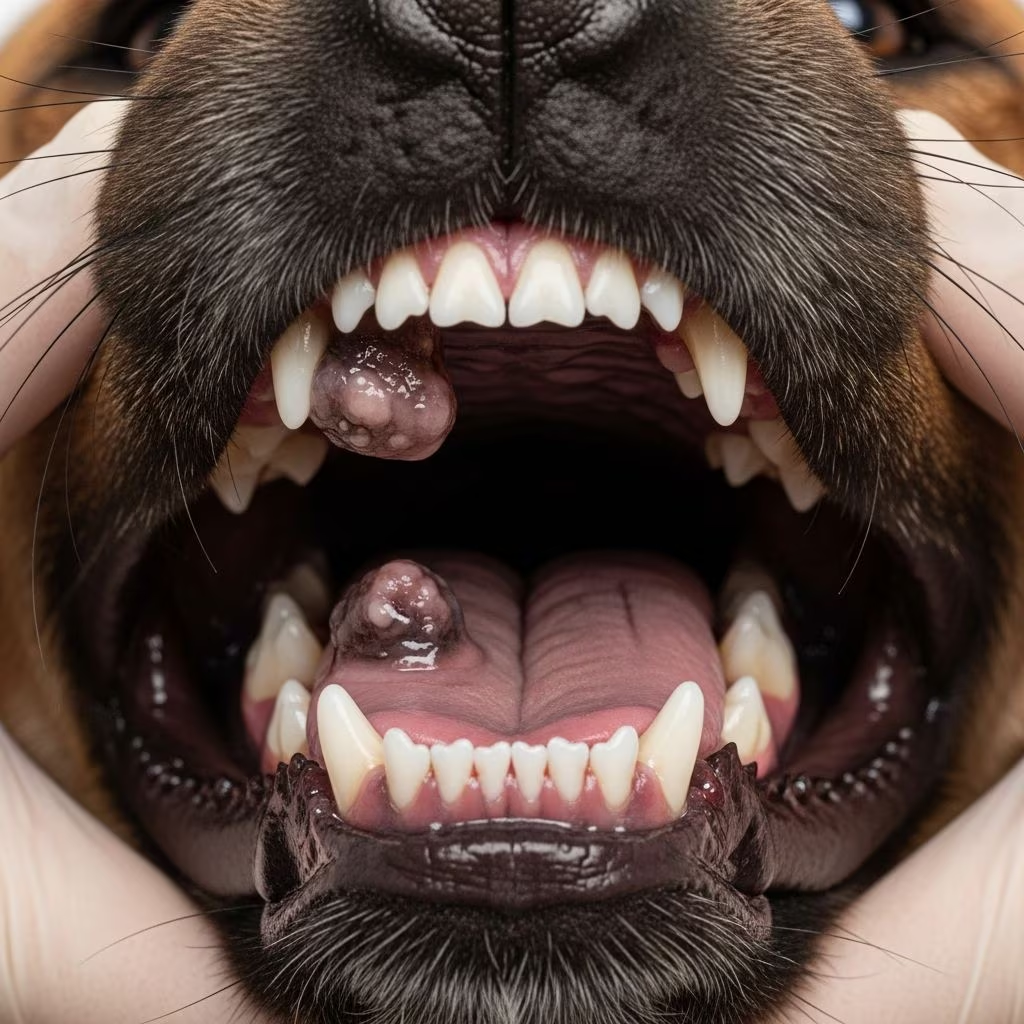
Oral Tumors in Dogs: Understanding Melanoma
Melanoma represents one of the most serious types of oral tumors that can develop in dogs. These tumors originate from melanocytes, the pigment-producing cells found in the skin and mucous membranes. When melanoma develops in the oral cavity, it becomes particularly concerning due to the aggressive nature of this cancer and its tendency to spread rapidly to other parts of the body. Understanding the characteristics, symptoms, and treatment options for canine oral melanoma is essential for pet owners who want to provide the best care for their dogs.
What Are Oral Melanomas?
Oral melanomas in dogs are malignant tumors that develop from the pigment-producing cells in the mouth. These tumors can appear as dark or pigmented masses, though not all oral melanomas are necessarily dark in color. Some may appear as red or non-pigmented lesions, making them sometimes difficult to identify without professional examination. The oral cavity provides a challenging environment for treating these tumors due to the complexity of the structures involved and the difficulty in achieving adequate surgical margins.
Melanomas are considered relatively radioresistant tumors, meaning they may not respond as readily to radiation therapy as some other cancer types. However, they do respond better to higher doses of radiation when delivered in larger fractions per treatment session. This characteristic influences the treatment protocols that veterinary oncologists recommend for managing oral melanomas in dogs.
Clinical Signs and Symptoms
Dogs with oral melanoma may present with various clinical signs that warrant veterinary attention. Some affected dogs may initially be asymptomatic, with the oral mass being discovered incidentally by the owner during grooming or by a veterinarian during a routine physical examination or dental cleaning procedure. However, as the tumor progresses, several recognizable symptoms typically emerge:
– Bad breath (halitosis) that is noticeably worse than typical dog breath- Excessive drooling or increased salivation- Bleeding from the oral cavity- Difficulty swallowing (dysphagia)- Facial swelling or asymmetry- Pain or sensitivity during mouth manipulation- Visible swelling or mass in the mouth, often appearing black, dark, or red- Difficulty eating or decreased appetite- Pawing at the mouth or face
Pet owners who notice any of these signs should schedule a veterinary appointment promptly. Early detection and diagnosis significantly improve treatment outcomes and quality of life for affected dogs.
Diagnosis and Diagnostic Procedures
Proper diagnosis of oral melanoma is essential before initiating any treatment plan. A veterinarian will begin with a thorough physical examination of the oral cavity. However, a definitive diagnosis requires a biopsy, where a sample of tissue from the suspicious mass is collected and examined under a microscope by a veterinary pathologist.
Once oral melanoma has been confirmed, further diagnostic imaging is typically recommended to determine the extent of disease. Computed tomography (CT) scans of the head and neck are usually performed prior to surgery to assess the tumor’s size, depth of invasion into surrounding tissues, and whether it has affected local lymph nodes. This imaging helps veterinarians determine the extent of disease and plan surgical removal, ensuring that adequate margins can be achieved during the procedure.
Additional staging procedures may include thoracic radiography (chest X-rays) to check for metastatic disease in the lungs, as oral melanomas have a high tendency to spread systemically. Some veterinarians may also recommend abdominal ultrasound or additional imaging modalities depending on the individual case presentation.
Treatment Options for Oral Melanoma
The management of canine oral melanoma typically involves a multimodal approach, combining several treatment modalities to optimize outcomes. The choice of specific treatments depends on several factors, including tumor location, size, surgical margins achieved, presence of metastatic disease, and the dog’s overall health status and concurrent conditions.
Surgical Treatment
Surgical removal remains the standard treatment for all melanomas, including oral varieties. Surgery provides the best opportunity to remove the entire tumor with adequate margins, which is crucial for improving prognosis. The surgical approach may involve removing the tumor along with surrounding normal tissue and, in some cases, a portion of the bone from the upper or lower jaw where the tumor has invaded.
If local lymph nodes, specifically the submandibular lymph nodes beneath the jaw, are affected by the tumor, they will typically be removed at the same time as the tumor. Many veterinarians also recommend prophylactic removal of these regional lymph nodes even when they don’t appear obviously affected, as this can help prevent potential disease spread.
Fortunately, most dogs tolerate oral surgery well and maintain good quality of life following these procedures. The mouth heals remarkably well, and dogs typically resume normal eating and activity within a reasonable recovery period. CT scans performed prior to surgery help ensure that surgery is the most appropriate treatment choice and that the surgical plan is carefully optimized.
Radiation Therapy
Radiation therapy serves as an important adjunctive treatment for local control of oral melanoma. This treatment delivers high doses of radiation to the specific tumor site while minimizing exposure to surrounding healthy tissues. One significant advantage of radiation therapy is that the structures of the oral cavity remain intact and functional after treatment.
Various radiation protocols exist in veterinary medicine for treating oral melanomas. A commonly used protocol involves delivering four weekly fractions of 8 Gy each, for a total dose exceeding 30 Gy. Some protocols may involve more frequent treatments, such as twice-weekly sessions for a total of seven treatments. Radiation therapy can cause side effects, including redness, inflammation, and ulceration of the treatment site, as well as increased salivation. These effects typically begin toward the end of therapy and resolve within approximately one week. Affected dogs may receive antibiotics, anti-inflammatory medications, and pain medications to manage these effects during the recovery period.
Chemotherapy
Chemotherapy has a limited role in managing canine oral melanoma. Traditional chemotherapy agents such as carboplatin and melphalan show relatively poor response rates, with overall response rates typically below 30%. When responses do occur, tumor control usually lasts only about four months. Multiple studies have failed to identify significant survival benefits when chemotherapy is added to surgery and radiation therapy alone.
Intralesional chemotherapy, where medication is injected directly into the tumor, has shown more promising results. Intralesional cisplatin implants have demonstrated response rates of approximately 70%, with significantly improved median survival times in dogs showing local response to this treatment. However, implant complications such as mild local tissue necrosis occur commonly.
Chemotherapy is indicated for dogs with malignant melanoma primarily because of the high metastatic rate, which can reach up to 75%. When chemotherapy is administered, it may be given either intralesionally or systemically, depending on the treatment goals and clinical presentation.
Immunotherapy and Melanoma Vaccine
Immunotherapy represents the most promising adjunctive treatment for canine oral melanoma. The Oncept melanoma vaccine is a DNA-based immunotherapy that has been conditionally approved for treating canine oral melanoma. This vaccine works by stimulating the dog’s immune system through injection of DNA encoding tyrosinase, an enzyme involved in melanoma cell development.
Preliminary results with the melanoma vaccine in dogs with advanced disease show an average survival time of 224 to 389 days. This improves significantly to approximately 589 days when the primary tumor is controlled with either surgery or radiation therapy prior to vaccine administration. Dogs treated with Oncept after surgical resection, with or without radiation therapy, have demonstrated longer median survival times compared to control groups.
Immunotherapy approaches utilizing intralesional granulocyte-monocyte colony stimulating factor show an overall response rate of 100% and prolong survival time compared to historical controls. Liposome muramyl tripeptide-phosphatidylethanolamine combined with surgery significantly improves survival time and rate compared to surgery alone in dogs with stage I disease.
Prognosis and Survival Times
The prognosis for canine oral melanoma varies significantly depending on disease stage, treatment approach, and individual patient factors. Dogs treated with surgery alone have median survival times of approximately 350 to 475 days. When surgery is combined with chemotherapy, median survival times reach approximately 1,120 days, though this reflects selected case populations.
The addition of radiation therapy to surgery improves local control and median survival times. The combination of surgery with immunotherapy shows particularly promising results, especially when the primary tumor is controlled before vaccine administration. Stage I disease carries a considerably better prognosis than advanced disease, with 2-year survival rates reaching 80% in some immunotherapy studies, compared to 25% for more advanced stages.
Palliative Care Considerations
For dogs with disseminated or advanced oral melanoma where curative treatment is not possible, palliative radiation therapy may be recommended. This approach aims to reduce tumor burden and alleviate clinical signs rather than achieve cure. Anti-inflammatory medications (NSAIDs), drugs to reduce bleeding, and pain management medications are often recommended to manage symptoms and maintain quality of life.
Managing Side Effects and Recovery
Treatment of oral melanoma can produce various side effects that require management. Following surgical removal, dogs typically require pain management and may need antibiotics if infection is a concern. Radiation therapy side effects, including oral inflammation and increased salivation, are generally manageable with supportive care and typically resolve within one week of completing therapy.
Most dogs maintain good appetite and energy levels during and after appropriate treatment. However, monitoring for complications and maintaining close communication with the veterinary oncology team is essential. Regular follow-up examinations help detect any signs of tumor recurrence or metastatic disease early.
Frequently Asked Questions About Oral Melanoma in Dogs
Q: Is oral melanoma in dogs always fatal?
A: While oral melanoma is a serious cancer with a tendency to metastasize, modern treatment approaches combining surgery, radiation, and immunotherapy have significantly improved survival times and quality of life. Many dogs live for extended periods following appropriate treatment.
Q: Can oral melanoma be completely cured in dogs?
A: Complete cure depends on early detection and appropriate treatment. Surgery with adequate margins, combined with radiation therapy and immunotherapy, offers the best chance for optimal outcomes. However, the aggressive nature of melanoma means recurrence is possible.
Q: How often should my dog be monitored after oral melanoma treatment?
A: Regular follow-up examinations are recommended, typically every 3 to 6 months initially, as directed by your veterinary oncologist. This helps detect any recurrence or metastatic disease early.
Q: What is the role of the melanoma vaccine in treating oral melanoma?
A: The Oncept melanoma vaccine is an immunotherapy that stimulates the dog’s immune system to fight melanoma cells. It is most effective when administered after the primary tumor has been controlled with surgery or radiation therapy.
Q: Are certain dog breeds more susceptible to oral melanoma?
A: Oral melanoma can occur in any dog breed, though it is more commonly diagnosed in senior dogs. There may be slight breed predispositions, but this cancer affects dogs across all genetic backgrounds.
Q: What should I do if I notice symptoms of oral melanoma in my dog?
A: Schedule a veterinary examination promptly. Early diagnosis and treatment initiation significantly improve outcomes. Your veterinarian can perform appropriate diagnostic testing and recommend suitable treatment options.
References
- Canine Oral Melanoma — BluePearl Veterinary Partners. 2024. https://bluepearlvet.com/medical-articles-for-pet-owners/canine-oral-melanoma/
- Oral Melanoma — Veterinary Society of Surgical Oncology. 2024. https://vsso.org/oral-melanoma
- Diagnosis and Treatment of Canine Oral Melanoma — Today’s Veterinary Practice. 2024. https://todaysveterinarypractice.com/oncology/diagnosis-and-treatment-of-canine-oral-melanoma/
- Melanoma in Dogs: Common Symptoms, Causes, and Treatment — PetMD. 2024. https://www.petmd.com/dog/conditions/cancer/melanoma-dogs-common-symptoms-causes-and-treatment
- Treatment of Canine Oral Melanomas: A Critical Review — PubMed Central. 2022. https://pmc.ncbi.nlm.nih.gov/articles/PMC9147014/
- Oral Melanomas in Dogs — Atlantic Veterinary Internal Medicine. 2024. https://www.avim.us/blog/oral-melanomas-in-dogs
- Oral Tumors in Dogs – Melanomas — VCA Animal Hospitals. 2024. https://vcahospitals.com/know-your-pet/oral-tumors-in-dogs-melanoma



