

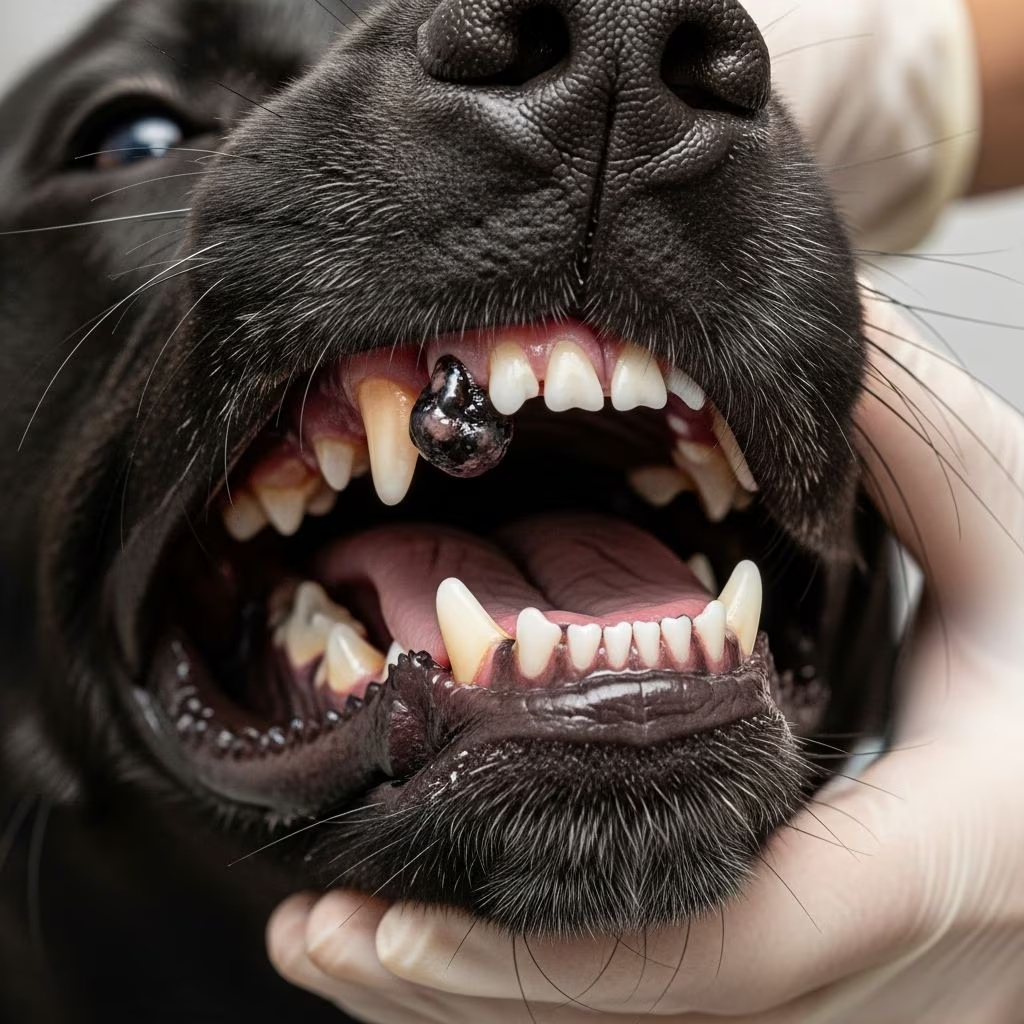
Oral Tumors in Dogs: Melanoma
Oral melanoma represents one of the most common malignant tumors found in the oral cavity of dogs. These aggressive tumors develop from melanocytes, the pigment-producing cells in the mouth, and can significantly impact a dog’s quality of life if left untreated. Understanding the nature of oral melanoma, recognizing its symptoms, and knowing available treatment options are crucial for pet owners whose dogs may be affected by this serious condition.
What is Oral Melanoma?
Oral melanoma is a malignant cancer that originates in the mouth tissues of dogs. Unlike cutaneous melanomas that develop on the skin, oral melanomas are particularly aggressive and have a higher tendency to spread to other parts of the body. These tumors most commonly occur in the gingiva (gums), hard palate, and lips, though they can develop anywhere within the oral cavity. The exact cause of oral melanoma in dogs remains unclear, though various factors may contribute to tumor development.
Oral melanomas appear as dark or pigmented masses, though they can occasionally present as red or non-pigmented lesions. They typically grow rapidly and can quickly become invasive, affecting surrounding tissues and bone structures. Early detection and prompt treatment are essential for achieving the best possible outcomes.
Clinical Signs and Symptoms
Pet owners should be aware of several warning signs that may indicate the presence of oral melanoma in their dogs. While some dogs may be asymptomatic initially, with the mass discovered incidentally during a routine physical examination or dental procedure, most affected dogs eventually display noticeable symptoms.
Common clinical signs include:
– Halitosis (bad breath) that is new or has recently worsened- Excessive drooling or new onset drooling- Bleeding from the oral cavity- Dysphagia (difficulty swallowing)- Facial swelling or visible masses in the mouth- Pain on mouth manipulation- Sensitivity to touch on the affected side of the face- Pawing at the mouth or face- Reluctance to eat or changes in eating habits- Loss of appetite
Any persistent changes in your dog’s oral health or behavior warrant a veterinary examination to rule out serious conditions like oral melanoma.
Diagnosis of Oral Melanoma
Accurate diagnosis is the first step toward developing an effective treatment plan. When oral melanoma is suspected, veterinarians employ several diagnostic techniques to confirm the diagnosis and determine the extent of the disease.
Physical Examination
The diagnostic process typically begins with a thorough oral examination by your veterinarian. During this examination, the veterinarian will assess the size, location, and appearance of any oral masses and check for signs of lymph node involvement.
Biopsy
A biopsy is essential for confirming oral melanoma diagnosis. This procedure involves collecting a tissue sample from the suspicious mass for microscopic examination by a pathologist. Histopathology can definitively identify melanoma and help determine the tumor’s grade and aggressiveness.
Advanced Imaging
CT scans of the head and neck are usually performed prior to surgery to determine the extent of disease and for surgical planning purposes. These imaging studies help veterinarians assess whether the cancer has spread to regional lymph nodes or other structures, which is critical information for developing a comprehensive treatment strategy.
Lymph Node Assessment
If local lymph nodes (submandibular lymph nodes) are affected, they will typically be removed at the same time as tumor removal. Your veterinarian may also recommend removal of these lymph nodes as a preventive measure to ensure there is no spread.
Treatment Options for Oral Melanoma
Treatment for oral melanoma depends on several factors, including the location and size of the tumor, whether it has spread, the dog’s overall health, and the owner’s preferences. A multimodal approach combining multiple treatment modalities often provides the best outcomes.
Surgical Removal
Surgical removal is the standard treatment for all melanomas and represents the primary intervention for oral melanoma. The goal of surgery is to achieve complete tumor removal with adequate surgical margins. In the case of oral melanoma, the mass is usually removed in full or in part. Partial removal of the upper or lower jawbone may be needed to ensure the mass is fully taken out.
Dogs that undergo oral surgery, including maxillectomy (removal of part of the upper jaw) and mandibulectomy (removal of part of the lower jaw), have good cosmetic and functional outcomes. Most dogs tolerate this procedure well and can still eat and drink normally afterward. The extent of jaw removal depends on the tumor’s location, size, and invasion into bone.
Radiation Therapy
Radiation therapy is another valuable option for treating oral melanoma, particularly when surgery cannot achieve complete tumor removal or when surgery has been declined by the owner. Radiation therapy involves treatment with high-energy x-rays delivered using a linear accelerator, with the aim of killing the tumor cells.
The radiation therapy protocol for oral melanoma typically involves treatment twice weekly for seven total treatments. A variety of radiation protocols have been described in veterinary literature, typically consisting of 3 to 6 treatments delivered either daily or weekly. Total doses of more than 30 Gy are associated with better tumor response. Some institutions prefer a protocol of 4 weekly fractions of 8 Gy for both microscopic and gross oral melanoma.
The mouth can be very sensitive to radiation therapy, and side effects can include redness, inflammation and ulceration of the treatment site, as well as an increase in salivation that rarely affects appetite or energy level. Side effects typically begin towards the end of therapy and take about one week to completely resolve. Supportive medications including antibiotics, anti-inflammatories, and pain medications are administered if patients are not feeling well.
Radiotherapy can be a very satisfactory treatment for improving quality of life, reducing the risk of side effects, and controlling the tumor for a good duration. Radiotherapy is well tolerated by most patients, particularly with newer technologies designed to help avoid side effects.
Chemotherapy
Chemotherapy has a limited role in managing canine oral melanoma. Traditional chemotherapy options such as melphalan and carboplatin provide about a 30% response rate, with tumor control lasting approximately four months. The overall response rates in dogs with gross disease have been low, with the most promising rates being 18% for cisplatin and piroxicam and 28% for carboplatin. Multiple studies have failed to identify a survival benefit with the addition of chemotherapy to surgery and radiation.
There is no good evidence that chemotherapy is beneficial to dogs with oral melanoma, though some older studies showed that a subpopulation of dogs will respond to certain drugs, so this may be discussed in specific situations.
Immunotherapy and Melanoma Vaccine
Systemic immunotherapy for adjuvant treatment of canine melanoma may be more promising than chemotherapy. The Oncept melanoma vaccine (also known as the Merial melanoma vaccine) is a xenogeneic DNA vaccine and represents a newer immunotherapy approach geared toward stimulating your dog’s immune system to fight off the melanoma. This vaccine uses an injection of DNA to elicit an immune response in dogs, specifically employing human DNA encoding tyrosinase, which is an enzyme involved in the development of melanocytes from which oral melanoma develops.
Preliminary results with dogs receiving the Oncept vaccine show an average survival time of 224-389 days with advanced disease. Survival time significantly improves to 589 days if the primary tumor is controlled with either surgery or radiation therapy. Dogs with stage II and III oral melanoma treated with Oncept after surgical resection (with or without radiation therapy) had longer median survival times than dogs in control groups.
Supportive Care
Regardless of the primary treatment chosen, supportive care plays an important role in managing oral melanoma. Anti-inflammatories (NSAIDs), drugs to reduce bleeding, and painkillers may be recommended depending on the symptoms your dog is experiencing. Maintaining good oral hygiene and providing soft foods when necessary can improve comfort during treatment.
Treatment Considerations and Planning
The choice of treatment depends on multiple factors that your veterinarian will evaluate:
– The location of the tumor within the mouth- Surgical margins that can be achieved- Whether there is evidence of spread to distant sites- Concurrent medical conditions your pet may have- Your dog’s overall health status and ability to tolerate treatment- Your personal preferences and treatment goals
Surgery and radiation therapy are recommended for local control (removal of the tumor from its current location), while chemotherapy and immunotherapy are considered for systemic control (controlling any cells that could have broken away from the primary tumor and are circulating in your pet’s body).
Early detection of oral melanoma is crucial, as smaller tumors that have not spread typically have better treatment outcomes and improved survival times. Even dogs with early melanoma (very small oral tumors without any spread) can experience long-term survival.
Prognosis and Quality of Life
The prognosis for dogs with oral melanoma varies depending on the stage at diagnosis, treatment response, and individual factors. The ability to treat melanoma in dogs depends on several factors, including the location of the tumor, how aggressive the tumor is, whether it has spread, and the dog’s overall health.
Unfortunately, even with surgery and radiotherapy, complete cure is often not possible. However, treatment can significantly improve quality of life and extend survival time. Dogs that undergo appropriate treatment often enjoy improved comfort and functionality.
In cases where the prognosis is poor or quality of life suffers significantly, humane euthanasia may be recommended by your veterinarian. This decision should be made in consultation with your veterinary team after careful consideration of your dog’s condition and overall well-being.
Follow-Up Care and Monitoring
After completing initial treatment for oral melanoma, regular follow-up appointments with your veterinarian are essential. These appointments allow your veterinarian to monitor for signs of recurrence or metastasis and adjust treatment as needed. Owners should report any new symptoms or changes in their dog’s condition promptly.
Frequently Asked Questions
Q: How quickly does oral melanoma spread in dogs?
A: Oral melanoma is an aggressive tumor that can spread rapidly to regional lymph nodes and distant organs. Early detection and prompt treatment are essential for the best outcomes.
Q: Can oral melanoma be completely cured?
A: Complete cure is often not possible even with surgery and radiation therapy. However, appropriate treatment can significantly improve quality of life and extend survival time, with some dogs experiencing long-term survival, especially when caught early.
Q: What is the average survival time for dogs with oral melanoma?
A: Survival time varies considerably depending on the stage at diagnosis and treatment response. Dogs receiving the Oncept vaccine after surgery or radiation show average survival times of 589 days, while untreated dogs or those with advanced disease have much shorter survival periods.
Q: Will my dog be able to eat normally after jaw surgery?
A: Most dogs tolerate maxillectomy and mandibulectomy procedures well and can still eat and drink normally after recovery. Your veterinarian will provide specific feeding guidelines during the recovery period.
Q: Are there any alternatives to surgery for oral melanoma?
A: Yes, radiation therapy is an alternative for dogs that are not surgical candidates or when surgery has been declined. However, surgery typically provides the best local disease control and is considered the standard treatment.
Q: What side effects should I expect from radiation therapy?
A: Common side effects include redness, inflammation, and ulceration of the treatment site, as well as increased salivation. These effects typically begin toward the end of therapy and resolve within about one week. Supportive medications help manage these side effects.
References
- Canine Oral Melanoma — BluePearl Pet Hospital. 2024. https://bluepearlvet.com/medical-articles-for-pet-owners/canine-oral-melanoma/
- Diagnosis and Treatment of Canine Oral Melanoma — Today’s Veterinary Practice. 2024. https://todaysveterinarypractice.com/oncology/diagnosis-and-treatment-of-canine-oral-melanoma/
- Melanoma in Dogs: Common Symptoms, Causes, and Treatment — PetMD. 2024. https://www.petmd.com/dog/conditions/cancer/melanoma-dogs-common-symptoms-causes-and-treatment
- Oral Malignant Melanoma — Southfields Veterinary Specialists. 2024. https://southfields.co.uk/factsheet/oral-malignant-melanoma
- Oral Tumors in Dogs – Melanomas — VCA Animal Hospitals. 2024. https://vcahospitals.com/know-your-pet/oral-tumors-in-dogs-melanoma
- Melanoma of the dog and cat: consensus and guidelines — National Institutes of Health, U.S. National Library of Medicine. 2024. https://pmc.ncbi.nlm.nih.gov/articles/PMC11026649/
- Canine Oral Malignant Melanoma — Iowa State University College of Veterinary Medicine. 2024. https://vetmed.iastate.edu/vmc/



