
Oral Soft Tissue Injuries In Pets: 5 Prevention Tips, Treatment
Comprehensive guide to recognizing, treating, and preventing mouth injuries in dogs, cats, and small animals for better pet health.
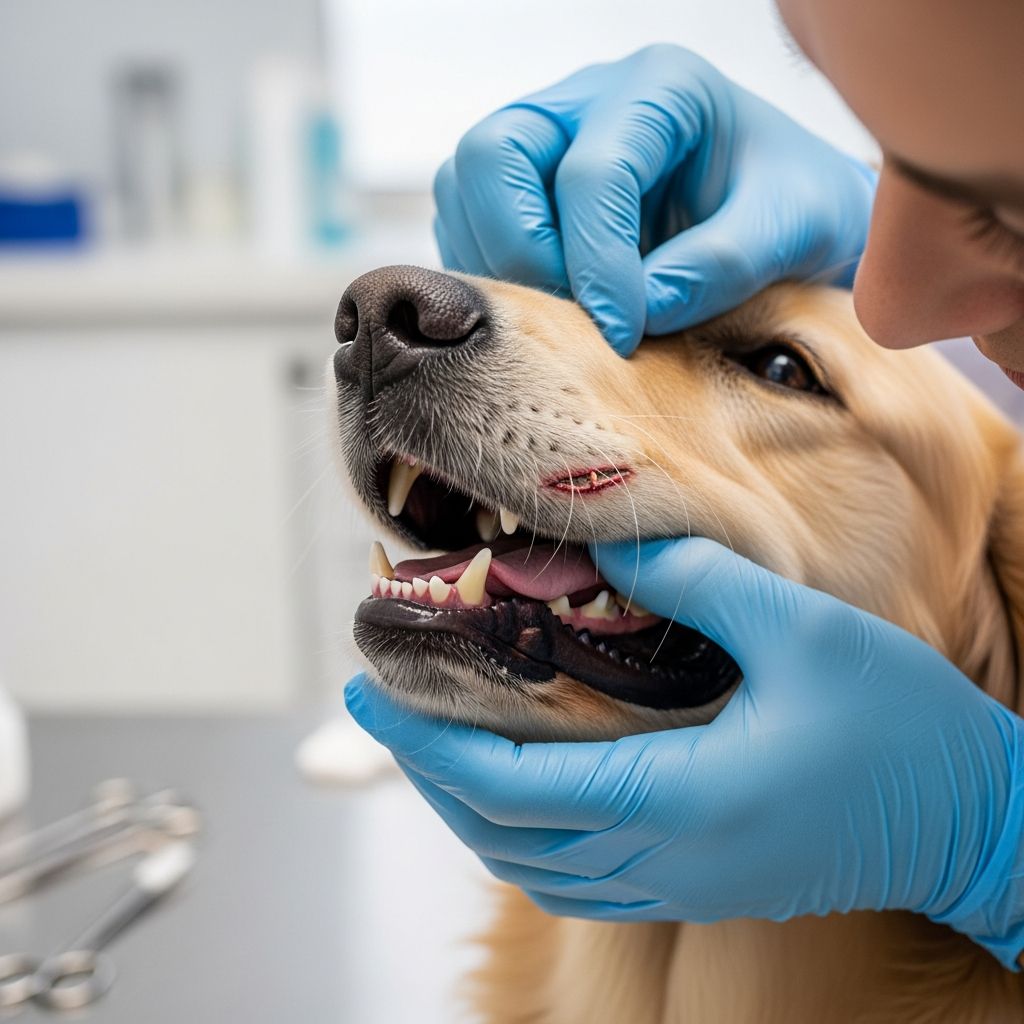
Soft tissue injuries in the mouths of small animals, particularly dogs and cats, represent a frequent veterinary concern that can lead to pain, infection, and eating difficulties if not addressed promptly. These injuries arise from various sources, including self-inflicted trauma during chewing, exposure to harmful substances, or external accidents, affecting areas like the tongue, lips, cheeks, and palate. Understanding these conditions enables pet owners and veterinarians to intervene effectively, promoting faster recovery and preventing chronic issues.
Common Types of Oral Trauma
Oral trauma in pets manifests in diverse forms, each with unique characteristics and implications.
Chewing-related lesions
often develop when soft tissues repeatedly contact sharp teeth, especially in breeds prone to malocclusion.Burns
from heat, chemicals, or electricity cause immediate tissue damage, whileavulsion injuries
result from blunt force, tearing lips or mucosa. Recognizing these distinctions is crucial for tailored treatment.Self-Inflicted Chewing Damage
One prevalent issue involves proliferative growths on mucosal surfaces due to habitual biting on cheeks, lips, tongue, or sublingual areas. This occurs when tissues get caught between teeth during mastication, panting, or jaw closure, leading to granuloma-like formations. Brachycephalic breeds, such as Bulldogs or Pugs, are particularly susceptible because their oversized tongues and loose cheeks combined with class 3 malocclusion—where the lower jaw extends beyond the upper—expose tissues to constant abrasion.
Symptoms include thickened, wart-like lesions that may ulcerate or bleed. In severe cases, secondary bacterial infections exacerbate swelling and discomfort, deterring the pet from eating. Diagnosis typically involves visual inspection and, for suspicious unilateral growths, biopsy to rule out tumors.
Burn Injuries from Various Sources
Burns constitute another major category, categorized by thermal, chemical, or electrical origins. Thermal burns frequently affect the nasal planum, lips, and tongue tip from hot foods or liquids. Chemical burns target the tongue and palate from household cleaners or batteries, while electrical burns—common in curious puppies, kittens, and rabbits chewing cords—impact lips, cheeks, gingiva, and even bone.
Electrical injuries pose systemic risks, including potential neurogenic pulmonary edema, necessitating full-body evaluation. Lesions range from superficial erythema to deep necrosis, with linear scars on the tongue mimicking the cord’s path and tooth pulp damage requiring root canals or extractions.
Avulsion and Laceration Wounds
Avulsions, where tissue is forcibly detached, often stem from vehicular accidents, animal fights, or falls. In dogs, upper lip avulsions from bites may involve nasal structures, while cats suffer lower lip tears from being stepped on. Concurrent tooth fractures occur in about 34.7% of cases, complicating recovery. These injuries cause profuse bleeding, swelling, and reluctance to eat, sometimes requiring feeding tubes.
Recognizing Symptoms Early
Early detection hinges on observing behavioral and physical changes. Pets may drool excessively, paw at their mouth, hesitate to eat, or exhibit facial swelling and halitosis. Bad breath signals infection, while swollen muzzle or lips indicate abscesses or trauma. In burns, hypersalivation and pain on palpation are hallmarks; avulsions present as gaping wounds or missing tissue.
- Behavioral cues: Reluctance to chew, dropping food, vocalizing during meals.
- Visible signs: Redness, ulcers, scars, tissue proliferation, or deformities.
- Systemic indicators: Fever, lethargy, or respiratory distress in severe burns.
Brachycephalic cats with cheek tooth malocclusion show narrower interdental spaces and pyogranulomatous lesions from premolar impingement. Prompt veterinary consultation prevents progression to chronic pain or oronasal fistulas.
Veterinary Diagnosis Approaches
Diagnosis begins with a thorough oral exam under sedation, as pets resist manipulation. Radiographs assess bone involvement or tooth damage, while biopsies confirm benign versus malignant growths. For malocclusion-related trauma, measuring carnassial tooth spacing aids identification. Bloodwork screens for systemic effects in burn cases.
| Diagnostic Tool | Purpose | Common Findings |
|---|---|---|
| Visual/Oral Exam | Identify lesions, burns, avulsions | Ulcers, scars, swelling |
| Radiography | Check bone, teeth | Fractures, pulp necrosis |
| Biopsy | Rule out cancer | Granuloma vs. neoplasia |
| Interdental Measurement | Assess malocclusion | Narrow spacing in cats |
Treatment Strategies
Treatment varies by injury type and severity, prioritizing stabilization, pain control, and infection prevention.
Conservative Management
Minor lesions heal with soft/liquid diets, analgesics, and antibiotics. For chemical burns, immediate lavage with water, vinegar (for alkalis), or bicarbonate (for acids) neutralizes agents if caught early. Clip contaminated fur to avoid re-exposure.
Surgical Interventions
Surgery is indicated for large chewing lesions, extensive burns, or avulsions. Debride necrotic tissue after demarcation, then close primarily with absorbable sutures. Reduce dead space with tacking or intraosseous sutures; extract interfering teeth for better apposition. Palatal defects causing fistulas require repair post-granulation. Malocclusion correction involves orthodontic adjustments, crown reductions, or extractions.
Post-op, feeding tubes (nasoesophageal, esophagostomy) support nutrition during healing. Prognosis excels with prompt repair—short-term dehiscence affects 21.4%, but long-term success is high.
Prevention Tips for Pet Owners
Proactive measures reduce risks significantly.
- Secure electrical cords and chemicals.
- Supervise puppies/kittens during play.
- Regular dental checks for brachycephalics.
- Avoid hot foods; test temperatures.
- Neutering/spaying may curb roaming/fights.
For high-risk breeds, breeders should select against severe malocclusions using interdental measurements.
Potential Complications and Prognosis
Untreated injuries lead to scarring, deformity, chronic pain, or malnutrition. Electrical burns risk tooth loss and pulmonary issues; avulsions can cause fistulas. With intervention, most pets recover fully, though monitoring prevents recurrence.
Frequently Asked Questions (FAQs)
What causes mouth chewing lesions in dogs?
They result from tissues trapping between misaligned teeth, common in brachycephalic dogs with class 3 malocclusion.
How do I treat a pet’s mouth burn at home?
Rinse with water; avoid neutralization if delayed. Seek vet care for pain meds and assessment.
Can lip avulsions heal without surgery?
Minor ones may, but extensive require debridement and suturing for best outcomes.
Are certain breeds more prone to oral trauma?
Yes, brachycephalics like Pugs and Persians due to anatomy and malocclusion.
When should I worry about oral swelling?
If with drooling, eating refusal, or fever—indicates infection or systemic issue.
Long-Term Oral Health Maintenance
Post-recovery, routine cleanings, dental diets, and chew toys promote health. Educate on breed risks to foster preventive care.
References
- Soft Tissue Trauma of the Mouth in Small Animals — Merck Veterinary Manual. 2023. https://www.merckvetmanual.com/digestive-system/diseases-of-the-mouth-in-small-animals/soft-tissue-trauma-of-the-mouth-in-small-animals
- Clinical Presentation, Causes, Treatment, and Outcome of Lip Avulsion Injuries in Dogs and Cats — Frontiers in Veterinary Science. 2018-06-29. https://www.frontiersin.org/journals/veterinary-science/articles/10.3389/fvets.2018.00144/full
- Malocclusion in cats associated with mandibular soft tissue trauma — PMC (PubMed Central). 2024. https://pmc.ncbi.nlm.nih.gov/articles/PMC10812024/
- Mouth Trauma in Dogs: Signs and Symptoms — WellPets Veterinary Clinic. 2023. https://www.wellpets.com/blog/mouth-trauma-in-dogs-signs-and-symptoms/
Similar Articles








Read full bio of Sneha Tete


