

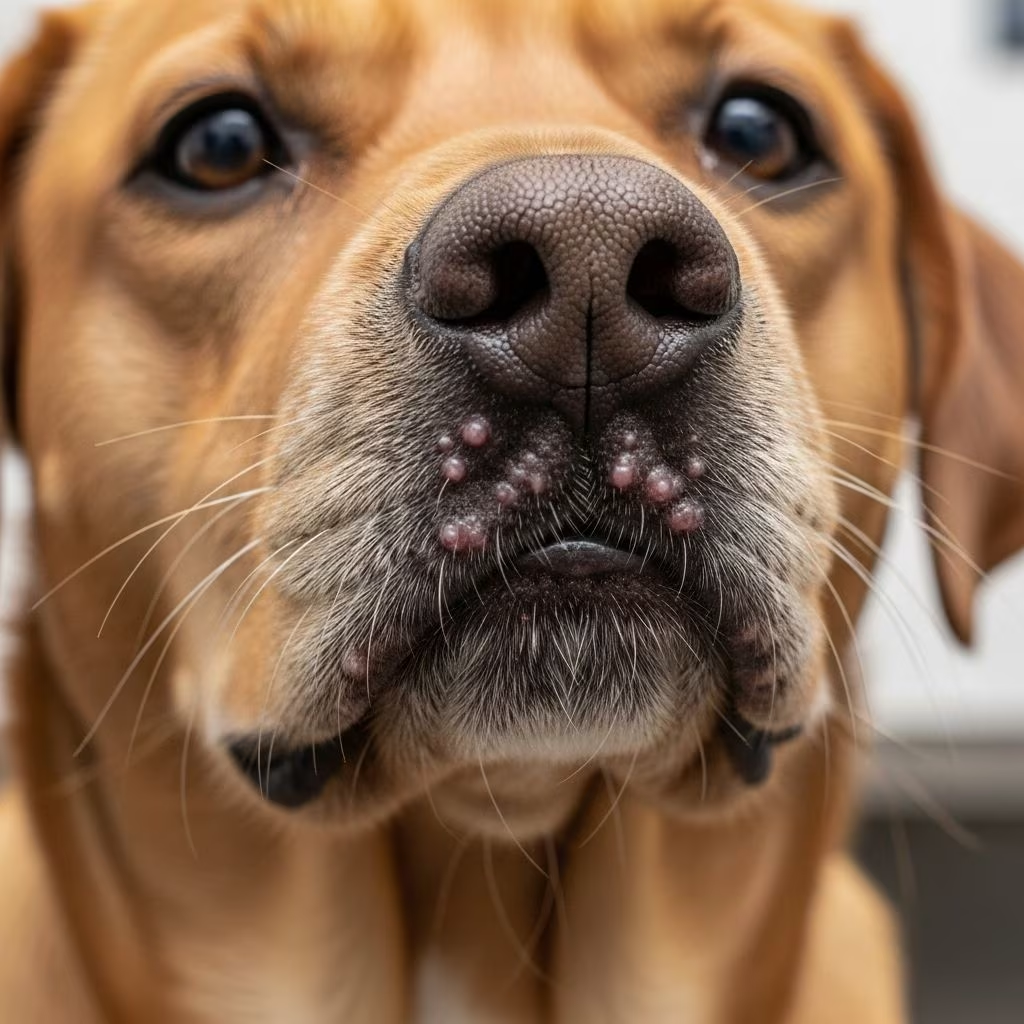
The sensitive skin around your dog’s mouth requires special attention and care. Unlike other areas of your dog’s body, the facial region around the lips and mouth is particularly vulnerable to irritation, infection, and inflammatory conditions. This delicate zone experiences constant movement from eating, drinking, and panting, which can exacerbate existing skin problems. Understanding the unique challenges of this area and learning how to identify early warning signs can help you prevent minor irritations from developing into serious infections.
Common Culprits Behind Mouth-Area Skin Problems
Several distinct conditions can cause discomfort and visible irritation around your dog’s mouth and lips. Each has its own set of characteristics, underlying causes, and treatment approaches. Recognizing which issue your dog may be experiencing is the first step toward effective intervention.
Lip Fold Dermatitis and Skin Fold Complications
Certain dog breeds, particularly those with prominent facial features like Bulldogs, Pugs, and Cocker Spaniels, are predisposed to skin fold-related problems. These natural skin folds can trap moisture, saliva, and food particles, creating an ideal environment for bacterial and yeast overgrowth. The accumulated moisture prevents the skin from drying properly, leading to inflammation and discomfort. This condition, known as lip fold dermatitis or lip fold pyoderma, develops when the skin fold becomes a breeding ground for microorganisms.
The problem intensifies when saliva continuously accumulates in these folds during normal eating and drinking. Over time, the skin becomes macerated (waterlogged and weakened), making it more susceptible to secondary infections. Dogs with this condition often display redness, odor, and may experience pain when the area is touched.
Periodontal Disease and Contact Ulcers
Dental health directly impacts the condition of surrounding oral tissues. When plaque and tartar accumulate on teeth, they create a hostile environment that damages nearby soft tissues. In some cases, teeth covered with hardened deposits may physically irritate the inner mouth lining, creating what veterinarians call “kissing lesions” or contact ulcers. These painful sores develop where soft tissue repeatedly contacts rough or diseased tooth surfaces.
Beyond contact ulcers, periodontal disease triggers an inflammatory cascade that affects the entire oral cavity. The immune system’s excessive response to bacterial plaque can perpetuate inflammation even after initial infection is controlled.
Bacterial and Yeast Infections
When a dog excessively scratches or licks an irritated area around the mouth, the skin barrier breaks down, allowing secondary bacterial infections to establish themselves. Common bacterial pathogens exploit these open wounds, causing deeper inflammation and potential spread to adjacent areas. Medicated shampoos containing chlorhexidine or benzoyl peroxide can help manage bacterial infections by reducing bacterial populations and promoting wound cleaning.
Yeast infections present a different challenge. These fungal infections thrive in warm, moist environments like those found around the mouth and lips. Yeast overgrowth causes noticeable redness, inflammation, and often an unpleasant odor. Medicated shampoos formulated with miconazole or ketoconazole specifically target yeast organisms and help restore skin balance.
Allergic Reactions and Inflammatory Conditions
Dogs can develop allergic responses to environmental factors, food ingredients, or contact allergens that manifest as oral and perioral irritation. Environmental allergies may trigger localized swelling and redness around the mouth area. Food allergies can cause more generalized mouth inflammation as well as systemic skin reactions. Allergic ulcerative disease, though more common in cats, can occasionally affect dogs, presenting as red ulcerative lesions on the hard palate and lips.
Some dogs develop canine chronic ulcerative stomatitis (CCUS), a severe inflammatory condition affecting mouth tissues. This condition requires aggressive management including professional dental care and sometimes immunosuppressive medications.
Identifying Warning Signs and Symptoms
Early detection of mouth-area skin problems can prevent complications. Watch for these indicators:
- Visible redness or swelling around the lips, mouth corners, or skin folds
- Unpleasant odor emanating from the mouth area, suggesting bacterial or yeast overgrowth
- Discharge or oozing from the affected region, indicating active infection
- Excessive licking or pawing at the mouth, showing discomfort or pain
- Crusting or scaling around the lips or within skin folds
- Difficulty eating or reluctance to consume food, suggesting oral pain
- Bad breath that differs from normal dog breath, pointing to dental or gum disease
Treatment Approaches for Oral and Perioral Skin Issues
Professional Veterinary Interventions
Your veterinarian can provide definitive diagnosis and prescribe targeted treatments. For lip fold dermatitis, treatment typically includes regular cleaning of the folds with benzoyl peroxide or mild skin cleansers, performed one to two times daily. Keeping the area dry is essential—your vet may recommend topical diaper rash cream for daily application. In cases where conservative management fails, surgical correction of severely deep lip folds offers a more permanent solution.
When bacterial infections are present, veterinarians may prescribe antibiotics appropriate to the specific pathogen involved. Chlorhexidine rinses or gels provide supplemental antibacterial effects and support oral health. For yeast infections, antifungal medications work alongside medicated shampoos to eliminate the fungal organisms.
Periodontal disease requires professional dental cleaning under anesthesia, combined with diligent home care. Thorough plaque control through professional interventions and excellent daily oral hygiene—including twice-daily tooth brushing—may resolve associated inflammation.
Topical Treatment Options
Several topical products can provide relief and support healing:
| Treatment Type | Active Ingredients | Primary Benefits | Application Notes |
|---|---|---|---|
| Hydrocortisone Sprays | Hydrocortisone | Reduces inflammation and itching | Apply to affected area; avoid extended use without veterinary guidance |
| Aloe Vera Gel | Aloe barbadensis extract | Soothes irritation and reduces pain | Safe for sensitive skin; gentle alternative to steroids |
| Chlorhexidine Solution | Chlorhexidine gluconate | Disinfects and reduces bacterial load | Use as rinse or gentle cleaning agent[10] |
| Medicated Shampoos | Chlorhexidine, benzoyl peroxide, miconazole, ketoconazole | Cleanses, disinfects, addresses bacterial or fungal infections | Use as directed; may require multiple applications weekly |
Oral Medications and Systemic Treatments
Oral medications can address underlying allergies and inflammatory conditions. Oclacitinib, a selective JAK inhibitor, rapidly controls itching and inflammation associated with allergies. This medication is generally well-tolerated for long-term use, making it suitable for dogs with chronic allergic skin conditions.
Immunotherapy (allergy shots) offers another option for dogs with identified environmental allergies. By gradually introducing small amounts of allergens, immunotherapy helps desensitize your dog’s immune system over time.
Natural and Home-Based Management Strategies
Dietary Approaches
Nutritional modifications can significantly impact skin health. Omega-3 fatty acids support the skin’s natural barrier function, reduce inflammation, and promote overall hydration. Fish oil supplements provide concentrated omega-3s and can substantially reduce itchiness and redness associated with skin irritation. Additionally, omega-3s support joint health and strengthen immune function.
Hypoallergenic or limited-ingredient diets help identify and eliminate foods triggering allergic responses. By systematically removing potential allergens from your dog’s diet, you can pinpoint problematic ingredients and maintain a diet that supports skin health without triggering reactions.
Bathing and Topical Home Care
Regular bathing with appropriate products supports skin health and removes allergens. Oatmeal-based shampoos provide natural relief for itchy, irritated skin by forming a protective moisture-locking barrier. Oatmeal is particularly beneficial for dogs with dry, flaky skin, as it hydrates the skin while reducing irritation from environmental allergens.
For dogs with floppy lips or skin folds, maintaining dryness is critical. After eating, drinking, or bathing, gently dry the mouth area and any skin folds with a soft cloth. This simple preventive measure significantly reduces the environment favorable for bacterial and yeast growth.
Frequently Asked Questions
When should I contact my veterinarian about mouth-area skin irritation?
Seek immediate veterinary attention if you notice signs of infection such as unpleasant odor, discharge, or swelling that worsens over several days. Additionally, contact your vet if your dog shows signs of pain, difficulty eating, or if home care doesn’t improve the condition within a week. Any oral ulcers or persistent lesions warrant professional evaluation to rule out underlying systemic diseases.
Can lip fold dermatitis be prevented in predisposed breeds?
While you cannot change your dog’s breed structure, regular preventive care significantly reduces risk. Daily inspection of skin folds, prompt cleaning after meals, and maintaining the area dry are essential preventive measures. Some owners of predisposed breeds find that regular grooming and hair clipping around the mouth area help improve air circulation and reduce moisture accumulation.
What’s the difference between treating bacterial versus yeast infections?
Bacterial infections require antibacterial medicated shampoos containing chlorhexidine or benzoyl peroxide. Yeast infections respond to antifungal medicated shampoos with miconazole or ketoconazole. Your veterinarian can identify which organism is causing the problem through examination, allowing for targeted treatment.
Are natural remedies sufficient for treating mouth-area skin problems?
Natural remedies like oatmeal baths, aloe vera, and fish oil supplements work well for mild irritation. However, infections, severe inflammation, and underlying conditions like periodontal disease typically require professional veterinary treatment. Natural remedies work best as preventive measures or complementary therapies alongside veterinary care.
How long does treatment typically take?
Recovery time varies depending on the underlying cause. Mild irritation may improve within one to two weeks with consistent home care. Infections may require two to four weeks of treatment. Chronic conditions like lip fold dermatitis require ongoing management, and periodontal disease necessitates long-term commitment to daily oral hygiene.
Prevention and Long-Term Management
Preventing oral and perioral skin problems is far more effective than treating established conditions. Daily oral hygiene through tooth brushing protects against periodontal disease and associated complications. Regular inspection of your dog’s mouth and lips allows early detection of developing problems before they become severe.
Maintaining appropriate humidity levels in your home and ensuring your dog has adequate ventilation around the face helps prevent moisture accumulation. For breeds with skin folds, consider regular grooming appointments where a professional can safely clean and dry these areas.
Finally, feeding high-quality nutrition supports skin health from within. Diets rich in omega-3 fatty acids, appropriate protein levels, and essential vitamins and minerals create the biochemical environment necessary for robust skin barrier function and immune health.
References
- The Best Dog Skin Irritation Treatment for Long-Term Relief — Kainer Veterinary Clinic. 2024. https://kainervet.com/the-best-dog-skin-irritation-treatment-for-long-term-relief/
- Disorders of the Mouth in Dogs — Merck Veterinary Manual. 2024. https://www.merckvetmanual.com/dog-owners/digestive-disorders-of-dogs/disorders-of-the-mouth-in-dogs
- Treating Oral Ulcers in Dogs — Montana Pet Dentist. 2024. https://montanapetdentist.com/treating-oral-ulcers-in-dogs/
- Dog Skin Allergies: Causes, Symptoms, and Treatment — PetMD. 2024. https://www.petmd.com/dog/general-health/dog-skin-allergies
- Mouth Ulcers in Dogs: How do You Treat Them? — WellPets. 2024. https://www.wellpets.com/blog/118-treating-mouth-ulcers-in-dogs/
- Dog Allergies: Types, Symptoms, and Treatments — VEG ER for Pets. 2024. https://www.veg.com/post/allergic-reaction-in-dogs
- First Aid for Hot Spots in Dogs — VCA Animal Hospitals. 2024. https://vcahospitals.com/know-your-pet/first-aid-for-hot-spots-in-dogs



