

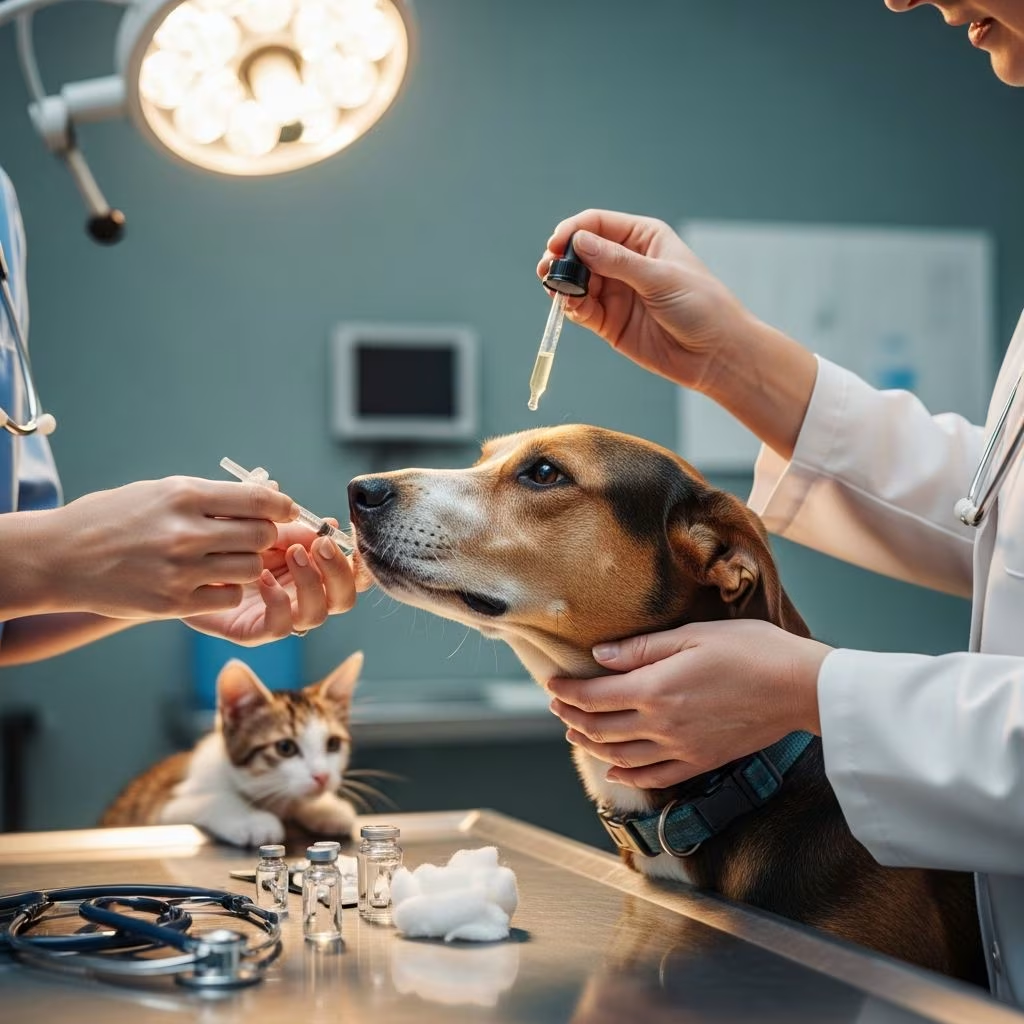
Oral and Injectable Immunotherapy for Pets
Immunotherapy represents a significant advancement in veterinary medicine, offering pet owners and veterinarians innovative treatment options for various health conditions affecting their animals. Unlike traditional treatments that directly attack disease-causing agents, immunotherapy works by stimulating, enhancing, or in some cases suppressing the pet’s own immune system to fight disease more effectively. This approach has revolutionized the way veterinarians treat everything from environmental allergies to serious cancers in companion animals.
Immunotherapy comes in multiple forms, with oral and injectable methods being among the most commonly prescribed options in veterinary practice. These delivery methods offer distinct advantages depending on the specific condition being treated and the individual needs of each pet. Understanding these treatment modalities can help pet owners make informed decisions about their animal’s healthcare with their veterinary team.
What is Immunotherapy?
Immunotherapy is a broad term that encompasses any medical treatment designed to influence immune function. In veterinary medicine, this therapeutic approach leverages the body’s natural defense mechanisms to combat disease more effectively than conventional treatments alone. The immune system, which is primarily composed of white blood cells and signaling molecules called cytokines, serves as the body’s frontline defense against pathogens, cancers, and disease processes.
By harnessing and directing these natural defenses, immunotherapy offers a more targeted and often gentler approach to treating various conditions. Rather than simply suppressing symptoms or directly destroying harmful agents, immunotherapy trains and empowers the body’s own defenses to recognize and eliminate threats. This fundamental shift in treatment philosophy has opened new possibilities for managing chronic and serious health conditions in pets.
Types of Immunotherapy Delivery
Injectable Immunotherapy
Injectable immunotherapy remains one of the most effective and widely used delivery methods in veterinary medicine. These treatments are administered through injections, typically given under the skin, and work by introducing therapeutic agents directly into the body where they can interact with the immune system. Injectable immunotherapies can include vaccines, monoclonal antibodies, cytokines, and other biologic preparations designed to stimulate or modulate immune responses.
The injectable route offers several advantages, including precise dosing, rapid onset of action, and the ability to deliver complex biological molecules that might otherwise be broken down if taken orally. For conditions like cancer immunotherapy and severe allergies, injectable treatments have demonstrated superior effectiveness compared to other delivery methods. Veterinarians can carefully adjust dosing schedules and monitor responses closely when using injectable immunotherapies.
Oral Immunotherapy
Oral immunotherapy represents a more convenient delivery method for certain applications, allowing pet owners to administer treatment at home without requiring frequent veterinary visits. This method involves giving medications or therapeutic agents by mouth, typically in pill, tablet, or liquid form. Oral immunotherapy is particularly useful for long-term management of chronic conditions where convenience and compliance are important factors.
However, oral delivery faces certain limitations in veterinary medicine. Many complex biological molecules, such as proteins and antibodies, are degraded by stomach acid and digestive enzymes before they can be absorbed effectively. This means that oral immunotherapy is most commonly used for smaller molecular weight compounds or for conditions where this limitation is less critical. Despite these constraints, oral immunotherapy continues to play an important role in comprehensive treatment plans for many conditions.
Immunotherapy for Allergies
How Allergy Immunotherapy Works
Immunotherapy, commonly known as “allergy shots,” represents one of the oldest and most effective treatment options for environmental allergies in dogs and other pets. This therapeutic approach works fundamentally differently from antihistamines or corticosteroids, which merely suppress allergic symptoms. Instead, allergy immunotherapy attempts to retrain the immune system itself, gradually building tolerance to allergens that trigger allergic reactions.
The treatment involves introducing progressively increasing amounts of specific allergens to which the pet is sensitive. By gradually exposing the immune system to these substances in controlled doses, the body eventually develops reduced sensitivity and altered immune response patterns. This process requires patience and commitment, typically spanning at least one year before significant improvements become apparent, but it offers the potential for long-lasting relief without continuous medication.
Injectable vs. Oral Allergy Immunotherapy
Injectable allergy immunotherapy, commonly administered as subcutaneous injections, remains the most traditional and extensively studied form of allergy treatment for pets. These injections are typically administered initially every other day, then gradually reduced to weekly or bi-weekly schedules as the pet’s tolerance builds. Veterinary dermatologists work closely with primary care veterinarians to customize allergy vaccines based on specific allergen testing results.
Oral allergy immunotherapy, sometimes administered as sublingual drops placed under the tongue, offers a more convenient alternative for some pet owners. This method, which may be given twice daily, eliminates the need for frequent veterinary visits and may be easier for pets that are difficult to handle or transport. However, the effectiveness of oral allergy immunotherapy can vary, and not all pets respond as robustly to this delivery method compared to injections.
Effectiveness and Timeline
Research demonstrates that immunotherapy is effective for approximately 60-80% of dogs with environmental allergies, making it one of the most successful treatment options available. However, this effectiveness requires a long-term commitment from pet owners. During the initial year of treatment, pets typically continue taking other allergy medications to control symptoms while the immune system gradually builds tolerance.
After one year of consistent immunotherapy, veterinarians assess whether improvement has occurred. If the treatment is working, other medications may gradually be reduced or discontinued as the pet’s tolerance strengthens. In successful cases, many pets can maintain remission of allergic signs with immunotherapy alone, either indefinitely or with periodic maintenance doses. If no improvement is observed after one year, the veterinary team may recommend alternative therapies or treatment approaches.
Immunotherapy for Cancer
Cancer Immunotherapy Overview
Immunotherapy has emerged as a powerful tool in veterinary oncology, offering new hope for pets diagnosed with various forms of cancer. Unlike chemotherapy, which directly attacks cancer cells but often damages healthy tissue as well, cancer immunotherapy works by stimulating the body’s own defense mechanisms to recognize and destroy malignant cells. This targeted approach typically results in fewer side effects while potentially providing more sustained protection against cancer recurrence.
Several different types of immunotherapy are now available for treating cancer in pets, each working through distinct mechanisms. These include therapeutic cancer vaccines, monoclonal antibody therapies, checkpoint inhibitors, and adoptive cell therapies. The specific type recommended depends on the cancer type, stage, and individual patient factors.
Cancer Vaccines
Therapeutic cancer vaccines represent a significant breakthrough in veterinary oncology, though they work quite differently from preventive vaccines. Rather than preventing disease, therapeutic vaccines train the immune system to attack existing cancerous cells. Among the most significant advances was the development of the canine melanoma vaccine, which became one of the first FDA-approved therapeutic cancer vaccines for animals. This vaccine targets tyrosinase, a protein overexpressed in melanoma cells, and has demonstrated the ability to extend survival times and improve quality of life in dogs with advanced melanoma.
Personalized cancer vaccines represent an even more advanced approach, using tumor tissue from the individual patient to create customized vaccines. These personalized vaccines are designed specifically to match the unique characteristics of that animal’s cancer, potentially offering superior effectiveness compared to standardized vaccines. Personalized vaccine therapy combined with adoptive cell therapy has shown particularly promising results in extending survival and triggering immune responses that persist long after treatment concludes.
Monoclonal Antibody Therapy
Monoclonal antibody therapies represent another important category of cancer immunotherapy now available for pets. These laboratory-engineered antibodies are designed to specifically target antigens present on cancer cell surfaces. By binding to these targets, monoclonal antibodies flag cancer cells for destruction by the immune system while leaving healthy cells relatively unharmed. A landmark advance occurred in 2012 with the FDA approval of TANOVEA-CA1, the first monoclonal antibody therapy developed specifically for veterinary use. This groundbreaking treatment targets cancerous B-cells in dogs with lymphoma, offering a less invasive alternative to traditional chemotherapy with promising outcomes and fewer side effects.
Checkpoint Inhibitors
Checkpoint inhibitor immunotherapies work by blocking regulatory pathways that cancer cells often exploit to evade immune detection. Cancer cells have evolved sophisticated mechanisms to “hide” from the immune system by engaging these checkpoint pathways. By inhibiting these checkpoints, immunotherapy medications remove the brakes that cancer cells use to escape immune attack, allowing the body’s defense system to mount a more robust and effective response against malignant cells.
Adoptive Cell Therapy
Adoptive cell therapy represents one of the most advanced and personalized approaches to cancer immunotherapy currently available in veterinary medicine. This sophisticated treatment involves extracting immune cells from the patient, enhancing or genetically modifying them in specialized laboratory settings, and then reintroducing them to target and destroy cancer cells. While still largely in advanced stages of development and refinement in veterinary medicine, adoptive cell therapy offers tremendous potential for highly individualized treatment tailored to each patient’s unique immunological profile and specific cancer characteristics.
Advantages and Considerations
Benefits of Immunotherapy
Immunotherapy offers several significant advantages over traditional treatment approaches. These therapies typically work with the body’s natural defenses rather than against them, resulting in fewer systemic side effects compared to chemotherapy or long-term immunosuppressive medications. The targeted nature of many immunotherapies means that healthy cells are generally spared from damage, leading to improved quality of life during and after treatment.
Another major advantage is the potential for long-lasting protection. By training the immune system to recognize and fight specific threats, immunotherapy can provide sustained benefits that extend well beyond the active treatment period. Many pets experience improved outcomes, extended survival times, and better quality of life when immunotherapy is incorporated into comprehensive treatment plans.
Important Considerations
While immunotherapy offers tremendous promise, pet owners should understand that these treatments often work best as part of a comprehensive treatment strategy rather than as standalone therapies. For cancer, immunotherapy is frequently combined with surgery or chemotherapy to maximize effectiveness. The timeline for results varies considerably depending on the condition and individual patient response, with some treatments requiring extended periods to demonstrate effectiveness.
The success of immunotherapy also depends on consistent adherence to treatment schedules and close monitoring by the veterinary team. Pet owners must be committed to following prescribed protocols, attending follow-up appointments, and reporting any changes in their pet’s condition. Open communication with the veterinary oncologist or specialist administering immunotherapy is essential for optimizing outcomes.
Frequently Asked Questions
Q: How long does it take for immunotherapy to work?
A: The timeline varies depending on the condition and type of immunotherapy. Allergy immunotherapy typically requires at least one year of treatment before effectiveness can be fully assessed. Cancer immunotherapy responses may be observed within weeks to months, though some cases require longer treatment periods for optimal results.
Q: What are the side effects of immunotherapy?
A: Immunotherapy generally has fewer and milder side effects compared to chemotherapy or long-term immunosuppressive medications. Possible side effects may include mild injection site reactions, temporary allergy symptom changes, or flu-like symptoms in some cases. Your veterinarian will discuss potential side effects specific to your pet’s treatment.
Q: Can immunotherapy cure cancer in pets?
A: While immunotherapy cannot guarantee a cure, it can significantly extend survival times and improve quality of life. Many pets experience disease regression or long-term remission with immunotherapy, particularly when combined with other treatments like surgery.
Q: Is immunotherapy suitable for all pets?
A: Immunotherapy effectiveness varies by individual and condition. Your veterinarian will evaluate whether immunotherapy is appropriate for your pet based on factors such as age, overall health, specific diagnosis, and previous treatment responses.
Q: How much does immunotherapy cost?
A: Costs vary significantly depending on the type of immunotherapy, treatment duration, and individual veterinary practice. Injectable allergy immunotherapy and cancer vaccines may have different price points. Discuss pricing and payment options with your veterinary team to understand the financial commitment involved.
Q: Can immunotherapy be combined with other treatments?
A: Yes, immunotherapy is often most effective when combined with other treatments. Cancer immunotherapy frequently works alongside surgery or chemotherapy, while allergy immunotherapy is often used alongside other allergy management strategies during the initial treatment year.
Working with Your Veterinary Team
Successful immunotherapy outcomes depend on close collaboration between pet owners and their veterinary healthcare team. Whether considering immunotherapy for allergies or cancer, your veterinarian will conduct a comprehensive evaluation to determine if immunotherapy is appropriate for your pet’s specific situation. This evaluation may include allergy testing, cancer staging, or other diagnostic procedures to guide treatment recommendations.
If immunotherapy is recommended, your veterinarian will provide detailed instructions for treatment administration, monitoring protocols, and expected timelines for results. For injectable immunotherapy, clear instructions regarding injection frequency, technique, and storage will be provided. For oral immunotherapy, your veterinarian will explain proper administration methods and timing to ensure maximum effectiveness.
Regular follow-up appointments are essential to monitor your pet’s response to immunotherapy and make any necessary adjustments to the treatment plan. During these visits, your veterinarian will assess whether the therapy is providing the desired benefits and determine whether continuing, modifying, or changing the treatment approach is warranted.
References
- Understanding the Promise of Immunotherapy in Veterinary Medicine — Promega Connections. 2024-01-15. https://www.promegaconnections.com/understanding-the-promise-of-immunotherapy-in-veterinary-medicine/
- Immunotherapy for pet allergies — National Institutes of Health, PMC. 2024-03-10. https://pmc.ncbi.nlm.nih.gov/articles/PMC5893203/
- Immunotherapy (Allergy Shots) for Dogs — University of Illinois Veterinary Medicine. 2024-06-20. https://vetmed.illinois.edu/pet-health-columns/immunotherapy-itchy-dog/
- Immunotherapy in Fairfax, VA — VCA SouthPaws Veterinary Hospitals. 2024-05-18. https://vcahospitals.com/southpaws/departments/oncology/immunotherapy
- Immunotherapy – Veterinary Cancer Health — Veterinary Cancer Health. 2024-07-12. https://www.vetcancerhealth.com/services/immunotherapy
- ELIAS Animal Cancer Immunotherapy for Veterinarians — ELIAS Animal Health. 2024-08-05. https://eliasanimalhealth.com/veterinarian-information/
- Immunotherapy in Veterinary Oncology: Past, Present, and Future — Veterinary Practice News. 2024-04-22. https://www.veterinarypracticenews.com/immunotherapy-in-veterinary-oncology/



