
Optimizing Ram Fertility In Sheep: Practical Pre-Breeding Guide
Essential strategies for preparing rams to maximize breeding success and lamb production in sheep flocks.
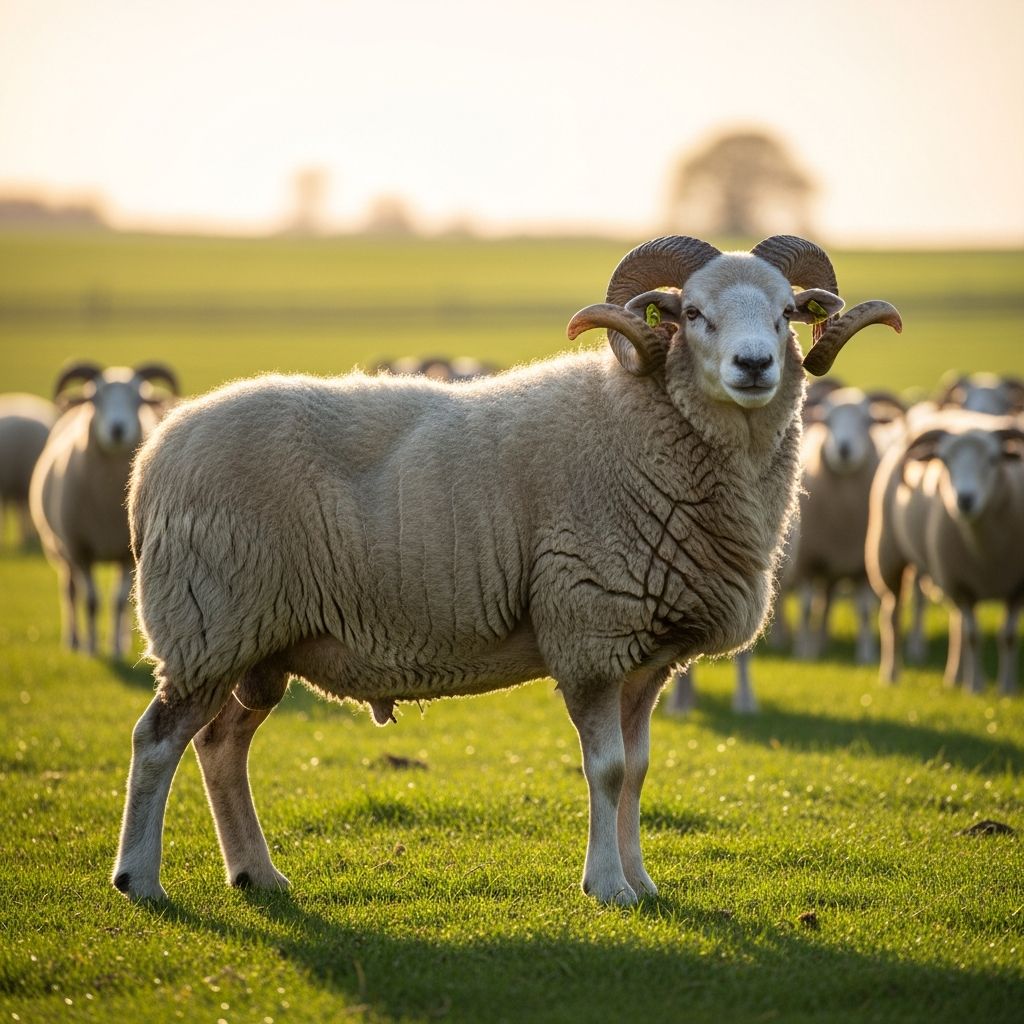
Rams serve as the cornerstone of successful sheep reproduction, directly influencing flock productivity and lamb output. Effective management of rams before and during the breeding season ensures high conception rates and robust offspring. This article explores proven techniques for enhancing ram performance, drawing from established agricultural extension guidelines and research.
Understanding Ram Reproductive Physiology
The male sheep’s reproductive system relies on precise hormonal and nutritional cues to produce viable sperm. Spermatogenesis, the process of sperm cell development, spans 6 to 8 weeks, necessitating early interventions for peak fertility. Elevated dietary energy triggers gonadotropin-releasing hormone (GnRH), stimulating semen production and scrotal growth.
Maintaining optimal body condition is vital; rams should achieve a score of 3 on a 1-5 scale (1 being emaciated, 5 obese) prior to breeding. This ‘fit, not fat’ status supports libido and stamina, preventing weaknesses like reduced semen quality in underfed animals or lethargy in overweight ones.
Pre-Breeding Nutritional Strategies
Nutrition ramps up 6-8 weeks before breeding to align with spermatogenesis timelines. Forage often falls short, requiring supplements like 0.5-1.0 pounds of corn or oats daily to elevate energy and protein intake by 10% and 18%, respectively.
- Gradually introduce grains over 1-2 weeks to adapt rumen microbes and avoid digestive upset.
- Target twice-maintenance energy levels if body condition lags, monitoring weight gain weekly.
- Provide vitamins and minerals, especially in late summer when pastures decline.
Rams lose 10-25% body weight during breeding, so pre-season conditioning buffers this decline, sustaining performance. Young or growing rams on expansive pastures may need extra rations for travel and mating demands.
Breeding Soundness Examinations
A comprehensive breeding soundness exam (BSE) 2-4 weeks pre-breeding assesses fertility across physical, semen, and behavioral traits. Conducted by veterinarians or trained producers, it identifies issues early, averting flock-wide failures.
| Component | Evaluation Criteria | Acceptable Threshold |
|---|---|---|
| Physical Exam | Structure, feet, testes size | Scrotal circumference >30 cm (mature rams) |
| Semen Analysis | Motility, morphology, concentration | >30% progressive motility, <20% abnormal sperm |
| Libido Test | Serving capacity | <5 services/day recommended |
Failing rams warrant retesting after 30-60 days with nutritional tweaks. Low scores correlate with poor body condition, underscoring holistic prep.
Health and Physical Preparation
Parasite control, hoof trimming, and shearing mitigate infertility risks. Internal deworming targets burdens impairing nutrition absorption. Trim feet to ensure mobility for mounting.
Shear 4-6 weeks before summer heat to prevent stress, which damages sperm via elevated temperatures. Supply shade and fresh water alongside. Physical soundness enables proper movement; select rams with strong legs and balanced structure.
- Separate rams from ewes post-breeding for recovery.
- Use teaser rams 2 weeks prior to synchronize estrus without overtaxing breeders.
- Maintain 1:25 ram-to-ewe ratio for lambs, adjusting for synchronization.
Breeding Season Protocols
Limit services to 5 per day to preserve semen quality, especially with estrus aids like CIDRs or prostaglandins. Monitor for injuries, age-related decline, or diseases causing low libido.
Post-breeding, rams dropping below BCS 3.5 need high-energy recovery feeds to rebuild testicular function for future cycles. Genomic testing and performance records guide selections beyond phenotype.
Common Pitfalls and Solutions
Avoid over-reliance on visuals; integrate BSEs despite costs. Neglected nutrition yields subpar sperm; heat exposure spikes abnormalities. Overfat rams show muted flushing responses.
| Pitfall | Impact | Solution |
|---|---|---|
| Poor Body Condition | Low semen quality, weakness | 8-week flushing program |
| Heat Stress | Sperm morphology defects | Shearing, shade provision |
| Excessive Services | Reduced conception | Limit to 5/day, use teasers |
Long-Term Ram Management
Sustainable flocks prioritize rams excelling in fertility, growth, and carcass traits. Cull infertiles promptly; retain via health histories. Off-season conditioning mirrors ewe flushing for ovulation boosts.
Integrate tech like genomic evaluations for predictive breeding. Healthy rams amplify lamb weaning rates, cutting operational risks.
Frequently Asked Questions
What is the ideal body condition score for breeding rams?
A score of 3 on a 1-5 scale ensures fitness without excess fat, optimizing libido and semen output.
How long before breeding should nutrition increase?
Start 6-8 weeks prior to support spermatogenesis fully.
Why perform a breeding soundness exam?
It detects fertility barriers early, preventing breeding failures and enabling timely corrections.
Can rams recover from a failed BSE?
Yes, retest after 30-60 days with improved nutrition; many pass subsequently.
How many ewes per ram during breeding?
Aim for 1:25 with ram lambs, scaling for conditions like synchronization.
Key Takeaways for Producers
- Prioritize nutrition and BCS 3 for peak fertility.
- Schedule BSEs routinely for risk mitigation.
- Implement health protocols against stress and parasites.
- Monitor breeding loads to sustain conception.
By embedding these practices, sheep operations achieve reliable lamb crops, enhancing profitability and sustainability.
References
- Preparing rams for a successful breeding season — Michigan State University Extension. 2023. https://www.canr.msu.edu/sheep_goats/reproduction/preparing-rams-for-a-successful-breeding-season
- Boosting Ram Nutrition for Optimal Breeding Success — South Dakota State University Extension. 2023. https://extension.sdstate.edu/boosting-ram-nutrition-optimal-breeding-success
- Boosting Ram Nutrition for Optimal Breeding — Sioux Nation Ag. 2023. https://www.siouxnationag.com/boosting-ram-nutrition-for-optimal-breeding/
- Reproductive Management of Rams and Ram Lambs – Pre… — PMC (PubMed Central). 2021-09-23. https://pmc.ncbi.nlm.nih.gov/articles/PMC8471565/
- Reproductive Management of the Ewe Flock and the Ram — Purdue University. 2023. https://ag.purdue.edu/department/ansc/sheep/_docs/reproductive_management.pdf
Similar Articles








Read full bio of Sneha Tete


