
Laying Hen Management: Expert Guide To Peak Egg Production
Expert strategies for housing, nutrition, lighting, and health to boost egg production and hen welfare in modern flocks.
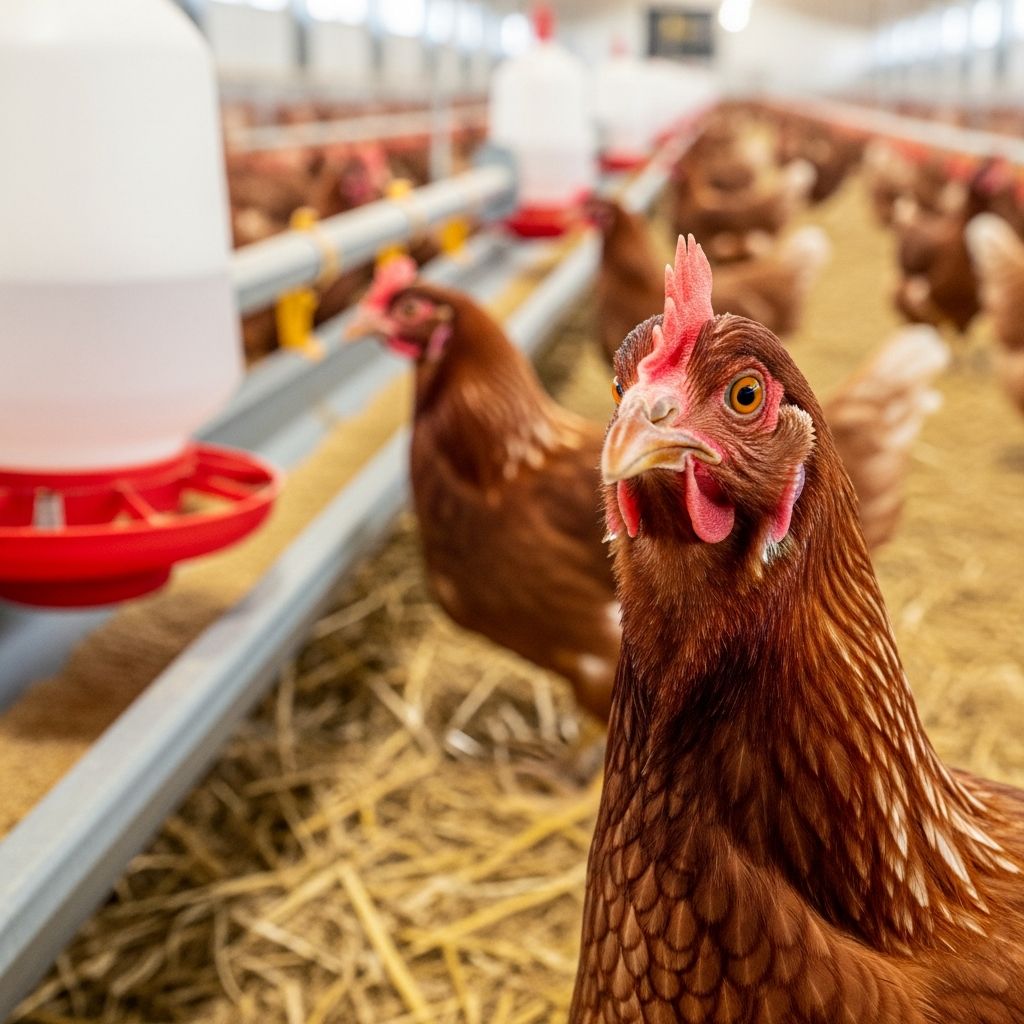
Successful egg production hinges on meticulous care of laying hens, balancing their physical needs with environmental precision. This guide explores key practices to enhance flock productivity and longevity, drawing from established poultry science.
Selecting the Right Breeds for Egg Output
Choosing appropriate breeds sets the foundation for high-yield egg operations. Breeds like Rhode Island Reds excel in consistent laying, often producing over 250 eggs annually under optimal conditions. Prioritize strains bred specifically for table eggs, as they demonstrate superior feed conversion and resilience to production stress. Evaluate hybrid layers for commercial scalability, ensuring genetic uniformity to minimize variability in flock performance.
Assess local climate adaptability; heat-tolerant varieties prevent summer production dips. Document breed performance metrics, such as age at first egg (around 18-20 weeks) and peak lay rates (90-95%), to inform future selections.
Designing Effective Housing Systems
Housing directly influences hen comfort and output. Allocate at least 1.5-2 square feet per bird in floor systems to curb stress-induced behaviors like feather pecking. For cage-free setups, integrate perches at varying heights to promote natural roosting, reducing injury risks.
Maintain litter depths of 3-4 inches using absorbent materials like pine shavings, turning it weekly to control moisture below 20-25%. Predator-proof coops with secure wire mesh (1-inch openings) and elevated designs safeguard flocks overnight.
| System Type | Space per Hen (sq ft) | Key Features |
|---|---|---|
| Caged | 0.8-1.2 | Easy cleaning, reduced cannibalism |
| Cage-free | 1.5-2.0 | Perches, nests for welfare |
| Avairy | 2.0+ | Multi-level access, natural light |
Ventilation systems must exchange air 8-10 times hourly, targeting 50-70% humidity and ammonia under 20 ppm. Automated fans and ridge vents prevent heat buildup above 85°F, where production falls 1% per degree.
Nutrition Strategies for Peak Laying
Balanced rations drive eggshell quality and sustained lay. Chicks require 18-20% protein starters for 0-8 weeks, transitioning to 14-15% developer feeds until 18 weeks. Layers need 16-18% protein diets with 3.5-4% calcium, offered via separate oyster shell feeders.
- Protein sources: Soybean meal, fish meal for amino acids.
- Energy boosters: Corn, wheat at 2800-2900 kcal/kg.
- Minerals: Phosphorus at 0.4%, grit for digestion.
Avoid table scraps, which imbalance nutrients and risk prolapse. Consult nutritionists for phase-specific formulations, adjusting for hot weather with cooler, wetter feeds to sustain intake. Daily consumption averages 0.25 lbs per hen, critical for 280-300 eggs yearly.
Water Access and Quality Control
Hens drink 2-3 times their feed weight in water; deficits halt laying within 12 hours. Provide 1 inch linear space per bird via nipple or bell drinkers at back height, refilling daily with clean, cool water.
Monitor for algae or contaminants; sanitize weekly with vinegar solutions. In freezing climates, heated bases ensure availability, preventing 20-30% production losses.
Mastering Lighting for Production Cycles
Light manipulates lay cycles: extend to 14-16 hours daily at peak via 10-20 lux at feed lines (one 60W bulb/100 sq ft at 7 ft). Gradual increases from pullet stage mimic daylight, avoiding shocks that drop output 10-15%.
Uniform distribution prevents dark zones causing litter eggs. Automate timers for 8-hour dark periods minimum, blending natural and artificial sources for welfare. Short days signal molt; counter with supplements in winter.
Nesting and Egg Collection Protocols
Supply 1 nest (12x12x12 inches) per 4-5 hens, curtained and dimly lit 24 inches off floor, away from roosts. Line with clean straw, refreshing bi-daily to deter broodiness or eating.
Collect eggs twice daily to minimize breakage and contamination. Target 95% nest usage through privacy and comfort, boosting clean egg yields.
Biosecurity and Disease Prevention
Limit visitors with footbaths and boot changes; quarantine new birds 4 weeks. Vaccinate against Marek’s, Newcastle per schedules. Monitor for signs like lethargy or shell defects, isolating promptly.
High-quality litter amendments neutralize ammonia, curbing respiratory issues. Uniform flocks via weighing samples reduce pecking.
Preventing Behavioral Issues and Cannibalism
Cannibalism stems from stress, boredom, or nutrient gaps. Foster uniformity in weight/feathers; provide dust baths and perches as refuges.
- Remove injured birds immediately.
- Select docile breeds.
- Avoid sharp fixtures; use infrared beak trimming if essential.
Balanced diets and stimuli reduction cut incidents 50-70%.
Seasonal Adjustments and Monitoring
Summer: Boost ventilation, electrolytes in water. Winter: Insulate, supplemental light, unfrozen water. Track metrics weekly:
| Metric | Target | Action if Low |
|---|---|---|
| Feed Intake | 0.25 lb/hen/day | Check palatability |
| Lay Rate | 85-95% | Review light/nutrition |
| Mortality | <5%/year | Enhance biosecurity |
Frequently Asked Questions (FAQs)
How much space do laying hens need?
Minimum 1.5 sq ft per hen in floor systems; more for larger breeds.
What causes sudden egg production drops?
Water shortages, heat stress, or light disruptions; address promptly.
Is supplemental lighting safe year-round?
Yes, at 14-16 hours, preventing off-season molts.
How often to clean the coop?
Weekly litter turn; full deep clean 1-2 times yearly.
Can free-ranging improve egg quality?
Yes, via foraging, but maintain biosecurity.
References
- Keeping Your Layer Chickens Healthy: 3 Essential Tips for Disease Prevention — Ralco Agriculture. 2023. https://www.ralcoagriculture.com/post/keeping-your-layer-chickens-healthy-3-essential-tips-for-disease-prevention
- Management Requirements for Laying Flocks — Penn State Extension. 2024. https://extension.psu.edu/management-requirements-for-laying-flocks/
- Management of Laying Hens: Best Practices and Recommendations — Certified Humane Asia. 2023. https://certifiedhumaneasia.org/management-of-laying-hens-discover-the-best-practices-and-recommendations/
- Optimizing Egg Laying Production — Freedom Ranger Hatchery. 2024. https://www.freedomrangerhatchery.com/blog/optimizing-egg-laying-production/
- Management of Laying Chickens — Merck Veterinary Manual. 2025. https://www.merckvetmanual.com/poultry/nutrition-and-management-poultry/management-of-laying-chickens
- Raising Chickens for Eggs — University of Minnesota Extension. 2024. https://extension.umn.edu/small-scale-poultry/raising-chickens-eggs
Similar Articles








Read full bio of medha deb


