

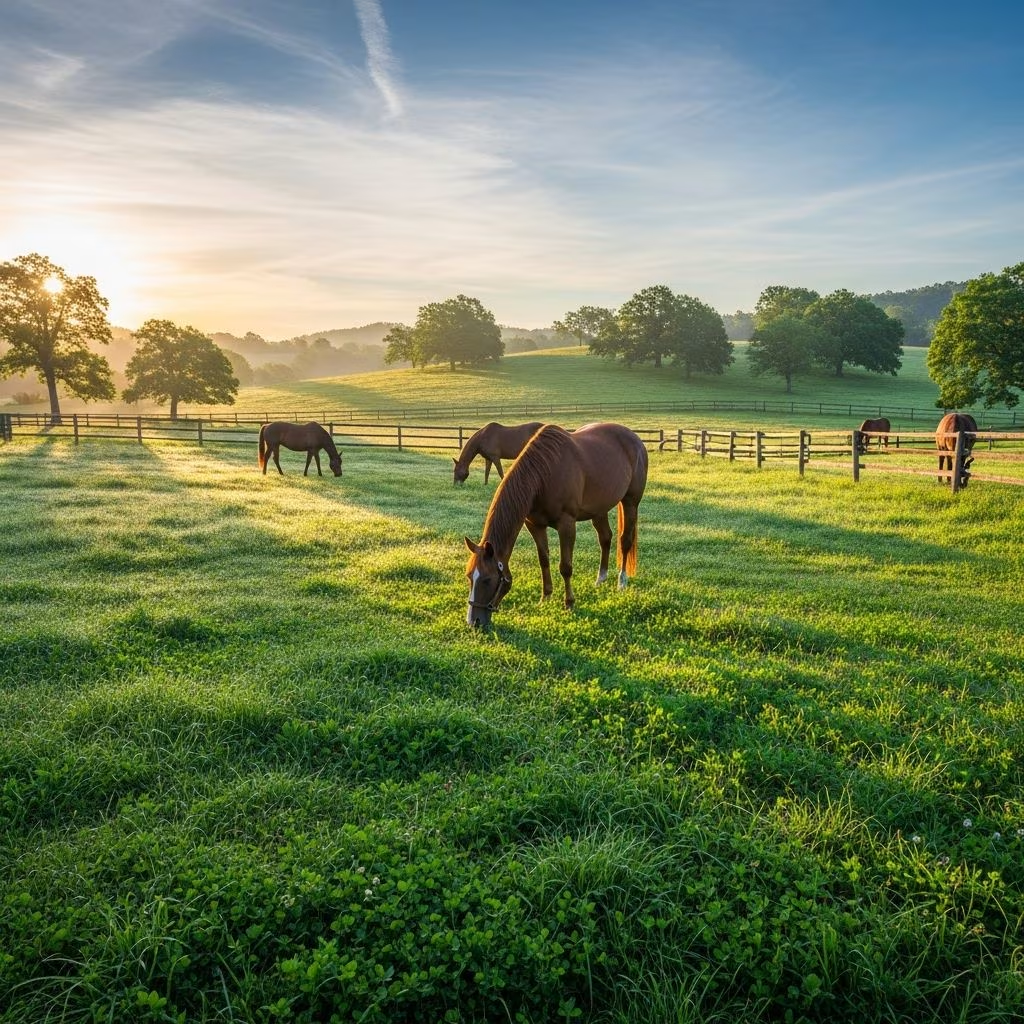
Effective pasture management is crucial for providing horses with nutritious forage, minimizing health risks, and preserving land resources. By implementing strategic practices like rotational grazing, soil maintenance, and regular upkeep, horse owners can enhance pasture productivity and support equine well-being.
Understanding Pasture Basics for Horses
Horses thrive on high-quality pastures that offer a balanced diet of grasses and legumes. Ideal pastures support natural grazing behaviors while preventing issues like overgrazing, parasite buildup, and weed invasion. Key to success is recognizing that horses are selective grazers, preferring tender young shoots and avoiding mature plants or manure-contaminated areas. This selectivity leads to uneven wear unless managed properly.
Productive pastures typically require 1-3 acres per horse, depending on climate, soil fertility, and forage species. Cool-season grasses like perennial ryegrass, orchardgrass, and tall fescue dominate many regions, while warm-season options such as bermudagrass suit hotter climates. Selecting appropriate species ensures resilience against local conditions.
Site Selection and Establishment
Choosing the right location sets the foundation for long-term pasture success. Opt for well-drained, elevated sites away from floodplains, steep slopes, or low-lying wetlands to avoid waterlogging and erosion. High ground promotes root development and reduces mud formation during wet periods.
When establishing new pastures, conduct a soil test to assess pH (ideally 6.0-7.0 for most grasses), nutrient levels, and texture. Amend with lime for acidity correction and fertilizers based on test results. Seed a mix of compatible species: for example, 70-80% grasses with 20-30% legumes like white clover for nitrogen fixation. Avoid endophyte-infected tall fescue, which can harm pregnant mares.
- Prepare soil by tilling lightly and removing rocks or debris.
- Seed in spring or fall during cool, moist conditions for best germination.
- Protect new seedlings with temporary fencing until established (about 6-8 inches tall).
Rotational Grazing Systems
Rotational grazing divides pastures into smaller paddocks, allowing rest periods for regrowth and preventing overgrazing. Horses enter a paddock when forage reaches 7-10 inches, grazing down to 3-4 inches before moving on. This cycle promotes deeper roots, higher yields, and uniform plant cover.
Start simple with 2-4 paddocks using electric fencing. More paddocks (6-12) yield better results on limited acreage. Rest each paddock 3-5 weeks, adjusting for growth rates—faster in spring, slower in summer. A dry lot or sacrifice paddock handles turnout during rest phases or inclement weather.
| Paddock System | Acres per Horse | Rest Period | Benefits |
|---|---|---|---|
| 2-Paddock | 2-3 | 4 weeks | Easy setup, basic recovery |
| 4-Paddock | 1-2 | 3 weeks | Improved uniformity, weed reduction |
| 8+ Paddock | <1 | 2-3 weeks | Max productivity, parasite control |
Soil Health and Fertility Management
Regular soil testing every 2-3 years guides fertilization. Apply nitrogen, phosphorus, and potassium based on deficiencies—typically 50-100 lbs nitrogen/acre annually for cool-season grasses. Time applications for early spring or fall, holding horses off until granules dissolve to prevent ingestion.
Manure management recycles nutrients but requires caution. Compost piles before spreading (at least 2 acres per horse to avoid overload). Drag pastures 2-3 times yearly during dry weather to break up droppings, exposing parasites to UV light and improving grass access.
Mowing and Mechanical Maintenance
Mowing simulates uniform grazing, controlling weeds by clipping seed heads and encouraging tillering. Mow to 3-4 inches for short grasses (ryegrass, bluegrass) or 4-6 inches for taller types (orchardgrass, timothy). Frequency: after each rotation or when weeds exceed 6 inches.
Focus on ungrazed tall spots rather than the entire field. Brush hog woody invasives annually. These practices reduce spotty growth and maintain pasture aesthetics.
Weed and Pest Control
Weeds compete for resources and harbor parasites. Prevent via dense forage cover, proper fertility, and mowing. Spot-treat with selective herbicides (e.g., 2,4-D for broadleaves), following label grazing restrictions—often 7-14 days post-application.
Monitor for toxic plants like ragwort or buttercups. Mechanical removal works for small infestations. Healthy, rested pastures naturally suppress weeds.
Sacrifice Areas and Wet Weather Strategies
Sacrifice paddocks protect main pastures during rain, winter, or overstocking. Locate on high, well-drained ground; base with 4-6 inches gravel topped by 2-3 inches stone dust or sand-sawdust mix (avoid feeding hay directly on sand to prevent colic).
Limit access during soggy conditions: confine horses to dry lots when soil is soft. Buffer zones (100+ feet) around water bodies prevent nutrient runoff.
Seasonal Pasture Care Calendar
Align management with seasonal changes for optimal results.
- Spring: Soil test, fertilize lightly, start rotations as growth surges. Restrict to dry areas until firm.
- Summer: Intensive rotations, irrigate if dry, mow frequently, drag manure.
- Fall: Overseed thin spots, heavy fertilize, extend rest periods.
- Winter: Use sacrifice areas, avoid hoof traffic on frozen ground.
Health Benefits for Horses
Well-managed pastures provide 50-100% of caloric needs, reducing hay costs and supporting gut health via constant fiber intake. Rotations minimize parasite loads by breaking life cycles. Avoid spring lush grass excesses with gradual access to prevent laminitis.
Common Challenges and Solutions
| Challenge | Solution |
|---|---|
| Overgrazing | Rotational system, stocking rate <1-2 horses/acre |
| Mud/erosion | Sacrifice lot, slope vegetation, buffers |
| Parasites | Dragging, rest, fecal egg counts |
| Weed invasion | Mowing, fertility, spot herbicide |
Frequently Asked Questions (FAQs)
How many acres per horse?
Average 1-3 acres, varying by pasture quality and supplementation. High-yield managed pastures support more.
When to start/stop grazing?
Enter at 7-10 inches, exit at 3-4 inches based on height, not calendar.
Can I use sand in sacrifice areas?
Yes, mixed with sawdust, but no hay feeding to avoid sand colic.
How often to soil test?
Every 2-3 years, or after major changes.
Best mowing height?
3-4 inches for most; preserves root reserves.
References
- Managing established horse pastures — University of Minnesota Extension. 2023. https://extension.umn.edu/horse-pastures-and-facilities/managing-established-horse-pastures
- Best Management Practices for Stables and Pastures — Town of Boxford, MA. 2018. https://www.boxfordma.gov/DocumentCenter/View/243/Best-Management-Practices-for-Stables-and-Pastures-PDF
- Basic Pasture Management for the Equine Owner — Penn State Extension. 2022. https://extension.psu.edu/basic-pasture-management-for-the-equine-owner
- Equine pasture management — Cornell University College of Veterinary Medicine. 2024-07-10. https://www.vet.cornell.edu/about-us/news/20240710/equine-pasture-management
- Key Steps to Managing Horse Pastures — University of Minnesota Equine Extension (YouTube). 2021-11-05. https://www.youtube.com/watch?v=yJ9VSwT71qg
- The ABCs of Horse Pasture Maintenance — Dressage Today. 2023. https://dressagetoday.com/lifestyle/the-abcs-of-horse-pasture-maintenance/
- Spring Checklist: Pasture Management for Horses — Purina Mills. 2024. https://www.purinamills.com/horse-feed/education/detail/spring-checklist-pasture-management-for-horses



