
Optimizing Dairy Heifer Nutrition Post-Weaning
Comprehensive strategies for feeding dairy heifers from weaning to calving to achieve optimal growth, health, and future milk production.
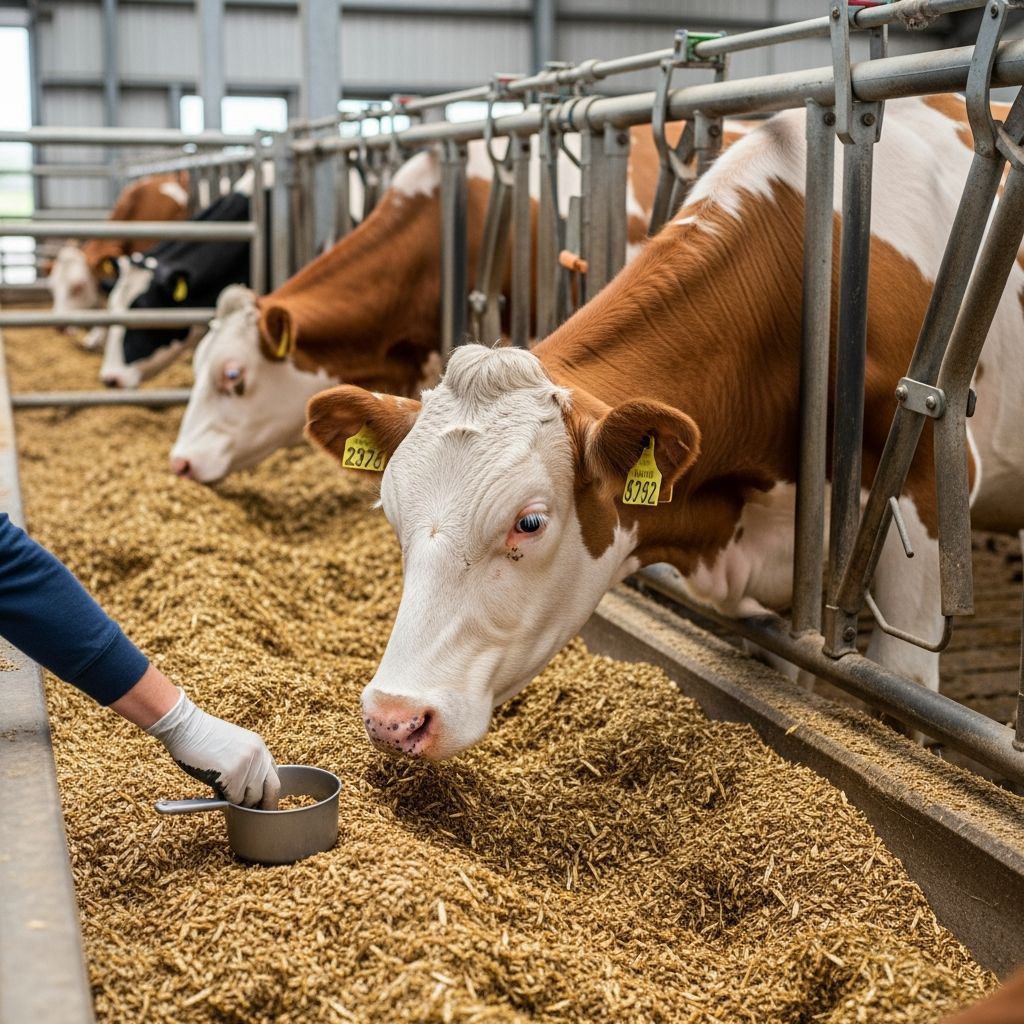
Successfully transitioning dairy calves from milk to solid feed after weaning is crucial for developing strong replacement heifers that calve at the right age and size. A well-planned nutrition program supports rumen development, steady frame growth, and lean muscle gain, setting the foundation for high lifetime productivity. This guide details strategies for feeding from weaning through breeding and gestation, emphasizing targeted daily gains of 500-800g based on breed size.
Understanding the Post-Weaning Transition
At weaning, typically around 7-8 weeks or later for better development, calves shift from liquid to solid nutrition. Their rumens are not yet fully mature, limiting fermentation of fibrous forages. Continuing the same calf starter grain pre- and post-weaning minimizes intake disruptions and promotes rumen papillae growth through volatile fatty acids like propionate. Calves must consume at least 2-3 lbs (0.9-1.4 kg) of starter daily for 3 consecutive days before weaning to ensure a smooth transition.
Delayed weaning to 12-17 weeks enhances solid feed intake, body weight gain, and gastrointestinal maturity, particularly benefiting calves from first-calf heifers. Post-weaning, aim for dry matter intake of 2.5-3 kg/day from grains before introducing more forage, preventing energy deficits that stunt growth.
Key Nutritional Requirements for Growing Heifers
From 3-15 months, energy from quality forages supports maintenance, while high protein levels (15-18% crude protein) drive frame and muscle development. Protein needs exceed energy demands, as young heifers prioritize lean tissue over fat. Excess energy from corn silage can lead to overconditioning, increasing calving complications.
- Energy: Derived from palatable starters and legumes/hay; limit corn silage to avoid fattening.
- Protein: 15-18% CP pre-breeding; balance RDP and RUP considering rapid passage rates in young ruminants.
- Fiber: Adequate NDF (28-35%) for rumen health without restricting intake.
- Minerals/Vitamins: Calcium:Phosphorus 2:1, plus trace minerals for skeletal growth.
Developing Effective Feeding Strategies
Total mixed rations (TMR) blend grains, forages, and supplements for consistent intake, though free-choice hay plus grain works if monitored closely. Introduce high-quality alfalfa hay or grass-legume mixes gradually after grain intake stabilizes. Sample TMR for 3-15 month large-breed heifers might include 40-50% forage, 40% concentrate, with 16-18% CP.
| Age Group | Forage (% DM) | Concentrate (% DM) | Target CP (%) | Daily Gain (g) |
|---|---|---|---|---|
| 3-6 months | 40-50 | 50-60 | 16-18 | 700-800 |
| 6-12 months | 50-60 | 40-50 | 15-16 | 650-750 |
| 12-15 months (pre-breeding) | 60-70 | 30-40 | 14-15 | 600-700 |
Post-breeding, reduce concentrates; limit corn silage to <50% DM, using grass hay or silage for 13-14% CP to maintain moderate condition.
Target Growth Benchmarks and Monitoring
Plan for first calving at 22-24 months, with heifers at 50-55% mature weight by breeding (13-15 months). For a 600kg mature cow, target 300-330kg at breeding. Measure weight and hip height monthly; adjust rations if gains fall short.
| Mature Weight (kg) | 6 mo (kg) | 12 mo (kg) | Breeding (15 mo, kg) | Calving (24 mo, kg) |
|---|---|---|---|---|
| 500 (small) | 170 | 250 | 275 | 500 |
| 600 (medium) | 205 | 300 | 330 | 600 |
| 700 (large) | 240 | 350 | 385 | 700 |
Growth varies by farm; regular monitoring ensures diets meet needs, as responses differ even on similar feeds.
Common Challenges and Solutions
Low Intake: Use textured, palatable starters with 18%+ CP and ionophores from day 4.
Overconditioning: Cap silage; prioritize dry hays post-breeding.
Health Issues: Ensure coccidiostats; gradual weaning reduces stress.
Advanced Ration Formulation Tips
Balance for excess RDP in young heifers due to fast passage; aim higher CP than adult models predict. Incorporate wet distillers grains or soybean meal for RUP. Feed ad libitum quality forage with restricted grain post-3kg DM to control energy.
Long-Term Benefits of Proper Nutrition
Well-grown heifers calve easier, produce more milk in first lactation, and have longer careers. Investments in post-weaning nutrition yield high ROI through reduced rearing costs and improved herd performance.
Frequently Asked Questions (FAQs)
When should dairy calves be weaned?
Ideally when consuming 2-3 lbs starter/day for 3 days, around 7-8 weeks, or later (12-17 weeks) for optimal development.
What is the ideal daily gain for heifers?
500-800g/day from weaning to calving, adjusted for mature size.
Can corn silage be fed to growing heifers?
Yes, but limit to <50% DM pre-breeding to prevent excess fat.
How often should heifer growth be measured?
Monthly for weight and height to adjust feeding.
What protein level for pre-breeding heifers?
15-18% crude protein.
References
- Feeding Dairy Calves From Weaning Through Maturation — Merck Veterinary Manual. 2023. https://www.merckvetmanual.com/management-and-nutrition/nutrition-dairy-cattle/feeding-dairy-calves-from-weaning-through-maturation
- Weaning Holstein Calves at 17 Weeks of Age Enables Smooth Transition — PMC (National Library of Medicine). 2019-12-18. https://pmc.ncbi.nlm.nih.gov/articles/PMC6940878/
- Calf Starter Grain: Critical to the Weaning Transition — Calf-Tel. 2023. https://calftel.com/calf-corner/calf-starter-grain-critical-to-the-weaning-transition/
- Nutrition of Dairy Heifers Post-Weaning for Optimum Economical Growth — University of Kentucky (afs.ca.uky.edu). 2022. https://afs.mgcafe.uky.edu/content/nutrition-dairy-heifers-post-weaning-optimum-economical-growth
Similar Articles








Read full bio of medha deb


