

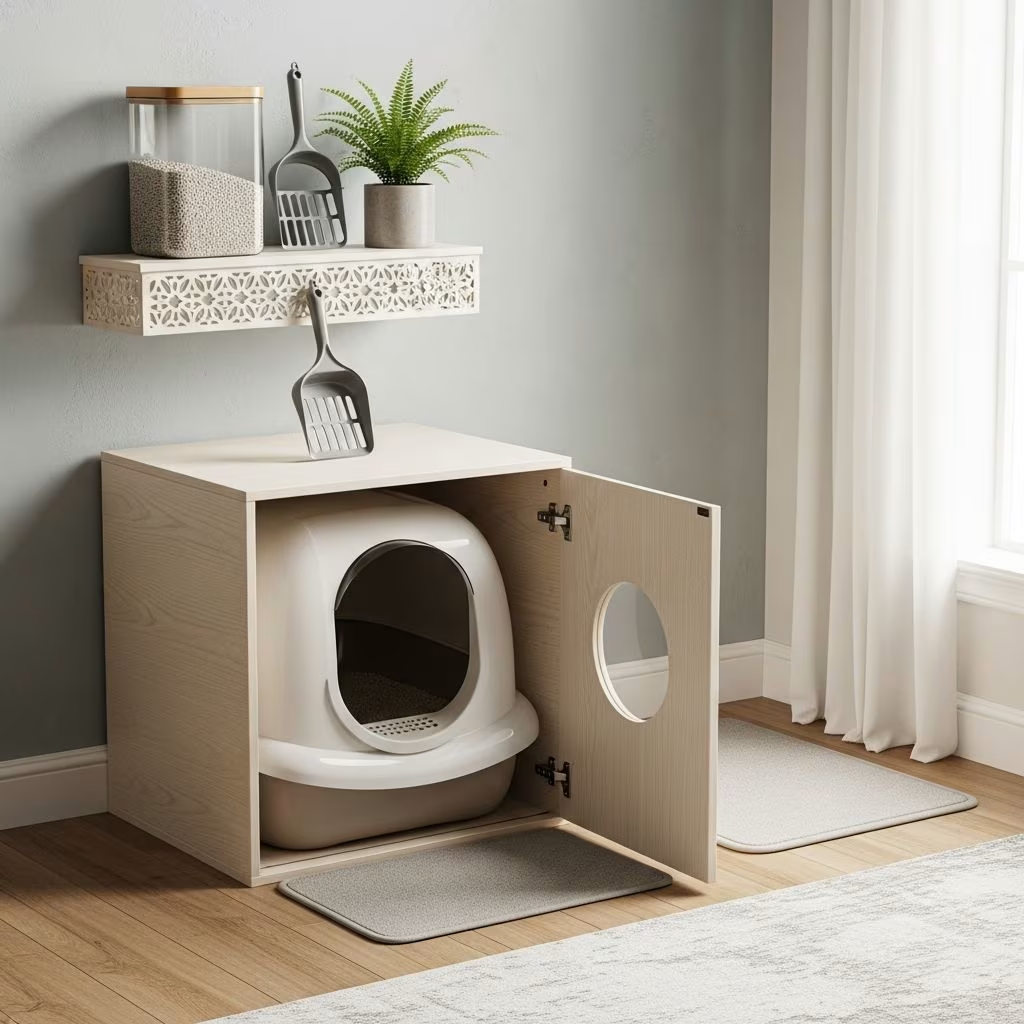
Proper litter box setup is fundamental to successful cat training and maintaining a clean, hygienic home environment. Most cat owners understand that litter box training is essential, yet many struggle with common issues like accidents outside the box or refusal to use the designated area. The good news is that by implementing strategic improvements to your cat’s litter box area, you can significantly enhance training success and encourage consistent usage. This comprehensive guide explores nine proven methods to spruce up and optimize your cat’s litter box setup.
1. Strategic Placement Away from Food and Water
One of the most critical factors in litter box success is location. Cats are naturally clean animals and have a strong instinct to eliminate away from their eating and drinking areas. Most cats prefer a quiet, private space that is far from their food and water bowls. In fact, some cats will completely refuse to use a litter box positioned too close to their dishes.
When selecting a location for your cat’s litter box, choose a quiet corner or room where your cat can have privacy. Ensure the spot is easily accessible at all times, as cats may avoid using a box that requires navigating through obstacles or busy household areas. Placing the litter box in a low-traffic zone reduces stress and encourages regular usage. If you have multiple cats, ensure each box is positioned in a different location to prevent territorial conflicts.
2. Selecting the Right Litter Box Size and Type
Not all litter boxes are created equal, and your cat’s preferences matter significantly. The ideal litter box should be approximately 1.5 times the length of your cat from nose to tail, allowing your cat to turn around comfortably inside. A box that is too small forces your cat to assume uncomfortable positions while eliminating, which may discourage usage.
Most cats prefer large, shallow, uncovered boxes without plastic linings. However, some cats appreciate the privacy of covered boxes or the convenience of automatic, self-cleaning models. The key is understanding your individual cat’s preferences. If your cat shows reluctance to use a covered box, try an uncovered option initially. Additionally, some cats prefer urinating in one type of litter box and defecating in another, so offering two side-by-side boxes can solve this behavioral pattern.
3. Choosing the Ideal Litter Type and Depth
Litter selection profoundly impacts your cat’s willingness to use the box. Clumping litter is the most popular variety among cat owners, as it bonds when wet and makes scooping easier. However, individual cats have distinct preferences regarding litter texture and composition.
To determine your cat’s preference, place several uncovered boxes side-by-side, each containing a different type of litter, and observe which one your cat gravitates toward. Options might include fine clay clumping litter, unscented varieties, pine-based litter, or paper-based alternatives. Cats typically prefer fine litter material that is soft on their paws.
Regarding depth, cover the bottom of the box with approximately 2 inches of litter. This amount provides sufficient material for your cat to cover their waste, which is a natural behavior cats perform instinctively. Too little litter prevents this covering action, while excessive litter wastes resources and may feel uncomfortable underfoot.
4. Implementing Multiple Litter Boxes Strategically
A fundamental principle in multi-cat households is the “N+1 rule”—provide one litter box per cat plus one additional box. For single-cat homes, having at least two boxes in different locations ensures your cat always has convenient access.
Distribute boxes throughout your home, especially in areas where your cat spends the most time. In multi-story homes, place at least one box on each level to minimize distance your cat must travel. This strategic distribution prevents territorial disputes and reduces the likelihood of accidents caused by inaccessible boxes. Additionally, maintaining multiple boxes ensures that if one box becomes soiled, your cat has alternatives rather than seeking inappropriate elimination spots.
5. Maintaining Pristine Litter Box Hygiene
Cats are very clean animals and won’t use their litter box if it’s very soiled. Establishing a rigorous cleaning routine is essential for consistent usage. Daily scooping removes waste and maintains freshness, while weekly complete cleanings ensure optimal hygiene.
Once weekly, wash the box thoroughly with water or a mild soap solution, then fill it with fresh litter. This practice eliminates lingering odors and bacteria that might discourage usage. For cats sensitive to cleanliness or those with litter box aversion, consider automatic self-cleaning boxes that remove waste after each use. Remember to clean any areas where your cat has previously had accidents using odor-neutralizing products, as residual scents may encourage repeated soiling in those spots.
6. Using Environmental Modification for Problem Areas
If your cat has established a pattern of eliminating in specific locations outside the litter box, environmental modification can redirect this behavior. Effective deterrents include closed doors, aluminum foil, double-sided tape, upside-down carpet runners, and commercial repellent devices like the ScatMat or SSSCAT sprays.
These deterrents make inappropriate elimination spots uncomfortable or unpleasant, naturally encouraging your cat to return to the designated litter box. Additionally, visually changing frequently soiled areas by adding furniture like chairs, end tables, or decorative items can disrupt your cat’s association with that space as an elimination zone. Apply deterrents for at least one month after successful retraining to reinforce the new behavior.
7. Creating a Comfortable Confinement Setup for Training
For stubborn cases or newly adopted cats, controlled confinement during training proves highly effective. The method of choice combines confinement and supervised freedom, with the cat starting the program in confinement—typically a small room where most cats adapt well.
Set up a dedicated training space with the litter box at one end and the cat’s bed, food, and water bowls at the opposite end. This arrangement maximizes the distance between eating and elimination areas while ensuring the litter box is the primary elimination option. Keep a diary tracking when your cat uses the box, which helps identify patterns and ensures consistency. Gradually expand freedom once your cat demonstrates reliable litter box usage for a period of time.
8. Supervising and Reinforcing Positive Behavior
Active supervision during the training process significantly accelerates success. Place your cat in the litter box upon waking, after meals, and after vigorous play—times when cats naturally need to eliminate. Kittens especially need to go almost immediately after eating.
Gently drag your cat’s front paws through the litter to simulate digging behavior, which triggers their natural instinct to use the box. When your cat successfully eliminates in the box, immediately provide praise and positive reinforcement. Conversely, if you catch your cat in the act of eliminating elsewhere, gently interrupt and redirect them to the litter box. Never punish accidents, as this creates fear and anxiety around elimination. Consistency and patience are paramount—rushing the process often leads to setbacks.
9. Addressing Special Circumstances and Individual Preferences
Some cats require customized solutions based on their unique behaviors and preferences. If your cat soils fabric, avoid providing traditional beds; instead, offer perching boxes, shelves, piles of newspapers, or paper bags to satisfy nesting instincts. Puppy house training pads serve as soft, non-fabric alternatives.
For outdoor-to-indoor transitions, mix a small amount of garden soil into the litter to help cats recognize the box as their designated toilet area. If a cat continues refusing the box despite various litter types, consider covering the entire floor of a small confinement area with litter, leaving no alternative elimination spots. Additionally, feeding your cat where they are eliminating inappropriately can help redirect behavior, since many cats won’t eliminate where they eat.
Frequently Asked Questions
Q: How many litter boxes should I have?
A: Follow the N+1 rule: one box per cat plus one additional box. For example, a single cat needs at least two boxes in different locations. This ensures constant access and reduces territorial issues in multi-cat households.
Q: What type of litter do cats prefer most?
A: Most cats prefer fine, clumping clay litter that feels soft on their paws. However, individual preferences vary, so test different types side-by-side to determine what your specific cat prefers.
Q: Where should I place the litter box?
A: Place the litter box in a quiet, private area away from your cat’s food and water bowls. Cats instinctively avoid eliminating near their eating area. Ensure the location is easily accessible and away from high-traffic household zones.
Q: How often should I clean the litter box?
A: Scoop the box daily to remove waste and maintain freshness. Perform a complete cleaning with mild soap and water once weekly, then refill with fresh litter. Cats strongly prefer clean boxes and may avoid soiled ones.
Q: My cat refuses to use the litter box. What should I do?
A: Try moving the box to different locations, changing litter types, providing multiple box options (covered and uncovered), and ensuring the box is sufficiently large. Consult with a veterinarian to rule out medical issues. Use confinement training if other methods fail.
Q: Can I train an older cat to use a litter box?
A: Yes, older cats can be trained or retrained using the same methods as younger cats. Patience and consistency are essential. Provide multiple large, uncovered boxes in quiet locations, maintain excellent hygiene, and use positive reinforcement.
References
- How to Train a Cat to Use the Litter Box — Four Paws. 2024. https://www.fourpaws.com/pets-101/cat-corner/how-to-train-a-cat-to-use-the-litter-box
- Cat Litter Box Training Guide — Class Act Cats. 2024. https://classactcats.com/blog/litter-box-training/
- Litter Box Training — Longmont Humane Society. 2024. https://www.longmonthumane.org/resources/cat-care-tips/litter-box-training/
- How to Train Older Cat to Use Litter Box — Cats.com Community. 2024. https://cats.com/community/litter-problems/training-an-older-cat-to-use-litter-box
- Preventing and Solving Litter Box Problems — Animal Humane Society. 2024. https://www.animalhumanesociety.org/resource/preventing-and-solving-litter-box-problems



