

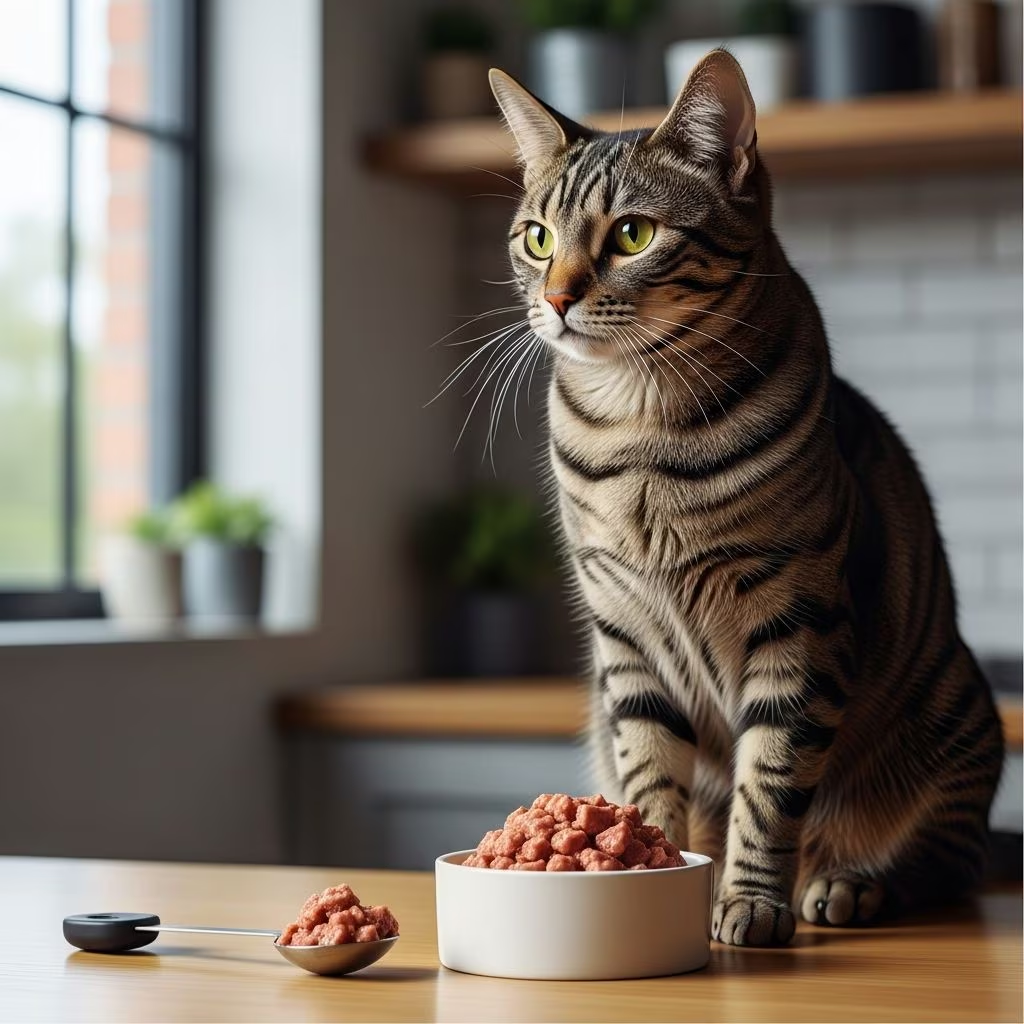
Determining the correct portion of wet food for your cat involves considering factors like body weight, life stage, activity level, and overall health. General guidelines suggest feeding an average adult cat about one 3-ounce can per 3 to 3.5 pounds of body weight daily, but adjustments are necessary for mixed diets or specific needs.
Understanding Your Cat’s Caloric Requirements
Cats require approximately 20-30 calories per pound of ideal body weight each day, though this varies by neuter status, age, and lifestyle. Wet food, with its high moisture content around 70-80%, provides hydration alongside nutrients, making it ideal for maintaining urinary and kidney health.
To calculate precisely, first establish your cat’s resting energy requirements (RER) using the formula: 30 × body weight in kg + 70. For a 4.5 kg (10 lb) cat, this equals about 205 calories daily, increasing for active or intact cats. Always consult packaging for calorie density, as a typical 3-oz can offers 70-100 kcal.
Daily Feeding Recommendations by Life Stage
Portions differ significantly across kitten, adult, senior, and special needs phases. Kittens under 6 months need 2-3 times adult calories, divided into 3-4 meals, while seniors may require less due to reduced metabolism.
| Life Stage | Weight Range | Daily Calories | Approx. Wet Food (3-oz cans) | Meals per Day |
|---|---|---|---|---|
| Kitten (up to 6 mo) | 5 lb | 320 kcal | 3-3.5 cans | 3-4 |
| Adult (neutered) | 10 lb | 200-240 kcal | 2.5-3 cans | 2-3 |
| Adult (intact/active) | 10 lb | 280-350 kcal | 3.5-4.5 cans | 2-3 |
| Senior/Overweight | 10 lb | 180-220 kcal | 2-2.5 cans | 2 |
| Pregnant/Nursing | 10 lb | 300-500+ kcal | 4-6+ cans | 3-4 |
This table assumes 90 kcal per 3-oz can and wet food as the sole diet; reduce for mixes. For example, a 5-lb kitten might consume 10 oz (about 3 cans) daily.
Adjusting Portions for Mixed Wet and Dry Diets
Many owners blend wet and dry food for variety and convenience. A common ratio is 2/3 wet to 1/3 dry by calories, ensuring total intake doesn’t exceed needs. If adding wet toppers, decrease dry kibble accordingly—check labels for precise swaps.
- Full wet diet: Divide total into 2-3 meals; ideal for hydration-focused cats.
- 50/50 mix: One wet meal (e.g., 1.5 cans) plus dry equivalent to balance calories.
- Wet topper: 1/4-1/2 can over dry; enhances palatability without overfeeding.
Monitor weight weekly; adjust if gain/loss exceeds 1-2% body weight.
Best Practices for Serving Wet Cat Food
Serve at room temperature for optimal appeal—refrigerated food may deter picky eaters. Warm gently (not microwave) for 15 minutes or use body heat to release aromas, aiding cats with reduced smell.
Discard uneaten portions within 1-2 hours to prevent bacterial growth; refrigerate leftovers covered for up to 4 days, re-serving small amounts. Clean bowls daily to avoid aversions.
- Use shallow, wide dishes for easy access.
- Mix textures (pate, shreds) for interest.
- Add safe toppers like broth for hydration boost.
Health Advantages of Wet Food
Its moisture supports urinary tract health by diluting urine, reducing crystal risks—crucial since cats drink little naturally. Aids digestion, prevents constipation, and benefits kidney patients needing fluid intake.
Lower calorie density helps weight management; obese cats on wet diets lose fat while staying satisfied. Dental benefits are minimal compared to dry, but overall nutrition trumps.
Signs of Over or Underfeeding
Overfeeding indicators: Rapid weight gain, lethargy, begging, or digestive upset. Reduce by 10% and increase play.
Underfeeding signs: Weight loss, dull coat, hyperactivity from hunger. Boost calories gradually.
Ideal body condition: Feel ribs without pressing hard; visible waist in adults. Vet check-ups every 6-12 months refine plans.
Frequently Asked Questions
How often should I feed wet food?
2-3 times daily for full wet diets; once or twice if mixed. Align with your schedule but avoid free-feeding wet due to spoilage.
Can I leave wet food out all day?
No—maximum 1-2 hours at room temp. Refrigerate extras promptly.
Is wet food better than dry?
Not inherently; wet excels in hydration, dry in dentals/convenience. Best is a balanced combo per vet advice.
What if my cat refuses wet food?
Warm it, vary flavors/textures, or transition slowly over 7-10 days.
How much for overweight cats?
Target ideal weight calories; e.g., 4 cans for 20-lb cat aiming for 10 lb.
Consulting Professionals and Monitoring Progress
Veterinarians provide tailored advice, especially for conditions like diabetes or hyperthyroidism. Track intake with apps or journals; annual bloodwork ensures nutritional balance. Transition foods over 7 days to prevent GI issues: 25% new + 75% old, increasing gradually.
Pregnant queens need 2-3x maintenance post-week 4; lactating up to double litter size.
References
- How Much Wet Food Should You Feed a Cat? | Purina US — Purina. 2023. https://www.purina.com/articles/cat/feeding/guides/how-much-wet-food-should-i-feed-my-cat
- How Much Wet Food Should I Feed My Cat? – PetMD — PetMD. 2024. https://www.petmd.com/cat/nutrition/how-calculate-how-much-wet-food-feed-cat
- Ask the Vet: How Much Should I Feed My Cat? Feeding Chart — Whisker. 2023. https://www.whisker.com/blog/how-much-should-i-feed-my-cat
- How Much Wet Food Should I Feed My Cat? – Meow Mix® — Meow Mix. 2024. https://www.meowmix.com/cat-care/how-much-wet-food-to-feed-my-cat
- How Much to Feed Your Cat | Stella & Chewy’s — Stella & Chewy’s. 2023. https://www.stellaandchewys.com/blogs/articles/how-much-to-feed-cats
- How Much & How Often to Feed Your Adult Cat – Hill’s Pet Nutrition — Hill’s Pet Nutrition. 2024. https://www.hillspet.com/cat-care/nutrition-feeding/how-much-to-feed-a-cat



