
Optimal Puppy Training Timeline
Discover the perfect age to begin puppy training for lasting success and a well-behaved companion from day one.
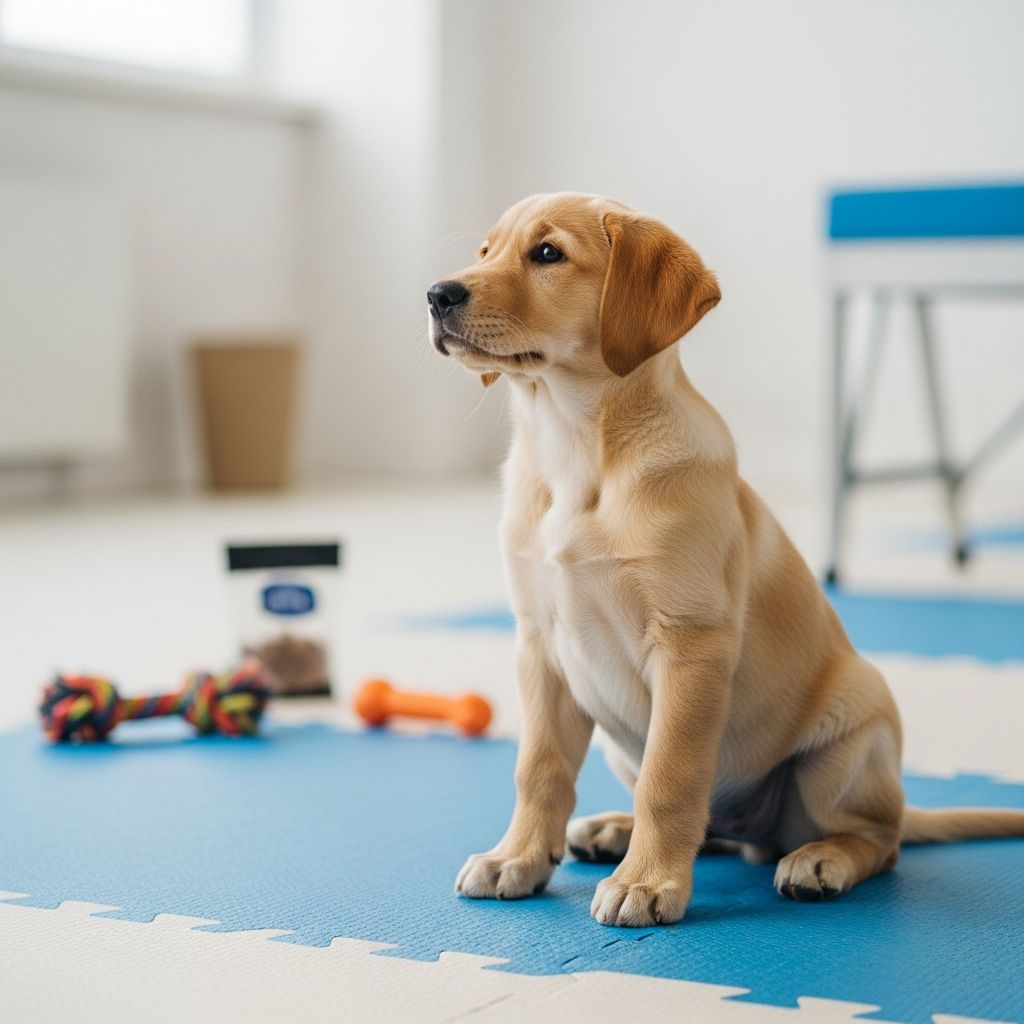
Puppy training should commence as soon as your new companion arrives home, typically around 8 weeks of age. This early start capitalizes on their innate curiosity and desire to bond, laying the groundwork for a lifetime of good behavior and strong human-canine relationships.
Why Early Training Matters for Lifelong Success
The initial weeks represent a critical window when puppies absorb experiences like sponges, forming lasting impressions about their world. Delaying training risks missing this prime developmental phase, potentially leading to ingrained bad habits that are harder to correct later. Research from canine behavior experts emphasizes that puppies between 8 and 16 weeks are particularly receptive to positive reinforcement, making it easier to teach commands, manners, and social skills.
Starting promptly also fosters a secure attachment. Your puppy views you as their primary source of guidance and comfort, enhancing focus during sessions. Consistent early efforts prevent common issues like fearfulness, excessive barking, or poor impulse control, which can emerge in adolescence if foundational training is absent.
Developmental Stages and Training Priorities
Puppies progress through distinct growth phases, each demanding tailored training approaches. Understanding these stages allows owners to align lessons with physical, mental, and emotional readiness, maximizing effectiveness.
8-12 Weeks: Building Core Foundations
This is the ideal launch point for training. Puppies at this age boast short attention spans but boundless enthusiasm. Focus on gentle introductions to prevent overwhelm.
- Name Recognition: Repeat their name in a cheerful tone during play or feeding to create positive associations.
- Basic Commands: Teach ‘sit’ using treats held above their nose, guiding them into position naturally.
- Crate Introduction: Make the crate a cozy haven with toys and blankets, starting with short, voluntary stays.
- Potty Basics: Take them outside every 1-2 hours, praising successes lavishly to encourage repetition.
Socialization begins here too—controlled exposures to household sounds, gentle handling, and calm visitors build confidence. Avoid dog parks until fully vaccinated.
12-16 Weeks: Expanding Skills and Social Boundaries
As puppies gain coordination, introduce more dynamic elements. Their growing energy suits active learning, but consistency remains key to curbing emerging mischief.
- Leash Familiarity: Let them drag a light leash indoors to acclimate, then practice short outdoor walks with high-value rewards.
- Impulse Control: Teach ‘wait’ at doors and ‘leave it’ for dropped items, redirecting nipping with chew toys.
- Socialization Ramp-Up: Arrange puppy playdates with vaccinated peers and diverse people to hone bite inhibition and polite greetings.
- Potty Refinement: Extend intervals to 2-4 hours, using bells or signals for communication.
This period solidifies routines, reducing accidents and boosting reliability.
4-6 Months: Navigating Adolescence with Structure
Entering the ‘teenage’ phase, puppies test limits with increased independence and distractions. Revert to basics if forgetfulness appears, using patience and positivity.
- Advanced Obedience: Layer ‘down,’ ‘stay,’ and ‘come’ amid mild distractions like toys or family movement.
- Leash Mastery: Work on loose-leash walking, rewarding alongside you rather than pulling.
- Crate Independence: Build to 4-6 hour durations during absences, always with exercise beforehand.
- Social Polish: Expose to urban stimuli—cars, bikes, crowds—while maintaining calm demeanor.
Housetraining should near completion, with overnight holds feasible.
6-12 Months: Refinement and Proofing Behaviors
Adulthood looms, bringing hormonal shifts and energy surges. Training shifts to proofing—ensuring commands hold in real-world scenarios.
- Distraction Training: Practice recalls in parks or with guests present, varying rewards to maintain engagement.
- Manners Integration: Embed ‘sit’ for greetings, meals, and exits to prevent jumping.
- Exercise Balance: Channel vigor through structured play, agility basics, or scent games alongside formal sessions.
- Long-Term Crate Use: Transition to voluntary downtime, capping at 8 hours max for health.
By one year, most pups master essentials, though reinforcement continues.
Age-Specific Training Milestones Table
| Age Range | Potty Intervals | Key Commands | Socialization Focus | Crate Duration |
|---|---|---|---|---|
| 0-8 Weeks | Every 1 hour | Name, gentle handling | Family, sounds | Short familiarization |
| 8-16 Weeks | 2-4 hours day, 5-8 night | Sit, come, look | Dogs, people variety | 1-3 hours |
| 4-6 Months | 4-5 hours | Down, stay, leash walk | Environments, noises | Up to 6 hours |
| 6-12+ Months | 3-4 times daily | Recall, wait, leave it | High-distraction settings | Up to 8 hours max |
This table summarizes priorities, adapted from expert schedules for quick reference.
Essential Tools and Techniques for Effective Training
Success hinges on the right methods and gear. Positive reinforcement—treats, praise, play—outshines punishment, promoting eager learning without fear.
- High-Value Treats: Soft, smelly bits like chicken or cheese for motivation.
- Clicker: Marks precise behaviors instantly, bridging to rewards.
- Harness Over Collar: Protects developing necks during walks.
- Enzyme Cleaner: Eliminates potty accident scents completely.
Sessions last 5-15 minutes, multiple times daily. End on successes to build confidence.
Common Pitfalls and How to Avoid Them
New owners often falter by expecting too much too soon or inconsistency. Overlooking socialization breeds reactivity; skipping crate training prolongs housetraining. Counter with daily logs tracking progress and setbacks, adjusting as needed. Adolescence regressions are normal—double down on rewards, not frustration.
FAQs
Is 8 weeks too young for training?
No, it’s perfect. Puppies learn passively from day one through routines and exposures.
What if my puppy forgets commands at 6 months?
This ‘teen’ phase is common. Refresh with short, fun sessions and higher rewards.
How much socialization is enough?
Aim for 100 positive novel experiences by 16 weeks, prioritizing quality over quantity.
Can I train alone or need classes?
Home training works well initially; classes from 12 weeks add professional guidance and peers.
What’s the longest crate time for a puppy?
Never exceed their age in months plus one hour, max 8 hours for adults.
Long-Term Benefits of Structured Puppy Training
Investing time now yields a confident, adaptable dog less prone to shelters—over 20% of intakes stem from behavior issues. Trained pups enjoy richer lives: more off-leash freedom, family integration, and health via exercise.
Commit to this timeline, and watch your puppy flourish into an exemplary companion.
References
- Puppy Training Schedule by Age: When to Start? — Haven Dog Training. 2023. https://havendogtraining.com/blog/puppy-vs-adult-dog-training-when-to-start
- The Importance of an Age-Appropriate Puppy Training Schedule — Purina. 2024. https://www.purina.com/articles/dog/puppy/training/puppy-training-schedule
- When to Start Puppy Training: a Complete Puppy Training Schedule — Kinship. 2023. https://www.kinship.com/dog-behavior/puppy-training-schedule
- Puppy Training Timeline: Teaching Good Behavior Before It’s Too Late — American Kennel Club (AKC). 2024-03-15. https://www.akc.org/expert-advice/training/puppy-training-timeline-teaching-good-behavior-before-its-too-late/
- Puppy Training Basics: A Month-by-Month Guide — Pet Source NC. 2023. https://petsourcenc.com/puppy-training-basics-a-month-by-month-guide-for-the-first-6-months/
- Complete Puppy Training Schedule by Age — The Puppy Academy. 2020-08-24. https://www.thepuppyacademy.com/blog/2020/8/24/complete-puppy-training-schedule-by-age
Similar Articles








Read full bio of medha deb




