

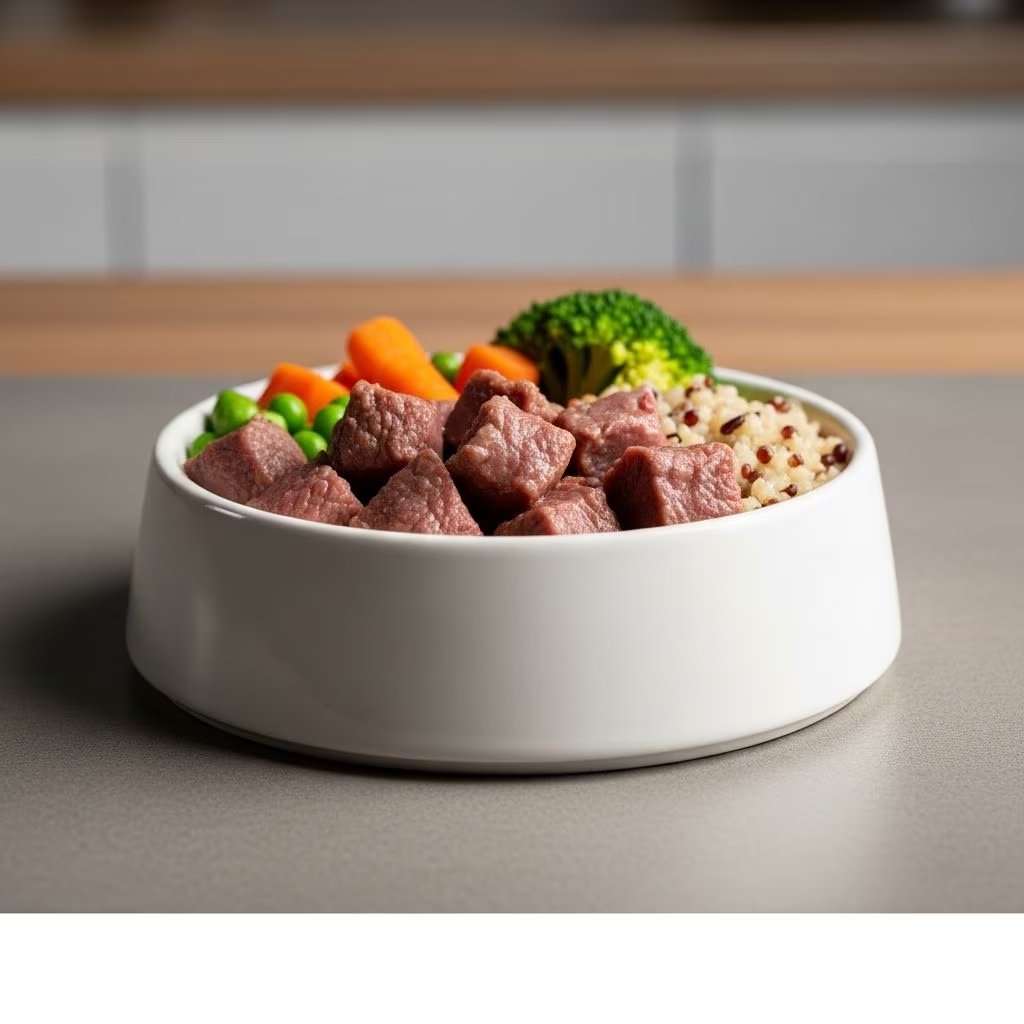
Protein stands as a cornerstone of canine nutrition, fueling muscle growth, immune function, and overall vitality in dogs. While high-protein diets gain popularity among pet owners, understanding actual requirements based on scientific guidelines ensures balanced feeding without excess. This article delves into protein essentials, life-stage variations, source quality, and practical selection strategies for dog owners.
Understanding Protein’s Role in Canine Health
Proteins break down into amino acids, the building blocks essential for repairing tissues, producing enzymes, hormones, and antibodies. Dogs require ten specific amino acids that their bodies cannot synthesize, making dietary protein indispensable. Beyond structural support for muscles, skin, nails, and coat, proteins contribute to energy production when needed, though fats and carbohydrates typically serve as primary fuel sources.
Adequate protein intake supports cognitive function, joint integrity, and immune resilience. Deficiencies manifest as lethargy, poor coat quality, muscle wasting, and weakened immunity, underscoring the need for consistent supply through complete diets.
Establishing Baseline Protein Requirements
The Association of American Feed Control Officials (AAFCO) sets minimum standards to prevent deficiencies. For adult maintenance, diets must provide at least 18% crude protein on a dry matter basis or 4.5 grams per 100 kcal of metabolizable energy. Puppies, lactating, and gestating females require higher levels: minimum 22.5% dry matter or 5.63 g/100 kcal.
These thresholds represent bare minima for healthy dogs fed high-quality sources. Most commercial foods exceed them, often delivering 20-30% protein, ensuring a safety margin. Caloric density matters; wet foods vary more widely than dry kibble. Owners can verify adequacy using feeding trials or AAFCO formulation statements on labels.
| Life Stage | AAFCO Min Crude Protein (% DM) | Min g/100 kcal ME |
|---|---|---|
| Adult Maintenance | 18% | 4.5 |
| Growth/Pregnant/Lactating | 22.5% | 5.63 |
Note: DM = Dry Matter; ME = Metabolizable Energy. Data synthesized from AAFCO guidelines.
Protein Needs Across Life Stages
Puppies and Growing Dogs
During rapid growth, puppies demand elevated protein for skeletal development, organ formation, and energy. AAFCO mandates 22.5% minimum, with many formulas reaching 26-28% to support lean mass accrual. High digestibility ensures efficient amino acid uptake, preventing digestive upset.
Adult Dogs: Activity and Size Considerations
Moderately active adults thrive on 20-27% crude protein, supplying ample essential amino acids without surplus. Larger breeds or working dogs may benefit from 26% or higher to counter increased muscle turnover from exercise. Sedentary adults meet needs at the 18% minimum, avoiding unnecessary caloric load.
Senior Dogs: Countering Age-Related Changes
Aging brings muscle loss (sarcopenia), prompting recommendations for 25% or more protein to preserve lean body mass. Studies indicate seniors require up to 50% more than young adults, with diets providing 27%+ metabolizable energy from protein aiding vitality. Kidney health concerns warrant veterinary consultation for tailored levels.
Special Cases: Performance and Recovery
Athletic or working dogs experience heightened protein turnover, necessitating 26%+ diets rich in branched-chain amino acids for recovery and endurance. Post-neutering, elevated intake (e.g., 94 g/1000 kcal) helps maintain body composition.
Evaluating Protein Quality Over Quantity
Percentage alone misleads; bioavailability determines efficacy. Animal sources like meat, eggs, and fish offer complete profiles of all ten essential amino acids with superior digestibility. Plant proteins, while viable in balanced vegetarian formulas, often lack completeness and digest slower, requiring expert formulation.
Labels list “crude protein,” a total measure ignoring source or quality. Prioritize named meats first in ingredients over by-products or vague “meat meal”. Eggs exemplify ideal profiles, maximizing nutrient utilization.
- High-Quality Indicators: Whole meats, fish, eggs listed early.
- Red Flags: Excessive fillers, unnamed sources dominating lists.
- Digestibility Boost: Minimally processed, fermented options.
Debunking High-Protein Diet Myths
Marketing pushes ultra-high protein (35%+) as superior, but excess beyond 30% dry matter offers no benefit and risks strain on kidneys or liver in healthy dogs. Surplus converts to energy or fat, not enhanced muscle. Myths persist that all dogs crave meat-heavy diets; balanced formulas suffice for most.
Healthy kidneys process moderate excess fine, but those with pre-existing conditions benefit from moderation. Research shows no performance edge from extreme levels in non-athletes.
Practical Tips for Selecting Dog Food
- Check AAFCO Compliance: Look for statements on growth and adult maintenance.
- Match Life Stage: Puppy, adult, senior-specific formulas align with needs.
- Calculate Daily Intake: For a 45-lb dog, ~56g protein daily from 20% food meets goals.
- Monitor Condition: Adjust if weight stalls, coat dulls, or energy dips.
- Consult Pros: Vets or nutritionists for custom plans.
Use tools like protein calculators to assess current feeds against minima. Transition gradually over 7-10 days to avoid GI issues.
Signs of Protein Imbalance
- Too Little: Muscle atrophy, dull fur, frequent infections, stunted growth in pups.
- Too Much: Vomiting, diarrhea, thirst increase, potential organ stress (rare in healthy dogs).
Regular weigh-ins and vet checkups catch issues early.
DIY Supplements: Proceed with Caution
Topping kibble with meat boosts protein but risks imbalance. For deficits (e.g., 5g short), add ~25g raw lean meat daily, but recalculate calories. Home cooking demands recipes from boarded nutritionists to ensure completeness.
Frequently Asked Questions
How much protein per pound does my dog need?
Varies by weight/activity; e.g., 45-lb dog needs ~1.2g/lb or 56g total daily, not a fixed rule.
Is high-protein food better for all dogs?
No; match to life stage/activity. Excess provides no gain.
Can dogs thrive on plant protein?
Yes, if expertly balanced with trials, but animal sources preferred for completeness.
Does wet food have enough protein?
Often variable; check labels against AAFCO kcal minima.
Should seniors eat more protein?
Yes, ~25-27% to combat muscle loss.
Building a Lifetime Nutrition Plan
Consistent, AAFCO-compliant feeding sustains health across years. Track growth curves, adjust for lifestyle shifts like spaying or increased exercise. Partner with vets for bloodwork confirming kidney/liver function amid dietary tweaks.
Empower choices with label literacy: prioritize quality, meet minima without extremes. Your dog’s energy, shine, and longevity reflect thoughtful nutrition.
References
- Pondering Pet Protein: How much protein should my pet get? — Tufts University. 2019-12-30. https://sites.tufts.edu/petfoodology/2019/12/30/how-much-protein-should-my-pet-get/
- November Newsletter: The Importance of Protein in Your Dog’s Diet — Glad Vets. N/A. https://www.gladvets.org/articles/985074-november-newsletter-the-importance-of-protein-in-your-dog-s-diet
- Dog Nutrition: Guide to Dog Food Nutrients — PetMD. N/A. https://www.petmd.com/dog/nutrition/evr_dg_whats_in_a_balanced_dog_food
- Effect of dietary protein intake on the body composition and… — PMC (NCBI). N/A. https://pmc.ncbi.nlm.nih.gov/articles/PMC5672309/
- Protein | Dog health — The Royal Kennel Club. N/A. https://www.royalkennelclub.com/health-and-dog-care/health-dog-care/health/health-and-care/a-z-of-health-and-care-issues/protein/



