

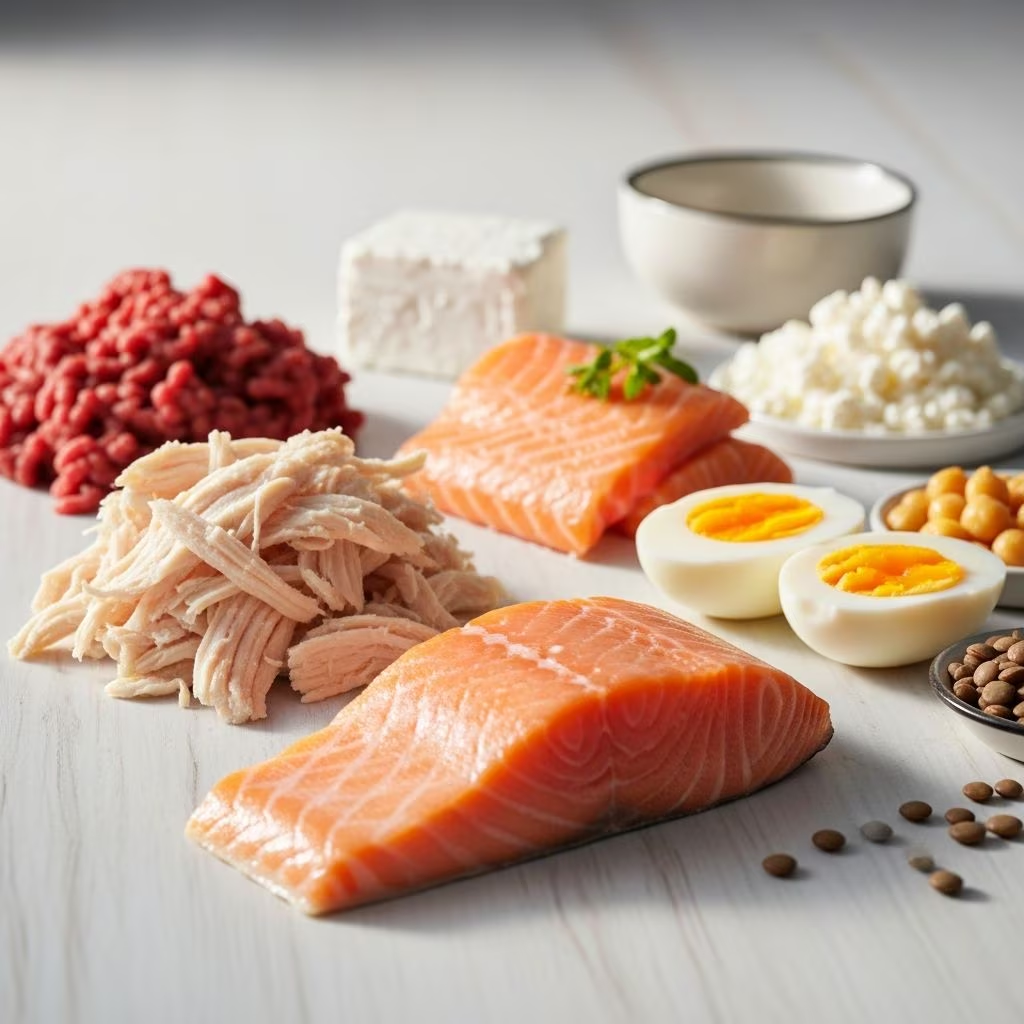
Proteins form the cornerstone of a dog’s diet, providing essential amino acids necessary for muscle repair, immune function, and overall vitality. Selecting the right protein sources ensures your canine companion receives complete nutrition suited to their unique needs, whether they’re a playful puppy, an active adult, or a senior with specific health concerns.
Why Proteins Matter in Canine Diets
Dogs require proteins that supply all ten essential amino acids they cannot synthesize independently. Complete proteins from animal origins excel in this regard, offering high digestibility and bioavailability compared to many plant-based alternatives. These nutrients support everything from lean muscle development to hormone production and enzyme activity. For growing puppies or working dogs, higher protein levels promote robust growth and sustained energy, while balanced amounts aid weight management in less active pets.
- Essential Role: Builds and repairs tissues, including skin, coat, and organs.
- Energy Source: Converted to glucose when carbohydrates are low.
- Health Benefits: Bolsters immunity, joint health, and cognitive function through key amino acids like taurine and arginine.
Animal proteins generally outperform plant sources in digestibility, with scores often exceeding 90% versus 54-75% for grains and legumes. This efficiency means more nutrients are absorbed, reducing digestive strain.
Top Animal Protein Sources for Everyday Nutrition
Common meats provide reliable, nutrient-dense options packed with vitamins, minerals, and fats. Chicken stands out for its lean profile and exceptional digestibility, making it ideal for sensitive stomachs or initial diet transitions.
| Protein Source | Key Nutrients | Best For |
|---|---|---|
| Chicken | High protein, omega-6, glucosamine | Sensitive stomachs, muscle building, joint support |
| Beef | Protein, iron, B vitamins, fats | Growing dogs, active breeds, energy needs |
| Turkey | Lean protein, low calories | Weight control, allergy alternatives |
Beef delivers hearty flavor and higher fat content, fueling high-energy dogs while supplying iron for oxygen transport in blood. Turkey offers a low-fat alternative, perfect for overweight pets, with similar digestibility to poultry peers.
Fish and Seafood: Lean Powerhouses with Omega Boosts
Fish proteins like salmon, whitefish, and herring provide superior omega-3 fatty acids (EPA and DHA), combating inflammation, enhancing coat shine, and supporting brain health. These are especially beneficial for dogs with dry skin, joint issues, or cognitive decline in later years. Salmon’s vitamin D aids calcium uptake for bone strength, while its lean nature suits weight-conscious diets. Whitefish and herring add B vitamins and selenium for immunity and antioxidant protection. Fish digestibility hovers around 75-85%, slightly lower than meats but offset by unique fatty acids.
- Salmon: Joint health, cognitive support, anti-inflammatory.
- Herring: Muscle repair, glossy coat, easy digestion.
- Whitefish: Bone health, immune boost, sensitive tummies.
Canned options in water (no salt) serve as digestible toppers for bland diets during tummy troubles.
Novel and Alternative Proteins for Sensitive Dogs
For pups prone to allergies from common proteins like chicken or beef, novel options minimize reactions. Duck, lamb, venison, rabbit, and pork introduce unfamiliar flavors and nutrients without common triggers. Lamb brims with B vitamins, zinc, iron, and omega-3s for energy, immunity, and skin health. Duck supplies vitamin A, iron, and selenium alongside lean protein. Rabbit offers low-fat, high-protein benefits with B12 for vitality.
| Novel Protein | Digestibility | Unique Benefits |
|---|---|---|
| Lamb | High (90+%) | Low allergy risk, healthy fats, antioxidants |
| Duck | High | Vitamin A, minerals, picky eaters |
| Rabbit | High | Lean, joint support, novel for allergies |
| Venison/Pork | Moderate-High | Nutrient-rich, muscle strength |
These proteins rotate well into diets, preventing sensitivities and providing variety.
Eggs and Organ Meats: Nutrient-Dense Supplements
Eggs earn ‘perfect protein’ status with 100% biological value, delivering all amino acids plus B vitamins from yolks and digestible whites. Limit to one daily to avoid excess. Organ meats like beef liver and kidney score 90% digestibility, rich in vitamins A, B, copper, and iron, but use sparingly to prevent vitamin A toxicity.
Protein Needs by Life Stage and Activity
Puppies and lactating females demand 22-32% protein for growth and milk production. Active adults benefit from 25-30%, while seniors or sedentary dogs thrive on 18-25% to preserve muscle without kidney strain. High-protein formulas suit working breeds, but consult vets for kidney or heart conditions favoring low-sodium, low-potassium meats like beef or chicken.
- Puppies: Higher for development.
- Adults: Balanced for maintenance.
- Seniors: Moderate to support without overload.
Plant Proteins: Supportive but Secondary
While inferior in amino acid profiles, processed soy or quinoa can supplement diets cost-effectively. They lag in digestibility but aid fiber intake when combined with animal sources. Animal proteins remain primary for completeness.
Selecting Quality Dog Food Proteins
Scan labels for named animal proteins (e.g., ‘chicken meal’) over vague ‘meat by-products.’ Higher crude protein percentages signal quality, but bioavailability trumps quantity. Rotate sources to avert allergies and ensure broad nutrient exposure.
DIY Protein Toppers and Treats
Boiled chicken breasts, canned fish in water, or lean turkey provide homemade boosts. Add pumpkin or rice for digestion. Ensure treats comprise <10% daily calories.
Frequently Asked Questions
Is too much protein harmful for dogs?
Healthy dogs tolerate high levels well; issues arise mainly in kidney disease cases. Vet guidance is key.
Can plant proteins replace meat for dogs?
Not ideally, due to incomplete amino acids and lower digestibility, but they supplement effectively.
What’s the most digestible protein?
Eggs (100%), followed by chicken, beef (92%), organs (90%).
How to switch proteins safely?
Gradual 7-10 day transition to avoid tummy upset.
Best protein for allergic dogs?
Novel like duck, lamb, or fish.
Conclusion
Tailoring protein choices to your dog’s profile maximizes health outcomes. Prioritize high-quality, digestible sources and monitor responses for a thriving pet.
References
- Which Protein Is Best in Dog Food? — PetCareRx. 2023-05-15. https://www.petcarerx.com/article/which-protein-for-dogs-is-best/846
- Dog Nutrition: Guide to Dog Food Nutrients — PetMD. 2024-01-10. https://www.petmd.com/dog/nutrition/evr_dg_whats_in_a_balanced_dog_food
- Choosing the Right Protein for Your Dog — Stella & Chewy’s. 2023-11-20. https://www.stellaandchewys.com/blogs/articles/choosing-the-right-protein-for-your-dog
- How Much Protein Is in Dog Food? A Complete Guide — Wholesome Pet Food. 2024-03-05. https://wholesomespetfood.com/how-much-protein-is-in-dog-food-a-complete-guide-for-pet-parents/
- Decoding Dog Food: Which Protein Is the Best? — Superior Care Pet. 2023-08-12. https://www.superiorcare.pet/blogs/news/decoding-dog-food-which-protein-is-the-best



