
Nutrition For Pigeons And Doves: 5 Essential Diet Components
Comprehensive guide to balanced diets ensuring health, breeding success, and longevity for pet and racing pigeons and doves.
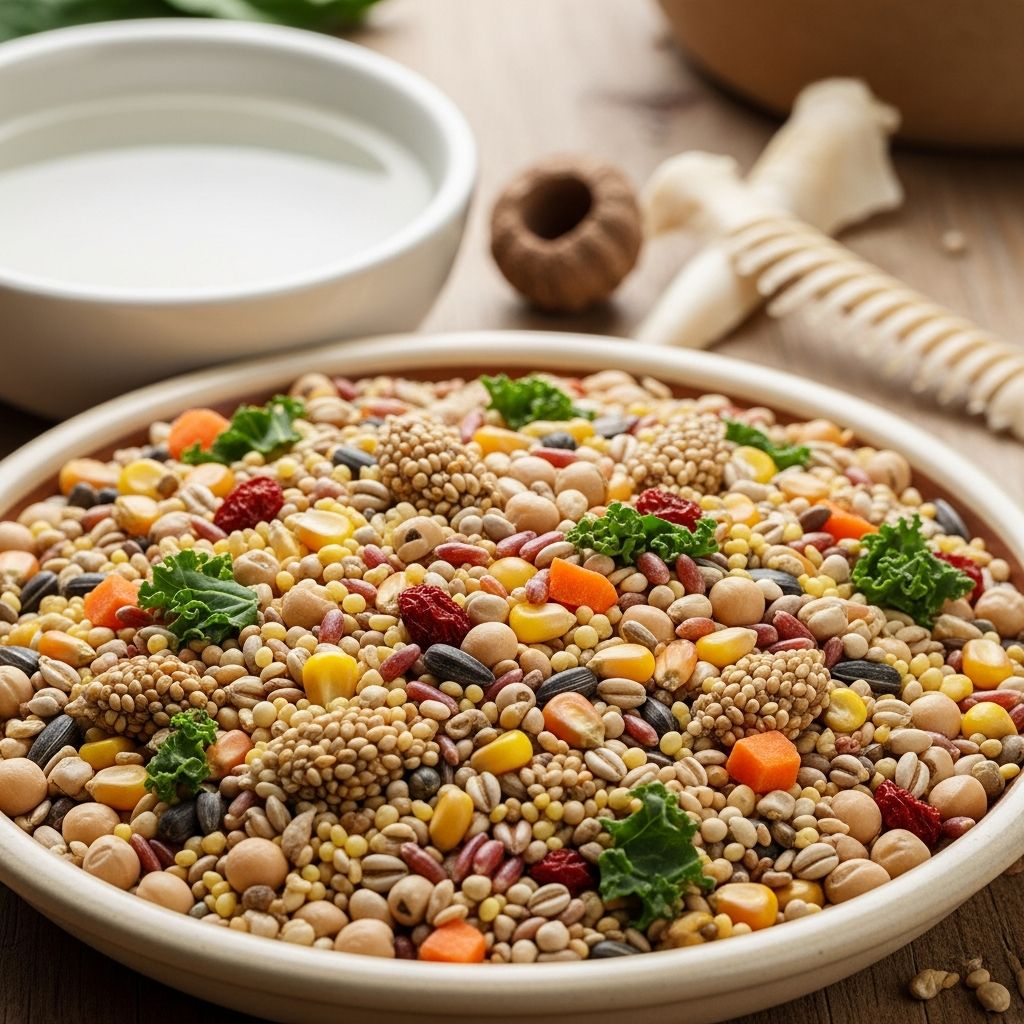
Pigeons and doves, belonging to the order Columbiformes, thrive on carefully balanced diets that mimic their natural granivorous or frugivorous habits while addressing captive care needs. Proper nutrition supports growth, reproduction, and disease resistance, preventing common issues like obesity or vitamin shortages.
Understanding Dietary Foundations
These birds primarily consume seeds, grains, fruits, and occasional invertebrates in the wild, but captive diets must compensate for nutritional gaps in commercial products. Granivorous species favor seeds, while frugivorous ones like crowned pigeons need more fruit. A base diet of 30-50% quality seeds combined with pellets ensures essential proteins (14-18%), fats (at least 4%), and micronutrients.
Overreliance on seeds leads to fat buildup and deficiencies in calcium, vitamin A, and D3, as seeds are carbohydrate-heavy but nutrient-poor. Transitioning to varied feeds promotes longevity and vitality.
Core Components of a Balanced Daily Diet
- High-Quality Seed and Grain Mix (30-50%): Select mixes with millet, safflower, cracked corn, and clean grains; avoid dusty, dyed, or sunflower-heavy options that cause obesity.
- Commercial Pellets (20-30%): 2mm pigeon or small parrot pellets match growing chicken NRC standards, providing balanced macros; mix with seeds for acceptance.
- Fresh Vegetables and Greens (20-30%): Chop bok choy, kale, endive, broccoli, zucchini, peas, carrots, peppers, and squash finely, as these birds lack strong chewing ability.
- Fruits (5-10%): Offer berries, bananas, peaches, melons, or tomatoes sparingly for variety and hydration.
Daily portions start at 2 tablespoons per bird, adjusting to full consumption by evening. Pale veggies like iceberg lettuce offer little value and should be skipped. Toxic foods including avocado, garlic, onions, and chives must be avoided.
Essential Supplements and Additives
Supplements bridge gaps in seed-based diets, especially for indoor birds lacking sunlight. Key additions include:
- Calcium Sources: Cuttlebone, mineral blocks, or crushed oyster shell for egg-laying females and bone health; sprinkle lightly on food.
- Bird-Safe Grit: Small amounts aid gizzard grinding, unlike in parrots; use sparingly, not unlimited.
- Multivitamin/Mineral Powders: Products with vitamin D3, A, and calcium prevent deficiencies; apply to food 3-4 times weekly (e.g., Lafeber’s, Nekton-S, Kaytee).
Clean, fresh water is vital, comprising 150% of food intake by weight; use stainless steel dishes.
| Food Type | Percentage | Examples | Benefits |
|---|---|---|---|
| Seeds/Grains | 30-50% | Millet, safflower, corn | Energy base |
| Pellets | 20-30% | Pigeon/parrot mixes | Balanced nutrients |
| Vegetables/Greens | 20-30% | Kale, zucchini, peas | Vitamins, fiber |
| Fruits | 5-10% | Berries, banana | Hydration, antioxidants |
| Supplements | As needed | Calcium, vitamins, grit | Deficiency prevention |
Specialized Feeding for Life Stages
Breeding and Rearing Young
Breeding pairs require elevated protein and energy. Increase pellets and add boiled eggs or legumes. Both parents produce crop milk—high-fat, protein-rich, low-pH secretion with Lactobacillus for squab digestion. Seed-eaters switch to regurgitated seeds in 4-7 days; frugivores like crowned pigeons rely on milk for 30+ days. Commercial milk replacers with probiotics aid hand-rearing.
Provide nesting platforms and extra calcium during laying to avoid soft-shelled eggs.
Racing Pigeons
Racers need seasonal tweaks: high-carb mixes pre-flight for energy, protein boosts post-race for recovery. Specialized commercial formulas exist; monitor weight daily.
Juveniles and Seniors
Squabs start with crop milk, transitioning to soft mash. Seniors may prefer softened pellets to ease digestion.
Housing and Feeding Environment
Optimal setups enhance intake: soft perches, bathing dishes, easy-clean food/water bowls. Place dishes on low shelves; offer variety to encourage exploration. Daily cleaning prevents bacterial growth in crops.
Monitoring Health Through Nutrition
Track intake, droppings, weight, and feather quality. Red droppings post-supplements are normal (e.g., from beet powder). Signs of imbalance: obesity (sunflower excess), lethargy (protein lack), brittle bones (calcium/D3 deficit). Consult vets for persistent issues.
Frequently Asked Questions (FAQs)
Can pigeons eat only seeds?
No, seeds alone cause deficiencies; combine with pellets, veggies, and supplements for balance.
How much to feed daily?
2 tablespoons initially, adjust to full consumption; about 150% water by food weight.
Are pellets necessary?
Ideal for completeness, but mix with seeds if reluctant; psittacine pellets work.
What about grit and cuttlebone?
Yes, sparingly for grinding and calcium; essential for doves.
Best supplements for indoor birds?
Multivitamins with D3 and calcium, sprinkled on food 3x/week.
Seasonal and Performance Diet Adjustments
Winter: Boost fats for warmth. Breeding season: Protein up 20%. Racing: Carb-load pre-event. Always prioritize variety to mimic wild foraging, fostering natural behaviors and health.
Maintaining these protocols yields vibrant, long-lived birds, with many owners reporting 10-15 year lifespans in captivity.
References
- Nutrition in Pigeons and Doves — Merck Veterinary Manual. 2023. https://www.merckvetmanual.com/management-and-nutrition/nutrition-exotic-and-zoo-animals/nutrition-in-pigeons-and-doves
- Pigeon Dove Care — Yarmouth Veterinary Center. 2025-09. https://yarmouthvetcenter.com/wp-content/uploads/2025/09/Avian-Pigeon_Dove.docx
- Pigeon & Dove Care — The Unusual Pet Vets. Accessed 2026. https://www.unusualpetvets.com.au/pigeon-and-dove-care/
- Pigeon Feeding & Dove Feeding — Palomacy Pigeon & Dove Rescue. Accessed 2026. https://www.pigeonrescue.org/birds/care/pigeon-feeding-dove-feeding/
- Nutritional Recommendations for Pigeons & Doves — Palomacy Pigeon & Dove Rescue. Accessed 2026. https://www.pigeonrescue.org/birds/care/pigeon-feeding-dove-feeding/nutritional-recommendations-for-pigeons-doves/
- Feeding Pigeons and Doves — VCA Animal Hospitals. Accessed 2026. https://vcahospitals.com/know-your-pet/pigeons-and-doves-feeding
- Doves and Pigeon Care Guide — Pet Supplies Plus. Accessed 2026. https://www.petsuppliesplus.com/resources/species/doves-and-pigeons
Similar Articles








Read full bio of medha deb


