

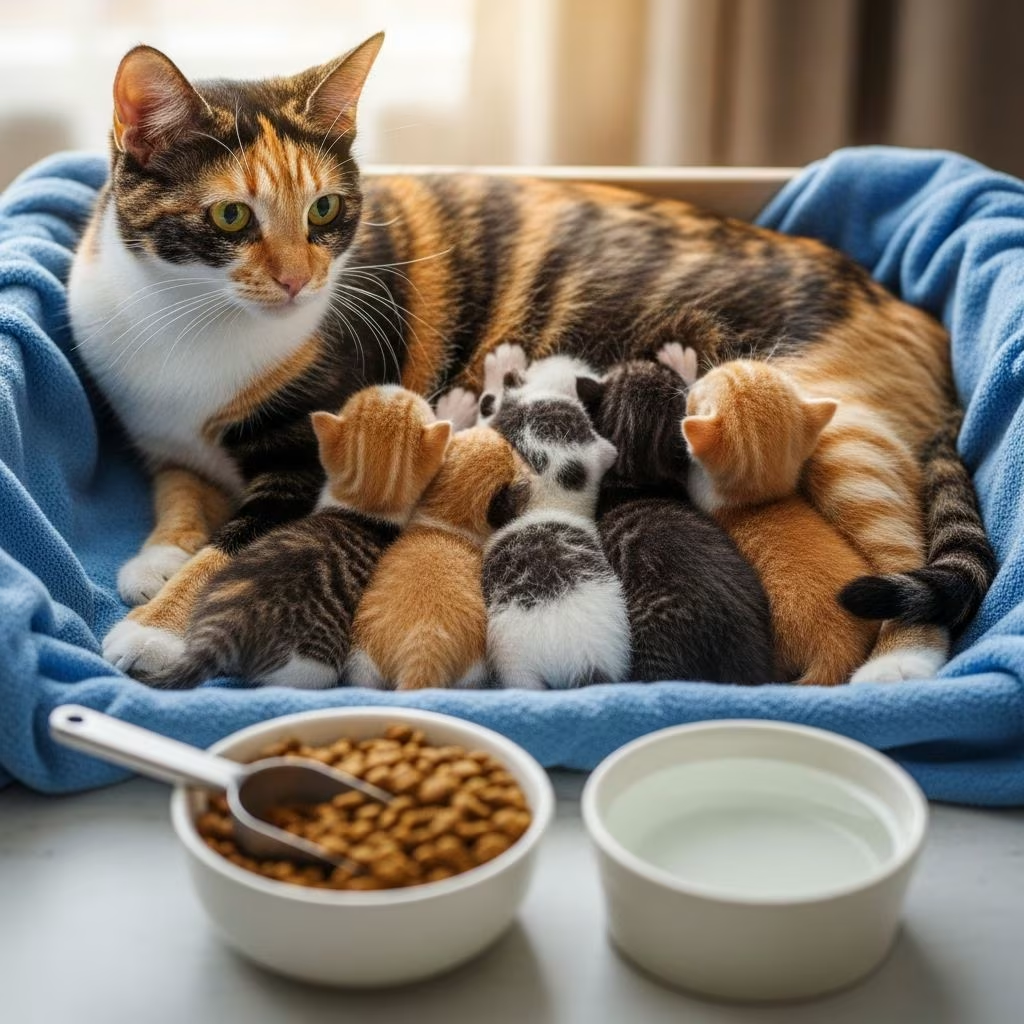
Nursing cats, or queens, face unprecedented nutritional demands during lactation, requiring up to twice their normal calorie intake to produce milk rich in proteins, fats, and essential nutrients for kitten growth. Providing a specialized diet ensures the mother’s health and the litter’s vitality.
Understanding Lactation’s Nutritional Challenges
Lactation represents the peak nutritional stress for cats, surpassing even pregnancy in intensity. Milk production ramps up around weeks 3-5 postpartum, demanding doubled or tripled energy levels compared to maintenance diets. Failure to meet these needs risks maternal weight loss, muscle depletion, and suboptimal kitten development.
Queens must synthesize nutrient-dense milk containing high fat (for energy), proteins (for growth), and micronutrients (for immunity). Calorie requirements can exceed 90-114 kcal per pound of body weight daily, varying by litter size. High energy-density foods allow intake without excessive volume, crucial as abdominal space remains limited post-birth.
Core Macronutrients for Peak Milk Production
A balanced macronutrient profile sustains lactation vigor. Focus on elevated levels of proteins, fats, and digestible carbs.
Proteins: Building Blocks for Growth
Protein needs surge 2-3 times baseline during nursing, fueling milk synthesis and fetal remnants. Opt for animal-sourced proteins like chicken, turkey, fish, or eggs, delivering essential amino acids such as taurine, arginine, and lysine that cats cannot produce adequately. These support kitten tissue development and maternal recovery.
- Target: 30-50% of diet from high-quality sources.
- Avoid: Plant proteins, which lack completeness for feline needs.
Fats: Concentrated Energy Source
Fats supply 15-30% of calories, mirroring milk’s composition for efficient energy transfer. Omega-3 and omega-6 fatty acids from fish oils promote kitten brain and vision maturation. Energy-dense fats prevent overeating while meeting demands.
Carbohydrates: Supplemental Fuel
While not strictly essential, digestible carbs provide quick energy, aiding fat storage for lactation dips. Kitten formulas incorporate them optimally.
Vital Micronutrients and Hydration
Micronutrients deplete rapidly into milk, necessitating fortified diets.
| Micronutrient | Role in Lactation | Sources |
|---|---|---|
| Calcium & Phosphorus | Bone development in kittens | Kitten chow, balanced supplements |
| Taurine | Heart/eye health | Meat-based foods |
| B Vitamins & Vitamin A/D/E | Milk quality, immunity | Fortified growth formulas |
| Magnesium & Trace Minerals | Metabolic support | Complete feline diets |
Water intake doubles; provide constant fresh supply. Wet foods boost hydration, enhancing milk volume.
Recommended Diets and Feeding Strategies
Select growth or all-life-stages kitten formulas, optimized for reproduction with elevated calories, proteins (40%+), and fats (20%+). These meet AAFCO standards without extra supplements.
- Free-Choice Access: Ideal for lactation peaks; allows grazing to match fluctuating needs.
- Meal Frequency: 4-6 small meals daily or ad libitum dry food.
- Wet Food Integration: Increases moisture and palatability for picky eaters.
- Enhancements: Add cooked meats, eggs, or tuna (in water) sparingly for variety.
Monitor weekly weights and body condition; adjust to prevent obesity or emaciation. Consult vets for custom plans.
Transitioning from Pregnancy to Nursing
Pregnancy escalates needs in the last trimester (25-50% calorie hike), prepping fat reserves. Post-birth, shift seamlessly to lactation diets. Kitten formulas bridge both phases effectively.
Litter size dictates intensity: larger litters amplify demands by 20-50% per additional kitten.
Caring for the Litter Through Maternal Diet
Queen’s milk delivers colostrum antibodies in the first hours, then complete nutrition for 3-4 weeks. Peak milk at weeks 3-4 aligns with kitten growth spurts. As solids introduce (week 3+), mom’s intake supports shared nursing.
Weaning (6-8 weeks) reduces mom’s load; taper free-choice gradually.
Common Pitfalls and Solutions
Avoid cow’s milk (indigestible, causes diarrhea). Steer clear of adult maintenance foods lacking density. Picky queens? Tempt with warmed wet food or fish.
- Weight Loss: Increase calories via kitten gruel.
- Low Milk: Ensure hydration, vet check for mastitis.
- Overfeeding Post-Wean: Switch to maintenance slowly.
Monitoring Health Indicators
Track shiny coat, firm muscle tone, steady weight, and playful kittens. Weekly body scoring (ideal: visible waist, palpable ribs) guides adjustments.
FAQs
How much should I feed a nursing cat?
Free-choice kitten formula; expect 2-3x maintenance calories, scaling with litter size (e.g., 90-114 kcal/lb body weight).
Can I supplement vitamins?
Not needed with quality kitten food meeting AAFCO; vet-approved only if deficient.
What if my cat refuses kitten food?
Mix with familiar wet foods like tuna or chicken; transition gradually.
Does wet vs. dry matter?
Both work; wet aids hydration, dry suits free-choice convenience.
When to wean the queen off lactation diet?
Post-weaning (8 weeks); reduce portions over 1-2 weeks to maintenance.
Long-Term Benefits of Proper Nutrition
Optimal feeding fosters queen recovery, future fertility, and robust kittens less prone to health issues. Invest in nutrition for lifelong feline wellness.
References
- Nutritional Needs of Pregnant and Nursing Cats — Boneitup. 2023. https://boneitup.com/blogs/news/nutritional-needs-of-pregnant-and-nursing-cats
- Feeding the Nursing Cat — VCA Animal Hospitals. 2024. https://vcahospitals.com/know-your-pet/feeding-the-nursing-cat
- Nursing Mothers and Their Kittens — City of Austin Texas (.gov). 2022. https://www.austintexas.gov/sites/default/files/files/Animal_Services/Foster_Care_Manual/NURSING_MOTHER_CATS_AND_KITTENS.pdf
- What to Feed a Pregnant And Nursing Cat — Hill’s Pet Nutrition. 2024. https://www.hillspet.com/cat-care/nutrition-feeding/what-to-feed-pregnant-and-nursing-cats
- Nutrition for Pregnant and Lactating Cats and Their Nursing Kittens — Purina Institute. 2023. https://www.purinainstitute.com/centresquare/life-stage-nutrition/nutrition-for-pregnant-and-lactating-cats-and-their-nursing
- Cat Nutrition Tips — ASPCA. 2024. https://www.aspca.org/pet-care/cat-care/cat-nutrition-tips



