

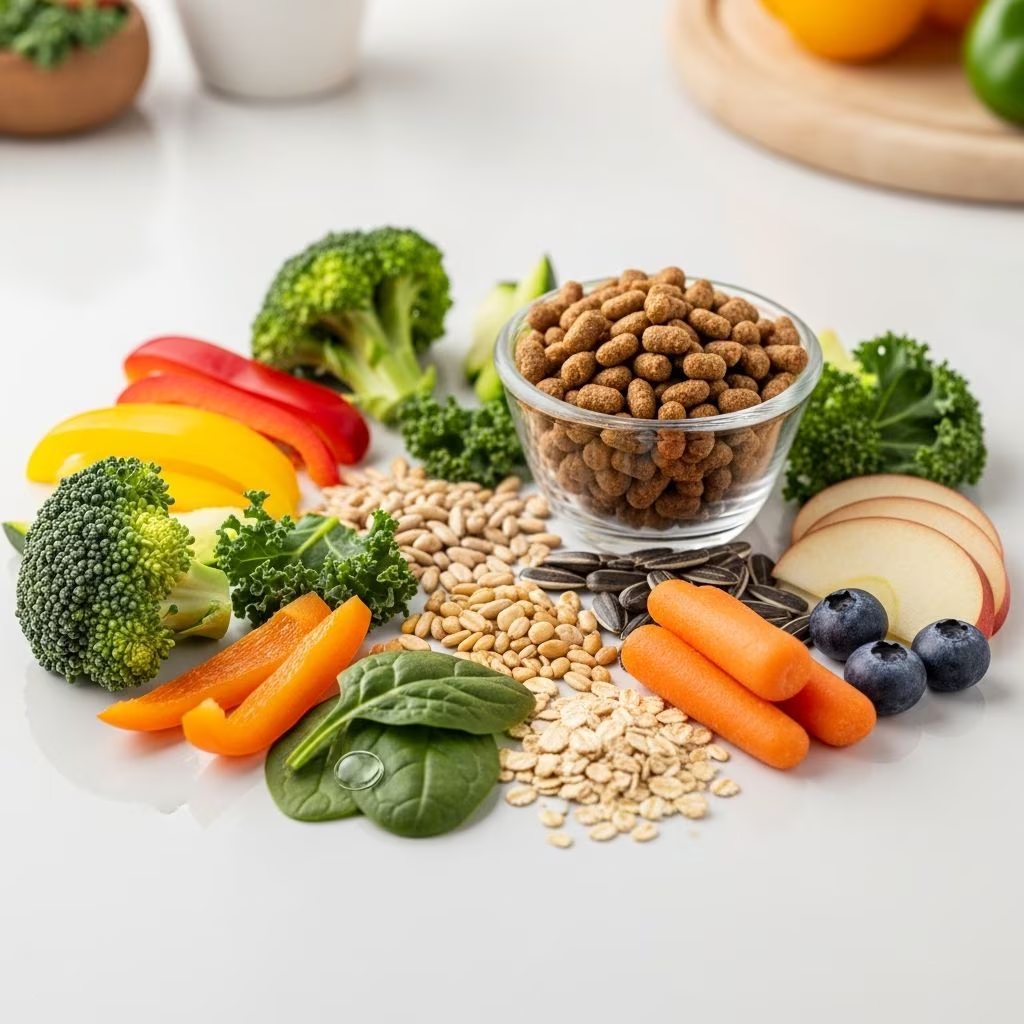
Pet rats thrive on a balanced diet that mimics their natural omnivorous habits, primarily consisting of high-quality commercial pellets supplemented with fresh produce and occasional proteins. This approach ensures they receive essential nutrients like 12-16% protein and 4-6% fat while promoting dental health and preventing obesity.
Building a Strong Dietary Foundation
The cornerstone of any pet rat’s nutrition is a specially formulated lab block or pellet designed by veterinary nutritionists. These products provide complete nutrition, typically making up 80% of the daily intake to meet requirements for protein, fats, fiber, vitamins, and minerals. Opt for blocks over loose mixes, as they encourage natural gnawing behavior, which keeps teeth trimmed.
Look for options with crude protein levels of 15% minimum and fat around 4%, such as those featuring whole grains like brown rice, oat groats, and soybean meal. Examples include Oxbow Essentials Adult Rat Food or Lafeber’s Rascally Rat Nutri-Berries, which incorporate dried fruits and veggies for added appeal.
- Protein: 12-16% for adults; higher (18-20%) for growing pups, pregnant, or lactating females.
- Fat: 4-6% to support energy without excess calories.
- Fiber: 5-9% for digestive health.
- Calcium: Balanced to avoid deficiencies or excesses.
Feed pellets freely in a dish, adjusting portions based on the rat’s age, size, and activity level—typically 1-2 tablespoons per day for an adult.
Incorporating Fresh Vegetables and Greens Daily
Vegetables and greens should comprise about 20% of the diet, offered twice daily in a shallow bowl for morning and evening meals. These provide hydration, vitamins, and fiber while adding variety to prevent boredom.
Focus on nutrient-dense, low-sugar options washed thoroughly to remove pesticides. A daily serving of 1-2 teaspoons per rat keeps things fresh and engaging.
| Daily Staples | Moderation Options |
|---|---|
| Romaine lettuce, kale, broccoli, cauliflower, spinach, peas, asparagus, herbs (parsley, basil, mint) | Carrots, beet greens, corn, zucchini, cucumber, bell peppers, squash |
Rotate selections to ensure broad nutrient coverage; leafy greens like kale offer calcium, while broccoli delivers vitamin C.
Fruits: Sweet Treats in Small Doses
Fruits add antioxidants and natural sugars but should be limited to 2-3 times weekly, less than 1 teaspoon per serving, due to high sugar content that risks obesity and dental issues.
- Apples (seedless), bananas, berries (blueberries, strawberries), melon, kiwi, papaya.
- Avoid: Citrus in excess, grapes sparingly as favorites like avocados can be overeaten.
Dried fruits like unsweetened banana chips or cranberries can substitute occasionally but count toward the 20% fresh produce limit.
Protein Boosters for Growth and Vitality
As omnivores, rats benefit from animal-based proteins 2-3 times per week, about 0.5-1 teaspoon per serving. These support muscle maintenance, especially for youngsters under 12 weeks or breeding females needing 20-25% protein.
- Cooked chicken, hard-boiled eggs, lean beef, fish, cottage cheese.
- Insect proteins: Mealworms or crickets for natural foraging appeal.
- Plant-based: Cooked beans, tofu, soy milk mixed into oatmeal.
For picky eaters or recovery, try soaked granola or Nutri-Cal paste.
Grains, Nuts, and Healthy Fats Sparingly
Grains provide carbohydrates for energy—0.5-1 teaspoon daily of cooked brown rice, oats, whole-wheat pasta, or unsweetened puffed cereals.
Nuts and seeds, rich in fats, vitamins, and minerals, are ideal 2-3 times weekly in tiny amounts (0.5 teaspoon) to avoid weight gain. Unsalted options like pumpkin seeds, sunflower seeds (hulled), pistachios, pecans, or Brazil nuts are favorites.
Soy nuts offer protein and cancer-fighting vitamin K; dry pasta serves as a carb source in moderation.
Life Stage-Specific Feeding Adjustments
Growing Pups (4-12 Weeks)
Pups under 12 weeks require elevated protein (20-25%) and calories, up to twice an adult’s intake. Scatter pellets to encourage foraging and supplement with softened veggies.
Adult Maintenance
Balanced 80/20 split sustains energy; monitor body condition—ribs should be felt but not seen.
Pregnant or Lactating Females
Increase portions by 50-100%, prioritizing proteins and calcium-rich greens.
Senior Rats
Focus on soft foods like cooked oatmeal with milk or Ensure for easy digestion. Low-sodium options for heart/kidney issues: Stick to pellets, fresh produce, filtered water.
Dangerous Foods to Strictly Avoid
Certain items are toxic or unhealthy for rats, potentially causing poisoning, obesity, or organ damage.
- Toxins: Chocolate, caffeine, alcohol, raw beans, rhubarb, avocado pit/skin, seeds from apples/pears.
- High-Risk: Onions, leeks, chives (anemia risk), citrus excess, salty/processed foods, dairy for most (lactose intolerance).
- Junk: Potato chips, sugary cereals, fried treats.
Raw potatoes and green tomatoes contain solanine; always cook meats thoroughly.
Practical Feeding Routines and Tips
Establish consistency: Offer pellets ad libitum or measured daily, with fresh produce mornings and evenings. Remove uneaten perishables to prevent spoilage.
- Use ceramic bowls for stability; scatter some food for mental stimulation.
- Provide constant fresh water via sipper bottles, filtered for health-compromised rats.
- Weigh rats monthly; adjust if overweight (reduce treats) or underweight (add calories via nuts/oil).
For multi-rat groups, feed separately if bullying occurs. Introduce new foods gradually to avoid tummy upset.
Frequently Asked Questions (FAQs)
How much should I feed my adult pet rat daily?
1-2 tablespoons of pellets plus 1-2 teaspoons veggies/greens, scaling by size.
Can pet rats eat cheese or yogurt?
Limited dairy occasionally; most rats are lactose intolerant—opt for proteins like eggs instead.
What if my rat refuses pellets?
Mix with softened veggies or Nutri-Berries; transition slowly over a week.
Are mealworms a good treat?
Yes, 2-3 times weekly for protein and enrichment.
How do I know if my rat’s diet is balanced?
Shiny coat, steady weight, active behavior, firm stools—consult a vet for checks.
Monitoring Health Through Nutrition
A well-fed rat exhibits bright eyes, glossy fur, and enthusiasm for play. Poor diet signs include weight loss, dull coat, or diarrhea—adjust promptly and seek vet advice. Regular dental checks prevent overgrowth from soft diets.
By prioritizing quality pellets, diverse produce, and moderation in treats, you’ll support longevity—pet rats can live 2-3 years with optimal care.
References
- Care of the Pet Rat — LafeberVet. Accessed 2026. https://lafeber.com/vet/wp-content/uploads/Rats-diet-updated.pdf
- Diet – Rat Guide — RatGuide.com. Accessed 2026. https://ratguide.com/care/nutrition/diet.php
- What Should I Feed to My Pet Rat? — Oxbow Animal Health. Accessed 2026. https://oxbowanimalhealth.com/blog/what-should-i-feed-my-pet-rat/
- Basic Pet Rat Information — Exotic Nutrition. Accessed 2026. https://exoticnutrition.com/blogs/blog/basic-rat-information
- Rat Feeding Guide — The Unusual Pet Vets. Accessed 2026. https://www.unusualpetvets.com.au/rat-feeding-guide/
- Caring for Your RAT — Oxbow Australia. 2018. https://oxbowaustralia.com/wp-content/uploads/2018/07/OXB1006-2_Rat-Care-Guide_sm.pdf
- Knowing What to Feed Your Pet Rats and Mice — Hartz. Accessed 2026. https://www.hartz.com/knowing-what-to-feed-your-pet-rats-and-mice/



