

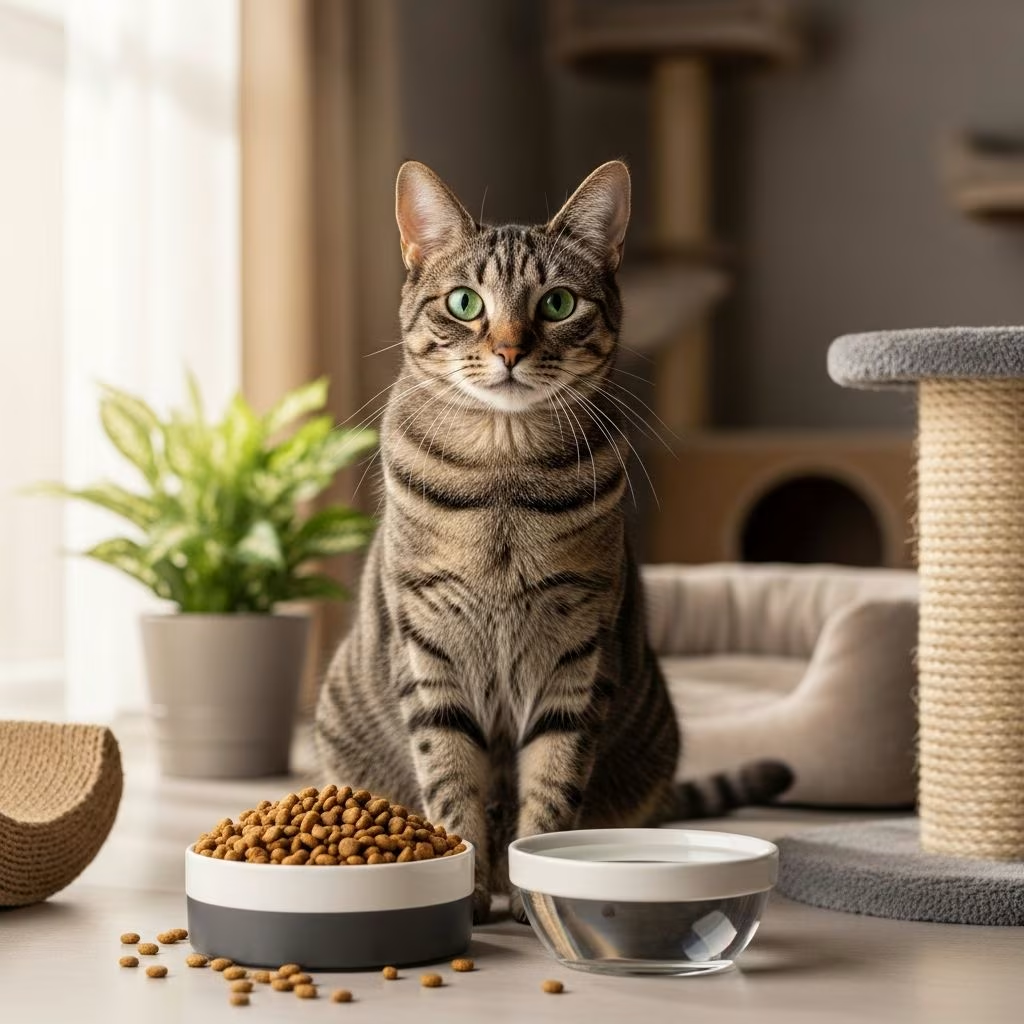
Indoor cats thrive with diets adjusted for their sedentary lifestyles, emphasizing controlled calories, high-quality proteins, adequate fiber, and hydration to prevent obesity, hairballs, and urinary issues.
Why Indoor Cats Need Specialized Nutrition
Unlike outdoor cats that hunt and roam extensively, indoor felines lead calmer lives with limited physical activity. This reduces their daily calorie expenditure, making them susceptible to weight gain if fed standard formulas designed for more active cats. Veterinary experts note that indoor cats burn approximately 20 calories per pound of ideal body weight daily, compared to 30 for outdoor counterparts. High-fiber content in tailored foods also aids in hairball expulsion, as these cats groom frequently without the natural fiber from prey.
Balanced nutrients remain crucial: obligate carnivores require animal-based proteins for essential amino acids like taurine, fats for energy and coat health, and minimal carbohydrates to mimic their natural diet. Moisture-rich foods combat dehydration risks, since cats derive most hydration from meals rather than drinking bowls.
Core Nutritional Building Blocks
A premium indoor cat diet prioritizes these elements:
- High-Quality Proteins: At least 50% on a dry matter basis from sources like chicken, turkey, or fish to meet carnivorous needs.
- Controlled Calories: Lower density to match reduced activity, preventing diabetes and joint strain.
- Fiber Sources: Beet pulp, psyllium, or pumpkin to promote digestion and hairball control.
- Healthy Fats: Omega-3 and omega-6 from fish oil for skin, coat, and inflammation reduction.
- Minerals and Vitamins: Balanced calcium, phosphorus, taurine, and B vitamins for heart, bone, and metabolic health.
Steer clear of fillers like corn or wheat, which spike carbs unnecessarily and offer little value.
Calorie Calculation and Portion Control
Precise feeding prevents overeating. For a 10-pound indoor cat, aim for 200 calories daily via the formula: 20 kcal per pound of ideal weight. Active indoor cats might need slight increases, up to 20-40% more for playful ones.
Use this table for quick reference:
| Cat Profile | Weight (lbs) | Daily Calories | Example Portions |
|---|---|---|---|
| Sedentary Indoor | 10 | 200 | 38g dry or 3-4 cans wet |
| Moderately Active Indoor | 10 | 220-240 | 1-2 cans wet + dry mix |
| Kitten (under 6 months) | 5 | 250-300 | 3-4 small meals |
Divide into 2-4 meals to mimic natural patterns and curb begging. Automated feeders with puzzles encourage foraging, burning extra calories. Monitor weight monthly; adjust if ribs are palpable but not visible.
Protein: The Foundation of Feline Health
As obligate carnivores, cats depend on animal proteins for taurine, arginine, and other exclusives unavailable in plants. Indoor formulas should list meat as the first ingredient, targeting 40-50% protein to sustain muscle without excess fat storage. Studies show high-protein, low-carb diets reduce predatory behaviors and support ideal body composition.
Incorporate variety: rotate chicken for lean muscle, salmon for omegas, and turkey for novelty to prevent boredom in picky eaters.
Hydration Strategies for Better Wellness
Cats evolved in arid environments, instinctively minimizing water intake, yet indoor life amplifies dehydration risks from dry kibble. Wet foods boast 70-80% moisture, slashing urinary tract disease odds. Mix diets: dry for dental scraping, wet for palatability and fluids. Add water to kibble or use fountains to entice drinking.
Fiber’s Role in Digestive Harmony
Indoor grooming leads to ingested fur, forming hairballs. Soluble fibers like psyllium bind hair for smooth passage, while insoluble types bulk stool against constipation. Optimal levels (3-5%) also stabilize blood sugar, curbing obesity and diabetes. Natural sources outperform synthetics for gut microbiome health.
Fat Balance and Essential Fatty Acids
Fats fuel 60% of energy needs without carbs, carrying vitamins A, D, E, K. Prioritize profiles with 15-20% fat, rich in linoleic and arachidonic acids to avert deficiencies causing scaly skin or poor reproduction. Fish oils combat allergies and arthritis common in older indoor cats.
Life Stage Adjustments
Kittens and Growth
Up to 6 months, feed energy-dense, protein-packed meals 3-4 times daily for rapid development. Transition gradually to adult indoor formulas by year one.
Seniors and Maintenance
Post-7 years, lower calories further (15-18 kcal/lb) with joint-supporting glucosamine and antioxidants. High-protein preserves lean mass amid slowing metabolism.
Weight Management Challenges
Obese cats need therapeutic vet diets with precise kcal/kg for safe loss (1-2% body weight weekly). Puzzle feeders extend meals, boosting activity.
Food Types: Wet, Dry, and Hybrids
- Wet Food: Hydration hero, low-calorie, ideal for 50%+ of diet.
- Dry Kibble: Convenient, dental aid, but portion strictly.
- Dehydrated/Fresh: Human-grade, moisture-addable, nutrient-dense.
Avoid byproducts, artificial additives, and excess grains.
FAQs: Common Indoor Cat Feeding Queries
Can indoor cats eat outdoor cat food?
Occasionally, but not daily—higher calories risk obesity. Opt for indoor-specific.
How often to feed an indoor adult cat?
2-3 meals daily; free-feeding promotes overeating.
Does wet food prevent hairballs better?
Yes, via moisture and often added fiber.
What if my cat is a picky eater?
Warm wet food, rotate proteins, add toppers like bone broth.
Should I supplement vitamins?
Not if using AAFCO-complete foods; excess harms. Consult vets.
Daily Feeding Routines for Success
Establish schedules: breakfast, dinner, optional snack. Weigh food accurately; use apps for tracking. Annual vet checkups assess body condition scores (ideal: 5/9). Encourage play with toys to elevate calorie burn, complementing diet.
Transition new foods over 7-10 days to avoid tummy upset: 25% new Day 1-2, 50% Day 3-4, etc.
Monitoring Health Through Diet
Lustrous coat, firm stools, stable weight signal success. Watch for lethargy, vomiting, or thirst spikes—prompt vet visits. Nutritional assessments at every exam optimize long-term vitality.
References
- 6 Diet Recommendations for Indoor Cats — The Honest Kitchen. 2023. https://www.thehonestkitchen.com/blogs/pet-food-ingredients/best-diet-for-indoor-cat
- What is the Best Cat Food for Indoor Cats? — MVA Vets. 2024. https://mvavets.com/blog/what-is-the-best-cat-food-for-indoor-cats/
- How Much Food Should a Cat Actually Eat? — Nulo. 2024. https://nulo.com/blogs/nutrition/how-much-food-should-a-cat-actually-eat
- Optimum Feline Nutrition – What Should You Feed Your Cat? — Cupola Animal Hospitals. 2023. https://www.cupolaanimalhospitals.com/services/cats/feline-nutrition-cat-food
- Proactive Nutrition for the Healthy Indoor Cat — Today’s Veterinary Practice. 2023-10-01. https://todaysveterinarypractice.com/nutrition/proactive-nutrition-for-the-healthy-indoor-cat/
- Nutrition – General Feeding Guidelines for Cats — VCA Animal Hospitals. 2024. https://vcahospitals.com/know-your-pet/nutrition-feeding-guidelines-for-cats
- Cat Nutrition Tips — ASPCA. 2024. https://www.aspca.org/pet-care/cat-care/cat-nutrition-tips
- Nutritional assessment in the cat: Practical recommendations — NIH/PMC. 2024. https://pmc.ncbi.nlm.nih.gov/articles/PMC10814421/



