

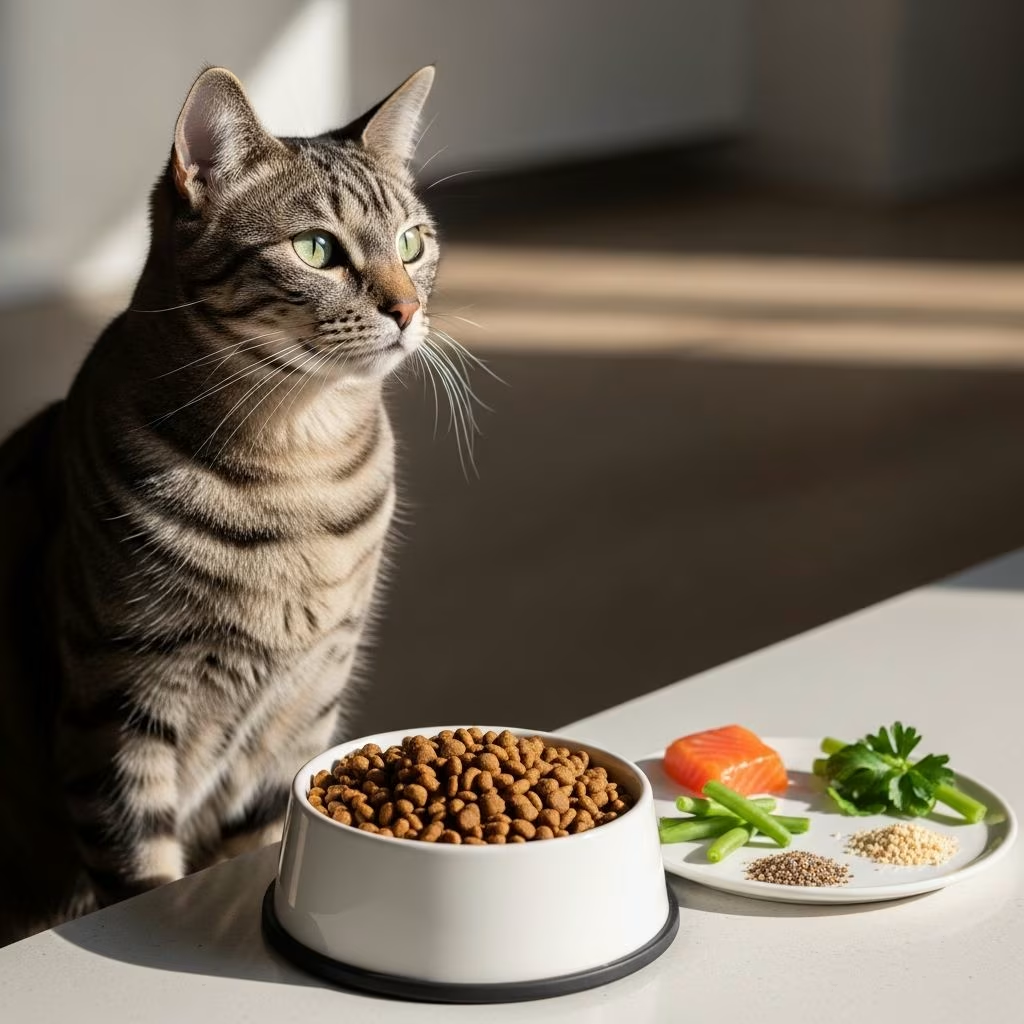
Indoor cats face unique nutritional demands due to their limited activity levels and grooming habits. A well-planned diet helps prevent obesity, urinary issues, and hairballs while ensuring they receive essential nutrients as obligate carnivores.
Why Indoor Cats Need Specialized Feeding Plans
Unlike outdoor cats that hunt and roam extensively, indoor felines burn fewer calories daily. This sedentary lifestyle increases risks for weight gain and related conditions like diabetes. Veterinary experts emphasize lower-calorie formulas with added fiber to mimic the natural intake from prey, including fur and bones. High-protein diets support muscle maintenance without excess energy from carbs.
Indoor environments also promote excessive grooming, leading to hairball accumulation. Fiber aids digestion, moving ingested fur through the intestines efficiently. Dehydration risks rise with dry kibble dominance, as cats evolved in arid conditions and often under-drink.
Core Nutritional Building Blocks
Cats require diets centered on animal proteins, as they are obligate carnivores needing taurine and other amino acids found only in meat sources. Cornell University notes that quality food prioritizes these over plant-based fillers. Ideal profiles feature around 50% protein, 40% fat, and minimal carbohydrates on a dry matter basis, aligning with cats’ natural preferences.
- Protein: At least 40% in canned formats (or >10% adjusted for moisture), from real meat sources.
- Fat: Provides energy density; 40% supports satiety without carb overload.
- Carbohydrates: Keep under 10%; avoid as top ingredients.
- Fiber: Essential for hairball prevention and gut motility.
- Taurine: Critical for heart, vision, and reproduction; meat-exclusive.
Choosing Between Wet, Dry, and Mixed Feeding
Wet food excels in hydration (75%+ moisture), palatability, and low carbs, making it ideal for indoor cats prone to dehydration and obesity. Dry kibble offers convenience and dental scraping but higher calorie density risks overfeeding. A mixed approach balances benefits: wet for moisture and protein, dry for practicality.
| Food Type | Pros | Cons | Best For |
|---|---|---|---|
| Wet/Canned | High moisture, protein-focused, palatable | Costlier, spoils faster | Hydration, weight control |
| Dry/Kibble | Convenient, dental benefits, shelf-stable | Low moisture, calorie-dense | Active cats, portion control |
| Mixed | Combines hydration + convenience | Requires monitoring totals | Most indoor cats |
Veterinarians like Dr. Zoran recommend canned over exclusive dry to curb obesity and diabetes in low-activity cats.
Calorie Requirements and Portion Control
Daily needs vary by weight, activity, and sterilization status. Indoor cats average 20 calories per pound of ideal body weight. Use feeding charts as starting points, adjusting based on body condition.
| Weight | Sterilized Indoor (kcal/day) | Active (kcal/day) | Wet Food Equivalent (10lb cat) |
|---|---|---|---|
| 7.5 lbs | 175 | 245 | 2-3 cans (3oz) |
| 10 lbs | 216 | 303 | 3-4 cans |
| 12.5 lbs | 258 | 362 | 4+ cans |
For dry food, a 10lb indoor cat needs 1/3-1/2 cup (300-500 kcal/cup). Divide into 3-5 meals via timed feeders or puzzles to mimic hunting and prevent gorging. Example: 161 kcal cat = 38g dry total, split as 30g feeder + 8g toys.
Combating Common Indoor Cat Health Challenges
Obesity Prevention
Free-feeding dry food contributes to overconsumption in sedentary cats. Measure portions precisely and weigh monthly. High-protein, low-carb diets reduce begging and fat accumulation.
Hairball Management
Fiber from sources like psyllium or natural prey analogs prevents blockages. Indoor cats ingest more fur; supplements or high-fiber foods help. Cat grass or catnip adds fiber and enrichment.
Urinary and Kidney Health
Increased water intake via wet food dilutes urine, reducing crystals. Monitor for straining; consult vets for tailored formulas.
Practical Feeding Schedules and Tips
Feed 2-4 meals daily, avoiding free-choice for adults. Kittens thrive on ad libitum dry or frequent canned meals.
- Clean bowls daily; fresh water always available.
- Enrich meals: scatter kibble or use puzzle feeders for mental stimulation.
- Transition foods gradually over 7-10 days.
- Treats: Limit to 10% calories; use unseasoned meat or grass.
Weather extremes bump needs; cooler temps increase by 20-25%.
Selecting High-Quality Commercial Foods
Look for AAFCO statements ensuring complete nutrition. Prioritize named meats first, avoiding by-products if possible. Grain-free options suit low-carb goals but check for legumes. Human-grade or vet-recommended lines offer transparency.
Frequently Asked Questions
Can indoor cats eat outdoor cat food?
Outdoor formulas have higher calories/protein for activity; unsuitable long-term for indoors, risking obesity.
How much water should my cat drink?
Ideal: 3-4oz per 5lbs body weight. Wet food boosts totals significantly.
Is raw diet safe for indoor cats?
Possible but risky (bacteria); consult vets. Commercial balanced raw mimics prey[10].
When to switch to senior food?
Around 7-11 years; lower calories, joint support.
What if my cat is picky?
Rotate flavors/textures; warm wet food enhances aroma.
Long-Term Monitoring and Vet Partnerships
Annual check-ups track weight/BCS (body condition score 4-5/9 ideal). Adjust based on labs; therapeutic diets for issues. Consistent nutrition fosters vitality into senior years.
References
- 6 Diet Recommendations for Indoor Cats — The Honest Kitchen. 2023. https://www.thehonestkitchen.com/blogs/pet-food-ingredients/best-diet-for-indoor-cat
- Feline Nutrition Part 1: How To Choose The Purr-fect Diet For Your Cat — Texas A&M University College of Veterinary Medicine. 2022-10-17. https://vetmed.tamu.edu/news/pet-talk/choosing-a-cat-food/
- How Much Food Should a Cat Actually Eat? — Nulo Pet Food. 2024. https://nulo.com/blogs/nutrition/how-much-food-should-a-cat-actually-eat
- Proactive Nutrition for the Healthy Indoor Cat — Today’s Veterinary Practice. 2023. https://todaysveterinarypractice.com/nutrition/proactive-nutrition-for-the-healthy-indoor-cat/
- Cat Nutrition Tips — ASPCA. 2024. https://www.aspca.org/pet-care/cat-care/cat-nutrition-tips
- How Much to Feed a Cat: Portions, Calories, and More — Chewy. 2025. https://www.chewy.com/education/cat/food-and-nutrition/how-much-should-i-feed-my-cat
- Feeding Your Cat — Cornell University College of Veterinary Medicine. 2024. https://www.vet.cornell.edu/departments-centers-and-institutes/cornell-feline-health-center/health-information/feline-health-topics/feeding-your-cat



