

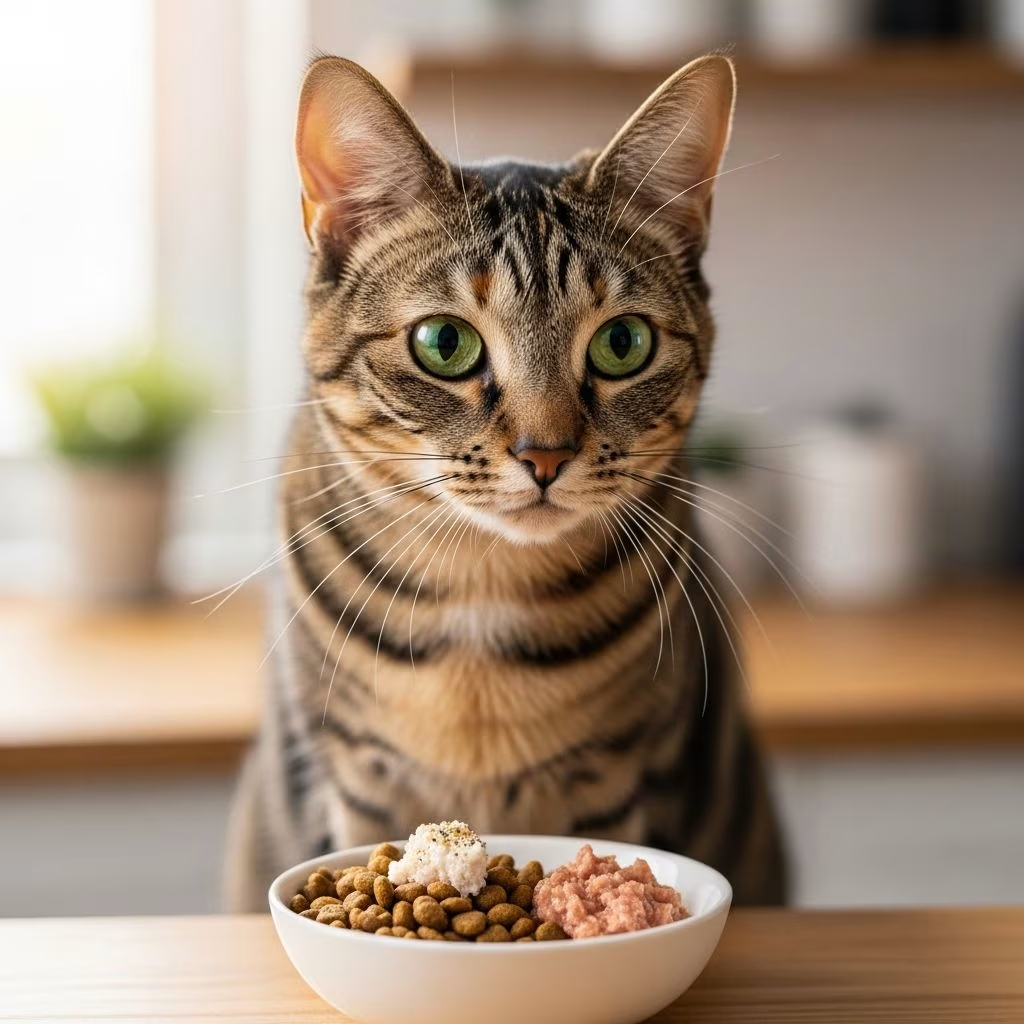
Cats facing liver challenges require carefully crafted diets that ease organ workload while delivering essential nutrients for repair and maintenance. These nutritional plans emphasize high-quality, digestible proteins, balanced carbohydrates, healthy fats, and targeted antioxidants to foster recovery and prevent secondary issues like hepatic lipidosis.
Understanding Feline Liver Conditions
The liver performs vital tasks in cats, including detoxification, protein synthesis, and nutrient metabolism. When compromised by conditions such as cholangiohepatitis, fatty liver, or toxin exposure, it struggles, leading to symptoms like jaundice, weight loss, and lethargy. Proper nutrition becomes a cornerstone of management, helping to reduce inflammation, support regeneration, and maintain energy levels without overwhelming the organ.
Core Principles of Liver-Supportive Diets
Effective diets for cats with liver issues prioritize ingredients that are easy on the digestive system and rich in bioavailable nutrients. Key components include:
- High-quality proteins: Sources like lean poultry or fish provide amino acids for tissue repair without excess ammonia production.
- Digestible carbohydrates: Options such as cooked rice or potatoes supply steady energy, sparing protein for structural needs.
- Moderate healthy fats: Omega-3 sources from fish oil reduce inflammation and boost calorie density for underweight cats.
- Antioxidants: Vitamins E, C, and selenium combat oxidative damage common in liver disease.
- Controlled minerals: Low copper and sodium levels prevent accumulation and fluid retention.
These elements work synergistically to promote liver cell regeneration and minimize stress on the affected organ.
Protein: The Foundation Without the Burden
Protein remains indispensable for cats, obligate carnivores with high requirements around 30-40% of metabolizable energy. In liver disease, select highly digestible animal-based proteins like cooked eggs, turkey, or white fish to minimize ammonia buildup, a byproduct that exacerbates hepatic encephalopathy. Restrict protein only if neurological symptoms appear, as underfeeding risks muscle wasting and fatty liver progression. Veterinary therapeutic formulas often feature hydrolyzed proteins for optimal absorption.
| Protein Source | Benefits for Liver Health | Digestibility Level |
|---|---|---|
| Chicken Breast | Rich in essential amino acids, low fat | High |
| White Fish | Omega-3s for anti-inflammation | Very High |
| Egg Whites | Complete protein, easy absorption | High |
| Turkey | Lean, supports repair | High |
Carbohydrates and Energy Management
While cats thrive on low-carb diets normally, liver-compromised felines benefit from moderately digestible carbs comprising 20-45% of energy to provide non-protein calories. Complex sources like sweet potatoes or oats prevent blood sugar spikes and reduce the liver’s need to catabolize proteins. Avoid simple sugars that could ferment and produce toxins. In cases of hepatic encephalopathy, higher carb levels help dilute ammonia production.
Fats: Balancing Calories and Protection
Fats enhance palatability and caloric density, crucial for anorexic cats prone to lipidosis. Aim for high-quality sources with omega-3 fatty acids from fish oil or green-lipped mussel, which offer anti-inflammatory benefits. Limit total fat if pancreatitis coexists, but generally, moderate levels (20-30%) support metabolism without overload. Palatability drives intake, vital since nausea often suppresses appetite.
Vital Supplements and Antioxidants
Liver disease depletes key vitamins and minerals. Supplement with:
- Vitamin E (tocopherol) for cellular protection.
- Vitamin B1 (thiamine) to counter sensitivity in cats.
- B12 (cobalamin) if absorption issues present.
- Zinc to block copper uptake.
- Taurine for bile production.
- S-adenosyl-methionine (SAMe) for detoxification support.
Always vet-supervised to avoid excesses, especially fat-soluble vitamins.
Addressing Specific Complications
Hepatic Encephalopathy
Low-protein, high-carb diets reduce ammonia, paired with lactulose for toxin binding. Monitor for behavior changes.
Ascites and Fluid Buildup
Sodium restriction below 0.3% dry matter prevents worsening; diuretics may complement.
Fatty Liver Syndrome
High-calorie, high-protein recovery formulas via tube feeding if needed, aiming for 40-50% protein energy.
Commercial vs. Homemade Diets
Veterinary diets like those from Hill’s or Purina provide balanced, researched formulas. Homemade options require precise recipes to avoid imbalances; consult a veterinary nutritionist. Transition slowly over 7-10 days to prevent refusal.
| Diet Type | Pros | Cons |
|---|---|---|
| Commercial Therapeutic | Pre-balanced, convenient | Costly, less fresh |
| Homemade | Fresh ingredients, customizable | Risk of imbalance, time-intensive |
Feeding Strategies for Success
Offer small, frequent meals to stimulate appetite and ease digestion. Warm food slightly for aroma. If voluntary intake fails, consider esophagostomy tubes for force-feeding high-energy formulas. Track weight weekly and adjust calories: maintenance plus 20-50% for recovery. Hydration via wet foods or broths supports detoxification.
Monitoring and Long-Term Care
Regular vet checkups assess liver enzymes, ammonia levels, and ultrasound. Adjust diet based on progress. Prevent toxins like lilies, acetaminophen, and xylitol. Maintain ideal body weight to avoid obesity-linked strain.
Frequently Asked Questions (FAQs)
Can cats with liver disease eat liver?
Limit organ meats like liver to 5-8% of diet due to high vitamin A and copper, risking toxicity; not ideal for diseased livers.
How much protein is safe?
30-40% of energy from quality sources; reduce only for encephalopathy under vet guidance.
Are wet foods better?
Yes, for hydration and palatability; choose low-copper, antioxidant-rich options.
What if my cat refuses food?
Tube feeding prevents lipidosis; use recovery formulas.
Duration of special diet?
Lifelong for chronic cases; re-evaluate periodically.
References
- Feeding Cats with Liver Disease — PetMD. 2014-04. https://www.petmd.com/blogs/nutritionnuggets/cat/dr-coates/2014/april/feeding-cats-liver-disease-31536
- Best Foods For Liver Disease In Dogs And Cats — Atlas Pet Hospital. Accessed 2026. https://atlaspethosp.com/healing-from-the-bowl-best-foods-for-liver-disease-in-dogs-and-cats/
- Nutrition in Hepatic Disease in Small Animals — Merck Veterinary Manual. Accessed 2026. https://www.merckvetmanual.com/digestive-system/hepatic-diseases-of-small-animals/nutrition-in-hepatic-disease-in-small-animals
- Feline Hepatic Lipidosis — Purina Institute. Accessed 2026. https://www.purinainstitute.com/centresquare/therapeutic-nutrition/feline-hepatic-lipidosis
- Liver Disease in Cats — Hill’s Pet Nutrition. Accessed 2026. https://www.hillspet.com/cat-care/healthcare/cat-liver-disease



