

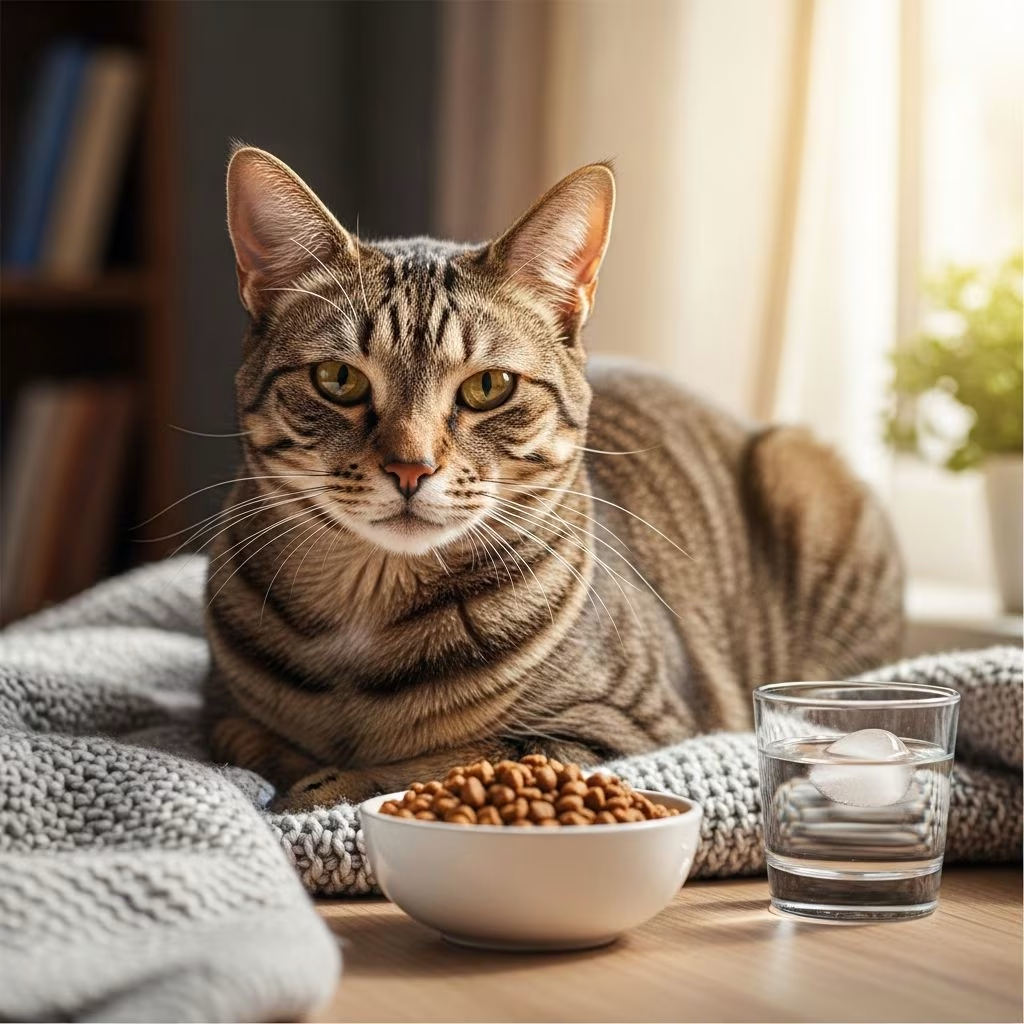
As cats enter their golden years, typically around 7 to 11 years of age, their nutritional requirements evolve significantly due to shifts in metabolism, reduced activity levels, and potential health challenges like kidney issues or arthritis. Providing a diet rich in digestible proteins, controlled calories, and supportive nutrients can help maintain muscle mass, support organ function, and promote overall well-being.
Age-Related Changes Impacting Feline Diet
Older cats often experience a decline in lean body mass, diminished sense of thirst, and less efficient digestion, making specialized nutrition crucial. For instance, metabolism slows, leading to a 20-25% reduction in daily calorie needs to prevent obesity, yet protein demands remain high to preserve muscle. Impaired kidney function calls for moderated phosphorus levels, while joint stiffness benefits from anti-inflammatory omega fatty acids.
Core Nutrients Vital for Senior Felines
A well-formulated senior cat diet prioritizes several key elements to counteract age-related declines.
- Premium Protein Sources: High-quality, highly digestible proteins from chicken, turkey, fish, or beef are essential, comprising at least 30-45% of dry matter to sustain muscle and bolster immunity. Unlike younger cats, seniors may digest proteins less efficiently, so animal-based sources are preferred over plant proteins.
- Balanced Fats with Omegas: Moderate fats provide energy without excess calories; omega-3s from fish oil reduce inflammation and aid skin, coat, and joint health.
- Digestive Fiber: Soluble and insoluble fibers promote regular bowel movements, combat constipation, and enhance nutrient uptake, particularly useful as gut motility slows.
- Antioxidants and Vitamins: Vitamins E, C, A, selenium, and carotenoids neutralize free radicals, supporting immune response and cellular health.
- Controlled Minerals: Lower phosphorus protects kidneys, while balanced calcium and potassium maintain bone density and heart function.
- Carnitine and Taurine: Carnitine aids fat metabolism and heart health; taurine, sourced solely from meat, is indispensable for vision and cardiac integrity.
Ideal Food Types and Feeding Approaches
Selecting the right food format and strategy ensures palatability and efficacy for picky or health-compromised seniors.
Wet vs. Dry Formulas
Wet foods, with 75-80% moisture, excel in promoting hydration, crucial since seniors often overlook thirst cues, reducing risks of urinary and kidney problems. Dry kibble suits dental health if phosphorus is controlled but should be supplemented with water. A mix often works best.
| Food Type | Pros | Cons | Best For |
|---|---|---|---|
| Wet/Canned | High moisture; palatable; easy digestion | Shorter shelf life; higher cost | Hydration, kidney support |
| Dry Kibble | Convenient; dental benefits; calorie-dense | Low moisture; potential dehydration | Weight control, dental health |
| Mixed | Balanced benefits | Requires monitoring | Versatile needs |
Commercial vs. Homemade Options
Opt for AAFCO-approved senior formulas from reputable brands, which incorporate prebiotics for gut health and enhanced flavors like yeast extracts to entice reduced appetites. Homemade diets risk imbalances unless vet-formulated; supplements should only follow professional guidance.
Recommended Dietary Choices
Veterinarians endorse senior-specific products for their tailored profiles:
- Hill’s Science Diet Senior: Antioxidants, balanced protein for vitality.
- Royal Canin Aging 12+: Joint and digestive support.
- Purina Pro Plan Senior: Digestible proteins, hydration focus.
- Blue Buffalo Healthy Aging: Natural ingredients, omegas.
- Wellness CORE Senior: Grain-free, high protein.
For treats, choose low-calorie options under 4 kcal per piece, such as water-rich veggies (green beans, carrots) or senior-specific licks like Inaba Churu.
Practical Feeding Guidelines
Implement these habits to optimize intake:
- Portion Control: Feed 20-25% fewer calories; weigh monthly and adjust per vet advice.
- Multiple Meals: 4-6 small servings daily accommodate smaller stomachs and steady energy.
- Hydration Boosts: Multiple fresh water stations; add broth to food; fountains encourage drinking.
- Slow Transitions: Mix new food gradually over 7-10 days to avoid GI upset.
- Monitor Health: Watch for weight loss/gain, coat quality, litter habits; annual bloodwork guides tweaks.
Addressing Common Senior Health Concerns Through Nutrition
Kidney and Urinary Support
Low-phosphorus, high-moisture diets mitigate chronic kidney disease (CKD), prevalent in 30-50% of cats over 10. Increased water intake flushes toxins effectively.
Joint and Mobility Aid
Omega-3s and glucosamine-containing foods alleviate arthritis pain, improving activity.
Weight Management
Calorie restriction prevents obesity in 50% of seniors; high-protein, low-carb formulas preserve muscle during reduction.
Cognitive and Cardiac Health
Antioxidants and carnitine protect brain function; taurine safeguards hearts.
Frequently Asked Questions
What age qualifies a cat as senior?
Generally 7-11 years, with ‘geriatric’ at 12+; needs vary by breed and health.
Can senior cats eat kitten food?
No—kitten food is calorie-dense and lacks senior-specific balances like low phosphorus.
How much should I feed my senior cat?
Follow package guidelines, adjusted for weight (e.g., 200-300 kcal/day for 10lb cat); consult vet.
Is grain-free best for seniors?
Not necessarily—focus on protein quality over grain exclusion unless allergies exist.
When to switch to prescription diets?
For diagnosed conditions like CKD or diabetes, per veterinary prescription.
Long-Term Benefits of Proper Nutrition
Consistent senior nutrition extends lifespan and quality of life, slowing age progression. Cats on tailored diets show better muscle retention, vitality, and fewer vet visits. Partner with your vet for personalized plans, incorporating dental checks and wellness exams.
References
- Senior Cat Nutrition 101 — Haw Creek Animal Hospital. 2023. https://www.hawcreekanimalhospital.com/senior-cat-nutrition-101/
- Senior Cat Nutritional Requirements — Purina US. 2024-02-15. https://www.purina.com/articles/cat/senior-cat/health/senior-cat-nutritional-requirements
- Senior Cat Nutrition — PetMD. 2025-01-10. https://www.petmd.com/cat/nutrition/senior-cat-nutrition
- Best Foods for Senior Cats — Rea Road Animal Hospital. 2024. https://www.rearoadanimalhospital.com/what-are-the-best-foods-for-senior-cats/
- Feeding Mature, Senior, and Geriatric Cats — VCA Animal Hospitals. 2024-11-20. https://vcahospitals.com/know-your-pet/feeding-mature-senior-and-geriatric-cats
- Nutritional Needs for Senior Cats — Hill’s Pet Nutrition. 2025. https://www.hillspet.com/cat-care/nutrition-feeding/senior-cat-nutritional-needs
- Nutrition and Weight: Mature Adult and Senior Cats — AAHA. 2021-06-01. https://www.aaha.org/resources/2021-aaha-aafp-feline-life-stage-guidelines/nutrition-and-weight-mature-adult-and-senior-cats/



