

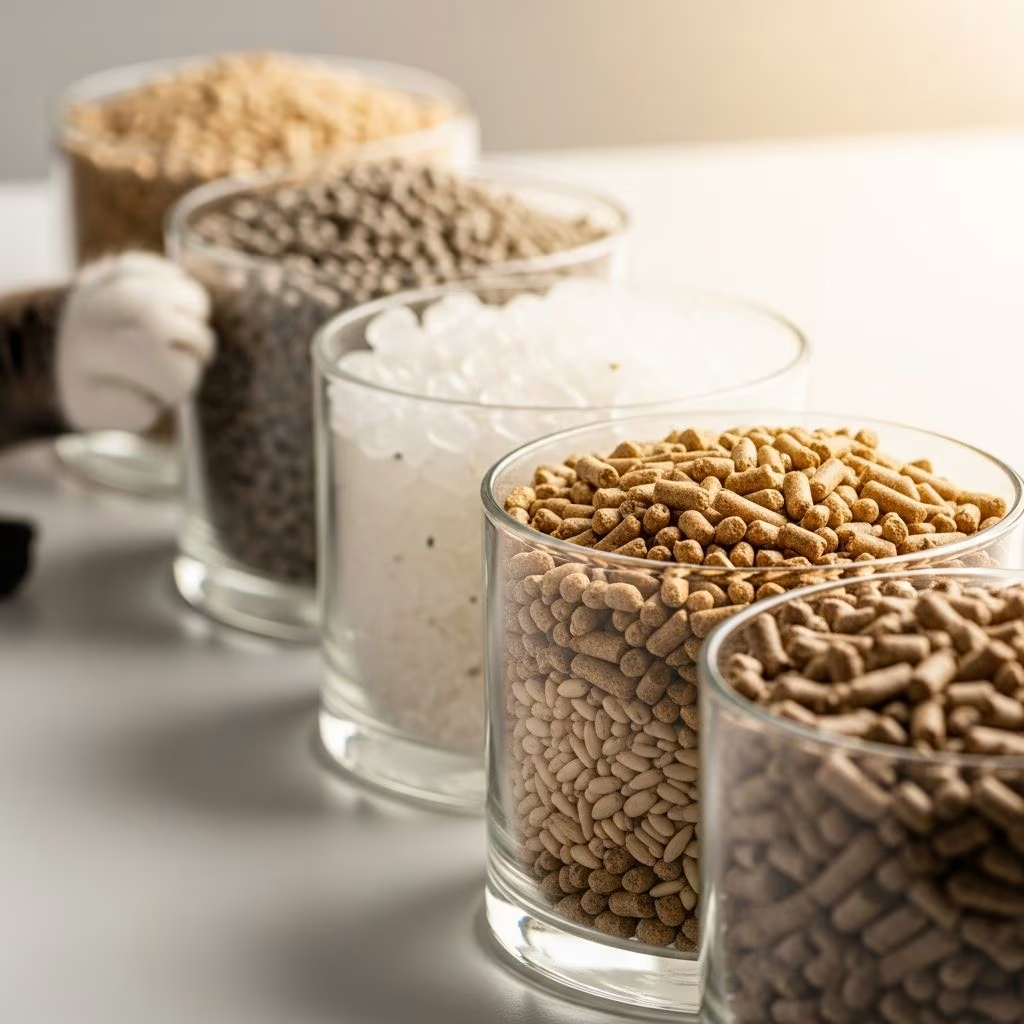
Declawing surgery requires careful post-operative care, particularly in selecting litter that minimizes pain and infection risk during paw healing. Soft, non-adherent materials like shredded paper or silica crystals promote comfort and faster recovery, typically over 2-6 weeks.
Understanding Declawing and Its Impact on Litter Habits
Declawing, or onychectomy, surgically removes the last bone of each toe, leaving sensitive incisions. Standard litters with sharp granules can irritate these sites, causing pain when digging and raising infection chances from trapped debris. Switching to gentler fillers addresses these issues by reducing trauma during elimination.
Recovery spans 7-30 days, with initial pain management at the vet followed by home monitoring. Pain association with litter boxes can lead to avoidance behaviors, such as soiling elsewhere, underscoring the need for immediate litter adaptation.
Safe Litter Materials for the Recovery Phase
Opt for litters that are soft, low-dust, and non-sticky to protect healing paws. Key recommendations include:
- Shredded Newspaper: Inexpensive, absorbent, and ultra-gentle; shred into small strips for easy digging.
- Paper Pellets: Products like Yesterday’s News offer clumping without sharpness, ideal for 2-4 weeks post-op.
- Plant-Based Pellets: Wheat, corn, or walnut variants provide natural softness and biodegradability.
- Silica Crystals: Non-granular and absorbent, minimizing residue in wounds.
- Wood Shavings: Pine-based options for some cats, ensuring unscented varieties.
Introduce these gradually if resistance occurs, mixing with old litter at a 75:25 ratio and increasing over days. Monitor usage; most cats adapt within 24-48 hours.
Litters to Strictly Avoid During Healing
Certain litters exacerbate risks:
| Litter Type | Risks | Why Avoid |
|---|---|---|
| Clay-Based | Dusty, sticky | Clings to incisions, promotes bacteria. |
| Clumping/Sandy | Sharp grains | Causes pain, embeds in wounds. |
| Perfumed | Chemical irritants | Delays healing, respiratory issues. |
Resume these only after full healing, confirmed by vet exam around 4 weeks.
Step-by-Step Recovery Timeline and Litter Transition
- Days 1-7: Vet stay for monitoring; use paper litter exclusively at home.
- Weeks 2-4: Daily paw checks; continue soft litter, clean box 2-3 times daily.
- Weeks 4-6: Vet follow-up; test 50/50 mix with normal litter if paws healed.
- Post-6 Weeks: Full transition if no issues; observe for relapse.
Individual variance exists; consult vets for tailored plans. Dr. Smith notes 4-6 weeks typical for safe return to clay litters.
Essential Aftercare Practices Beyond Litter Selection
Holistic care enhances outcomes:
- Wash paws with saline post-box use if standard litter persists.
- E-collar to prevent licking/chewing.
- Pain meds as prescribed; soft surfaces for resting.
- Multiple low-sided boxes for easy access.
- Hygiene: Scoop frequently, disinfect weekly.
Watch for swelling, discharge, or limping—prompt vet intervention prevents complications.
Addressing Common Owner Concerns
Will my cat reject new litter? Most adapt quickly due to softness; persistence with treats near box aids transition.
Is paper litter safe long-term? Yes, it’s biodegradable and chemical-free; choose quality brands.
How to handle refusal? Temporary confinement to bathroom with new litter; clean thoroughly.
Frequently Asked Questions (FAQs)
How long should I use recovery litter after declawing?
Minimum 2-4 weeks, up to 6 for full safety. Monitor paws before switching.
Can I use pine litter post-declaw?
Unscented pine shavings work for some; test acceptance and ensure no allergies.
What if my cat avoids the box entirely?
Provide comfort, rule out pain/UTIs via vet; try larger pans.
Are natural litters better for healing?
Yes, they reduce chemical exposure and are gentler on wounds.
Does litter type affect long-term behavior?
Proper early care prevents litter aversion in most cases.
Long-Term Litter Strategies for Declawed Cats
Post-recovery, prioritize softer options lifelong:
- Recycled paper or corn pellets reduce chronic sensitivity.
- Low-dust formulas prevent respiratory strain.
- Rotate types to maintain interest.
Many owners report declawed cats thriving on World’s Best or Nature’s Miracle for ongoing comfort.
Preventing Complications: A Checklist
- Daily: Inspect paws, scoop litter.
- Weekly: Full box wash, e-collar check.
- Monthly: Vet wellness if issues arise.
Proactive management ensures happy, box-trained cats.
References
- Cat Declaw Litter: The Best Litter Materials for Recovery Time — VetInfo. 2023. https://www.vetinfo.com/cat-declaw-litter-the-best-litter-materials-for-recovery-time.html
- Declaw Aftercare Instructions — VetInfo. 2023. https://ar.lybiomass.com/resources/cat-declaw-litter-the-best-litter-materials-for-recovery-time.html
- What litter works best on declawed cats? — TheCatSite Forum. 2004-02-23. https://thecatsite.com/threads/what-litter-works-best-on-declawed-cats.110476/



