

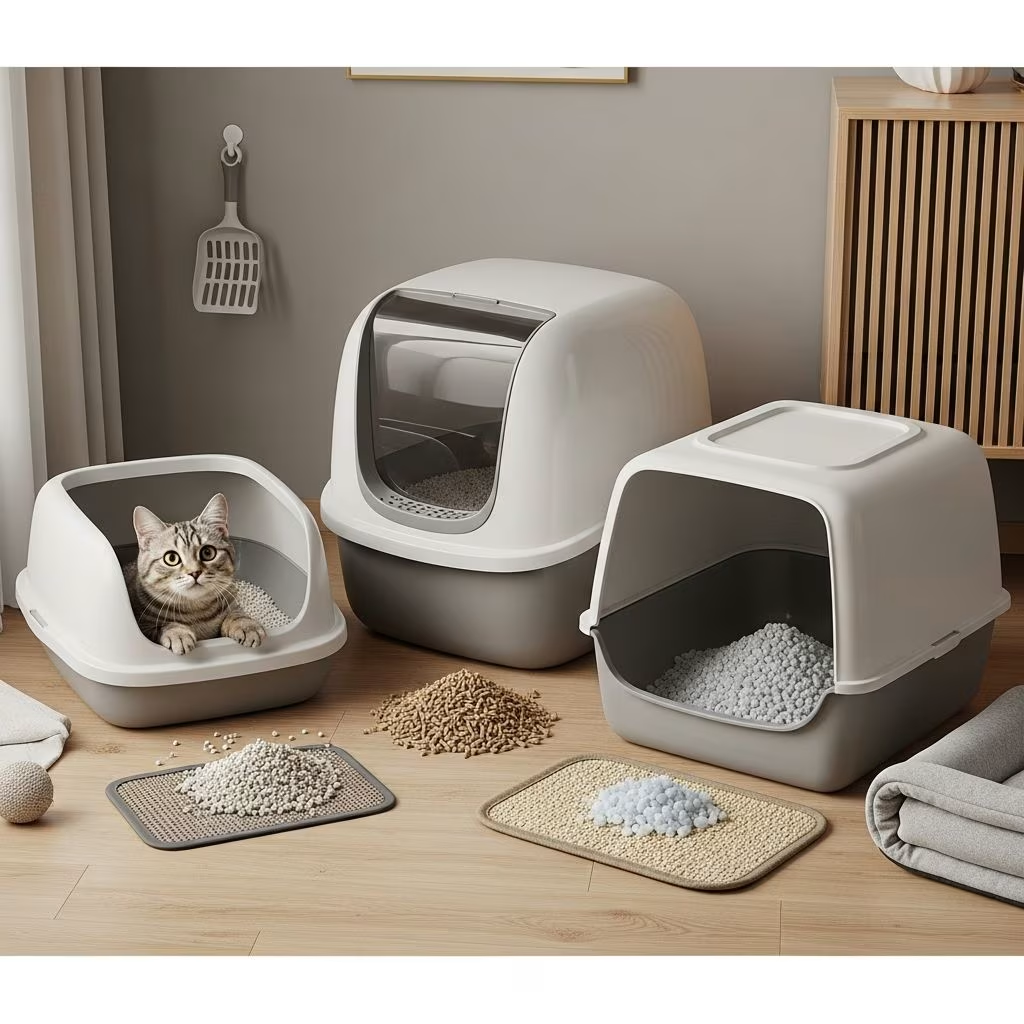
Providing the right number of litter boxes is essential for feline well-being, especially in households with multiple cats. Veterinary experts consistently recommend the “n+1” rule: one litter box per cat plus an extra one to minimize competition and promote healthy elimination habits.
Understanding the N+1 Guideline
The foundational principle for litter box provision is straightforward yet critical. For a single cat, maintain two boxes; for two cats, three; and so on. This approach accommodates individual preferences, reduces territorial stress, and ensures availability during peak times.
- One cat: 2 boxes
- Two cats: 3 boxes
- Three cats: 4 boxes
- Four cats: 5 boxes
- Five cats: 6 boxes
This formula arises from observations that cats often separate urination and defecation, or avoid boxes recently used by others due to scent sensitivity. Even harmonious cats benefit from options to prevent avoidance behaviors.
Why Extra Boxes Matter in Multi-Cat Environments
In homes with more than one cat, insufficient boxes can trigger significant issues. Cats are solitary by nature, not pack animals like dogs, leading to territorial guarding where dominant individuals block access for others.
| Number of Cats | Recommended Boxes | Potential Risks if Insufficient |
|---|---|---|
| 1 | 2 | Preference for separate functions unmet |
| 2 | 3 | Territorial disputes, avoidance |
| 3 | 4 | Increased house soiling, stress |
| 4+ | n+1 | Health issues from inconsistent use |
Without enough boxes, subordinate cats may eliminate outside the box, on furniture, or hold it, risking urinary tract problems. Multiple boxes distribute usage, making it harder for one cat to monopolize resources.
Consequences of Inadequate Litter Facilities
Shortages lead to behavioral shifts like inconsistent usage or outright avoidance. Cats might seek alternative spots, causing odors and damage. Health-wise, stress from competition can manifest as cystitis or constipation.
- Inconsistent habits: Cats skip boxes due to crowding.
- Territorial blocks: Aggressive cats prevent access.
- Cleanliness aversion: Stepping over waste discourages use.
- House soiling: Preferred over dirty or guarded boxes.
Conversely, excess boxes pose practical challenges like space constraints in small homes and intensified cleaning demands. Monitoring becomes tricky, potentially missing early illness signs like increased frequency.
Strategic Placement for Maximum Effectiveness
Location influences usage profoundly. Distribute boxes across floors and rooms to ensure accessibility, avoiding clustering that mimics a single large, problematic box.
- Place on each level of multi-story homes.
- Position in quiet, low-traffic areas with escape routes.
- Avoid high-traffic zones, laundry rooms, or near food/water.
- Separate boxes by reasonable distances to prevent perceived grouping.
For multi-cat setups, strategic spots thwart bullying—e.g., one per end of the house plus intermediates. Older or mobility-limited cats need ground-floor or easy-access placements.
Choosing the Right Box Design and Size
Size trumps style for comfort. Boxes should allow full body turns, ideally 1.5 times the cat’s nose-to-tail length. Standard commercial boxes often fall short; repurpose large storage bins for adequacy.
- Open vs. hooded: Open suits most, avoiding trap-like feelings; hooded for privacy seekers, but ensure ventilation.
- Depth and entry: Low sides for kittens/seniors; deeper for vigorous diggers.
- Material: Durable plastic resists scratches and odors.
Consistency prevents rejection during changes—match existing styles when replacing.
Essential Cleaning and Maintenance Protocols
Daily scooping is non-negotiable to uphold appeal. Multiple boxes amplify this need, but automated options ease the burden for larger households.
- Scoop solids daily, liquids every 1-2 days.
- Full dump and wash bi-weekly with mild soap.
- Use unscented, clumping litter at 2-3 inches depth.
- Monitor for usage changes signaling health issues.
In multi-cat homes, track individual patterns to detect anomalies early.
Navigating Special Circumstances
Adjust for unique needs:
- Kittens: Shallow boxes, frequent changes.
- Seniors/arthritic: Low-entry, senior litter.
- Medical issues: Vet-recommended litters post-surgery.
- New cats: Gradual introduction with extra boxes.
Social groups may require per-group plus one, if dynamics are known.
Common Pitfalls and Fixes
Avoid these errors:
- Clustering boxes negates multiplicity benefits.
- Neglecting cleanliness leads to aversion.
- Overlooking size causes discomfort.
Solutions include audits: observe usage, relocate underused boxes, and consult vets for persistent issues.
Frequently Asked Questions
Can cats share one litter box?
Possible but discouraged; sharing sparks territoriality and avoidance.
What if space is limited?
Prioritize n+1 with compact, vertical designs; use multi-level homes wisely.
How often to clean multiple boxes?
Daily scooping mandatory; adjust based on cat count.
Signs of litter box problems?
House soiling, straining, vocalizing—vet check advised.
Best litter for multi-cat homes?
Clumping, unscented, low-dust for preference and health.
Long-Term Benefits of Proper Setup
Adhering to these principles fosters peace, cuts vet bills from stress illnesses, and preserves your home. Happy cats equal content owners.
References
- Managing Litter Boxes in a Multiple Cat Home — Litter-Robot. 2023. https://www.litter-robot.com/blog/managing-litter-boxes-in-a-multiple-cat-home/
- How to Set Up Your Cat’s Litter Boxes — Preventive Vet. 2023. https://www.preventivevet.com/cats/how-to-set-up-your-cats-litter-box
- Why Multiple Cats Need Multiple Litter Boxes — PetMD. 2023. https://www.petmd.com/cat/centers/litter/evr_why_multi_cat_households_need_multiple_litter_boxes
- How Many Litter Boxes Per Cat Do You Need? — Purina. 2025-06-05. https://www.purina.com/articles/cat/behavior/litter/how-many-litter-boxes-per-cat
- General Litter Box Considerations — AAHA. 2021. https://www.aaha.org/resources/2021-aaha-aafp-feline-life-stage-guidelines/general-litter-box-considerations/



