
Optimal Feeding Strategies for Marine Mammals
Complete guide to dietary requirements and nutrition management for marine mammals in care facilities.
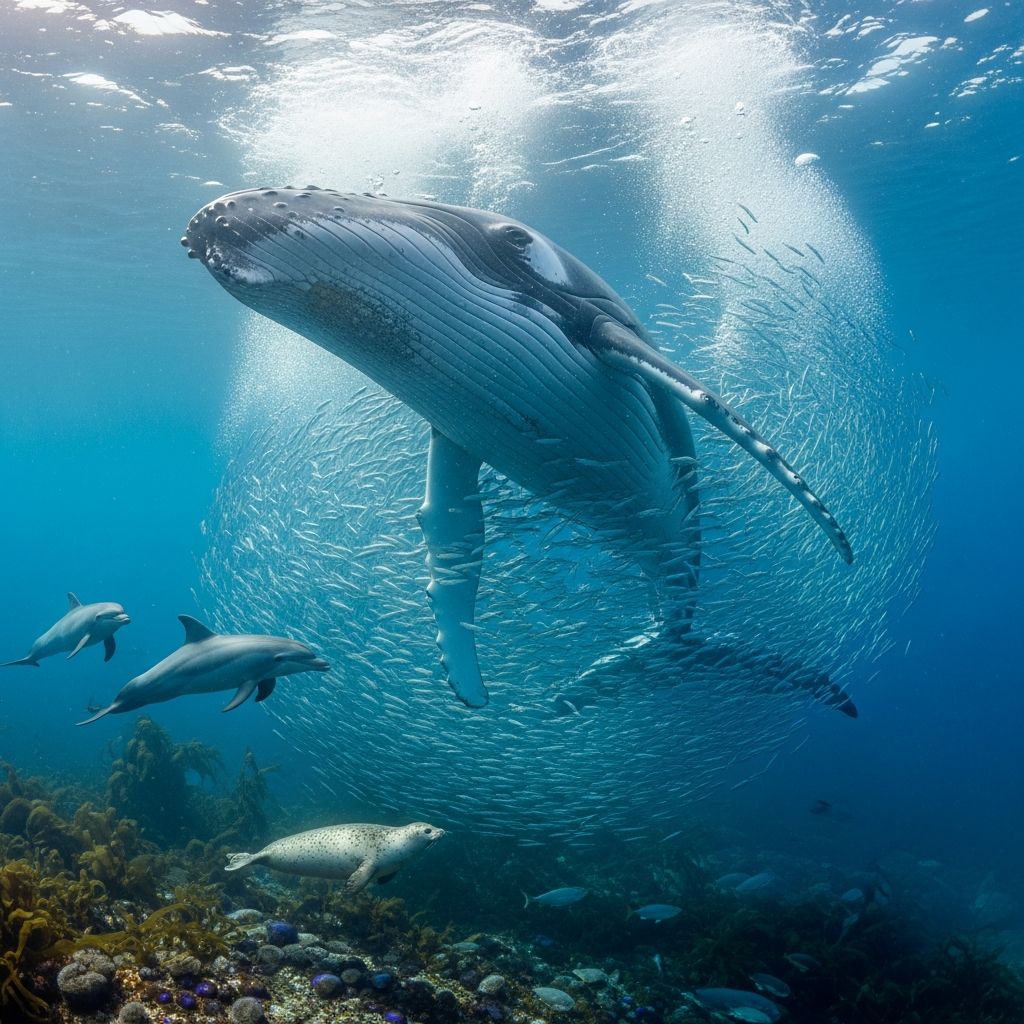
Understanding Marine Mammal Metabolic Requirements
Marine mammals possess fundamentally different metabolic characteristics compared to terrestrial animals, shaped by millions of years of adaptation to aquatic environments. Their dietary composition reflects these evolutionary changes, with marine mammal diets consisting predominantly of high-lipid and high-protein sources while remaining exceptionally low in carbohydrates. This macronutrient profile directly influences how these animals process energy and maintain homeostasis in challenging marine ecosystems.
The metabolic pathways of marine mammals have evolved in response to a glucose-poor diet, a critical distinction from land-dwelling mammals. This adaptation means that different micronutrients play essential roles in their metabolism, foraging behavior, and dive physiology. Understanding these specialized requirements is paramount for anyone responsible for feeding marine mammals in professional care settings.
Caloric Intake and Daily Feeding Quantities
Determining appropriate feeding amounts requires consideration of multiple biological factors including age, body size, environmental conditions, and metabolic state. The caloric demands of marine mammals vary considerably across species and life stages.
Growth Phase Requirements
Young, actively growing marine mammals demonstrate the highest caloric requirements relative to their body weight. Juvenile dolphins and smaller pinnipeds typically need 9-15% of their body weight in high-quality fish daily to support growth and development. These substantial portions reflect the energetic demands of rapid skeletal development, muscle growth, and organ maturation during early life stages.
Adult Maintenance Feeding
As marine mammals mature, their daily food requirements decrease significantly. Adult animals of small to medium size require approximately 4-9% of their body weight in food for maintenance purposes. Larger species exhibit even more efficient energy utilization; whales and elephant seals, for instance, typically require only 2-5% of their body weight as adults. This inverse relationship between body size and proportional food intake reflects metabolic efficiency that develops with maturity.
Species-Specific Variations
Sea otters represent a notable exception to typical marine mammal feeding patterns due to their high metabolic rates and small body size. Adult sea otters require approximately 25-30% of their body weight in food daily, substantially higher than other marine mammals. This exceptional requirement stems from their limited blubber layer and consequent inability to store energy reserves as efficiently as larger marine species.
Dietary Composition Across Marine Mammal Groups
Carnivorous Marine Mammals
Most marine mammals are obligate or facultative carnivores whose nutritional requirements center on animal protein and fat sources. Fish constitute the primary dietary component for dolphins, seals, and sea lions, providing essential amino acids, omega-3 fatty acids, and micronutrients. Feeding protocols typically incorporate dietary diversity through rotation of fish species, ensuring broader micronutrient acquisition and reducing the risk of nutritional imbalances.
Sea otters demonstrate more specialized feeding preferences than larger carnivorous marine mammals, consuming various invertebrate species including echinoderms, molluscs, and occasional crustaceans alongside fish. This dietary diversity supports their nutritional needs while enriching their cognitive and behavioral engagement during captive feeding.
Herbivorous Marine Mammals
Sirenians (manatees and dugongs) occupy a unique ecological niche as marine herbivores, consuming aquatic vegetation in the wild. In professional care settings, their diets can be successfully maintained using hydroponic grass, leafy greens, vegetables, and fruits such as carrots and bananas. These animals can also thrive when supplemented with commercially available herbivorous primate pellets formulated to meet their specific nutritional needs.
Sirenian feeding protocols require special attention to caloric distribution throughout the day. These animals consume food according to a natural grazing pattern, necessitating feeding multiple times daily at varied water depths. This approach mimics their wild feeding behavior while accommodating their physiological digestive requirements.
Daily intake requirements for sirenians are estimated at 7-9% of body weight, varying with age and developmental stage. Interestingly, sirenians likely ingest considerable animal protein incidentally during wild grazing, suggesting that carefully formulated vegetarian diets should include consideration of protein adequacy and amino acid balance.
Specialized Dietary Needs: Polar Bears
Polar bears present unique nutritional challenges due to their specialized wild diet of marine mammal fat, particularly seal blubber consumed during winter months. In captivity, these animals are commonly provided with substantial quantities of fish supplemented with commercial omnivore diets for nutritional adequacy and behavioral enrichment. Polar bears demonstrate exceptional dietary requirements for vitamin A, often requiring supplementation at levels ranging from 20,000 to 1,000,000 International Units daily, with many cases responding positively to daily administration.
Vitamin D supplementation represents another critical consideration for captive polar bears, with recommended additions of 1000 International Units per kilogram of feed. Aging polar bears frequently develop renal disease, which may necessitate reduction in dietary protein content as a therapeutic intervention.
Neonatal Feeding and Hand-Rearing Protocols
Critical Nutritional Considerations for Infants
Neonatal marine mammals present exceptional challenges during hand-rearing due to their specialized nutritional requirements and developmental sensitivity. A critical discovery in marine mammal nutrition involves carbohydrate intolerance in young animals; neonates fed milk replacement formulas containing carbohydrates develop severe, life-threatening bacterial gastroenteritis. This carbohydrate sensitivity requires careful selection of replacement formulas designed specifically for marine mammal physiology.
Replacement milks for marine mammal neonates must provide immense caloric density to support rapid growth and thermoregulation in aquatic environments. Modern approaches increasingly employ component-based milk replacers derived from commercial sources rather than complex scratch-formulated preparations, improving consistency and nutritional accuracy.
Feeding Schedules and Weaning Transition
Pinniped pups require frequent feeding during their first week of life, with optimal protocols calling for approximately four-hour intervals between meals. As animals mature, feeding frequency can be gradually reduced to three to five times daily while simultaneously increasing portion sizes to maintain adequate caloric intake.
The transition from formula-based nutrition to solid fish diets requires careful management to ensure animals receive sufficient calories during this critical developmental period. Fish oil supplementation of replacement formulas increases caloric value and eases the metabolic transition to piscivorous feeding. Most marine mammals can initiate solid food offerings once their permanent teeth have erupted, though this timeline varies among species.
Professionals managing neonatal marine mammals are strongly advised to contact specialized marine mammal rescue centers for species-specific guidance and contemporary methodologies, as protocols continue to evolve based on empirical experience and research developments.
Preventing Nutritional Deficiency Diseases
Thiamine Deficiency Prevention
Thiamine deficiency represents a significant health risk in any marine mammal fed primarily frozen fish. Fish contain thiaminase enzymes and antithiamine substances that actively destroy thiamine present in food and even supplemental thiamine added to diets. If supplemental thiamine is added to fish intended for feeding, consumption should occur promptly before enzymatic degradation reduces supplement efficacy.
Prevention strategies include consistent thiamine supplementation in the diets of all piscivorous animals, with particular emphasis on those consuming primarily frozen fish sources. This supplementation strategy remains one of the most straightforward and effective approaches to preventing this potentially severe neurological condition.
Vitamin E Deficiency and Steatitis
Steatitis, commonly referred to as white fat disease, results from vitamin E deficiency and the consequent loss of cellular membrane integrity. The antioxidant properties of vitamin E prove essential for protecting cell membranes from oxidative damage. Oxidative processes occurring during fish storage gradually deplete vitamin E and other antioxidants, reducing nutritional value of frozen food sources.
Captive piscivores commonly receive oral vitamin E supplementation at rates as high as 100 mg per kilogram of feed, effectively maintaining high serum concentrations of this critical nutrient. However, proper storage and thawing protocols for feeder fish may eliminate the necessity for such aggressive supplementation strategies. Relationships between vitamin E deficiency and hyponatremia have been suspected, suggesting broader metabolic implications of adequate vitamin E status.
Obesity Management and Metabolic Health
Captive marine mammals face significant obesity risk due to the combination of excessive caloric intake and substantially reduced exercise opportunities compared to wild counterparts. Obesity development in these animals can lead to metabolic complications, joint stress, and reduced lifespan.
Prevention requires meticulous tracking of caloric intake matched against measured energy expenditure and baseline metabolic requirements. Regular body condition assessments, combined with weight monitoring protocols, allow for early intervention before obesity becomes established. Staff should document feeding amounts, fish types, and supplementation schedules to identify drift toward excessive caloric provision.
Quality Standards and Food Safety
Regardless of species or feeding protocol, marine mammal food sources must meet rigorous quality standards. Wholesome, palatable fish free from contamination forms the foundation of appropriate feeding programs. Quantity and nutritive value must align with established dietary requirements for each individual based on species, age, and condition.
Fish selection should consider both nutritional composition and digestibility. Variation in fish species used for feeding introduces dietary diversity while preventing nutritional imbalances that might develop from reliance on single food sources. Some fish species contain higher proportions of water and lower protein/fat content, making them suitable as supplementary rather than primary dietary components.
Legal and Ethical Considerations
It is illegal to feed wild marine mammals including dolphins, whales, seals, and manatees. This prohibition protects wild populations from behavioral modification that reduces natural foraging abilities and increases human-wildlife conflict. Professional feeding occurs exclusively in licensed facilities maintaining appropriate animal health and husbandry standards.
Summary of Key Feeding Principles
- Caloric requirements decrease with age, from 9-15% of body weight in young animals to 2-5% in large adults
- Marine mammal diets must remain high in protein and lipids while avoiding carbohydrate sources, especially for neonates
- Thiamine and vitamin E supplementation protects against deficiency diseases in frozen-fish-based diets
- Sirenians require herbivorous diets with multiple daily feedings to match natural grazing behavior
- Sea otters and polar bears have specialized dietary requirements reflecting their unique evolutionary adaptations
- Neonatal hand-rearing demands carefully formulated milk replacers and gradual weaning protocols
- Regular monitoring prevents obesity and metabolic complications in captive animals
- Species-specific guidance from marine mammal rescue centers ensures optimal outcomes during neonatal care
References
- Nutrition and Nutritional Diseases of Marine Mammals — MSD Veterinary Manual. 2024. https://www.msdvetmanual.com/exotic-and-laboratory-animals/marine-mammals/nutrition-and-nutritional-diseases-of-marine-mammals
- Estimating energetic intake for marine mammal bioenergetic models — PLOS ONE, National Center for Biotechnology Information. 2023. https://pmc.ncbi.nlm.nih.gov/articles/PMC9900471/
- 9 CFR Part 3 Subpart E – Animal Health and Husbandry Standards — U.S. Code of Federal Regulations. 2024. https://www.ecfr.gov/current/title-9/chapter-I/subchapter-A/part-3/subpart-E/subject-group-ECFR874c710c094573b
- Frequent Questions: Feeding or Harassing Marine Mammals in the Wild — NOAA Fisheries. 2024. https://www.fisheries.noaa.gov/marine-life-distress/frequent-questions-feeding-or-harassing-marine-mammals-wild
Similar Articles








Read full bio of medha deb


