
Pet Feeding Strategies: Expert Guide To Optimal Nutrition
Master evidence-based feeding methods to ensure your dog or cat thrives through every life stage with balanced nutrition.
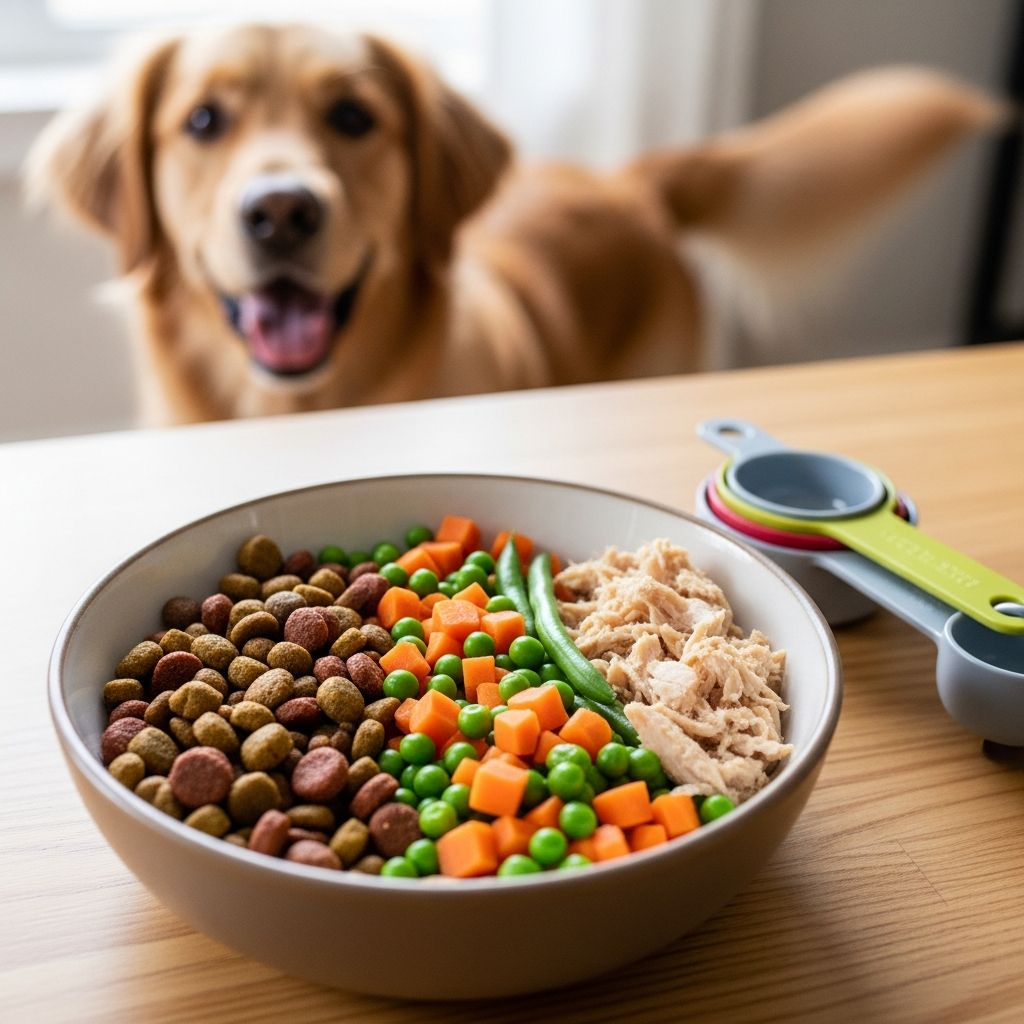
Providing the right nourishment through thoughtful feeding practices is foundational to the long-term health of dogs and cats. These animals have distinct nutritional demands that shift across life stages, activity levels, and health conditions. Effective feeding involves selecting appropriate diets, determining ideal portion sizes, establishing routines, and regularly evaluating body condition to avoid deficiencies or excesses.
Core Principles of Pet Nutrition
Nutrition for small animals hinges on delivering a
complete and balanced diet
tailored to specific needs. This means supplying all essential nutrients—proteins, fats, carbohydrates, vitamins, minerals, and water—in proper proportions that the animal can digest and absorb effectively. Organizations like the Association of American Feed Control Officials (AAFCO) set minimum standards for diets targeting adult maintenance, growth, gestation, and lactation. For instance, puppy and reproduction diets require at least 22.5% protein on a dry matter basis or 56.3 grams per 1,000 kcal of metabolizable energy (ME). Kittens and queens need even higher levels, around 30% protein or 75 grams per 1,000 kcal ME.Balance extends to energy density. Standard adult diets are designed for moderately active pets eating reasonable volumes. If a pet maintains ideal weight on less than recommended amounts (10-30% below label suggestions), switching to a lower-energy formula prevents overfeeding. Water remains the most critical nutrient, comprising up to 80% of body weight in cats and facilitating all metabolic processes.
Life-Stage Specific Feeding Approaches
Feeding plans must adapt to developmental phases. Puppies and kittens in growth phases demand nutrient-dense foods to support rapid tissue development. Small- and medium-breed puppies should receive puppy formulas until 12 months, while large- and giant-breed puppies (expected adult weight over 50 lbs) benefit from specialized large-breed growth diets up to 18 months to mitigate orthopedic risks. Kittens continue on kitten or all-life-stages formulas until one year.
Adults transition to maintenance diets post-growth. Intact adults typically need 1.4 times their resting energy requirement (RER), neutered pets 1.2 times RER, and obesity-prone individuals just 1 times RER. Lactating females may require 2.5 times RER or more. Seniors often need adjusted calories to counter reduced metabolism, emphasizing joint health and cognitive support.
| Status | Energy Multiplier |
|---|---|
| Intact Adult | 1.4 × RER |
| Neutered Adult | 1.2 × RER |
| Obesity-Prone | 1 × RER |
| Lactating | 2.5 × RER |
Reproduction phases elevate demands: gestating bitches benefit from 20-30% energy from carbohydrates for pup survival, while lactating queens need at least 10% digestible carbs to sustain milk production and body weight.
Daily Feeding Routines and Schedules
Consistency in meal timing fosters digestive health and prevents begging behaviors. Adult dogs thrive on two meals daily, reducing gastric dilatation-volvulus risk compared to once-daily feeding. Cats, being nibblers, prefer multiple small meals or free-choice access to dry food, mimicking natural hunting patterns. Puppies under four months may need three to four meals, tapering as they mature.
- Meal Frequency Guidelines: Puppies/kittens: 3-4 times/day; Adults: 2 times/day; Seniors: 2-3 smaller meals.
- Avoid free-feeding adults to control intake and monitor health.
- Transition diets gradually over 7-10 days to prevent gastrointestinal upset.
Portion control starts with calculating RER: for dogs, 30 × body weight (kg)0.75 kcal; for cats, 70 × body weight (kg)0.67 kcal, then applying multipliers. Adjust based on response, aiming for ideal body condition score (BCS): 4-5/9 for dogs, 5/9 for cats.
Evaluating Pet Body Condition and Adjustments
Regular
nutritional assessments
are vital, as recommended by the American Animal Hospital Association (AAHA). At every visit, vets score BCS using 5- or 9-point scales: ribs palpable without excess fat, waist visible, abdominal tuck present indicate ideal weight.Monitor trends: weight gain signals overfeeding or hypothyroidism; loss suggests inadequacy or illness. Factors include animal (age, neuter status), diet (completeness, palatability), management (frequency, environment), and interactions. Iterative reassessment refines plans.
| Description | 5-Point Scale | 9-Point Scale (Dogs) | 9-Point Scale (Cats) |
|---|---|---|---|
| Very Thin | 1 | 1 | 1 |
| Ideal | 3 | 4-5 | 5 |
| Obese | 5 | 9 | 9 |
Commercial vs. Home-Prepared Diets
Commercial foods dominate for convenience and reliability, with WSAVA recommending brands from companies conducting feeding trials across life stages. Labels indicate AAFCO compliance via formulation or trials—prefer trials for assurance.
Home-prepared diets risk imbalances unless formulated by board-certified veterinary nutritionists. Raw diets often lack essentials and pose safety risks like bacterial contamination. Whole grains in processed foods provide fiber, vitamins, and calorie control without excess fat.
Special Considerations: Obesity, Illness, and Activity
Obesity affects 59% of dogs and 61% of cats; combat with calorie restriction (70-80% of MER) and increased activity[10]. For illness, prioritize voluntary feeding of familiar foods, progressing to assisted methods like syringe or tube feeding if needed. Tube-fed pets receive blended canned slurries 3-4 times daily, with site care.
Active or working pets require higher-energy diets; obesity-prone breeds like Labradors need measured portions.
Common Mistakes and Prevention Tips
- Over-relying on treats: Limit to 10% of calories.
- Ignoring palatability: Warm food or vary textures to boost intake.
- Neglecting water: Provide fresh sources; canned food aids hydration.
- Rapid changes: Mix old/new foods gradually.
FAQs on Pet Feeding Practices
How often should I feed my adult cat?
Most benefit from 2-4 small meals or free-choice dry food to match grazing instincts.
What’s the best puppy food for large breeds?
Choose AAFCO-trialed large-breed puppy formulas until 12-18 months to support controlled growth.
How do I know if my dog is overweight?
Use BCS: Feel ribs easily, see waist and tuck. Consult vet for scoring.
Are grains necessary in pet food?
No, but quality grains offer beneficial fiber and nutrients without excess calories.
When to switch to senior food?
Around 7 years for large breeds, 11 for small; focus on joint and kidney support.
Building a Long-Term Feeding Plan
Collaborate with vets for personalized plans, reassessing quarterly. Track weight, stool quality, coat, and energy. Nutrition enhances quality of life, preventing diseases like diabetes and osteoarthritis.
References
- Nutritional Requirements of Small Animals — Merck Veterinary Manual. 2023. https://www.merckvetmanual.com/management-and-nutrition/nutrition-small-animals/nutritional-requirements-of-small-animals
- Nutrition FAQs — Cummings School of Veterinary Medicine at Tufts University. 2024. https://vet.tufts.edu/foster-hospital-small-animals/specialty-services/nutrition/nutrition-faqs
- AAHA Nutritional Assessment Guidelines for Dogs and Cats — American Animal Hospital Association. 2010 (updated relevance for core principles). https://www.aaha.org/wp-content/uploads/globalassets/02-guidelines/nutritional-assessment/nutritionalassessmentguidelines.pdf
- Overview of Nutrition: Small Animals — Merck Veterinary Manual. 2023. https://www.merckvetmanual.com/management-and-nutrition/nutrition-small-animals/overview-of-nutrition-small-animals
- Small Animal Nutrition — NC State Veterinary Hospital. 2024. https://hospital.cvm.ncsu.edu/services/small-animals/nutrition/
- Global Nutrition Guidelines — World Small Animal Veterinary Association. 2011 (authoritative standard). https://wsava.org/global-guidelines/global-nutrition-guidelines/
Similar Articles








Read full bio of Sneha Tete


