

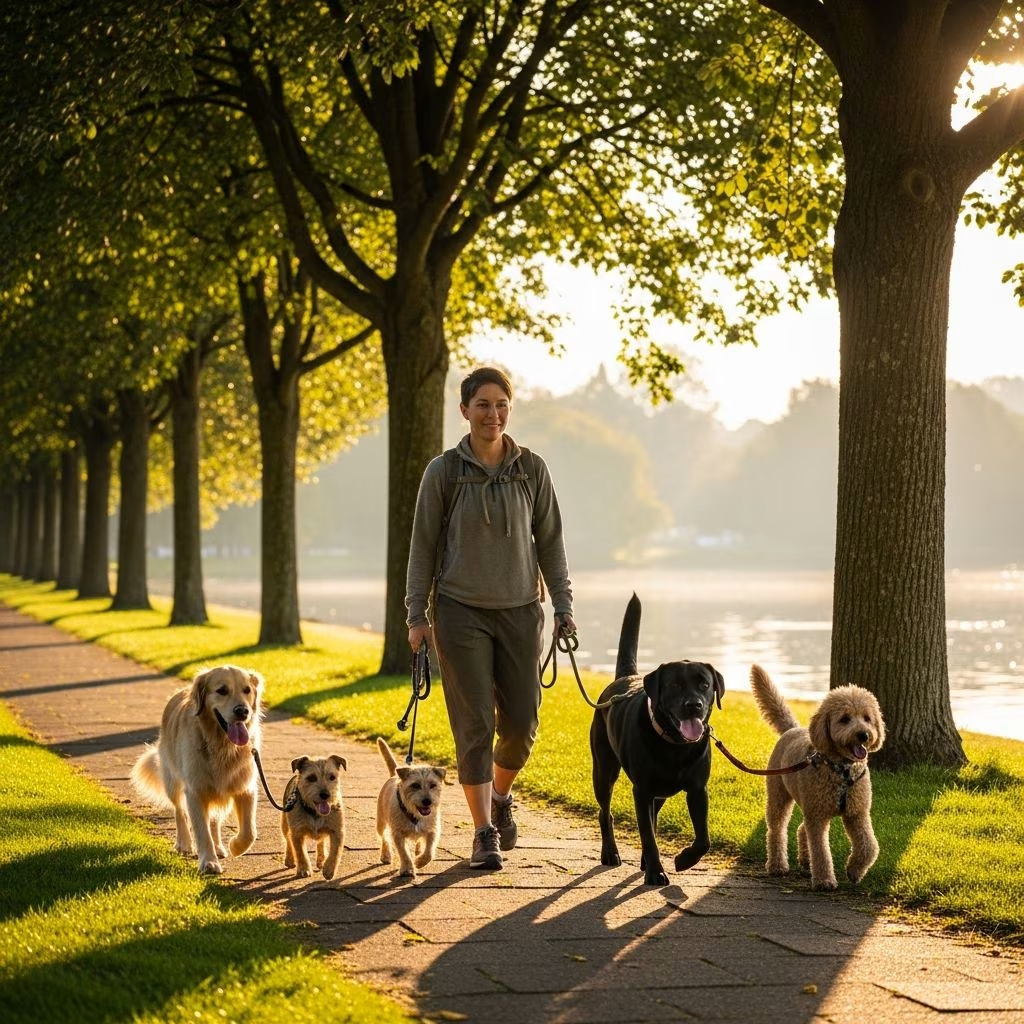
Determining the right walking frequency for your dog involves considering multiple factors like age, breed characteristics, energy levels, and overall health status. Most adult dogs benefit from at least two daily walks of 15-30 minutes each, while puppies and seniors require adjusted routines to match their developmental or physical needs.
Why Regular Walks Matter for Canine Health
Walking provides essential physical exercise, mental stimulation, and opportunities for socialization, helping prevent obesity, boredom-induced behaviors, and joint issues. According to veterinary guidelines, dogs need consistent activity to maintain muscle tone, cardiovascular health, and emotional balance. Insufficient exercise can lead to restlessness or destructive habits, whereas overexertion risks injury, particularly in vulnerable groups.
Benefits extend beyond the physical: walks strengthen the owner-pet bond, reduce stress through endorphin release, and allow scent exploration crucial for a dog’s sensory world. Studies indicate that dogs walked regularly show lower cortisol levels and improved sleep patterns.
Tailoring Walks to Your Dog’s Age Group
Dogs progress through distinct life stages, each demanding specific exercise parameters to support growth, peak performance, or graceful aging.
Puppies: Building Foundations with Frequent Outings
Young puppies under six months have high energy but developing joints, necessitating 3-8 short walks daily, ideally 5 minutes per month of age, excluding potty breaks. These outings follow meals, naps, or play to reinforce house training and prevent overexertion.
- Focus on positive experiences to build confidence.
- Avoid rough terrain to protect growing bones.
- Incorporate play breaks for mental engagement.
As puppies reach 6-12 months, transition to 3-4 walks, gradually increasing duration to 20-30 minutes.
Adult Dogs: Sustaining Vitality Through Balanced Activity
Prime-age dogs (1-7 years) thrive on 2-4 walks per day totaling 30-60 minutes, with at least one moderate session. This maintains weight, sharpens senses, and curbs excess energy.
Observe cues like pacing or whining to fine-tune; integrate variety such as fetch or new paths for engagement.
Senior Dogs: Gentle Movement for Comfort and Mobility
Dogs over 7 years need 2-3 shorter walks (15-30 minutes) at a leisurely pace, adjusted for arthritis or reduced stamina. Harnesses aid those with joint concerns, promoting circulation without strain.
- Choose soft surfaces to ease paw and joint stress.
- Monitor for fatigue signs like lagging.
- Combine with indoor gentle play if weather limits outings.
Breed-Specific Exercise Demands
Genetic predispositions dictate energy output, influencing ideal walk lengths and frequencies. High-drive breeds demand more to channel instincts, while companions suffice with less.
| Breed Type | Daily Walks | Duration per Walk | Notes |
|---|---|---|---|
| High-Energy (e.g., Border Collie, Husky) | 1-2 | 45-60 minutes | Include off-leash runs if safe |
| Moderate (e.g., Labrador, Beagle) | 1-2 | 30-45 minutes | Alternate with swimming |
| Low-Energy/Small (e.g., Pug, Chihuahua) | 1-2 | 15-30 minutes | Watch for overheating in brachycephalics |
Brachycephalic breeds like Pugs require caution in heat, limiting sessions to cooler times. Always prioritize individual temperament over breed averages.
Adapting to Health Conditions and Lifestyle Factors
Health trumps generalizations: overweight dogs start with 10-15 minute walks, building gradually, while those with diabetes or obesity need vet-monitored plans. Mobility-impaired pups benefit from short strolls to combat stiffness.
Environmental influences matter too—extreme weather shortens outings, substituting with indoor games. Busy schedules? Opt for dog walkers or yard play to hit 10-15 minutes minimum daily activity.
- Hot days: Early morning or evening slots.
- Cold weather: Protective booties and coats.
- Urban living: Frequent short potty walks (3-5 daily).
Sample Daily Walking Plans
Customize these templates to fit your routine and dog’s profile.
For a High-Energy Adult
- Morning: 45-minute brisk walk with hills.
- Midday: 15-minute potty break.
- Evening: 30-minute exploratory sniff walk.
For a Senior Low-Energy Dog
- Morning: 20-minute flat-path stroll.
- Afternoon: 10-minute gentle loop.
- Optional evening: 15-minute if energetic.
Track progress with a journal noting energy post-walk to refine schedules.
Enhancing Walks for Maximum Benefit
Elevate routine walks into enriching adventures. Vary routes to stimulate curiosity, teach commands like ‘heel’ for focus, and pack water for hydration. Training tools like treat pouches reinforce good leash manners.
Mental workouts—scent games or puzzle toys during breaks—complement physical effort, vital for working breeds. Post-walk cooldowns with massages soothe muscles.
Common Mistakes and How to Avoid Them
Overlooking weather leads to heatstroke; always check forecasts. Ignoring breed needs causes frustration—high-energy dogs unmanaged chew furniture. Skipping consistency disrupts routines, fostering anxiety.
Start slow for unfit dogs to prevent injury, consulting vets for personalized advice.
Frequently Asked Questions (FAQs)
How many times a day should I walk my puppy?
3-8 short sessions, based on age and meals, to support training and growth.
Can my dog get enough exercise without walks?
Yard play or fetch works minimally, but walks provide irreplaceable stimulation.
What if my dog refuses walks?
Build interest with high-value treats, short positive outings, and vet check for pain.
How do I know if walks are too long?
Signs include heavy panting, limping, or reluctance—shorten and observe.
Are leashed walks enough for energetic breeds?
Supplement with runs or agility if possible for full satisfaction.
Monitoring and Adjusting Your Routine
Regularly assess your dog’s body condition score, energy, and stool quality as walk effectiveness indicators. Annual vet exams ensure no underlying issues alter needs. Apps tracking steps offer data-driven tweaks.
As seasons change or health evolves, flexibility keeps routines optimal, fostering a lifetime of joyful mobility.
References
- Frequency of Walks for Dogs: Advice by Age and Breed — MonVet. 2023. https://monvet.com/en/frequency-of-walks-for-dogs/
- Dog Walking Frequency: Tips & Benefits for Every Breed — DTX Pets. 2023. https://dtxpets.com/blog/how-often-does-a-dog-really-need-to-be-walked/
- How Often Should I Walk My Dog? — Shallowford Animal Hospital. 2023. https://shallowfordvet.com/how-often-should-i-walk-my-dog/
- How Often Should You Walk Your Dog? — Rover.com. 2023. https://www.rover.com/blog/how-often-should-i-walk-my-dog/
- How Often Should You Walk Your Dog? — PetMD. 2023. https://www.petmd.com/dog/general-health/how-often-should-you-walk-your-dog
- How Often Should You Walk Your Dog? — American Kennel Club (AKC). 2023. https://www.akc.org/expert-advice/health/how-often-should-you-walk-your-dog/



