

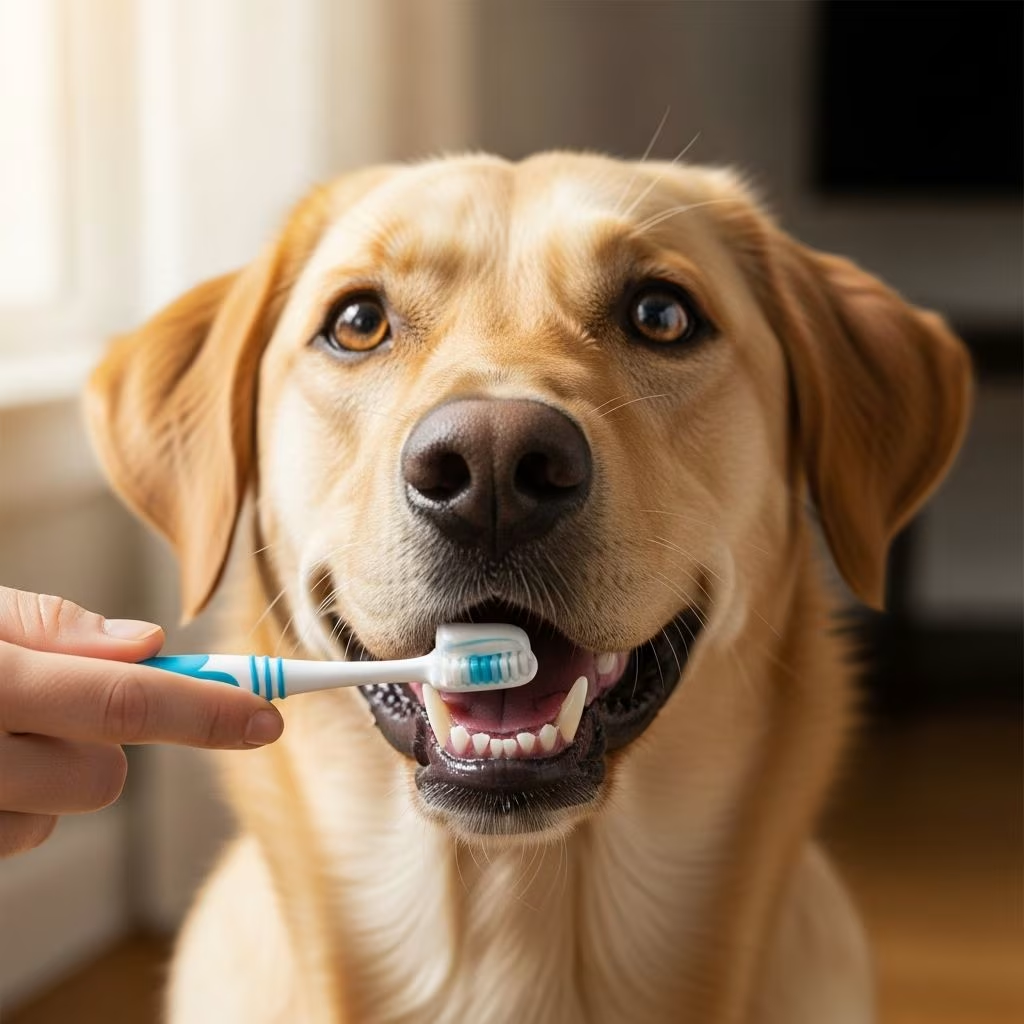
Brushing your dog’s teeth **daily** stands as the gold standard for preventing plaque accumulation and tartar formation, significantly reducing risks of gingivitis and periodontal disease.
The Critical Role of Oral Hygiene in Canine Health
Dogs face substantial dental challenges, with over 80% of those aged three and older exhibiting signs of periodontal disease, an inflammatory condition affecting gums and tooth-supporting structures. Plaque, a bacterial film on teeth, mineralizes into tartar within 24-48 hours if not removed, escalating to gum irritation, infection, and potential tooth loss.
Beyond oral pain, untreated dental issues allow bacteria to enter the bloodstream, potentially harming the heart, kidneys, and liver. Regular brushing disrupts this cycle, promoting fresher breath and extending lifespan by curbing systemic complications.
Evidence-Based Brushing Recommendations
Veterinary authorities like the American Veterinary Medical Association (AVMA) advocate for **daily brushing** as optimal, with several times weekly as a viable alternative when daily sessions prove challenging. A controlled study on beagle dogs demonstrated that daily or every-other-day brushing markedly outperformed weekly efforts in controlling plaque, calculus, and gingivitis severity.
- Daily: Most effective for plaque removal and gingivitis reduction; aligns with human dental norms adapted for pets.
- Every other day: Still yields significant benefits, preventing meaningful buildup.
- 3 times weekly: Minimum threshold for plaque control and tartar prevention per multiple veterinary sources.
- Less frequent: Ineffective, as plaque hardens rapidly, necessitating professional intervention.
University of Illinois veterinary experts emphasize that anything below every other day fails to halt plaque progression adequately. PetMD concurs, urging at least 2-3 sessions weekly, ideally daily.
Factors Influencing Brushing Needs
Not all dogs require identical regimens. Breed genetics play a role; small breeds like Chihuahuas and Dachshunds suffer disproportionate dental crowding, accelerating issues.
| Breed Size/Type | Risk Level | Recommended Frequency |
|---|---|---|
| Small breeds (e.g., Toy Poodles) | High | Daily |
| Medium/Large breeds | Moderate | Daily or 5x/week |
| Brachycephalic (e.g., Bulldogs) | Very High | Daily + vet monitoring |
Diet matters too: kibble diets aid natural cleaning, but soft foods exacerbate buildup. Age compounds risks, with seniors needing vigilant care.
Step-by-Step Guide to Introducing Tooth Brushing
Start young for best acceptance, though adults can learn with patience. Use enzymatic, pet-safe toothpaste (never human varieties, which contain toxic xylitol) and a soft finger brush or dual-ended pet toothbrush.
- Acclimate with touch: Gently rub gums daily with clean fingers, offering praise and treats.
- Introduce flavor: Apply a pea-sized toothpaste dab to your finger; let dog lick it for positive association.
- Progress to tools: Wrap gauze around finger, then switch to brush, targeting outer tooth surfaces in circular motions.
- Full sessions: Brush 30 seconds per jaw side, focusing molars where plaque thrives.
- Reinforce: End with play or chews; consistency builds routine enjoyment.
Aim for back teeth and gumlines; front canines need less focus. Sessions last 1-2 minutes total.
Complementary Dental Maintenance Strategies
Brushing excels, but integrate these for comprehensive care:
- VOHC-approved dental chews or treats to mechanically scrape plaque.
- Water additives with enzymes to inhibit bacterial growth.
- Dry kibble promoting chewing action.
- Avoid table scraps fueling bacteria.
These reduce but don’t replace brushing efficacy.
Recognizing Dental Distress Signals
Monitor for yellow-brown tartar, bleeding/swollen gums, persistent halitosis, drooling, pawing at mouth, or appetite loss. These warrant immediate vet evaluation; advanced cases demand anesthesia-assisted cleanings with scaling, polishing, and X-rays.
Frequency of pro cleanings varies: annually for most, less with diligent home care. Genetics or poor compliance may necessitate more.
Long-Term Benefits of Consistent Care
Dedicated brushing minimizes vet bills, averts pain, and fortifies pet-owner bonds through grooming rituals. Studies affirm daily habits slash periodontal progression, preserving quality of life.
Expand to holistic health: oral bacteria link to organ strain, so pristine teeth safeguard vitality.
Frequently Asked Questions
How long until plaque turns to tartar?
Typically 24-72 hours, underscoring daily brushing’s urgency.
Can I use human toothpaste on my dog?
No; it risks fluoride poisoning and gastrointestinal upset. Opt for poultry/malt-flavored pet formulas.
What if my dog resists brushing?
Train gradually with positives; consult vets for anxious pets. Alternatives like gels help transition.
How does diet impact dental health?
Kibble abrades teeth beneficially; wet food promotes plaque. Dental-specific diets aid.
Do puppies need brushing?
Yes, from teething onset around 8 weeks, establishing lifelong habits.
Building a Dental Care Routine Calendar
Track progress:
| Week | Goal Frequency | Checkpoints |
|---|---|---|
| 1 | 3x/week | Assess acceptance |
| 2-4 | 5x/week | Monitor plaque reduction |
| Ongoing | Daily | Vet dental exam yearly |
Integrate with meals for cueing.
Advanced Tips for Stubborn Cases
For resistors, employ finger cots or battery brushes. Pair with prescription rinses if gingivitis persists. Breeds like Greyhounds with thin enamel merit gentler strokes.
Consult board-certified veterinary dentists for tailored plans.
References
- What are the Benefits of Brushing a Dog’s Teeth? — Animal Dental AZ. 2023. https://animaldentalaz.com/benefits-of-brushing-a-dogs-teeth/
- Effect of Frequency of Brushing Teeth on Plaque and Calculus… — PubMed (NCBI). 2015-07-01. https://pubmed.ncbi.nlm.nih.gov/26197686/
- Why Brushing Your Dog’s Teeth Matters & How Often to Do It — WebMD Pets. 2024. https://www.webmd.com/pets/dogs/brushing-your-dogs-teeth-why-it-matters
- Brushing Your Dog’s Teeth — VCA Animal Hospitals. 2024. https://vcahospitals.com/know-your-pet/brushing-teeth-in-dogs
- Brushing Is Best for Pet Dental Health — University of Illinois VetMed. 2023. https://vetmed.illinois.edu/pet-health-columns/brushing-is-best-for-pet-dental-health/
- How Often Should You Brush Dog Teeth and Cat Teeth? — PetMD. 2024. https://www.petmd.com/general-health/how-often-should-you-brush-dog-teeth-and-cat-teeth
- Pet Dental Care — American Veterinary Medical Association (AVMA). 2024. https://www.avma.org/resources-tools/pet-owners/petcare/pet-dental-care



